Beginner-Friendly Recipe
Budget-Friendly Meal Ideas
Need cheap meals you can actually make this week? These budget-friendly meal ideas use simple staples like rice, beans, pasta, eggs, potatoes, tuna, and vegetables.
Estimated reading time: 10 minutes
Mistakenly Smart Note
AI helped shape this kitchen guide, but the final post is written for real-life cooking: simple meal ideas, practical savings tips, and beginner-friendly advice you can actually use.
Budget-Friendly Meal Ideas
Quick Answer
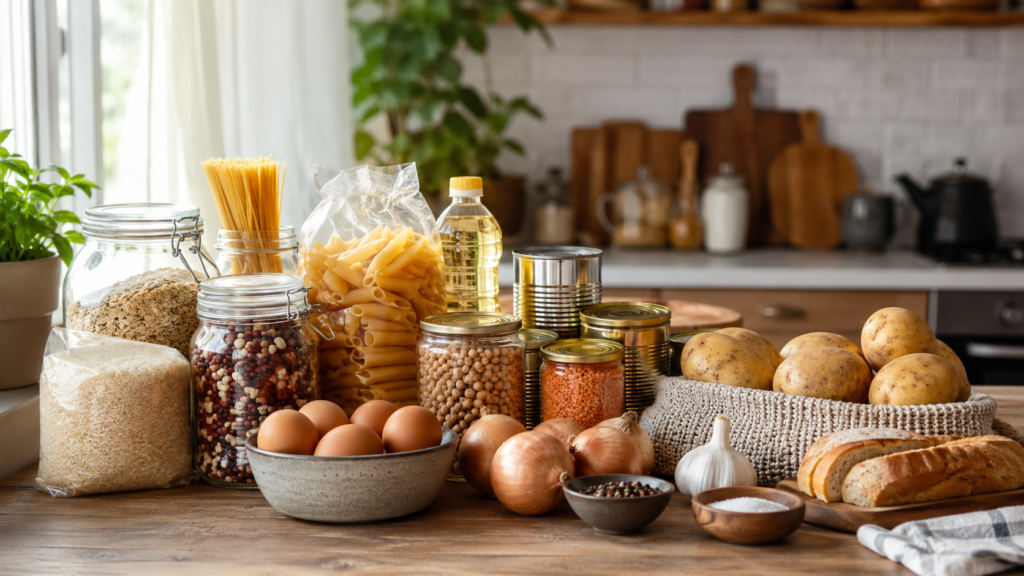
Budget-friendly meals use affordable staples like rice, beans, pasta, eggs, potatoes, canned tuna, frozen vegetables, oats, ground beef, chicken thighs, and homemade soup ingredients.
The goal is not to cook fancy food for less.
The goal is to build simple meals from ingredients that stretch, reheat well, and do not require a long grocery list.
AI-assisted. Human-reviewed. Kitchen-ready.
Key Takeaways
- This article provides budget-friendly meal ideas using affordable staples like rice, beans, and pasta.
- It emphasizes building meals that reuse ingredients, making grocery shopping more economical.
- Key recipes include rice and beans, vegetable stir-fry, and homemade soup, all designed for simplicity and flavor.
- The article offers tips for meal planning, avoiding beginner mistakes, and enhancing cheap meals with textures and flavors.
- Ultimately, the goal is to cook delicious meals without overspending by focusing on flexible, low-cost ingredients.
Why Budget-Friendly Meals Matter
Groceries can feel expensive fast, especially when every meal needs a different set of ingredients.
Budget-friendly cooking helps you repeat ingredients in different ways. A bag of rice can become rice and beans, fried rice, taco bowls, soup filler, or a simple side for leftovers.
That is the secret: buy flexible staples, not one-time ingredients.
Nutrition.gov also recommends meal planning and grocery shopping resources to help people stick to a budget and cook at home. USDA SNAP-Ed notes that planning meals is one of the best ways to save money and eat healthy meals.
Recommended body image placement:
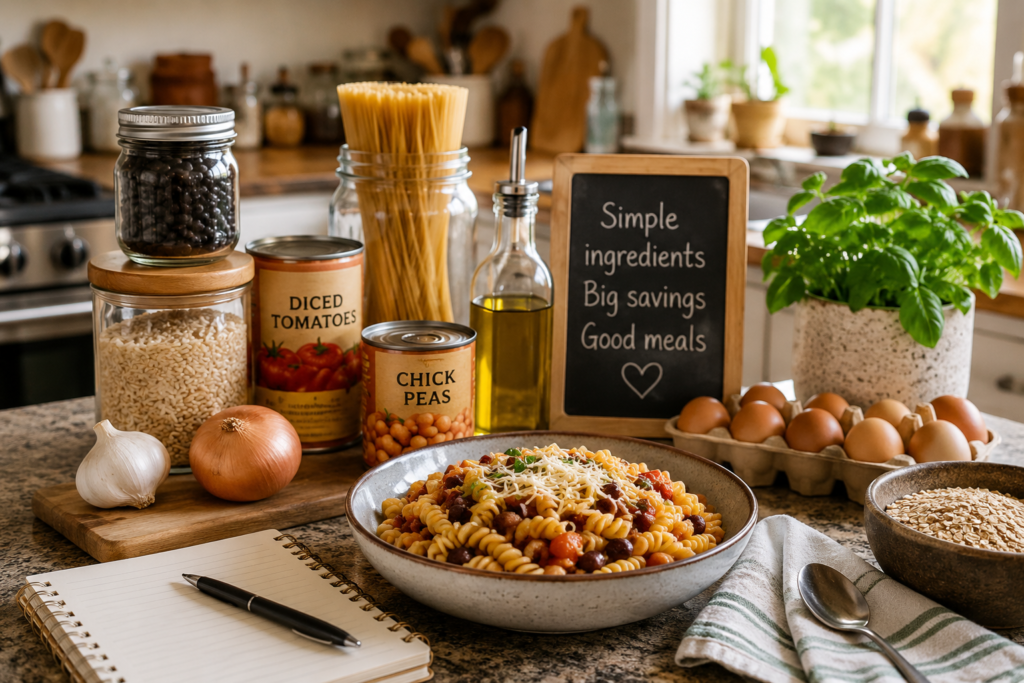
Place budget-pantry-meals-kitchen.webp after this section.
How to Build Cheap Meals That Still Taste Good
A cheap meal still needs balance.
A simple formula helps:
Base + protein + vegetable + flavor
Examples:
Rice + beans + frozen corn + salsa
Pasta + tuna + peas + garlic
Potatoes + eggs + onion + hot sauce
Oats + banana + peanut butter + cinnamon
Soup broth + vegetables + beans + pasta
Flavor matters. Garlic, onion, salt, pepper, chili powder, Italian seasoning, soy sauce, salsa, lemon juice, vinegar, and hot sauce can make low-cost meals taste more complete.
You do not need every seasoning. Start with a few you will actually use.
1. Rice and Beans
Rice and beans are one of the best budget meals because both ingredients are filling, affordable, and easy to store.
Use canned beans when you need speed. Use dried beans when you want the lowest cost and have time to cook them.
Make it taste better with onion, garlic, cumin, chili powder, salsa, lime juice, or a little shredded cheese.
Serve it as a bowl, wrap it in tortillas, or add a fried egg on top.
2. Vegetable Stir-Fry
A vegetable stir-fry is perfect when you have frozen vegetables, leftover rice, and a simple sauce.
Use frozen broccoli, peas, carrots, green beans, cabbage, or whatever is already in the freezer.
For sauce, mix soy sauce with garlic, a little sugar or honey, and a splash of vinegar or lime juice.
Serve over rice or noodles.
Add eggs, tofu, chicken, or leftover meat when you have it.
3. Homemade Soup
Homemade soup is one of the easiest ways to stretch small amounts of food.
Start with broth or bouillon, then add vegetables, beans, lentils, pasta, rice, potatoes, or leftover chicken.
Soup is forgiving. It does not need perfect chopping or exact ingredients.
Good budget soup ideas include vegetable soup, bean soup, chicken rice soup, lentil soup, potato soup, and tomato pasta soup.
Food safety note: If you save soup for later, cool and refrigerate leftovers promptly, and reheat leftovers thoroughly. For meals with chicken, ground meat, eggs, casseroles, or reheated leftovers, use a food thermometer when doneness matters and do not rely on time alone. Mistakenly Delicious uses USDA/FoodSafety.gov-style internal temperature guidance in its recipe standards, including 165°F for poultry and reheated leftovers, 160°F for ground meats and egg dishes, and 145°F for fish and whole cuts of meat.
4. Egg Fried Rice
Egg fried rice is a great cheap meal because it turns leftover rice into something that feels fresh.
Use cold cooked rice if possible. It fries better than hot, freshly cooked rice.
Add eggs, frozen peas and carrots, soy sauce, garlic, and green onions if you have them.
Try this related recipe: Easy Egg Fried Rice
5. Tuna Pasta
Tuna pasta is fast, cheap, and pantry-friendly.
Use pasta, canned tuna, a little olive oil or butter, garlic, black pepper, and frozen peas.
For a tomato version, add canned tomatoes or marinara sauce.
For a creamy version, add a little mayo, Greek yogurt, cream cheese, or evaporated milk.
This is a good “nothing planned” dinner because most of the ingredients can stay in the pantry.
6. Ground Beef and Rice Skillet
Ground beef can be budget-friendly when you stretch it with rice, beans, vegetables, or potatoes.
A ground beef and rice skillet can feed several people with one pan.
Brown the beef, drain excess grease if needed, then add rice, broth, canned tomatoes, seasonings, and vegetables.
Try this related recipe: Ground Beef and Rice Skillet
Food safety note: Ground beef should be cooked to 160°F. Use a food thermometer instead of judging doneness by color alone.
7. Potato and Egg Hash
Potatoes and eggs are simple, affordable, and filling.
Dice potatoes small so they cook faster. Cook them in a skillet with onion, oil, salt, and pepper.
Once the potatoes are tender, add eggs. You can scramble them in or cook them on top.
Add paprika, garlic powder, cheese, salsa, or hot sauce to make it feel more like a full meal.
This works for breakfast, lunch, or dinner.
8. Chicken Taco Rice Bowls
Chicken taco rice bowls are a smart way to stretch chicken.
Use chicken thighs if they are cheaper than breasts. Add rice, beans, corn, salsa, lettuce, cheese, or whatever toppings fit your budget.
This meal is especially useful for leftovers because every bowl can be slightly different.
Try this related recipe: Chicken Taco Rice Bowls
Food safety note: Chicken should reach 165°F in the thickest part. Cooking time can vary depending on the cut, size, thickness, and appliance.
9. One-Pot Tomato Pasta
One-pot tomato pasta is a beginner-friendly budget dinner because the pasta cooks right in the sauce.
Use pasta, canned tomatoes, broth or water, garlic, onion, Italian seasoning, and a little oil.
Add beans, spinach, tuna, sausage, or frozen vegetables if you want more protein or texture.
Try this related recipe: One-Pot Tomato Pasta
10. Oatmeal Breakfast Bowls
Oatmeal is not just cheap. It is flexible.
Make it sweet with banana, cinnamon, peanut butter, raisins, apples, or frozen berries.
Make it savory with an egg, cheese, green onions, and hot sauce.
A big container of oats can cover several breakfasts for less than many boxed cereals or grab-and-go meals.
Best Cheap Pantry Staples to Keep Around
Keep a small list of reliable staples instead of buying random sale items you do not know how to use.
Good budget pantry staples include:
Rice
Pasta
Dry or canned beans
Lentils
Oats
Potatoes
Canned tuna
Canned tomatoes
Broth or bouillon
Peanut butter
Eggs
Frozen vegetables
Flour tortillas
Onions
Garlic
Basic seasonings
Soy sauce
Salsa
Cooking oil
You do not need all of these at once. Pick the ones that match how you actually cook.
For more beginner-friendly kitchen help, visit Practical Cooking Tips for Home Cooks or browse the Beginner Cooking category.
Budget Meal Planning Tips
Start with what you already have.
Before shopping, check the pantry, fridge, and freezer. Build meals around ingredients that need to be used soon.
Choose two or three base ingredients for the week. For example: rice, eggs, and potatoes.
Then plan meals that overlap:
Rice and beans
Egg fried rice
Chicken taco rice bowls
Potato and egg hash
Vegetable soup
Tuna pasta
This keeps the grocery list shorter and reduces waste.
USDA’s budget eating guidance recommends taking time before shopping to plan meals, make a grocery list, and consider simple recipes like soups, stews, salads, and stir-fries to stretch ingredients.
Beginner Mistakes to Avoid
Do not buy too many “just in case” ingredients.
That is how food gets forgotten in the back of the fridge.
Do not plan seven totally different dinners for one week. That usually means a bigger grocery bill and more leftovers you may not use.
Do not ignore frozen vegetables. They are budget-friendly, already prepped, and easy to add to rice, pasta, soup, eggs, and stir-fries.
Do not cook meat, eggs, or leftovers by time alone. Times vary by appliance, pan size, ingredient size, and thickness.
Do not assume cheap meals have to be plain. A little sauce, seasoning, acid, crunch, or garnish can change the whole meal.
How to Make Cheap Meals Feel Better
Add texture.
A soft bowl of rice and beans feels better with crushed tortilla chips, chopped onions, lettuce, or a fried egg.
Add something bright.
Lime juice, lemon juice, vinegar, salsa, pickles, or hot sauce can make a basic meal taste less flat.
Add a small topping.
Cheese, green onions, herbs, toasted breadcrumbs, sesame seeds, or a spoonful of yogurt can make a simple meal feel more finished.
Use bowls.
Rice bowls, pasta bowls, taco bowls, and oatmeal bowls feel more intentional than “whatever was left.”
Repeat meals, but change the flavor.
Rice and beans can go taco-style one night, soup-style the next, and breakfast-style with an egg later in the week.
Helpful Tools for Budget Meals
This post may contain affiliate links. If you buy through these links, Mistakenly Delicious may earn a small commission at no extra cost to you.
These tools are optional, but they can make budget cooking easier:
Rice cooker: Helpful if rice is part of your weekly meal routine.
Large skillet: Good for fried rice, hashes, pasta skillets, and ground beef meals.
Meal prep containers: Useful for leftovers, lunches, and planned portions.
Soup pot: Helps with soups, stews, beans, and batch cooking.
Cutting board: Makes vegetable prep safer and easier.
Chef’s knife: A basic knife can make onions, potatoes, carrots, and chicken easier to prep.
Measuring cups: Helpful for rice, oats, pasta, and broth.
Storage containers: Useful for pantry staples and leftovers.
FAQ
What is the cheapest meal to make?
Rice and beans is usually one of the cheapest meals to make because both ingredients are affordable, filling, and easy to store. Oatmeal, pasta with canned tomatoes, potato hash, lentil soup, and egg fried rice are also strong budget choices.
How can I eat well on a small budget?
Build meals around low-cost staples like rice, beans, oats, potatoes, pasta, eggs, lentils, canned fish, frozen vegetables, and homemade soup ingredients. Plan meals before shopping, reuse ingredients in more than one dish, and keep seasonings simple.
Are rice and beans a complete meal?
Rice and beans can be a very filling meal, especially when you add vegetables, salsa, eggs, cheese, or another topping. They are also a smart base for bowls, burritos, soups, and leftovers.
What cheap foods should beginners keep at home?
Beginners should keep rice, pasta, beans, oats, potatoes, eggs, canned tomatoes, canned tuna, frozen vegetables, broth or bouillon, onions, garlic, oil, and a few basic seasonings. Start small and buy what you will actually use.
How do I make budget meals less boring?
Use simple flavor boosters like garlic, onion, chili powder, cumin, Italian seasoning, soy sauce, salsa, lemon juice, vinegar, hot sauce, and fresh herbs when available. You can also add crunch, toppings, or a sauce to make the same basic ingredients feel different.
Helpful Recipe Resources
Trusted Food, Cooking, and Recipe References
Mistakenly Delicious uses AI-assisted workflows, but useful recipes still need common sense, food safety checks, and reliable cooking references. These resources can help with ingredients, nutrition, safe temperatures, and the AI workflow behind this site.
Ingredient Data
USDA FoodData Central
A useful reference for checking ingredient and nutrition data when reviewing recipes.
Visit Resource →Cooking Help
Nutrition.gov Cooking Tips
Beginner-friendly guidance for meal prep, cooking basics, shopping, and planning.
Visit Resource →Food Safety
Safe Cooking Temperatures
A helpful food safety chart for checking safe internal temperatures for chicken, meat, seafood, and leftovers.
Visit Resource →Creator Workflow
TechnofluxAI
The AI workflow and creator systems site behind Mistakenly Delicious.
Visit TechnofluxAI →About Mistakenly Delicious
AI-Assisted Recipes for Real-Life Kitchens
Mistakenly Delicious creates beginner-friendly recipes, ingredient swaps, kitchen tips, and easy meal ideas with help from AI-assisted workflows. Every post is designed to be practical, readable, and useful for real home cooks.
Recipes may be created with AI assistance, but they should always be reviewed for ingredient logic, cooking times, food safety notes, substitutions, and real-world usefulness before publishing.