Beginner-Friendly Recipe
Creative Ingredient Swaps
Learn how to make creative ingredient swaps in your recipes to save money and reduce waste. Get cooking smarter!
Estimated reading time: 1 minute
Mistakenly Smart Note
AI helped shape this kitchen guide, but the final post is written for real-life cooking: practical swaps, simple explanations, and beginner-friendly tips you can actually use when dinner is already in progress.
Quick Answer
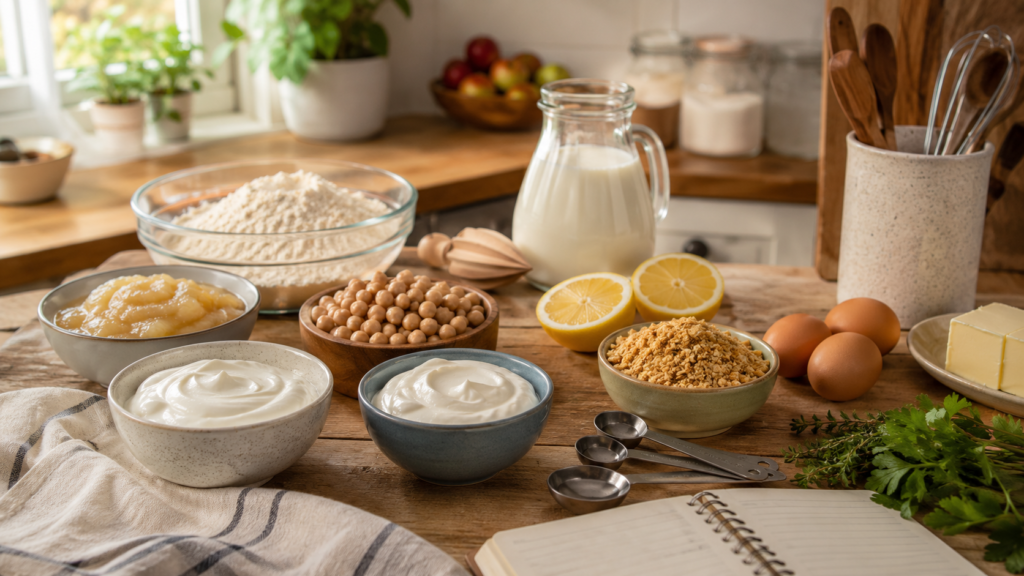
Creative ingredient swaps are simple replacements you can use when you run out of an ingredient or want a different option. Common swaps include Greek yogurt for sour cream, applesauce for part of the oil in some baked goods, chickpeas for meat in certain meals, mashed banana for eggs in some baking recipes, and milk with vinegar or lemon juice for buttermilk.
Why Ingredient Swaps Matter
Sometimes cooking does not go according to plan.
You start a recipe, reach into the fridge, and realize you are out of sour cream. Or eggs. butter. Or breadcrumbs.
That does not always mean dinner is ruined.
Ingredient swaps help you keep going. They also teach you how food works. Once you understand what an ingredient does, it becomes easier to replace it.
Some ingredients add moisture. While Some add fat. Some help food rise. Some add flavor, texture, or protein.
The best swap depends on the job.
That is the key.
1. Greek Yogurt for Sour Cream
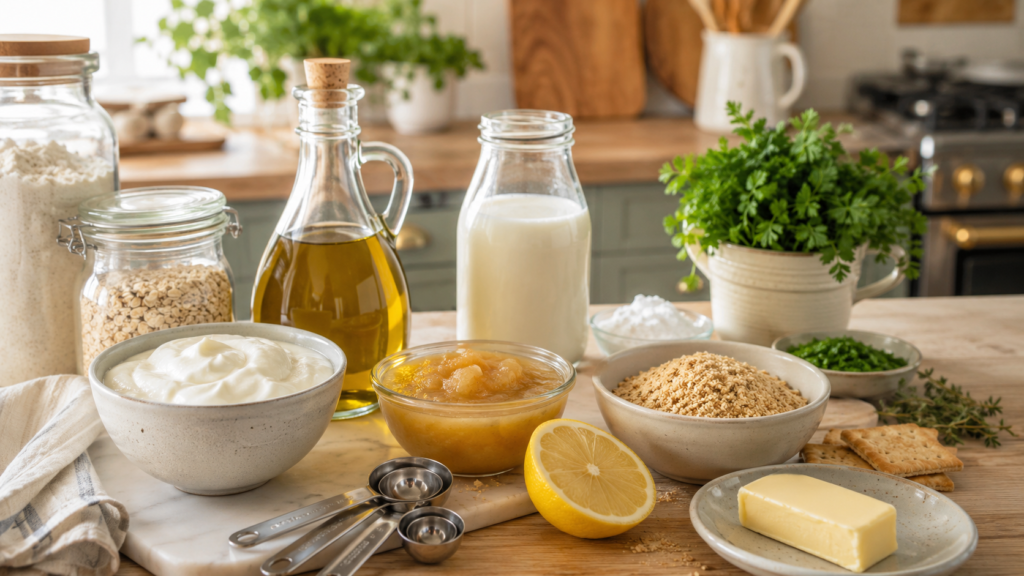
Greek yogurt is one of the easiest swaps for sour cream.
It has a similar thick texture and tangy flavor. It also works well in tacos, baked potatoes, dips, dressings, casseroles, and some baked goods.
Use plain Greek yogurt, not flavored yogurt.
Best for:
Tacos
Chili
Dips
Dressings
Baked potatoes
Creamy sauces
Casseroles
How to swap:
Use the same amount of plain Greek yogurt as sour cream.
Beginner tip:
If the recipe is hot, stir Greek yogurt in at the end over low heat. High heat can make it separate.
2. Applesauce for Oil in Baked Goods
Applesauce can replace some of the oil in muffins, quick breads, cakes, and brownies.
It adds moisture and can reduce the amount of fat in the recipe.
This works best in soft baked goods, not crispy recipes.
Best for:
Muffins
Banana bread
Quick breads
Snack cakes
Brownies
How to swap:
Replace up to half the oil with unsweetened applesauce.
Example:
If a recipe calls for 1/2 cup oil, try 1/4 cup oil and 1/4 cup applesauce.
Beginner tip:
Do not replace all the oil the first time. Fat helps with texture, so a partial swap usually works better.
3. Chickpeas for Meat
Chickpeas can work as a plant-based protein swap in bowls, salads, wraps, soups, and some skillet meals.
They do not taste like meat, but they add texture, protein, and heartiness.
Best for:
Rice bowls
Wraps
Salads
Soups
Curry-style meals
Taco bowls
Pasta salads
How to swap:
Use drained and rinsed canned chickpeas in place of some or all of the meat.
Beginner tip:
Season chickpeas well. They need salt, spices, sauce, or dressing to taste their best.
4. Mashed Banana for Eggs in Baking
Mashed banana can replace eggs in some baked goods.
It adds moisture and helps hold ingredients together. It also adds banana flavor, so use it when that flavor makes sense.
Best for:
Muffins
Pancakes
Quick breads
Brownies
Soft cookies
How to swap:
Use 1/4 cup mashed banana for 1 egg.
Beginner tip:
This swap works better in soft recipes. It is not ideal for recipes where eggs are needed for structure, like meringue, custard, or sponge cake.
5. Milk and Vinegar for Buttermilk
If a recipe calls for buttermilk and you do not have any, you can make a quick substitute.
Mix milk with vinegar or lemon juice and let it sit for a few minutes.
Best for:
Pancakes
Biscuits
Muffins
Quick breads
Fried chicken marinades
How to swap:
For 1 cup buttermilk, use 1 cup milk plus 1 tablespoon vinegar or lemon juice. Let it sit for about 5 minutes.
Beginner tip:
The milk may look slightly curdled. That is normal.
6. Butter and Oil Swaps
Butter and oil both add fat, but they do not act exactly the same.
While Butter adds flavor and some water. Oil adds moisture and softness.
Best butter substitutes:
Oil
Margarine
Coconut oil
Shortening
Greek yogurt in some baking recipes
Best oil substitutes:
Melted butter
Applesauce in some baked goods
Mashed banana in some recipes
How to swap:
For cooking, you can often use oil instead of butter.
For baking, be more careful. Butter affects flavor, texture, and structure.
Beginner tip:
In cookies, butter matters a lot. Swapping it can change how the cookies spread.
7. Breadcrumb Swaps
Breadcrumbs add crunch, structure, and binding.
If you are out of breadcrumbs, you may have another option in the pantry.
Good swaps:
Crushed crackers
Crushed cornflakes
Rolled oats
Panko
Crushed pretzels
Crushed tortilla chips
Crushed stuffing mix
Best for:
Meatballs
Meatloaf
Casserole toppings
Chicken coating
Baked mac and cheese topping
How to swap:
Use the same amount of crushed crackers or panko as breadcrumbs.
Beginner tip:
If your swap is salty, reduce other salt in the recipe.
8. Milk Swaps
Milk adds liquid, moisture, and sometimes richness.
The best milk swap depends on the recipe.
Good swaps:
Half-and-half
Evaporated milk
Unsweetened almond milk
Oat milk
Soy milk
Water plus a little butter in some recipes
Best for:
Pancakes
Muffins
Sauces
Soups
Mashed potatoes
Baking
How to swap:
Use the same amount for most recipes.
Beginner tip:
Use unsweetened milk alternatives for savory recipes. Vanilla almond milk in mashed potatoes is not the move.
9. Cream Swaps
Heavy cream adds richness and thickness.
If you are out of cream, you can still make many recipes work.
Good swaps:
Half-and-half
Milk plus butter
Evaporated milk
Cream cheese thinned with milk
Greek yogurt in some sauces
Best for:
Pasta sauces
Soups
Casseroles
Mashed potatoes
Coffee-style desserts
How to swap:
For 1 cup heavy cream, use 3/4 cup milk plus 1/4 cup melted butter for some cooking recipes.
Beginner tip:
Greek yogurt and cream cheese should be added over lower heat to prevent curdling or clumping.
10. Egg Swaps for Cooking and Baking
Eggs are tricky because they do different jobs.
In baking, they help bind, add moisture, and build structure. In cooking, they may be the main protein.
Good baking egg swaps:
Mashed banana
Applesauce
Ground flaxseed mixed with water
Yogurt
Good cooking egg swaps:
Tofu scramble
Chickpea flour batter
Extra vegetables and cheese in casseroles
Best for:
Muffins
Pancakes
Quick breads
Soft cookies
Breakfast scrambles
How to swap:
For 1 egg in baking, try 1/4 cup applesauce or mashed banana.
Beginner tip:
Egg swaps work best in recipes that only need one or two eggs. Recipes with many eggs usually need the real thing.
11. Lemon Juice for Vinegar
Lemon juice and vinegar both add acid.
Acid brightens flavor and balances richness.
Best for:
Salad dressing
Marinades
Sauces
Slaws
Soups
Fish or chicken dishes
How to swap:
Use the same amount of lemon juice as vinegar in many recipes.
Beginner tip:
Lemon has a fresher citrus flavor. Vinegar is sharper. Taste and adjust.
12. Cornstarch for Flour as a Thickener
Cornstarch can thicken sauces, gravies, and stir-fry sauces.
It creates a glossy finish and works quickly.
Best for:
Stir-fry sauce
Gravy
Fruit pie filling
Sauces
Soups
How to swap:
Use about half as much cornstarch as flour when thickening.
Beginner tip:
Mix cornstarch with cold water first to make a slurry. Do not dump dry cornstarch straight into hot liquid or it can clump.
13. Crushed Tomatoes for Tomato Sauce
If you are out of tomato sauce, crushed tomatoes can often work.
They are thicker and chunkier, so the texture may be different.
Best for:
Pasta sauce
Chili
Soups
Casseroles
Skillet meals
How to swap:
Use the same amount, then simmer longer if you want a smoother, thicker sauce.
Beginner tip:
Blend crushed tomatoes if you need a smooth sauce.
14. Rice Swaps
If you are out of rice, you still have options.
Good swaps:
Quinoa
Couscous
Orzo
Cauliflower rice
Small pasta
Farro
Best for:
Bowls
Skillet meals
Soups
Side dishes
Meal prep
How to swap:
Use a cooked grain or pasta in a similar amount.
Beginner tip:
Cooking times vary. Do not assume quinoa, rice, and pasta cook the same way.
15. Pasta Swaps
Pasta is easy to replace in many casual meals.
Good swaps:
Rice
Orzo
Egg noodles
Zucchini noodles
Spaghetti squash
Couscous
Gnocchi
Best for:
Pasta bowls
Casseroles
Soups
Skillet dinners
Saucy meals
Beginner tip:
Match the swap to the sauce. Thick sauces work better with sturdy options like rice, gnocchi, or short pasta.
How to Choose the Right Ingredient Swap
Before you swap, ask one question:
What is this ingredient doing?
Is it adding moisture?
adding fat?
adding flavor?
helping the recipe rise?
holding everything together?
the main protein?
Once you know the job, the swap becomes easier.
For example, sour cream adds tang and creaminess. Greek yogurt can do that.
Oil adds moisture and fat. Applesauce adds moisture, but not much fat. That is why a partial swap works better.
Meat adds protein and texture. Chickpeas can help with both, but they need seasoning.
Ingredient swaps are not magic. They are small adjustments.
Best Swaps for Beginners
If you are new to cooking, start with the safest swaps.
Easy beginner swaps:
Greek yogurt for sour cream
Milk and vinegar for buttermilk
Crackers for breadcrumbs
Lemon juice for vinegar
Half-and-half for cream
Chickpeas for meat in bowls
Applesauce for part of the oil in muffins
These swaps are forgiving and useful.
Swaps to Be Careful With
Some ingredients are harder to replace.
Be careful swapping:
Eggs in recipes that use several eggs
Butter in cookies
Yeast in bread
Flour in baking
Sugar in candy recipes
Cream in high-heat sauces
These ingredients can affect structure, rise, texture, and food safety.
When in doubt, use a tested recipe made for that swap.
Beginner Mistakes to Avoid
Do not replace every ingredient at once.
And Do not assume all swaps work in all recipes.
Do not use sweetened ingredients in savory food unless you want sweetness.
And Do not skip tasting.
Do not use old pantry items and expect great flavor.
And Do not forget texture.
One swap is usually fine. Five swaps can turn into a kitchen mystery.
Storage and Food Safety Notes
Ingredient swaps do not remove normal food safety rules.
Keep dairy-based foods refrigerated.
Store cooked leftovers in airtight containers.
Use clean utensils when handling sauces, yogurt, and spreads.
Refrigerate leftovers within 2 hours.
If something smells off, looks moldy, or has been stored too long, do not try to “fix” it with a swap.
Recipe Card Note
This post works best as a kitchen guide, not a full recipe. If you want to include a printable card, use it for one practical swap, such as homemade buttermilk or a quick Greek yogurt sour cream substitute.
FAQ
What is the best substitute for sour cream?
Plain Greek yogurt is one of the best sour cream substitutes because it has a similar tangy flavor and thick texture.
Can I use applesauce instead of oil?
Yes, in some baked goods. For best texture, replace only half the oil with unsweetened applesauce the first time.
Can chickpeas replace meat?
Chickpeas can replace meat in bowls, salads, wraps, soups, and some skillet meals. They add protein and texture but should be well seasoned.
What can I use if I do not have buttermilk?
Mix 1 cup milk with 1 tablespoon vinegar or lemon juice. Let it sit for about 5 minutes before using.
Can I replace eggs in every recipe?
No. Egg swaps work best in simple baked goods that only need one or two eggs. Recipes that depend heavily on eggs may not work well with substitutes.
Helpful Recipe Resources
Trusted Food, Cooking, and Recipe References
Mistakenly Delicious uses AI-assisted workflows, but useful recipes still need common sense, food safety checks, and reliable cooking references. These resources can help with ingredients, nutrition, safe temperatures, and the AI workflow behind this site.
Ingredient Data
USDA FoodData Central
A useful reference for checking ingredient and nutrition data when reviewing recipes.
Visit Resource →Cooking Help
Nutrition.gov Cooking Tips
Beginner-friendly guidance for meal prep, cooking basics, shopping, and planning.
Visit Resource →Food Safety
Safe Cooking Temperatures
A helpful food safety chart for checking safe internal temperatures for chicken, meat, seafood, and leftovers.
Visit Resource →Creator Workflow
TechnofluxAI
The AI workflow and creator systems site behind Mistakenly Delicious.
Visit TechnofluxAI →About Mistakenly Delicious
AI-Assisted Recipes for Real-Life Kitchens
Mistakenly Delicious creates beginner-friendly recipes, ingredient swaps, kitchen tips, and easy meal ideas with help from AI-assisted workflows. Every post is designed to be practical, readable, and useful for real home cooks.
Recipes may be created with AI assistance, but they should always be reviewed for ingredient logic, cooking times, food safety notes, substitutions, and real-world usefulness before publishing.