Beginner-Friendly Recipe
Canned Chicken Recipes for Beginners
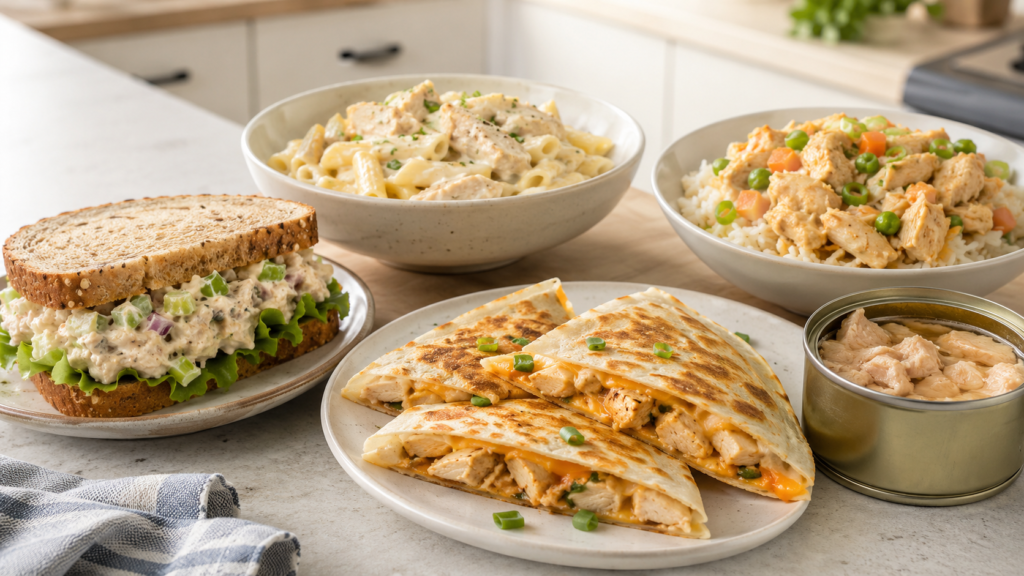
Mistakenly Smart Note: Canned chicken tastes better when you treat it like a base, not the whole recipe. Drain it well, season it, and pair it with something creamy, crunchy, cheesy, or saucy. That is how you turn a plain can of chicken into an actual meal.
Quick Answer
How to Use Canned Chicken in Easy Meals
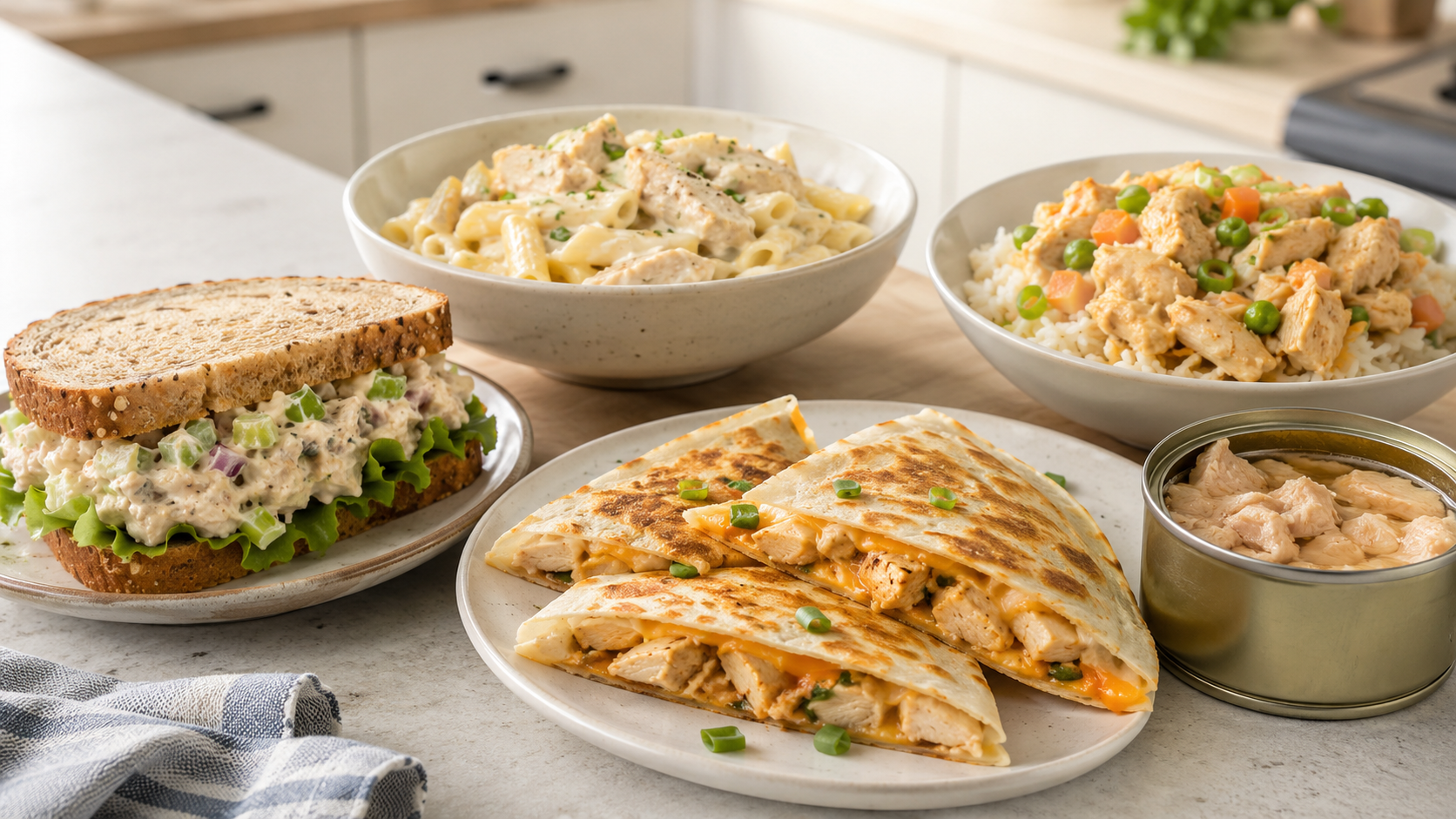
Canned chicken recipes for beginners are easy because canned chicken is already cooked, shelf-stable before opening, and simple to mix into fast meals like chicken salad, quesadillas, pasta, rice bowls, wraps, soups, and casseroles.
The best beginner move is to drain the canned chicken well, break it up with a fork, and add flavor with simple ingredients like mayo, ranch, salsa, cheese, pasta sauce, taco seasoning, lemon juice, or hot sauce.
Ingredients Overview
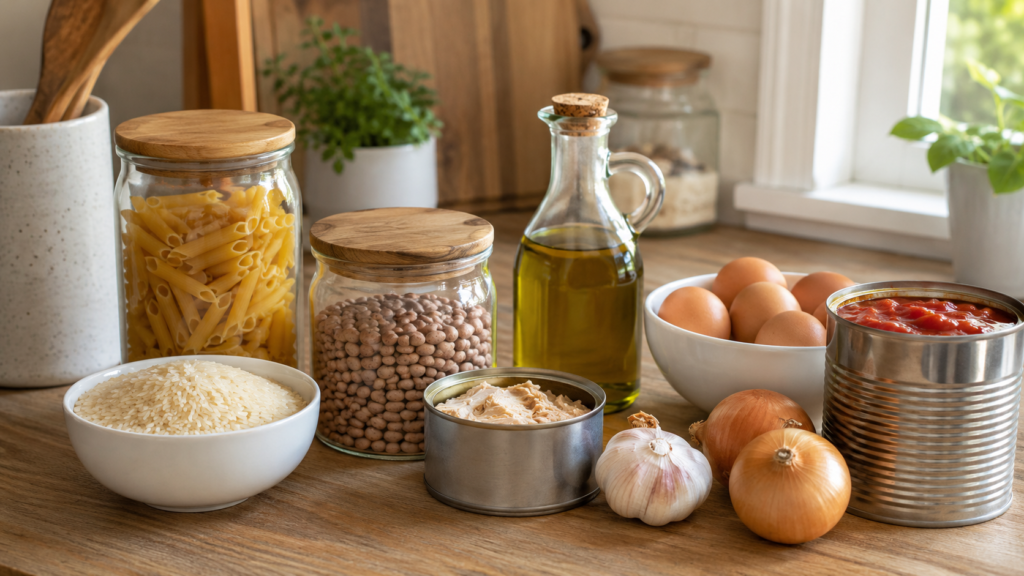
For these beginner canned chicken recipes, you’ll use canned chicken with simple pantry and fridge add-ins like mayonnaise, tortillas, shredded cheese, pasta, salsa, rice, vegetables, and seasonings. The full measurements for each recipe are inside the recipe cards below.
Need help planning these meals? Use the printable shopping list to organize your ingredients before you cook.
Why Canned Chicken Works for Beginner Cooks
Canned chicken is forgiving. You do not have to start with raw chicken, trim meat, or use a separate cutting board for raw poultry.
That makes it useful for new cooks, college students, busy parents, meal prep beginners, and anyone who wants a quick lunch or dinner without starting from scratch.
It also works well when your fridge is almost empty. If you have canned chicken, tortillas, pasta, rice, bread, cheese, or a bag of salad, you can probably make something simple and filling.
Tips Before You Start
Drain canned chicken well: Extra liquid can make chicken salad, pasta, wraps, and quesadillas watery.
Break it up with a fork: Smaller pieces mix more evenly with sauce, seasoning, cheese, or pasta.
Taste before adding salt: Some canned chicken is already salty, so season lightly at first.
Use sauce or seasoning: Plain canned chicken can taste flat without mayo, salsa, barbecue sauce, taco seasoning, garlic powder, lemon juice, or hot sauce.
Warm it gently: Since canned chicken is already cooked, warm recipes only need to be heated through.
For more simple kitchen help, link to Easy Pantry Meals, Beginner Dinner Recipes, or Budget-Friendly Dinners once those pages are available.
5 Easy Canned Chicken Recipes for Beginners
1. Easy Canned Chicken Salad
This is the best starting recipe if you are new to canned chicken. It works in sandwiches, wraps, lettuce cups, crackers, or meal prep containers.
The basic idea is to mix drained canned chicken with a creamy binder, a little crunch, and simple seasonings. Serve it with bread, crackers, tortillas, croissants, or lettuce leaves.
2. Canned Chicken Quesadillas
This is one of the easiest warm canned chicken meals. Mix drained canned chicken with taco seasoning and salsa, then add it to a tortilla with shredded cheese.
Cook the quesadilla in a skillet until the tortilla is golden and the cheese melts. Serve it with salsa, sour cream, guacamole, or shredded lettuce.
3. Creamy Canned Chicken Pasta
This is a fast pantry dinner made with pasta, canned chicken, a creamy sauce base, parmesan, and simple seasonings.
It is filling, flexible, and easy to stretch with frozen peas, spinach, broccoli, or corn.
4. Canned Chicken Rice Bowl
This is a flexible lunch or dinner bowl. Start with cooked rice, then add seasoned canned chicken, corn, beans, salsa, cheese, lettuce, and avocado if you have it.
It feels more complete than a sandwich but still takes very little effort. Serve it with tortilla chips, lime wedges, hot sauce, or chopped cilantro.
5. BBQ Canned Chicken Sandwiches
For a very simple meal, mix drained canned chicken with barbecue sauce, warm it in a skillet, and serve it on buns.
Add pickles, coleslaw, or shredded cheese if you want more texture. Serve with chips, coleslaw, potato salad, or roasted vegetables.
Easy Flavor Combos
For sandwiches: Mayo, mustard, celery, black pepper, and lemon juice.
Then For Mexican-inspired meals: Salsa, taco seasoning, shredded cheese, lime juice, and sour cream.
And For pasta: Garlic powder, cream cheese, Alfredo sauce, parmesan, and peas.
For BBQ meals: Barbecue sauce, pickles, coleslaw, and shredded cheddar.
rice bowls: Rice, beans, corn, salsa, cheese, avocado, and hot sauce.
How These Recipes Come Together
Start by draining the canned chicken well and breaking it apart with a fork. From there, mix it with a sauce, seasoning, or creamy ingredient depending on the meal you want to make. Use it cold for chicken salad, warm it gently for quesadillas and pasta, or add it to bowls, wraps, sandwiches, and quick dinners. The exact amounts and full step-by-step methods are in the recipe cards below.
Easy Canned Chicken Salad
Method
- Instructions/Method
- Drain the canned chicken well.
- Add the chicken to a mixing bowl and break it apart with a fork.
- Add the mayonnaise, mustard, celery, onion if using, lemon juice, garlic powder, black pepper, and a small pinch of salt.
- Stir until everything is evenly combined.
- Taste and adjust with more mayo, mustard, lemon juice, salt, or pepper if needed.
- Serve right away with bread, crackers, tortillas, or lettuce leaves, or chill until ready to eat.
- Notes
- Drain the canned chicken well so the chicken salad does not turn watery.
- Start with a small amount of salt because canned chicken can already be salty.
- Store leftovers in an airtight container in the refrigerator.
- Food safety note: Refrigerate prepared chicken salad and opened canned chicken in covered containers. Do not leave chicken salad out for more than 2 hours.
Notes
Reserved pasta water helps loosen the sauce without making it watery.
Add peas, spinach, broccoli, or corn if you want vegetables in the pasta.
Food safety note: Refrigerate leftovers in a covered container. Reheat leftover pasta until hot, and reheat leftovers to 165°F when applicable. Timing can vary depending on microwave strength, stovetop heat, portion size, and sauce thickness.
Nutrition note: Nutrition is an estimate and can vary depending on the exact ingredients, brands, portion size, and cooking method used. Nutrition Leave blank unless calculated and verified. Shopping List Support Ingredients are listed one per line so WP Recipe Maker can support shopping list features.
Tried this recipe?
Let us know how it was!Nutrition Information Disclaimer
Nutrition information is provided as an estimate only and may vary based on the ingredients, brands, portion sizes, substitutions, and preparation methods used. Optional toppings and serving suggestions may not be included in the calculation. For the most accurate information, calculate nutrition using the specific ingredients and amounts you use.
Allergy notice: Always check ingredient labels and avoid substitutions that may introduce allergens. This recipe has not been verified as allergen-free.
Canned Chicken Quesadillas
Method
- Do not overfill the quesadillas or they may be hard to flip.
- Use medium heat so the tortilla gets crisp while the cheese melts.
- Canned chicken is already cooked, so the goal is to heat it through and melt the cheese.
- Food safety note: Refrigerate leftovers in a covered container. Reheat leftover quesadillas or filling until hot, and reheat leftovers to 165°F when applicable. Timing can vary by skillet heat, microwave strength, and quesadilla thickness.
- Nutrition note: Nutrition is an estimate and can vary depending on the exact ingredients, brands, portion size, and cooking method used.
Notes
Use medium heat so the tortilla gets crisp while the cheese melts.
Canned chicken is already cooked, so the goal is to heat it through and melt the cheese.
Food safety note: Refrigerate leftovers in a covered container. Reheat leftover quesadillas or filling until hot, and reheat leftovers to 165°F when applicable. Timing can vary by skillet heat, microwave strength, and quesadilla thickness.
Nutrition note: Nutrition is an estimate and can vary depending on the exact ingredients, brands, portion size, and cooking method used.
Tried this recipe?
Let us know how it was!Nutrition Information Disclaimer
Nutrition information is provided as an estimate only and may vary based on the ingredients, brands, portion sizes, substitutions, and preparation methods used. Optional toppings and serving suggestions may not be included in the calculation. For the most accurate information, calculate nutrition using the specific ingredients and amounts you use.
Allergy notice: Always check ingredient labels and avoid substitutions that may introduce allergens. This recipe has not been verified as allergen-free.
Creamy Canned Chicken Pasta
Method
- Instructions/Method
- Cook the pasta according to the package directions. Before draining, save 1/2 cup of pasta water.
- Drain the pasta and set it aside.
- Add the butter to a skillet over medium-low heat.
- Add the drained canned chicken and garlic powder. Stir gently and heat for 2 to 3 minutes.
- Add the cream cheese and a splash of reserved pasta water. Stir until the cream cheese melts into a sauce.
- Add the cooked pasta, parmesan cheese, peas if using, black pepper, and a small pinch of salt.
- Stir until the pasta is coated. Add more pasta water if the sauce is too thick.
- Taste and adjust seasoning before serving.
Notes
Reserved pasta water helps loosen the sauce without making it watery.
Add peas, spinach, broccoli, or corn if you want vegetables in the pasta.
Food safety note: Refrigerate leftovers in a covered container. Reheat leftover pasta until hot, and reheat leftovers to 165°F when applicable. Timing can vary depending on microwave strength, stovetop heat, portion size, and sauce thickness.
Nutrition note: Nutrition is an estimate and can vary depending on the exact ingredients, brands, portion size, and cooking method used.
Tried this recipe?
Let us know how it was!Nutrition Information Disclaimer
Nutrition information is provided as an estimate only and may vary based on the ingredients, brands, portion sizes, substitutions, and preparation methods used. Optional toppings and serving suggestions may not be included in the calculation. For the most accurate information, calculate nutrition using the specific ingredients and amounts you use.
Allergy notice: Always check ingredient labels and avoid substitutions that may introduce allergens. This recipe has not been verified as allergen-free.