Beginner-Friendly Recipe
Best Ingredient Swaps for Beginner Cooks
Estimated reading time: 11 minutes
Mistakenly Smart Note
Quick Summary
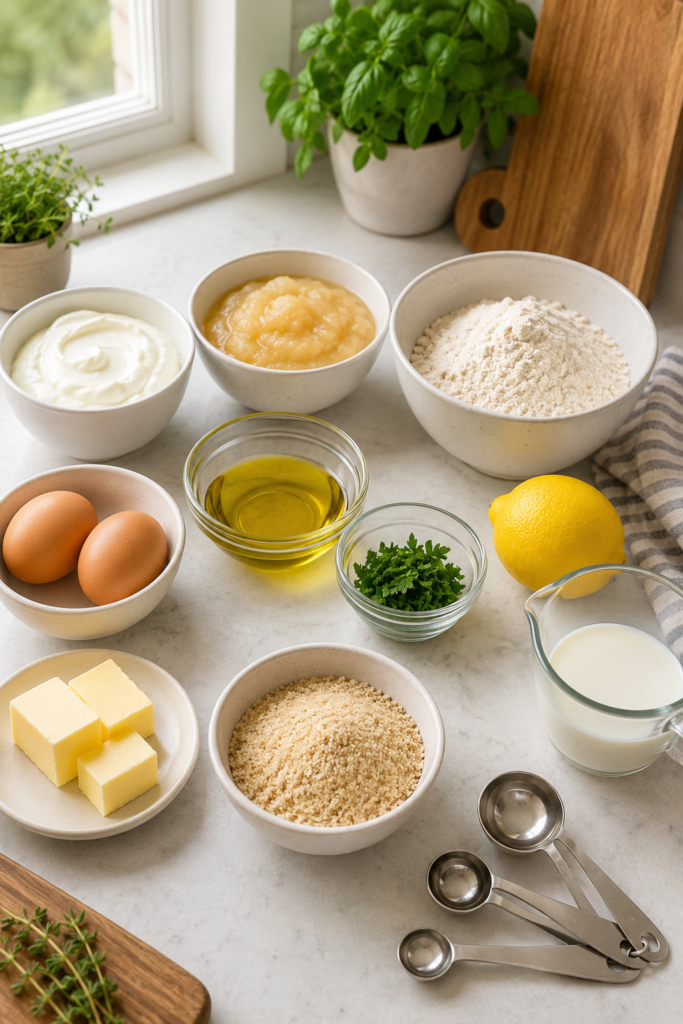
Ingredient swaps are simple substitutes you can use when you are missing something, cooking for a different preference, or trying to make a recipe work with what you already have. Beginner cooks do not need a huge pantry to keep cooking. A few basic swaps, like Greek yogurt for sour cream, applesauce for oil in some baked goods, or breadcrumbs for crushed crackers, can save a recipe without making it complicated.
Table of contents
- Quick Summary
- Quick Answer
- Why This Matters
- Simple Explanation
- Practical Tips
- 1. Dairy Swaps
- 2. Butter and Oil Swaps
- 3. Egg Swaps
- 4. Flour and Thickener Swaps
- 5. Sugar and Sweetener Swaps
- 6. Acid and Brightness Swaps
- 7. Herb Swaps
- 8. Spice Swaps
- 9. Broth and Stock Swaps
- 10. Tomato Swaps
- 11. Breadcrumb Swaps
- 12. Rice and Pasta Swaps
- Common Mistakes
- Best Uses
- FAQ
- Final Notes
- Internal Links
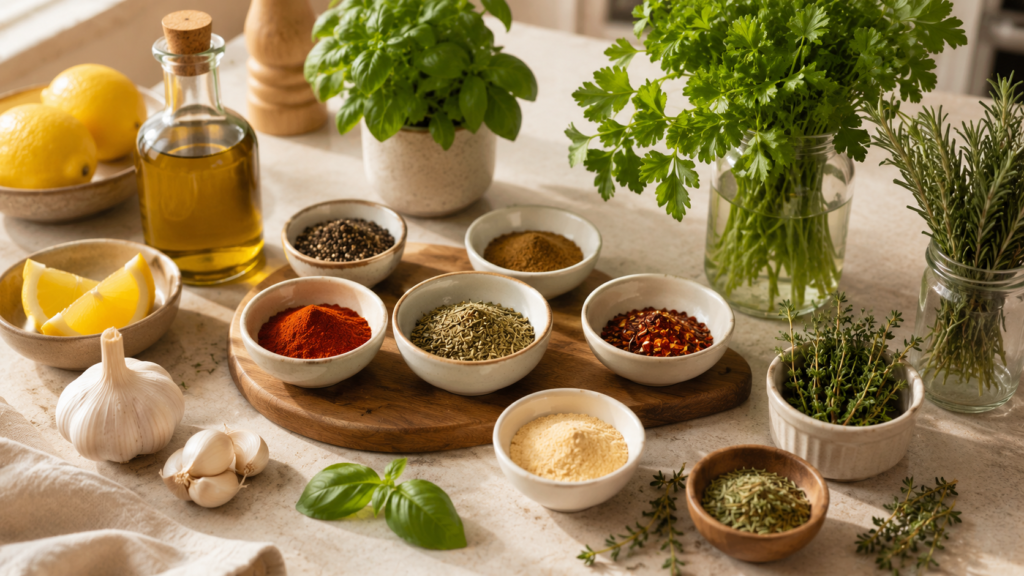
This guide covers easy ingredient swaps for beginner cooks, including common substitutes for dairy, eggs, butter, oil, flour, breadcrumbs, herbs, and seasonings. Use these swaps as practical starting points, then check the recipe texture, flavor, and cooking time before serving.
Quick Answer
The best ingredient swaps for beginner cooks are simple, common substitutes that keep the recipe close to the original. Use Greek yogurt or sour cream for creamy ingredients, applesauce or mashed banana for some baking moisture, olive oil or melted butter for cooking fats, lemon juice or vinegar for brightness, and dried herbs when you do not have fresh herbs.
The key is knowing when a swap works and when it might change the texture, flavor, or cooking time.
Why This Matters
Every beginner cook has this moment:
You start making dinner, open the fridge, and realize you are missing one ingredient.
That does not always mean you need to abandon the recipe or order takeout. A good ingredient swap can help you finish the meal with what you already have.
The trick is using swaps that make sense. Some ingredients are flexible. Others do important jobs in a recipe, especially in baking. This guide keeps things practical so you can make easy substitutions without accidentally turning dinner into a science project.
Simple Explanation
Ingredient swaps usually work best when the substitute has a similar job.
Some ingredients add:
- Moisture
- Fat
- Sweetness
- Saltiness
- Acidity
- Creaminess
- Structure
- Flavor
For example, sour cream can often replace Greek yogurt because both are creamy and tangy. But lemon juice cannot replace flour because they do completely different jobs.
For beginner cooks, the safest swaps are the ones that match the original ingredient’s purpose.
Practical Tips
1. Dairy Swaps
Milk
Use these when a recipe calls for milk:
Good swaps:
- Half-and-half diluted with a little water
- Evaporated milk diluted with water
- Unsweetened almond milk
- Unsweetened oat milk
- Unsweetened soy milk
Best for: pancakes, muffins, sauces, soups, boxed mixes, casseroles
Beginner note: Use unsweetened non-dairy milk for savory recipes. Vanilla almond milk in mac and cheese is a kitchen surprise nobody asked for.
Heavy Cream
Use these when you need creaminess:
Good swaps:
- Half-and-half
- Whole milk plus a little butter
- Evaporated milk
- Cream cheese thinned with milk
- Full-fat coconut milk for some soups and curries
Best for: creamy pasta, soups, sauces, casseroles
Texture note: Milk will make sauces thinner than heavy cream. Simmer gently to thicken, or add a little cream cheese for body.
Sour Cream
Good swaps:
- Plain Greek yogurt
- Plain regular yogurt
- Cream cheese thinned with milk
- Buttermilk in dressings or batters
Best for: dips, baked potatoes, quick breads, tacos, sauces
Beginner note: Greek yogurt is one of the easiest sour cream swaps because it has a similar tangy flavor.
2. Butter and Oil Swaps
Butter
Good swaps:
- Olive oil for sautéing
- Vegetable oil for baking
- Coconut oil for some desserts
- Margarine or plant-based butter
- Applesauce for part of the butter in some muffins or quick breads
Best for: sautéing, roasting, baking, simple sauces
Important note: Butter adds flavor and structure. In cookies and pastries, swapping it can change how much the recipe spreads or how tender it is.
Vegetable Oil
Good swaps:
- Canola oil
- Avocado oil
- Light olive oil
- Melted butter
- Melted coconut oil
Best for: baking, skillet meals, marinades, roasting
Beginner note: Extra virgin olive oil has a stronger flavor, so use it when that flavor fits the recipe.
3. Egg Swaps
Eggs can be tricky because they help bind, add moisture, and give structure.
For Baking
For 1 egg, try:
- 1/4 cup unsweetened applesauce
- 1/4 cup mashed banana
- 1 tablespoon ground flaxseed mixed with 3 tablespoons water
- 1/4 cup plain yogurt
Best for: muffins, pancakes, quick breads, brownies
Texture note: These swaps can make baked goods softer, denser, or more moist. They are usually better for casual baking than delicate cakes.
For Binding
Use these when eggs hold ingredients together:
- Flax egg
- Mashed potatoes
- Breadcrumbs plus a little milk
- Oats in meatballs or veggie patties
Best for: veggie burgers, meatballs, fritters, patties
Beginner note: For recipes where eggs are the main ingredient, like scrambled eggs or omelets, these swaps will not work the same way.
4. Flour and Thickener Swaps
All-Purpose Flour
Good swaps:
- Whole wheat flour for part of the flour
- Self-rising flour, if you adjust leavening
- Gluten-free 1:1 baking flour, if labeled as a cup-for-cup substitute
- Cornstarch for thickening sauces, not for replacing flour in most baking
Best for: baking, sauces, breading, pancakes
Beginner note: Do not swap flour types randomly in baking. Flour affects structure, moisture, and texture.
Cornstarch
Good swaps:
- All-purpose flour
- Arrowroot powder
- Potato starch
Best for: sauces, gravy, stir-fry sauce, fruit fillings
Simple thickening swap:
Use about 2 tablespoons flour for every 1 tablespoon cornstarch when thickening sauces.
5. Sugar and Sweetener Swaps
White Sugar
Good swaps:
- Brown sugar
- Coconut sugar
- Honey
- Maple syrup
- Powdered sugar in some frostings or simple desserts
Best for: baking, sauces, oatmeal, marinades
Important note: Liquid sweeteners like honey and maple syrup add moisture, so they can change baking texture.
Brown Sugar
Good swaps:
- White sugar plus a little molasses
- Coconut sugar
- White sugar, in a pinch
Best for: cookies, muffins, sauces, oatmeal
Flavor note: Brown sugar adds moisture and a light caramel flavor. White sugar will taste cleaner and may make baked goods slightly drier or crispier.
6. Acid and Brightness Swaps
Acid makes food taste brighter and more balanced.
Lemon Juice
Good swaps:
- Lime juice
- White vinegar
- Apple cider vinegar
- Rice vinegar
- Bottled lemon juice in cooked recipes
Best for: marinades, dressings, sauces, soups, seafood, chicken
Vinegar
Good swaps:
- Lemon juice
- Lime juice
- Apple cider vinegar
- White wine vinegar
- Rice vinegar
Best for: salad dressing, slaws, marinades, quick pickles
Beginner note: Use a small amount first. You can always add more, but you cannot easily remove too much vinegar.
7. Herb Swaps
Fresh and dried herbs can usually trade places, but dried herbs are stronger.
Fresh Herbs to Dried Herbs
Use this simple rule:
1 tablespoon fresh herbs = 1 teaspoon dried herbs
Good beginner swaps:
- Fresh parsley → dried parsley
- Fresh basil → dried basil
- Fresh oregano → dried oregano
- Fresh thyme → dried thyme
- Fresh dill → dried dill
Best for: soups, pasta, sauces, chicken, vegetables, casseroles
Flavor note: Add dried herbs earlier in cooking so they have time to soften and release flavor. Add fresh herbs near the end for a brighter taste.
8. Spice Swaps
Spices are often flexible, especially in easy dinners.
Paprika
Good swaps:
- Smoked paprika
- Chili powder
- A tiny pinch of cayenne plus a mild spice
- Cumin for a warmer, earthier flavor
Best for: chicken, potatoes, roasted vegetables, rice bowls
Garlic Powder
Good swaps:
- Fresh garlic
- Garlic salt, but reduce other salt
- Onion powder
- Minced jarred garlic
Simple swap:
Use about 1/4 teaspoon garlic powder for 1 fresh garlic clove.
Onion Powder
Good swaps:
- Garlic powder
- Minced fresh onion
- Dried minced onion
- Shallot
Best for: sauces, meatballs, chicken, potatoes, soups
9. Broth and Stock Swaps
Chicken Broth
Good swaps:
- Vegetable broth
- Beef broth, if the stronger flavor fits
- Bouillon mixed with water
- Water plus seasonings
- Milk or cream in creamy soups, depending on the recipe
Best for: soups, rice, casseroles, sauces, one-pot meals
Beginner note: Broth adds salt and flavor. If you use water instead, taste before serving and add seasoning as needed.
10. Tomato Swaps
Tomato Sauce
Good swaps:
- Crushed tomatoes
- Tomato puree
- Tomato paste plus water
- Marinara sauce
- Diced tomatoes blended smooth
Best for: pasta, casseroles, soups, skillet meals
Tomato Paste
Good swaps:
- Tomato sauce simmered down
- Ketchup in tiny amounts for some casual recipes
- Marinara sauce, if the recipe can handle extra seasoning
Beginner note: Tomato paste is concentrated, so watery tomato sauce will not taste as rich unless you simmer it.
11. Breadcrumb Swaps
Breadcrumbs
Good swaps:
- Crushed crackers
- Panko
- Rolled oats
- Crushed cornflakes
- Crushed pretzels
- Crushed tortilla chips
Best for: meatballs, meatloaf, crispy toppings, breading chicken
Texture note: Crackers and pretzels add salt, so reduce added salt if needed.
12. Rice and Pasta Swaps
Rice
Good swaps:
- Quinoa
- Couscous
- Cauliflower rice
- Orzo
- Small pasta
- Cooked potatoes, depending on the meal
Best for: bowls, skillet meals, soups, sides
Cooking note: These do not cook at the same speed, so follow the cooking time for the ingredient you are using.
Pasta
Good swaps:
- Rice
- Egg noodles
- Gnocchi
- Tortellini
- Zucchini noodles
- Chickpea pasta
Best for: soups, casseroles, skillet dinners, simple sauces
Beginner note: Pasta swaps can change how much sauce you need. Add sauce gradually and adjust.
Common Mistakes
Swapping too many ingredients at once
One swap is usually fine. Five swaps can turn the recipe into something completely different.
Ignoring texture
A liquid ingredient cannot always replace a dry one. A low-fat ingredient may not behave like a high-fat ingredient.
Using sweetened ingredients in savory recipes
Sweetened yogurt, vanilla almond milk, or flavored creamers can ruin a savory dinner fast.
Forgetting salt levels
Broth, crackers, bouillon, cheese, soy sauce, and garlic salt can all add salt. Taste before adding more.
Treating baking like stovetop cooking
Baking is less flexible than soups, skillet meals, and casseroles. Be careful with flour, eggs, sugar, butter, and leavening swaps.
Not checking labels
For gluten-free, dairy-free, nut-free, or allergy-sensitive swaps, always check labels. Similar products can have very different ingredients.
Best Uses
These ingredient swaps are especially helpful for:
- Beginner cooks learning how recipes work
- Budget meals using what is already in the pantry
- Quick dinners when one ingredient is missing
- Simple baking emergencies
- Reducing food waste
- Making flexible weeknight meals
- Adjusting recipes for taste or availability
FAQ
What is the easiest ingredient swap for beginner cooks?
The easiest swap is usually plain Greek yogurt for sour cream. They have a similar creamy texture and tangy flavor, so the swap works well in dips, toppings, sauces, and some baked goods.
Can I swap fresh herbs for dried herbs?
Yes. Use 1 teaspoon dried herbs for every 1 tablespoon fresh herbs. Dried herbs are stronger, so you need less.
Can I use water instead of broth?
Yes, but the recipe may taste less flavorful. Add extra seasoning, garlic, onion powder, herbs, or a small amount of bouillon if you have it.
Can I use oil instead of butter?
Usually, yes for cooking and some baking. For sautéing and roasting, oil works well. In cookies, pie crusts, and pastries, butter affects texture, so the result may change.
What can I use instead of eggs in baking?
For many simple baked goods, use 1/4 cup applesauce, 1/4 cup mashed banana, or 1 tablespoon ground flaxseed mixed with 3 tablespoons water for each egg. These work best in muffins, pancakes, brownies, and quick breads.
Are ingredient swaps always safe?
Most basic ingredient swaps are safe, but food safety still matters. Cook meat, poultry, seafood, and eggs to safe temperatures, refrigerate leftovers within 2 hours, and avoid cross-contamination.
What should I not substitute?
Be careful with baking powder, baking soda, yeast, flour, eggs, and large amounts of sugar in baking. These ingredients affect structure and rise, so random swaps can cause flat, dense, or dry results.
Final Notes
The best ingredient swaps for beginner cooks are the ones that keep the recipe simple. Start with one swap, match the ingredient’s purpose, and taste as you go when possible.
For beginner-friendly cooking, flexible recipes like soups, skillet dinners, pasta, rice bowls, casseroles, and sheet pan meals are more forgiving than delicate baking recipes.
When in doubt, choose the swap that is closest in texture, flavor, and function.
Internal Links
- Easy Dinners:
/category/easy-dinners/ - Budget Meals:
/category/budget-meals/ - Kitchen Tips:
/category/kitchen-tips/ - Air Fryer Recipes:
/category/air-fryer-recipes/ - AI Kitchen Experiments:
/category/ai-kitchen-experiments/
About Mistakenly Delicious
AI-Assisted Recipes for Real-Life Kitchens
Mistakenly Delicious creates beginner-friendly recipes, ingredient swaps, kitchen tips, and easy meal ideas with help from AI-assisted workflows. Every post is designed to be practical, readable, and useful for real home cooks.
Recipes may be created with AI assistance, but they should always be reviewed for ingredient logic, cooking times, food safety notes, substitutions, and real-world usefulness before publishing.
Helpful Recipe Resources
Trusted Food, Cooking, and Recipe References
Mistakenly Delicious uses AI-assisted workflows, but useful recipes still need common sense, food safety checks, and reliable cooking references. These resources can help with ingredients, nutrition, safe temperatures, and the AI workflow behind this site.
Ingredient Data
USDA FoodData Central
A useful reference for checking ingredient and nutrition data when reviewing recipes.
Visit Resource →Cooking Help
Nutrition.gov Cooking Tips
Beginner-friendly guidance for meal prep, cooking basics, shopping, and planning.
Visit Resource →Food Safety
Safe Cooking Temperatures
A helpful food safety chart for checking safe internal temperatures for chicken, meat, seafood, and leftovers.
Visit Resource →Creator Workflow
TechnofluxAI
The AI workflow and creator systems site behind Mistakenly Delicious.
Visit TechnofluxAI →