Beginner-Friendly Recipe
Kitchen Experiments That Work
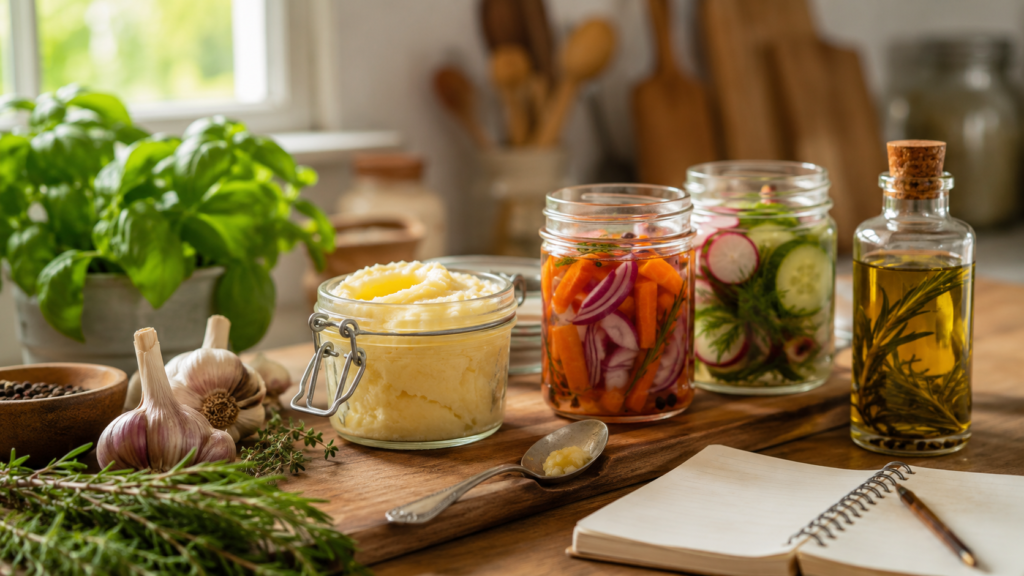
Try these fun kitchen experiments that are not only educational but also yield delicious results. Perfect for curious cooks!
Estimated reading time: 9 minutes
Mistakenly Smart Note
AI helped shape this kitchen guide, but the final post is written for real-life cooking: simple ideas, practical safety notes, and beginner-friendly steps you can actually use at home. This is a guide for building cooking confidence, not a promise that every kitchen experiment should be stored or preserved the same way.
WordPress Excerpt:
These kitchen experiments that work are simple, beginner-friendly food projects you can try at home. Learn how homemade butter, quick pickled vegetables, infused oils, and other small kitchen experiments can build cooking confidence.
Quick Answer
Kitchen experiments that work are simple food projects that help you learn how ingredients change when you shake, heat, mix, chill, season, or preserve them. Easy examples include homemade butter, quick pickled vegetables, flavored oils, roasted garlic, simple salad dressings, homemade croutons, flavored butter, and freezer herb cubes.
Key Takeaways
- Kitchen experiments that work are simple and beginner-friendly food projects, helping build cooking confidence.
- Homemade butter, quick pickled vegetables, infused oils, and roasted garlic are examples of fun and educational experiments.
- These projects not only enhance cooking skills but also teach essential concepts like texture, balance, and flavor changes.
- Safety is crucial; quick pickles and infused oils should be refrigerated and consumed quickly to avoid risks.
- Start with one experiment per week to build skills and knowledge over time.
Why Kitchen Experiments Are Worth Trying
Cooking gets easier when you stop treating every recipe like a test you can fail.
Some of the best kitchen skills come from small experiments. You shake cream and suddenly understand butter. You add vinegar to vegetables and learn how acid changes flavor. mix oil with herbs and see how simple ingredients can turn into something that feels special.
These little projects are fun, but they also teach useful cooking habits. You learn texture. learn timing. learn what salt, fat, acid, and heat actually do.
That is the real win.
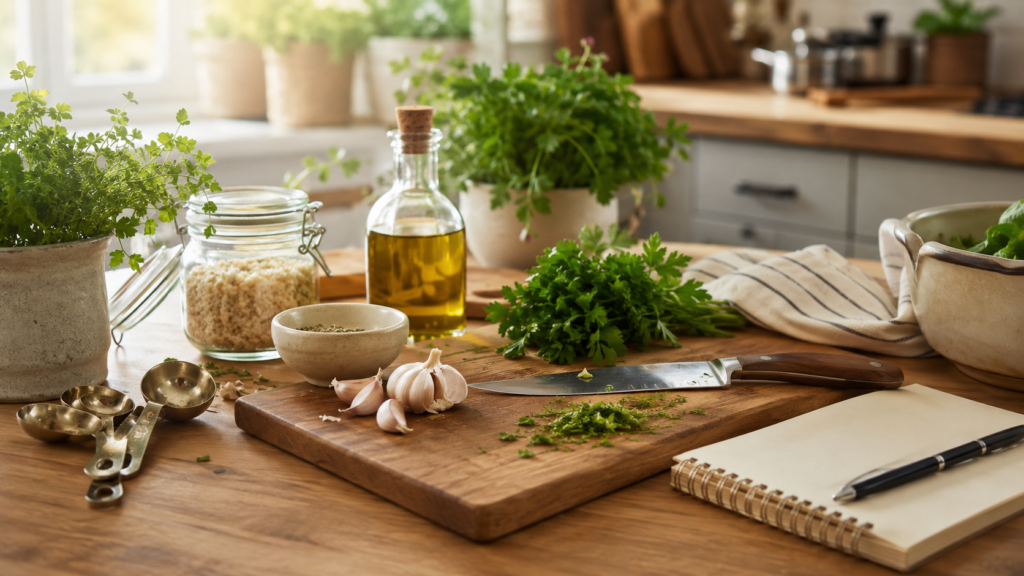
1. Homemade Butter
Homemade butter is one of the easiest kitchen experiments because it feels almost impossible until it works.
You start with heavy cream. Then you shake it in a jar or whip it with a mixer. First it turns into whipped cream. Then it thickens more. Eventually, the fat separates from the liquid.
That fat becomes butter. The leftover liquid is buttermilk.
This experiment teaches you how cream changes when air and movement are added. It also gives you something useful at the end.
What to try:
Use cold heavy cream, shake it in a sealed jar, drain the liquid, rinse the butter gently, then mix in a pinch of salt.
Easy flavor ideas:
Honey butter, garlic herb butter, cinnamon sugar butter, or lemon parsley butter.
Best use:
Spread it on toast, melt it over vegetables, or use it on warm dinner rolls.
2. Quick Pickled Vegetables
Quick pickling is one of the best beginner food experiments because it shows how vinegar, salt, and sugar change vegetables fast.
You do not need canning equipment for quick pickles. You only need sliced vegetables, vinegar, water, salt, sugar, and a clean jar.
Cucumbers are the classic choice, but carrots, onions, radishes, and jalapeños also work well.
What to try:
Slice vegetables thin, pour warm vinegar brine over them, let them cool, then refrigerate.
Easy flavor ideas:
Garlic, dill, peppercorns, red pepper flakes, or mustard seeds.
Best use:
Add quick pickles to sandwiches, tacos, burgers, rice bowls, salads, or snack plates.
Important note:
Quick pickles are refrigerator pickles. They are not shelf-stable canned pickles. Keep them refrigerated and use clean jars.
3. Infused Oils
Infused oils can make simple meals taste more finished.
This experiment teaches how fat carries flavor. Garlic, herbs, chili flakes, lemon zest, and spices can all add flavor to oil.
The safest beginner version is a small-batch infused oil that you make and use quickly.
What to try:
Warm olive oil gently with dried herbs or spices, let it cool, then strain and refrigerate.
Easy flavor ideas:
Chili oil, rosemary oil, garlic oil, or lemon herb oil.
Best use:
Drizzle over pasta, roasted vegetables, bread, eggs, soup, or grilled chicken.
Safety note:
Fresh garlic and herbs stored in oil can create food safety risks if handled poorly. The National Center for Home Food Preservation says garlic-in-oil should be made fresh, stored at 40°F or lower, and used within 4 days; the CDC also recommends refrigerating homemade garlic or herb oils and discarding unused portions after 4 days.
4. Roasted Garlic
Roasted garlic is a low-effort experiment with a big payoff.
Raw garlic is sharp and strong. Roasted garlic becomes soft, sweet, and spreadable.
This teaches one of the best beginner cooking lessons: heat can completely change flavor.
What to try:
Cut the top off a garlic bulb, drizzle with oil, wrap loosely in foil, and roast until soft.
Best use:
Mix roasted garlic into butter, mashed potatoes, pasta, salad dressing, soups, or toast spreads.
Beginner tip:
Let it cool before squeezing the cloves out. Hot garlic can burn your fingers.
5. Homemade Salad Dressing
Store-bought dressing is easy, but homemade dressing teaches balance.
Most simple dressings use fat, acid, salt, and seasoning. That means oil, vinegar or lemon juice, salt, and whatever flavors you like.
A basic starting point is three parts oil to one part acid. From there, you can adjust.
What to try:
Shake olive oil, vinegar, mustard, honey, salt, and pepper in a jar.
Easy flavor ideas:
Honey mustard dressing, lemon garlic dressing, balsamic vinaigrette, or creamy yogurt dressing.
Best use:
Use it on salads, roasted vegetables, grain bowls, chicken, or sandwiches.
What this teaches:
If food tastes flat, it may need acid. A squeeze of lemon or splash of vinegar can wake up the whole dish.
6. Homemade Croutons
Homemade croutons are perfect for using up stale bread.
They also teach how texture changes with heat and fat.
Bread cubes become crisp, golden, and flavorful when tossed with oil or butter and baked.
What to try:
Cut bread into cubes, toss with olive oil, garlic powder, salt, and Italian seasoning, then bake until crisp.
Best use:
Add croutons to salad, soup, pasta bowls, or snack boards.
Beginner tip:
Watch them near the end. Croutons can go from golden to too dark quickly.
7. Flavored Butter
Flavored butter is one of the easiest ways to make basic food taste better.
This is different from making butter from cream. Here, you start with softened butter and mix in flavor.
What to try:
Mix softened butter with herbs, garlic, honey, cinnamon, lemon zest, or Parmesan.
Easy flavor ideas:
Garlic parsley butter, honey cinnamon butter, lemon dill butter, or Parmesan herb butter.
Best use:
Use on bread, corn, potatoes, pasta, steak, chicken, or vegetables.
8. Simple Freezer Herb Cubes
Fresh herbs often go bad before you use them.
Herb cubes are a practical kitchen experiment because they help reduce waste.
What to try:
Chop herbs, place them in an ice cube tray, cover with olive oil or water, and freeze.
Best use:
Add frozen herb cubes to soups, sauces, skillet meals, pasta, and roasted vegetables.
Good herbs to try:
Parsley, basil, cilantro, dill, or chives.
Beginner tip:
Label the tray or freezer bag. Frozen green cubes all start looking the same later.
What These Experiments Teach You
These small kitchen projects are not just cute ideas. They teach real cooking skills.
Homemade butter teaches texture and separation.
Quick pickles teach acid and refrigerator storage.
Infused oils teach how fat carries flavor.
Roasted garlic teaches how heat changes sharp ingredients.
Salad dressing teaches balance.
Croutons teach crisping and waste reduction.
Herb cubes teach planning ahead.
Once you understand those ideas, regular cooking gets easier.
Common Mistakes to Avoid
Do Not
Do not store quick pickles at room temperature.
assume refrigerator pickles are shelf-stable canned pickles.
overheat infused oils. Gentle heat is enough.
store fresh garlic in oil at room temperature.
forget to label homemade items.
make huge batches the first time.
assume every kitchen experiment is safe for long-term storage.
Start small. Taste often. Keep notes. That is how you get better.
Simple Kitchen Experiment Plan for Beginners
Try one experiment per week.
Week 1: Make homemade butter.
2nd Week : Make quick pickled onions.
3rd Week : Make homemade salad dressing.
4th Week : Roast garlic.
5th Week : Make croutons.
6th Week : Freeze herb cubes.
By the end, you will understand more about flavor than you would from just following recipes.
Food Safety Note
Some kitchen experiments are meant for immediate use or refrigerator storage, not pantry storage. Quick pickles should be kept in the refrigerator unless you are following a tested canning recipe. Homemade oils with garlic or herbs should also be refrigerated and used quickly because garlic and herbs in oil can create botulism risk when handled or stored incorrectly. The National Center for Home Food Preservation provides research-based home preservation guidance, and FoodSafety.gov recommends refrigerating foods promptly because bacteria grow fastest between 40°F and 140°F.
FAQ
Are kitchen experiments hard?
No. The best kitchen experiments are simple, low-pressure projects that teach one skill at a time.
What is the easiest kitchen experiment?
Homemade butter is one of the easiest because you only need heavy cream, a jar, and a little patience.
Are quick pickles the same as canned pickles?
No. Quick pickles are stored in the refrigerator and eaten within a shorter time. They are not shelf-stable canned pickles.
Can kids help with kitchen experiments?
Yes, with adult supervision. Shaking cream for butter, mixing dressing, and seasoning croutons are good beginner-friendly tasks.
What should I try first?
Start with homemade butter or quick pickled vegetables. Both are simple, useful, and easy to understand.
Helpful Recipe Resources
Trusted Food, Cooking, and Recipe References
Mistakenly Delicious uses AI-assisted workflows, but useful recipes still need common sense, food safety checks, and reliable cooking references. These resources can help with ingredients, nutrition, safe temperatures, and the AI workflow behind this site.
Ingredient Data
USDA FoodData Central
A useful reference for checking ingredient and nutrition data when reviewing recipes.
Visit Resource →Cooking Help
Nutrition.gov Cooking Tips
Beginner-friendly guidance for meal prep, cooking basics, shopping, and planning.
Visit Resource →Food Safety
Safe Cooking Temperatures
A helpful food safety chart for checking safe internal temperatures for chicken, meat, seafood, and leftovers.
Visit Resource →Creator Workflow
TechnofluxAI
The AI workflow and creator systems site behind Mistakenly Delicious.
Visit TechnofluxAI →About Mistakenly Delicious
AI-Assisted Recipes for Real-Life Kitchens
Mistakenly Delicious creates beginner-friendly recipes, ingredient swaps, kitchen tips, and easy meal ideas with help from AI-assisted workflows. Every post is designed to be practical, readable, and useful for real home cooks.
Recipes may be created with AI assistance, but they should always be reviewed for ingredient logic, cooking times, food safety notes, substitutions, and real-world usefulness before publishing.