Beginner-Friendly Recipe
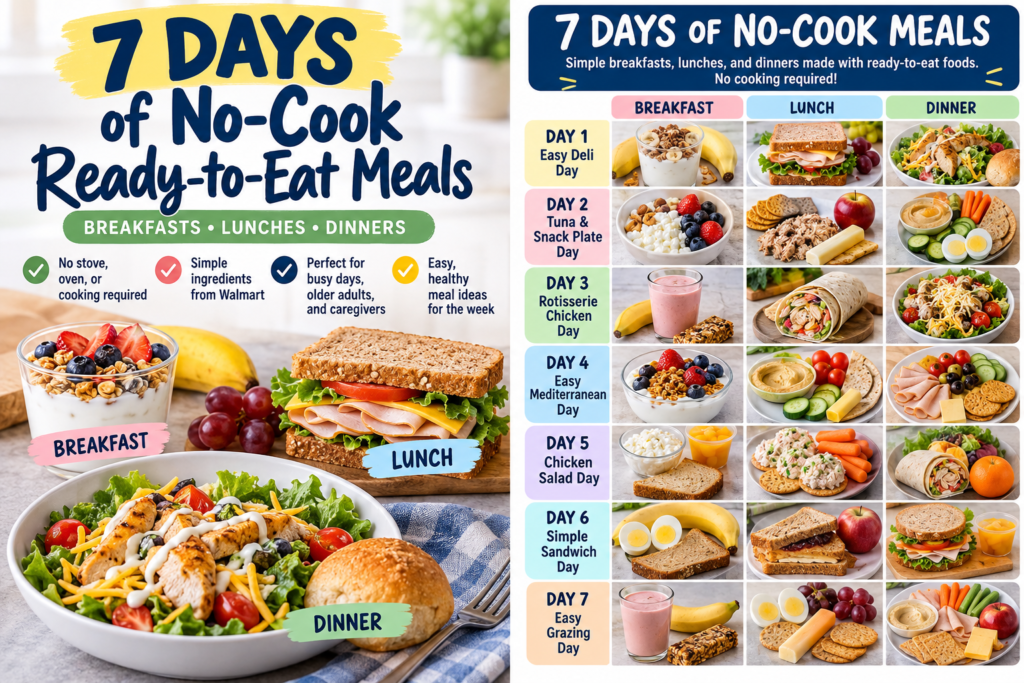
7 days of cook free meals ready to eat
Mistakenly Delicious Kitchen Picks
Helpful Kitchen Tools for Easier Cooking
These beginner-friendly guides and kitchen picks can make cooking, baking, food-safety checks, and meal prep easier.
Affiliate disclosure: This section contains Amazon affiliate links. As an Amazon Associate, I earn from qualifying purchases at no additional cost to you.
Essential Kitchen Tools for Beginner Cooks
Start with practical everyday tools instead of filling your kitchen with gadgets you may rarely use.

Best Affordable Meat Thermometers
Check chicken, burgers, roasts, and other foods without guessing whether the center is fully cooked.

Best Baking Dishes for Casseroles
Compare dependable baking dishes for casseroles, rice bakes, biscuit bakes, desserts, and family meals.

Best Air Fryers for Beginner Cooks
Find a beginner-friendly air fryer for crispy foods, quick dinners, reheating leftovers, and smaller meals.
Best Food Storage Containers for Meal Prep
Store leftovers, lunches, freezer meals, and weekly meal-prep portions more neatly.

Featured Kitchen Pick
Explore another practical kitchen pick that can make everyday cooking and food preparation easier.
Some weeks call for meals that are as simple as opening the refrigerator, assembling a plate, and eating. This 7-day no-cook meal plan uses ready-to-eat grocery foods to create easy breakfasts, lunches, and dinners without a stove or oven.
The plan is designed for one person and focuses on familiar foods such as Greek yogurt, deli turkey, rotisserie chicken, hummus, fruit, cheese, whole-grain bread, crackers, and pre-washed vegetables. It can be useful for busy households, caregivers, older adults who prefer simpler meal preparation, hot-weather days, temporary kitchen disruptions, or anyone who wants less cooking and cleanup.
Mistakenly Smart Note: Convenience foods do not have to mean eating the same thing every day. A few ready-to-eat proteins, fresh fruits and vegetables, whole grains, and easy dairy options can be mixed and matched into a full week of simple meals.
Quick Answer
You can make a full week of breakfasts, lunches, and dinners without cooking by combining ready-to-eat proteins with fruits, vegetables, whole grains, and convenient dairy foods. This meal plan uses foods such as yogurt, cottage cheese, prepared chicken, deli turkey, hard-boiled eggs, tuna pouches, hummus, fruit, bagged salads, bread, tortillas, and crackers.
Most meals take about 5 to 10 minutes to assemble, and many require little more than opening packages and placing the food on a plate.
What You Will Need for the Week
The complete quantities for each meal are included in the recipe card below, but the week’s groceries fall into a few simple groups.
Ready-to-Eat Proteins
Deli turkey or chicken, fully cooked chicken strips, prepared rotisserie chicken, tuna pouches, prepared chicken salad, fully cooked hard-boiled eggs, protein shakes, and hummus provide the foundation for most lunches and dinners.
Dairy and Refrigerated Foods
Greek yogurt, cottage cheese, sliced cheese, cheese sticks, and shredded cheese add easy options for breakfasts, snacks, and simple meal plates.
Fresh Produce
Bananas, apples, oranges, grapes, berries, carrots, cucumbers, cherry tomatoes, bagged salad, broccoli slaw, and coleslaw mix add variety without requiring complicated preparation.
Bread and Grains
Whole-grain bread, tortillas, pita, crackers, granola, granola bars, and dinner rolls make it easy to turn the refrigerated ingredients into sandwiches, wraps, snack plates, and simple breakfasts.
Easy Pantry Extras
Peanut butter, fruit spread, mustard, mayonnaise, salad dressing, ranch dressing, nuts, and olives add flavor without additional cooking.
Shopping tip: Use the shopping-list feature attached to the recipe card to organize the ingredients for your grocery trip. Larger packages can often be used across several meals during the week.
Why This No-Cook Meal Plan Works
It keeps preparation simple. Most meals only require assembling, spreading, slicing, or opening a package.
Ingredients repeat strategically. Foods such as bread, crackers, grapes, cucumbers, cheese, deli turkey, and rotisserie chicken appear in more than one meal, which can help reduce the number of different groceries needed.
The meals are flexible. You do not have to follow Day 1 through Day 7 in order. Breakfasts, lunches, and dinners can be rearranged depending on appetite and what needs to be used first.
It works well for one person. Many of the foods are available in individual portions or can be divided into smaller containers after shopping.
There is no reheating required. Every meal is intended to be eaten cold or at a safe serving temperature according to the individual product directions.
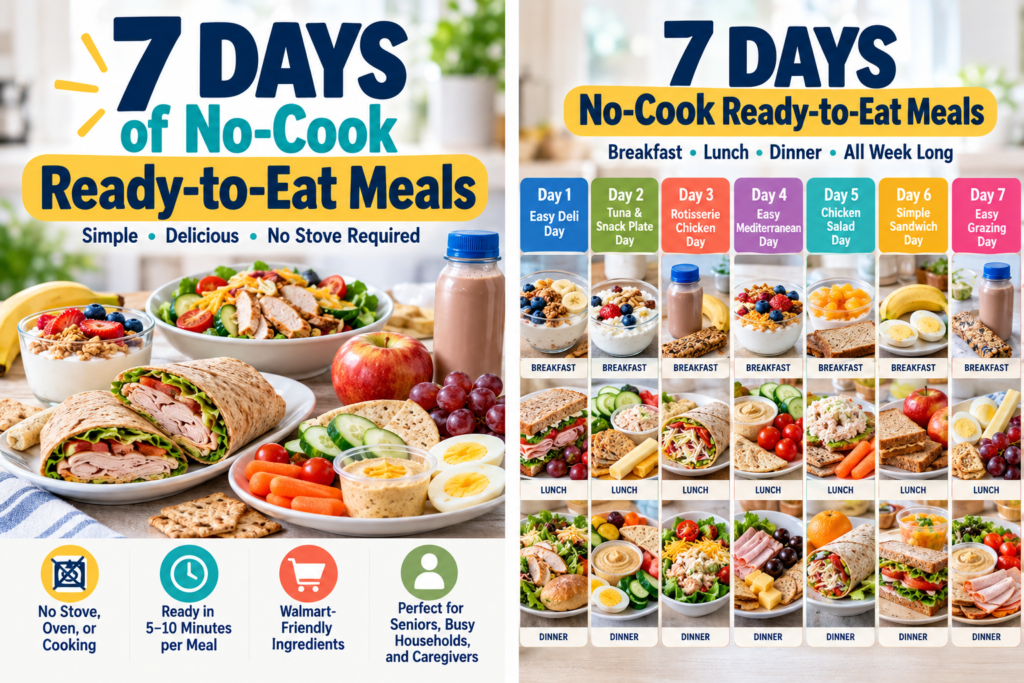
7 Days of No-Cook Ready-to-Eat Meals
Summary: Seven simple days of breakfasts, lunches, and dinners made with ready-to-eat grocery foods. No stove, oven, or cooking required. These easy meal ideas are useful for older adults, busy households, caregivers, hot-weather days, or anyone who wants simple meals with minimal preparation.
Course: Breakfast, Lunch, Dinner
Cuisine: American
Servings: 1 person for 7 days
Prep Time: 5 to 10 minutes per meal
Cook Time: 0 minutes
Total Time: About 10 minutes per meal
Ingredients
Day 1 – Easy Deli Day
Breakfast
- 1 single-serve Greek yogurt
- 1 banana
- 1/4 cup granola
Lunch
- 4 ounces sliced deli turkey
- 2 slices whole-grain bread
- 1 slice cheese
- Lettuce, optional
- Mustard or mayonnaise
- 1 cup seedless grapes
Dinner
- 3 to 4 ounces fully cooked refrigerated chicken strips
- 2 cups bagged salad mix
- 2 tablespoons salad dressing
- 1 whole-grain dinner roll
Day 2 – Tuna & Snack Plate Day
Breakfast
- 1 cup cottage cheese
- 1/2 cup ready-to-eat fruit or berries
- 1 tablespoon chopped nuts, optional
Lunch
- 1 ready-to-eat tuna pouch
- 6 whole-grain crackers
- 1 cheese stick
- 1 small apple
Dinner
- 1 ready-to-eat hummus cup
- 1 cup baby carrots
- 1 cup cucumber slices
- 1 whole-wheat pita
- 2 hard-boiled eggs, purchased fully cooked
Day 3 – Rotisserie Chicken Day
Breakfast
- 1 ready-to-drink protein shake
- 1 banana
- 1 whole-grain breakfast bar
Lunch
- 3 ounces prepared rotisserie chicken, chilled
- 1 whole-wheat tortilla
- 1/2 cup bagged coleslaw mix
- 1 tablespoon ranch dressing
Dinner
- 3 ounces prepared rotisserie chicken, chilled
- 1 cup ready-to-eat broccoli slaw
- 1/2 cup cherry tomatoes
- 1/4 cup shredded cheese
- 2 tablespoons dressing
Day 4 – Easy Mediterranean Day
Breakfast
- 1 single-serve Greek yogurt
- 1/2 cup berries
- 2 tablespoons granola
Lunch
- 1/2 cup hummus
- 1 whole-wheat pita
- 1/2 cup cucumber slices
- 1/2 cup cherry tomatoes
- 1 cheese stick
Dinner
- 3 ounces deli turkey
- 1/4 cup prepared olives
- 1/2 cup cherry tomatoes
- 1/2 cup cucumber slices
- 1 ounce cheese
- 6 whole-grain crackers
Day 5 – Chicken Salad Day
Breakfast
- 1 cup cottage cheese
- 1 single-serve fruit cup packed in juice
- 1 slice whole-grain bread
Lunch
- 1 single-serve prepared chicken salad
- 6 whole-grain crackers
- 1 cup baby carrots
Dinner
- 1 ready-to-eat chicken or turkey wrap
- 1 side salad
- 2 tablespoons salad dressing
- 1 small orange
Day 6 – Simple Sandwich Day
Breakfast
- 2 hard-boiled eggs, purchased fully cooked
- 1 slice whole-grain bread
- 1 banana
Lunch
- 2 tablespoons peanut butter
- 2 slices whole-grain bread
- 1 tablespoon fruit spread
- 1 small apple
Dinner
- 4 ounces deli chicken or turkey
- 1 slice cheese
- 2 slices whole-grain bread
- Lettuce and tomato, optional
- 1 single-serve vegetable or fruit cup
Day 7 – Easy Grazing Day
Breakfast
- 1 ready-to-drink protein shake
- 1 small banana
- 1 granola bar
Lunch
- 2 hard-boiled eggs, purchased fully cooked
- 1 cheese stick
- 6 whole-grain crackers
- 1 cup grapes
Dinner
- 1 single-serve hummus cup
- 3 ounces deli turkey
- 1 cup raw vegetables
- 1 ounce cheese
- 6 whole-grain crackers
- 1 piece fresh fruit
Instructions
- Keep refrigerated foods chilled until you are ready to eat.
- Wash fresh fruits and vegetables before serving unless the package states they are washed and ready to eat.
- For each meal, gather the listed ingredients and arrange them on a plate, in a bowl, or inside a sandwich or wrap.
- No cooking is required.
- For salads, combine the greens, protein, vegetables, and dressing immediately before eating.
- For sandwiches and wraps, assemble immediately before serving for the best texture.
- Divide larger packages of rotisserie chicken, deli meat, vegetables, crackers, and fruit into individual portions if desired.
- Refrigerate opened packages promptly and follow the storage instructions and use-by dates printed on each product.
Notes
Mistakenly Smart Tip: Choose easy-open containers, single-serving packages, pre-washed produce, pre-sliced cheese, fully cooked eggs, and ready-to-eat proteins when convenience is the priority.
Meals can be mixed and matched. There is no requirement to eat Day 1 through Day 7 in order.
For smaller appetites, reduce portions as needed while keeping meals balanced with convenient protein, fruit, vegetables, grains, or dairy foods.
Food Safety
Keep perishable foods refrigerated at 40°F or below.
Do not leave foods such as deli meat, dairy products, cooked chicken, eggs, hummus, or prepared salads at room temperature for more than about 2 hours, or 1 hour when temperatures are above 90°F.
Follow the storage directions and use-by dates printed on each package and discard foods that have been stored improperly.
Equipment
- Plate or bowl
- Spoon and fork
- Butter knife
- Food-storage containers, optional
Master Shopping List
Proteins
- Deli turkey
- Deli chicken
- Fully cooked chicken strips
- Rotisserie chicken
- Tuna pouches
- Prepared chicken salad
- Fully cooked hard-boiled eggs
- Ready-to-drink protein shakes
- Hummus
Dairy
- Greek yogurt
- Cottage cheese
- Cheese slices
- Cheese sticks
- Shredded cheese
Produce
- Bananas
- Apples
- Oranges
- Grapes
- Berries
- Baby carrots
- Cucumbers
- Cherry tomatoes
- Bagged salad
- Broccoli slaw
- Coleslaw mix
Bread & Grains
- Whole-grain bread
- Whole-wheat tortillas
- Whole-wheat pita
- Whole-grain crackers
- Granola
- Granola bars
- Breakfast bars
- Dinner rolls
Pantry
- Peanut butter
- Fruit spread
- Mustard
- Mayonnaise
- Ranch dressing
- Salad dressing
- Nuts
- Olives
Tips for Making No-Cook Meals Even Easier
Choose convenience intentionally. Pre-washed produce, sliced cheese, fully cooked peeled eggs, individual hummus cups, tuna pouches, prepared chicken, and ready-to-drink protein shakes can reduce the amount of preparation needed at mealtime.
If opening containers or handling larger packages is difficult, portion foods shortly after the groceries come home. Crackers, grapes, vegetables, and other foods can be divided into easy-to-grab containers for later in the week.
Keep the foods you plan to use first near the front of the refrigerator so they are easy to see. This is especially helpful with prepared chicken, deli meat, dairy products, and cut produce.
For sandwiches and wraps, wait until mealtime to assemble them when possible. This helps prevent the bread or tortilla from becoming soggy.
For salads, keep dressing separate until you are ready to eat.
Easy Meal Swaps
This meal plan is meant to be flexible. If you dislike an ingredient or cannot find it at your grocery store, substitute another ready-to-eat food with a similar role in the meal.
Instead of deli turkey: Try deli chicken or another fully cooked ready-to-eat sliced meat that fits your needs.
Instead of rotisserie chicken: Use refrigerated fully cooked chicken strips or another prepared chicken product that can be eaten without additional cooking according to its package directions.
Instead of Greek yogurt: Cottage cheese or another ready-to-eat dairy option can work for many breakfasts.
Instead of crackers: Try whole-grain bread, pita wedges, or a tortilla.
Instead of fresh berries: Use another ready-to-eat fruit or a fruit cup packed in juice.
Instead of hummus: Use another refrigerated ready-to-eat spread or protein option that works for your dietary needs.
Ideas for Smaller Appetites
If a full meal feels like too much, reduce the portion size rather than making the meal unnecessarily complicated. For example, serve half a sandwich with fruit, a smaller portion of chicken with salad, or a few crackers with cheese, vegetables, and a protein food.
The meals can also be divided into smaller portions eaten at different times of the day if that better fits your routine.
How the 7-Day Meal Plan Comes Together
Day 1: Easy Deli Day
Start with yogurt, banana, and granola for breakfast. Lunch turns deli turkey, cheese, whole-grain bread, and grapes into a familiar sandwich meal. Dinner pairs fully cooked chicken strips with bagged salad and a dinner roll.
Day 2: Tuna and Snack Plate Day
Cottage cheese and fruit make an easy breakfast. At lunch, a tuna pouch becomes a simple protein option alongside crackers, cheese, and an apple. Dinner is a hummus, vegetable, pita, and hard-boiled egg plate.
Day 3: Rotisserie Chicken Day
A ready-to-drink protein shake keeps breakfast especially simple. Chilled prepared rotisserie chicken is then used for both a lunchtime wrap and a dinner salad, helping one grocery purchase cover multiple meals.
Day 4: Easy Mediterranean Day
Breakfast combines Greek yogurt, berries, and granola. Hummus, pita, cucumbers, tomatoes, and cheese make lunch, while dinner uses deli turkey, olives, vegetables, cheese, and crackers for an easy grazing-style plate.
Day 5: Chicken Salad Day
Cottage cheese, fruit, and whole-grain bread start the day. Prepared chicken salad and crackers make lunch nearly effortless, while a purchased ready-to-eat chicken or turkey wrap keeps dinner simple.
Day 6: Simple Sandwich Day
Fully cooked hard-boiled eggs, bread, and fruit make breakfast. A peanut butter and fruit-spread sandwich handles lunch, while deli chicken or turkey becomes an easy dinner sandwich.
Day 7: Easy Grazing Day
A protein shake, banana, and granola bar require almost no breakfast preparation. Lunch combines eggs, cheese, crackers, and grapes. Dinner finishes the week with hummus, deli turkey, raw vegetables, cheese, crackers, and fresh fruit.
A Practical Walmart-Friendly Shopping Strategy
When shopping for this meal plan, look for products specifically labeled fully cooked or ready to eat when the plan calls for foods that will not receive additional cooking. Check individual packages for refrigeration and preparation instructions.
Single-serving yogurt, cottage cheese, tuna pouches, hummus cups, fruit cups, cheese sticks, peeled hard-boiled eggs, and protein shakes can be especially convenient. Larger packages may cost less per serving, but individual packages can make portioning and meal assembly easier.
The exact brand is flexible. Choose sizes, flavors, and varieties that fit your preferences, dietary needs, budget, and the number of people you are feeding.
Storage and Meal Prep
Most of this meal plan depends on refrigerated ready-to-eat foods, so good refrigerator organization is important. Keep deli meat, cooked chicken, eggs, dairy products, hummus, prepared salads, and other perishable foods refrigerated according to their package directions.
After opening larger packages, close them securely or transfer portions to covered food-storage containers. Follow the product’s storage instructions and use-by information rather than assuming every opened food will last the entire seven days.
If you divide foods into individual portions ahead of time, label the containers if necessary so it is easy to remember what should be used first.
Food Safety Note
Keep the refrigerator at 40°F or below. Perishable foods should generally not remain at room temperature for more than 2 hours. When the temperature is above 90°F, that limit drops to about 1 hour.
Keep prepared chicken, deli meat, dairy products, eggs, hummus, prepared salads, and other refrigerated foods cold until you are ready to eat them.
Wash fresh produce before serving unless the package specifically states that it has already been washed and is ready to eat. Always follow the storage, refrigeration, use-by, and preparation directions printed on individual food packages.
If a refrigerated food has been stored improperly or you are uncertain how long it has been outside safe refrigeration, it is safer to discard it.
Common Mistakes to Avoid
Buying Too Many Different Ingredients
You do not need a completely different grocery list for every day. Repeating versatile foods such as grapes, cucumbers, crackers, cheese, bread, deli turkey, and prepared chicken helps simplify the week.
Opening Everything on the First Day
Check package directions before opening refrigerated foods. When possible, leave foods sealed until you need them so you can better manage freshness during the week.
Assuming Every Prepared Chicken Product Is Ready to Eat
Read the package. This plan requires chicken that has already been fully cooked and is intended to be eaten without additional cooking when served cold.
Leaving Refrigerated Food on the Counter
Return perishable foods to the refrigerator promptly after assembling each meal.
Making Every Sandwich and Salad in Advance
Meal prep can save time, but some foods have better texture when assembled shortly before eating. Keep dressings separate from salads and wet sandwich ingredients separate from bread when practical.
Following the Schedule Too Rigidly
The seven days are a framework, not a rule. Use foods with shorter use-by periods first and move meals around as needed.
Frequently Asked Questions
Do I have to eat the meals in order?
No. Mix and match any breakfast, lunch, or dinner. It often makes sense to choose meals based on which opened foods or fresh produce should be used first.
Does this plan require a microwave?
No. The meals are designed to be eaten without cooking or reheating.
Can I use store brands?
Yes. Store brands and national brands can both work. Check labels to make sure foods that are supposed to be ready to eat do not require additional cooking.
Can I make this meal plan for two people?
Yes. Double the recipe-card quantities as needed and adjust package sizes when shopping.
Is this only for older adults?
No. The meal plan can work for anyone who wants simple meals with little or no kitchen preparation. It may be especially convenient for people living alone, caregivers, busy households, travelers with access to refrigeration, or anyone dealing with a temporary kitchen limitation.
Can I replace ingredients for dietary needs?
Yes. Choose breads, dairy products, spreads, proteins, and other foods that fit your individual needs. Anyone following a medically prescribed diet should use the recommendations provided by their healthcare professional when selecting substitutions.
Can these meals be packed for lunch?
Many can, provided perishable foods remain safely chilled. Use an insulated lunch container with adequate cold packs when refrigeration is not available, and follow food-safety guidance for perishable foods.
Final Notes
A no-cook meal plan does not have to be complicated. The goal of this week is to keep meals manageable by relying on foods that are already prepared, easy to portion, and simple to combine.
Use the seven days as a starting point rather than a rigid schedule. Swap fruits and vegetables, change the bread or crackers, choose a different dressing, or repeat the meals you enjoy most.
Most importantly, check labels carefully. Choose fully cooked or ready-to-eat products when no additional cooking is planned, keep refrigerated foods properly chilled, and follow the storage and use-by directions on each package.
Trusted Resources
- U.S. Food and Drug Administration: Refrigerator Thermometers – Cold Facts About Food Safety
- U.S. Food and Drug Administration: Are You Storing Food Safely?
- USDA Food Safety and Inspection Service: What Is the 2-Hour Rule With Leaving Food Out?
- USDA Food Safety and Inspection Service: How Do I Keep My Foods Safe to Eat?
Helpful Recipe Resources
Trusted Food, Cooking, and Recipe References
Mistakenly Delicious uses AI-assisted workflows, but useful recipes still need common sense, food safety checks, and reliable cooking references. These resources can help with ingredients, nutrition, safe temperatures, and the AI workflow behind this site.
Ingredient Data
USDA FoodData Central
A useful reference for checking ingredient and nutrition data when reviewing recipes.
Visit Resource →Cooking Help
Nutrition.gov Cooking Tips
Beginner-friendly guidance for meal prep, cooking basics, shopping, and planning.
Visit Resource →Food Safety
Safe Cooking Temperatures
A helpful food safety chart for checking safe internal temperatures for chicken, meat, seafood, and leftovers.
Visit Resource →Creator Workflow
TechnofluxAI
The AI workflow and creator systems site behind Mistakenly Delicious.
Visit TechnofluxAI →