Beginner-Friendly Recipe
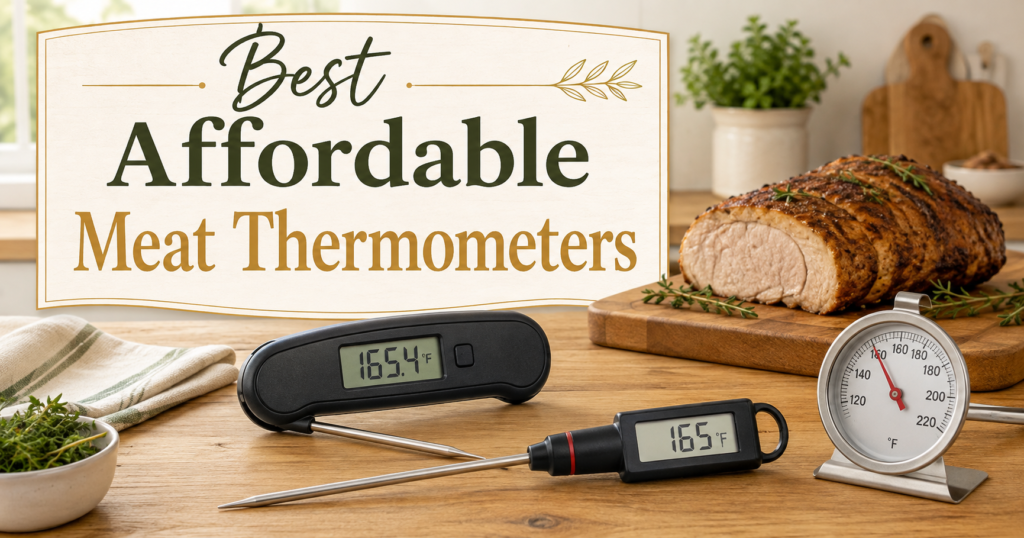
Best Affordable Meat Thermometers
Compare affordable meat thermometers for everyday cooking, grilling, roasting, and meal prep. Learn which features matter most, including reading speed, accuracy, probe design, display size, and easy calibration.
Mistakenly Delicious Kitchen Picks
Helpful Kitchen Tools for Easier Cooking
These beginner-friendly guides and kitchen picks can make cooking, baking, food-safety checks, and meal prep easier.
Affiliate disclosure: This section contains Amazon affiliate links. As an Amazon Associate, I earn from qualifying purchases at no additional cost to you.
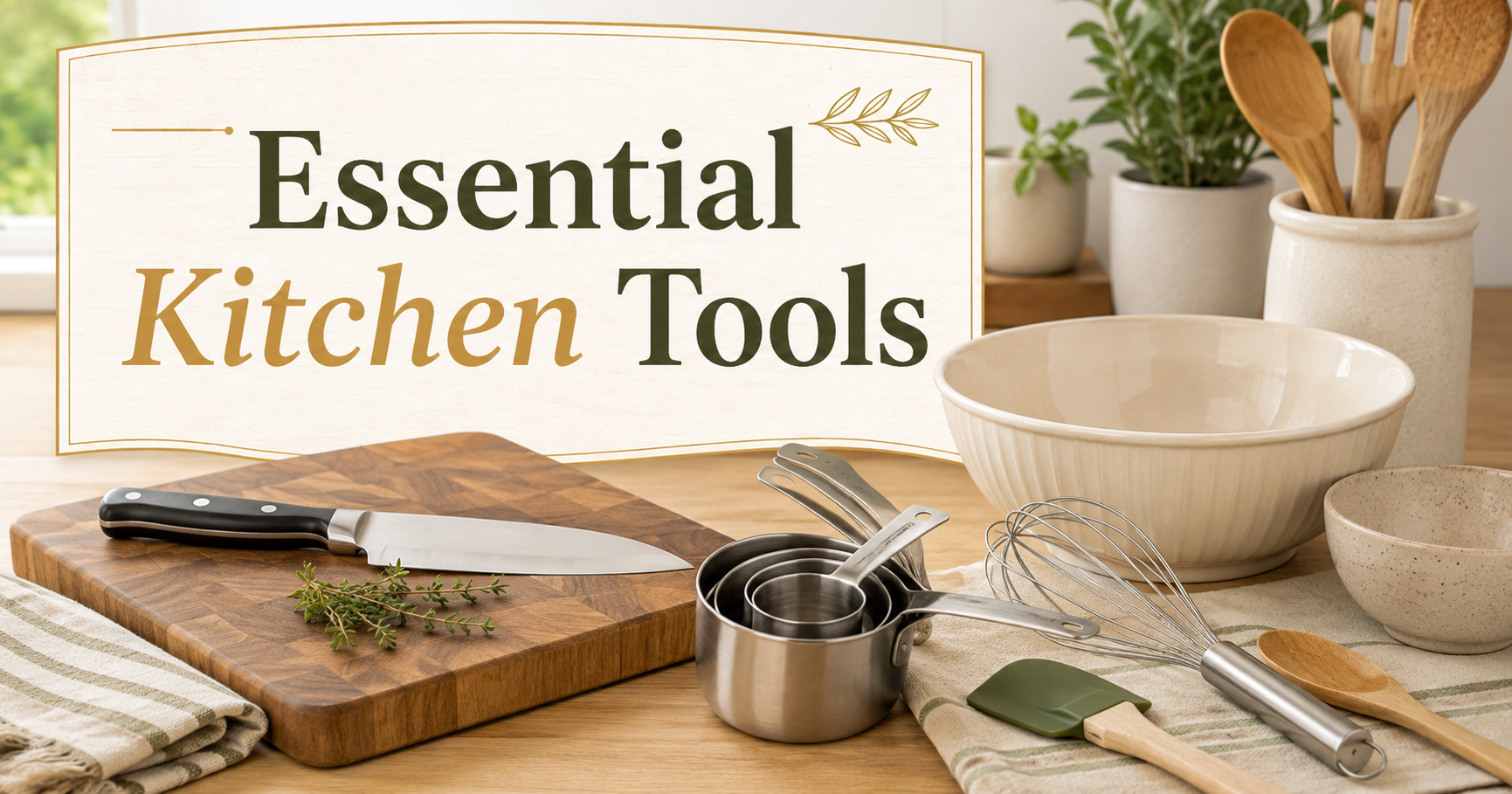
Essential Kitchen Tools for Beginner Cooks
Start with practical everyday tools instead of filling your kitchen with gadgets you may rarely use.
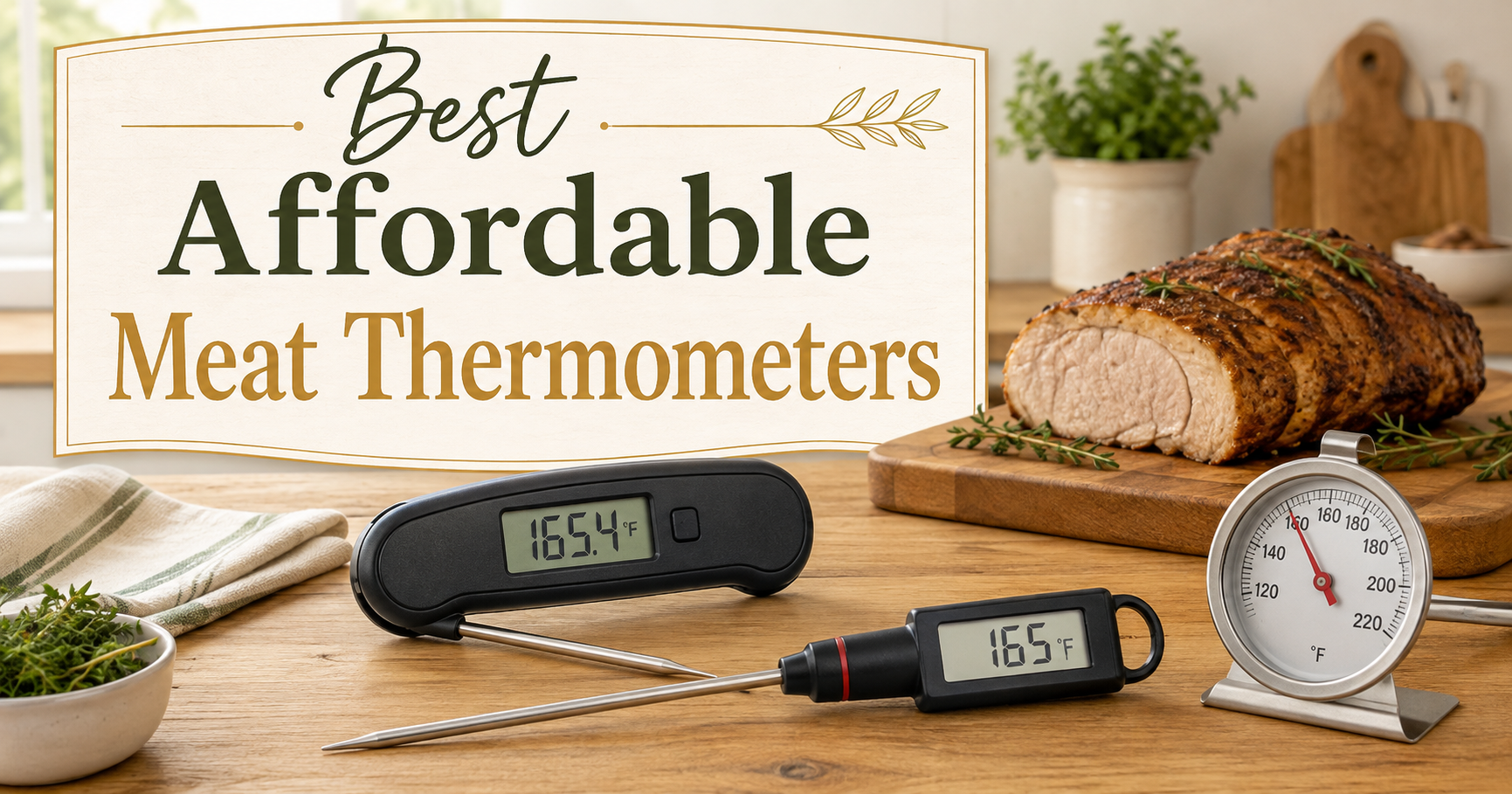
Best Affordable Meat Thermometers
Check chicken, burgers, roasts, and other foods without guessing whether the center is fully cooked.

Best Baking Dishes for Casseroles
Compare dependable baking dishes for casseroles, rice bakes, biscuit bakes, desserts, and family meals.
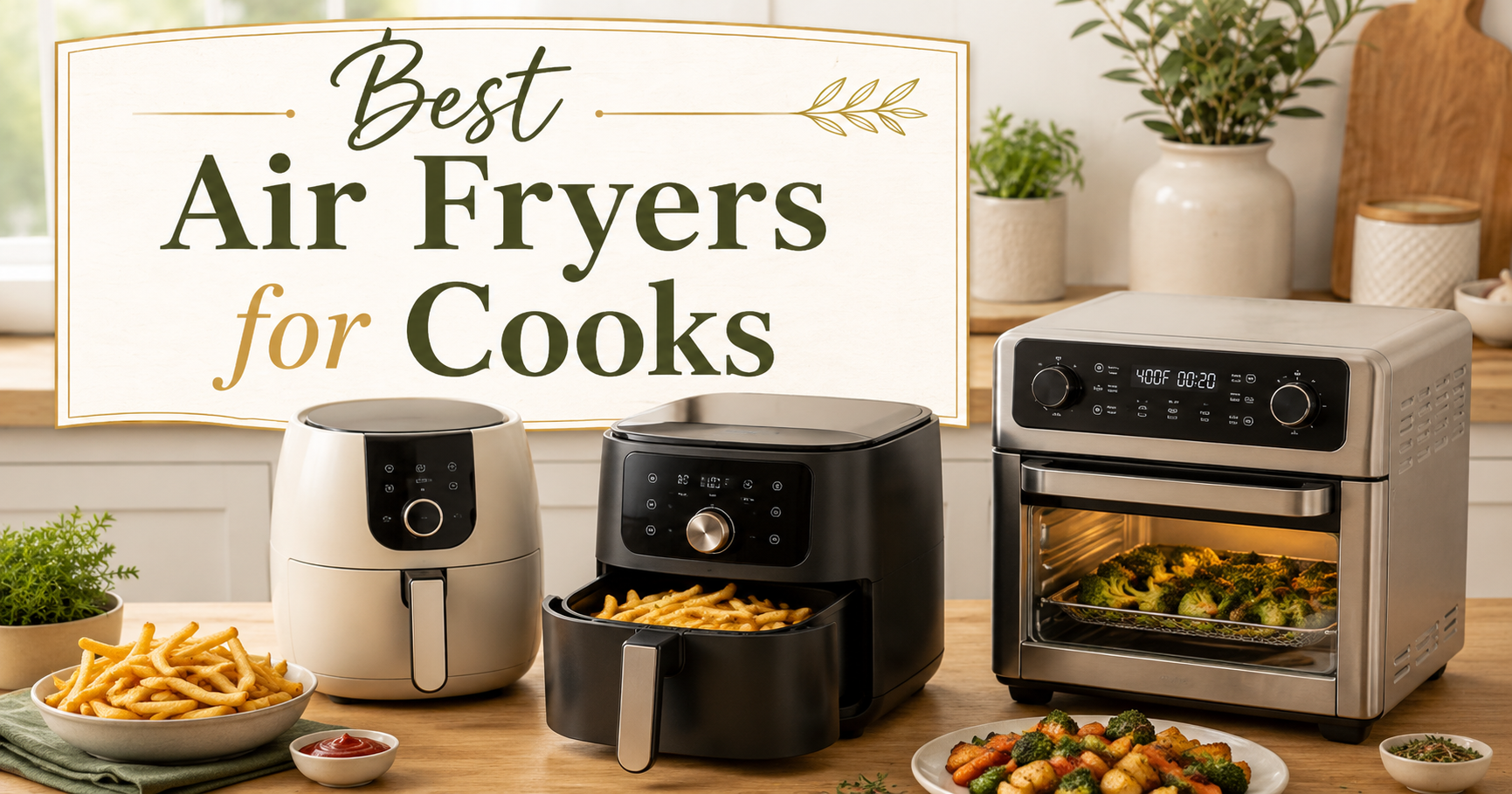
Best Air Fryers for Beginner Cooks
Find a beginner-friendly air fryer for crispy foods, quick dinners, reheating leftovers, and smaller meals.
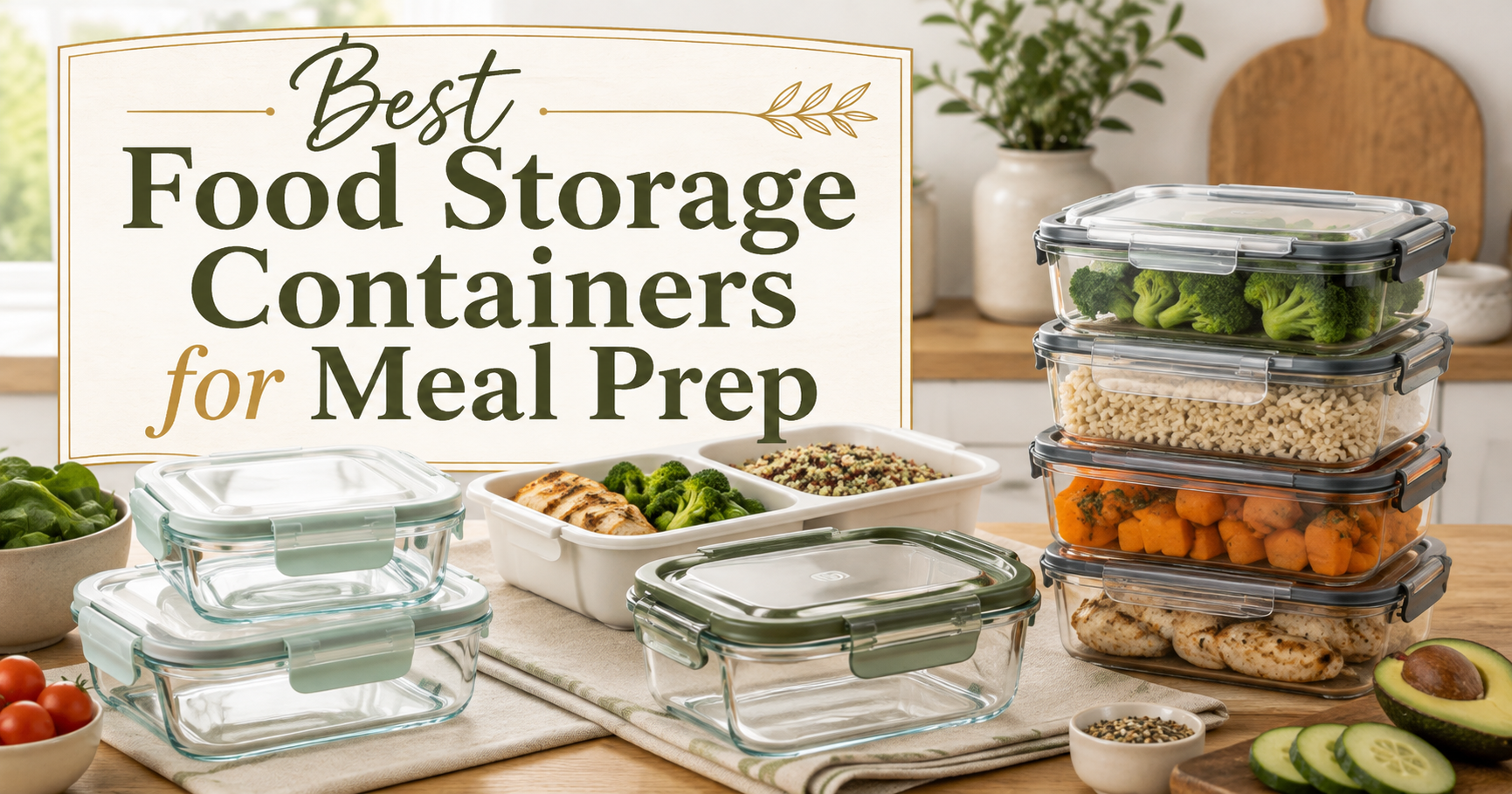
Best Food Storage Containers for Meal Prep
Store leftovers, lunches, freezer meals, and weekly meal-prep portions more neatly.

Featured Kitchen Pick
Explore another practical kitchen pick that can make everyday cooking and food preparation easier.
A dependable meat thermometer does not need to be expensive. Many budget-friendly models can help you check chicken, beef, pork, fish, casseroles, and reheated meals without relying on color, texture, or guesswork.
In this guide, you will find the most useful types of affordable meat thermometers, the features that matter most, and practical tips for choosing a model that is fast, readable, and easy to use.
This page may contain affiliate links. We may earn a commission from qualifying purchases at no additional cost to you.
Mistakenly Smart Note
For most home cooks, an affordable digital instant-read thermometer is the best place to start. A fast reading, clear display, and thin probe are usually more useful than extra presets or complicated wireless features.
Quick Answer
The best affordable meat thermometer for everyday cooking is usually a digital instant-read model with a thin folding probe, backlit display, and simple temperature controls. It should provide a stable reading quickly and be easy to insert into chicken breasts, burgers, steaks, pork chops, fish, and other foods.
A leave-in probe thermometer can be a better choice for roasts, whole poultry, grilling, or smoking because it allows you to monitor the food while it cooks. Some kitchens may benefit from owning both types, but an instant-read thermometer is the more versatile first purchase.
What You Will Find in This Guide
This guide focuses on practical thermometers that offer useful everyday features without requiring a premium price. The best choice depends on whether you need quick temperature checks, continuous monitoring, or a simple thermometer that does not require batteries.
- Best overall affordable thermometer: A fast digital instant-read model with a folding probe.
- Best basic option: A compact pen-style digital thermometer with straightforward controls.
- Best for roasting: A leave-in thermometer with an oven-safe wired probe and temperature alarm.
- Best for grilling: A backlit instant-read model with a longer probe and splash-resistant construction.
- Best battery-free option: A traditional dial thermometer that can be calibrated.
- Best for easy reading: A thermometer with a large display that rotates for different viewing angles.
Which Type of Meat Thermometer Is Best?
Digital Instant-Read Thermometers
A digital instant-read thermometer is the most versatile option for many home cooks. It is designed to check the temperature near the end of cooking rather than remain inside the food.
These thermometers work well for steaks, burgers, chicken pieces, pork chops, fish, baked goods, sauces, and reheated leftovers. Look for a thin probe, a readable display, and a response time that does not require holding your hand over a hot pan or grill for too long.
Pen-Style Digital Thermometers
Pen-style thermometers are compact, affordable, and simple to store in a drawer or utensil holder. They usually have fewer features than folding models, but they can still be a practical option for basic temperature checks.
A protective probe cover is useful for safer storage. A longer probe can provide more distance between your hand and a hot cooking surface, although a thick probe may be harder to position accurately in thin foods.
Leave-In Probe Thermometers
A leave-in thermometer uses a heat-safe probe that remains in the food while a wire connects it to a display outside the oven, grill, or smoker. Many models sound an alarm when the selected temperature is reached.
This style is helpful for turkey, chicken, pork loin, beef roasts, and other large cuts that take longer to cook. Confirm that the probe and wire are approved for the cooking temperature and appliance you plan to use.
Dial Thermometers
Traditional dial thermometers are inexpensive and do not require batteries. However, they generally take longer to produce a reading and often need to be inserted farther into the food.
Because the sensing area may extend along a larger portion of the stem, some dial thermometers are not ideal for thin foods such as burgers, chicken cutlets, or fish fillets. They can be more useful for roasts, casseroles, soups, and other thick foods.
Wireless Meat Thermometers
Wireless thermometers can send cooking information to a separate receiver or mobile device. They are convenient for long cooking sessions, but they generally cost more and require additional setup.
Home cooks who mainly prepare quick weeknight meals may get more value from an affordable instant-read or wired leave-in thermometer.
What to Look for Before Buying
- Reading speed: A fast response reduces the time your hand must remain near a hot oven, grill, or pan.
- Accuracy: Look for a clearly stated accuracy range and instructions for checking or calibrating the thermometer.
- Thin probe tip: A narrow tip is easier to position in burgers, chicken breasts, fish, and other thin foods.
- Readable display: Large numbers and a backlight are helpful in dim kitchens and outdoor grilling areas.
- Temperature range: Make sure the range covers the foods and cooking methods you plan to use.
- Water resistance: Splash resistance can make cleanup easier, but it does not necessarily mean the entire thermometer can be submerged.
- Folding probe: A folding design protects the sharp probe and makes the thermometer easier to store.
- Automatic shutoff: This feature can help preserve battery life.
- Easy calibration: Calibration allows you to check whether the thermometer is still reading accurately.
Our Best Affordable Meat Thermometer Recommendation
For most kitchens, a digital instant-read thermometer with a folding probe, backlit display, and simple Fahrenheit and Celsius controls offers the best balance of price and usefulness.
A rotating display can make the temperature easier to read from different angles. A magnetic back allows the thermometer to be stored on a refrigerator, range hood, or grill surface when the manufacturer permits it.
For roasts, whole poultry, or slow-cooked meats, consider adding an affordable wired leave-in thermometer with a programmable alarm. It can alert you when the food reaches the selected temperature without requiring the oven door to be opened repeatedly.
How to Check Thermometer Accuracy
Many food thermometers can be checked with an ice-water test. Fill a glass with plenty of ice, add cold water, and stir. Insert the sensing area of the probe into the mixture without touching the sides or bottom of the glass.
After the reading stabilizes, it should be close to 32 degrees F. Follow the manufacturer’s instructions if the thermometer needs to be calibrated or if its reading falls outside the stated accuracy range.
Not every digital thermometer can be manually adjusted. Some models allow you to note the difference and account for it during use, while others may need to be replaced when they no longer provide dependable readings.
How to Position a Meat Thermometer
Insert the probe into the thickest part of the food, avoiding bone, large pockets of fat, and gristle. For thin foods such as burgers, chops, and chicken breasts, insert the probe through the side so the tip reaches the center.
Check large or irregularly shaped foods in more than one location. Different portions may cook at different speeds, especially when preparing several pieces at the same time.
Do not leave an instant-read thermometer inside an oven, grill, smoker, or air fryer unless the manufacturer specifically states that it is designed for continuous high-heat use.
Important Internal Cooking Temperatures
- Beef, pork, veal, and lamb steaks, chops, and roasts: 145 degrees F followed by a three-minute rest.
- Ground beef, pork, veal, and lamb: 160 degrees F.
- Chicken, turkey, and other poultry: 165 degrees F.
- Fish and shellfish: 145 degrees F.
- Casseroles and leftovers: 165 degrees F.
Common Buying Mistakes
- Choosing features over accuracy: Extra presets are not useful when the thermometer cannot provide a dependable reading.
- Ignoring reading speed: A very slow thermometer can be uncomfortable to use over a hot grill or oven.
- Buying a probe that is too thick: Thick probes can be harder to position in thin pieces of food.
- Assuming waterproof means submersible: Check the product’s exact water-resistance instructions before cleaning it.
- Leaving an instant-read model in the oven: Most handheld thermometers are not designed for continuous exposure to cooking heat.
- Relying on meat color: Browning and clear juices do not reliably confirm that food has reached a safe temperature.
- Forgetting replacement batteries: Check which battery type is required and whether it is easy to find.
Food Safety Note
A food thermometer is the most reliable way to determine whether meat and poultry have reached a safe internal temperature. Appearance, firmness, grill marks, and the color of the juices should not replace an actual temperature reading.
Wash the probe with hot, soapy water before and after checking food, following the manufacturer’s cleaning directions. Avoid touching cooked food with a probe that has not been cleaned after contact with raw meat or poultry.
Final Thoughts
The best affordable meat thermometers provide a fast, clear, and dependable reading without adding unnecessary complexity. For most home cooks, a folding digital instant-read thermometer is the most practical option for everyday meals.
Prioritize accuracy, reading speed, a thin probe, easy cleaning, and a display you can read comfortably. A simple, reliable thermometer can help prevent undercooking while also reducing the chance of cooking meat until it becomes dry.
Helpful Recipe Resources
Trusted Food, Cooking, and Recipe References
Mistakenly Delicious uses AI-assisted workflows, but useful recipes still need common sense, food safety checks, and reliable cooking references. These resources can help with ingredients, nutrition, safe temperatures, and the AI workflow behind this site.
Ingredient Data
USDA FoodData Central
A useful reference for checking ingredient and nutrition data when reviewing recipes.
Visit Resource →Cooking Help
Nutrition.gov Cooking Tips
Beginner-friendly guidance for meal prep, cooking basics, shopping, and planning.
Visit Resource →Food Safety
Safe Cooking Temperatures
A helpful food safety chart for checking safe internal temperatures for chicken, meat, seafood, and leftovers.
Visit Resource →Creator Workflow
TechnofluxAI
The AI workflow and creator systems site behind Mistakenly Delicious.
Visit TechnofluxAI →