Beginner-Friendly Recipe
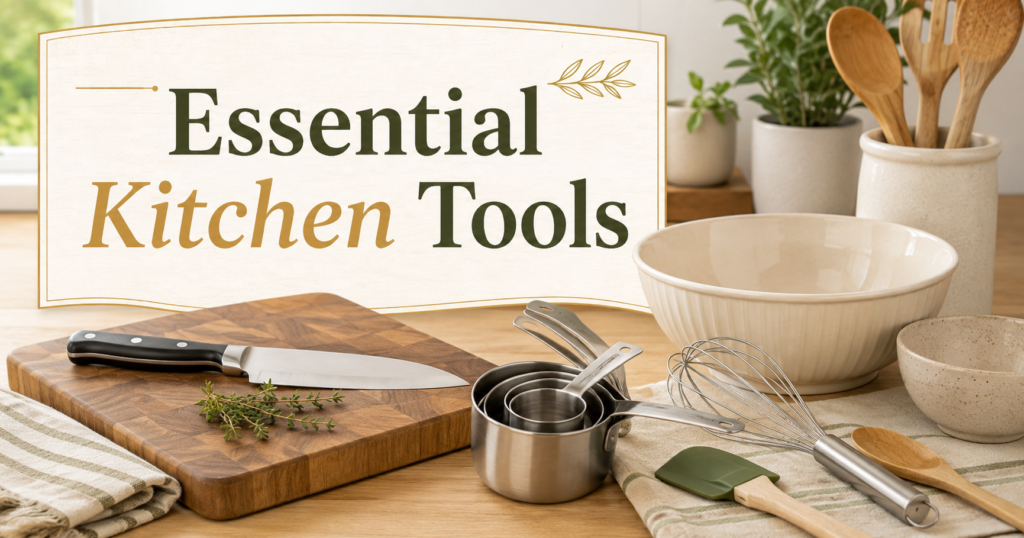
Essential Kitchen Tools for Beginner Cooks
Helpful Recipe Resources
Trusted Food, Cooking, and Recipe References
Mistakenly Delicious uses AI-assisted workflows, but useful recipes still need common sense, food safety checks, and reliable cooking references. These resources can help with ingredients, nutrition, safe temperatures, and the AI workflow behind this site.
Ingredient Data
USDA FoodData Central
A useful reference for checking ingredient and nutrition data when reviewing recipes.
Visit Resource →Cooking Help
Nutrition.gov Cooking Tips
Beginner-friendly guidance for meal prep, cooking basics, shopping, and planning.
Visit Resource →Food Safety
Safe Cooking Temperatures
A helpful food safety chart for checking safe internal temperatures for chicken, meat, seafood, and leftovers.
Visit Resource →Creator Workflow
TechnofluxAI
The AI workflow and creator systems site behind Mistakenly Delicious.
Visit TechnofluxAI →Setting up your first kitchen can feel overwhelming, especially when every utensil and appliance is advertised as essential. In reality, beginner cooks can prepare a wide range of breakfasts, lunches, dinners, and baked dishes with a small collection of dependable tools.
In this guide, you will find the most useful kitchen tools for chopping, measuring, mixing, cooking, baking, checking temperatures, and cleaning up. The goal is to help you build a practical starter kitchen without spending money on gadgets you may rarely use.
This page may contain affiliate links. We may earn a commission from qualifying purchases at no additional cost to you.
Mistakenly Smart Note
Start with tools that can handle several different jobs. A reliable chef’s knife, sturdy cutting board, skillet, saucepan, sheet pan, mixing bowl, and food thermometer will usually be more useful than a drawer filled with single-purpose gadgets.
Quick Answer
The most important kitchen tools for a beginner are a chef’s knife, cutting board, skillet, saucepan with a lid, rimmed sheet pan, mixing bowls, measuring cups and spoons, cooking utensils, colander, can opener, and digital food thermometer.
You do not need to purchase everything at once. Begin with the tools needed for the meals you cook most often, then add specialized equipment as your skills and recipe collection grow.
What You Will Find in This Guide
This guide focuses on versatile tools that can help a new cook complete common kitchen tasks safely and efficiently. It includes basic preparation tools, cookware, bakeware, measuring equipment, utensils, and a few helpful extras.
- Essential food-preparation tools: Knives, cutting boards, peelers, graters, and kitchen shears.
- Essential cookware: A skillet, saucepan, stockpot, and dependable lids.
- Essential bakeware: A rimmed sheet pan and a versatile baking dish.
- Essential utensils: A spatula, wooden spoon, whisk, ladle, and tongs.
- Essential measuring tools: Dry measuring cups, liquid measuring cups, measuring spoons, and an optional kitchen scale.
- Essential safety tools: A digital food thermometer, oven mitts, and stable cutting surfaces.
1. A Dependable Chef’s Knife
A chef’s knife is one of the most useful tools in any kitchen. It can be used to chop vegetables, slice fruit, mince herbs, cut meat, crush garlic, and complete many everyday preparation tasks.
Many cooks are comfortable with an 8-inch chef’s knife, but a 6- or 7-inch knife may feel easier to control for someone with smaller hands. The handle should feel secure, and the knife should not feel unusually heavy or difficult to balance.
A sharp knife is generally easier to control than a dull one because it requires less pressure to cut through food. Store knives in a block, sheath, magnetic strip, or another system that protects the blade and prevents accidental contact.
2. A Sturdy Cutting Board
A stable cutting board protects the countertop and gives you a safer surface for chopping and slicing. Choose a board that is large enough to hold ingredients without forcing you to work near the edge.
Wood, composite, and food-safe plastic boards can all be practical choices when cleaned and maintained correctly. Some cooks keep a separate dishwasher-safe board for raw meat, poultry, and seafood to simplify cleanup and reduce the chance of cross-contamination.
If a board moves while you work, place a damp kitchen towel or a nonslip mat underneath it. Replace boards that become deeply cracked, badly warped, or difficult to clean.
3. A Versatile Skillet
A 10- or 12-inch skillet can be used for eggs, pancakes, vegetables, burgers, chicken, fish, sauces, and one-pan meals. The best material depends on your cooking style and how much maintenance you are comfortable with.
A nonstick skillet is approachable for eggs and delicate foods. Stainless steel is durable and useful for browning, while cast iron retains heat well and can often move from the stovetop to the oven.
For a first kitchen, choose one well-made skillet that fits your usual portion size. A model with an oven-safe handle offers additional flexibility, but always confirm the manufacturer’s temperature limit.
4. A Saucepan With a Lid
A medium saucepan is useful for rice, oatmeal, soup, pasta sauce, boiled eggs, steamed vegetables, gravy, and reheating leftovers. A 2- to 3-quart size works well for many small households.
Look for a saucepan with a comfortable handle, a fitted lid, and a base that sits flat on the burner. Pouring spouts and measurement markings are convenient but not essential.
5. A Larger Pot or Stockpot
A larger pot is helpful for pasta, soup, chili, potatoes, corn, and batch-cooked meals. Beginners do not necessarily need an oversized stockpot; a moderate pot that is easy to lift and store may be more useful.
Choose a pot with two secure handles and enough room to stir without ingredients spilling over the sides. A fitted lid can help water boil more efficiently and is useful for simmering soups and stews.
6. A Rimmed Sheet Pan
A rimmed sheet pan can be used for roasted vegetables, chicken, fish, cookies, sheet-pan dinners, toasted sandwiches, and reheating foods in the oven. Raised edges help contain oil, juices, and loose ingredients.
A half-sheet pan is a versatile size for many ovens, while a quarter-sheet pan can be convenient for smaller portions or compact kitchens. Heavy-gauge metal is less likely to warp than a very thin pan.
7. A Multipurpose Baking Dish
A rectangular or square baking dish is useful for casseroles, baked pasta, roasted vegetables, brownies, cobblers, and make-ahead meals. Glass, ceramic, and metal dishes each have different advantages.
A 9-by-13-inch dish works well for family-size recipes, while an 8- or 9-inch square dish may be more practical for one or two people. Choose a dish with comfortable handles and follow its instructions for oven, broiler, freezer, and microwave use.
8. Mixing Bowls
A small set of nesting mixing bowls can be used for batters, salads, marinades, sauces, bread dough, scrambled eggs, and meal preparation. Several sizes are more useful than one very large bowl.
Stainless-steel bowls are lightweight and durable. Glass bowls are heavier but allow you to see the ingredients clearly, while plastic bowls can be easy to carry and store. Nonslip bases can help keep bowls steady during mixing.
9. Measuring Cups and Spoons
Beginner cooks benefit from having dry measuring cups, a clear liquid measuring cup, and a set of measuring spoons. Dry ingredients are normally leveled in individual cups, while liquids are measured in a container with a spout and markings that can be viewed at eye level.
Look for markings that are easy to read and unlikely to wear away. Sets that remain connected by a ring can be convenient, although separate pieces are often easier to wash and use while cooking.
10. A Digital Kitchen Scale
A kitchen scale is not required for every beginner, but it can make baking and portioning more consistent. Measuring ingredients by weight can also reduce the number of cups and spoons that need to be cleaned.
Choose a scale with a clear display, a tare function, and units that include grams and ounces. A compact model is usually sufficient for everyday home cooking.
11. A Heat-Safe Spatula
A flexible silicone spatula is useful for stirring, folding batter, scraping bowls, and moving sauces around a pan. A flat turner is better for flipping eggs, pancakes, burgers, fish, and grilled sandwiches.
Beginners may want both styles. Check that utensils are rated for the temperatures at which they will be used, especially when cooking in a hot skillet.
12. A Wooden Spoon or Sturdy Cooking Spoon
A sturdy spoon can be used for soups, stews, sauces, pasta, rice, and sautéed vegetables. Wood is gentle on many cookware surfaces, while silicone and heat-resistant nylon can also be practical.
Choose a spoon with a comfortable handle that is long enough to keep your hand away from hot ingredients. Avoid using damaged utensils with deep cracks or loose parts.
13. A Pair of Kitchen Tongs
Tongs make it easier to turn meat, toss vegetables, serve pasta, lift hot foods, and move ingredients on a sheet pan. A locking pair is easier to store in a drawer.
Metal-tipped tongs work well with stainless steel and cast iron. Silicone-tipped tongs may be better for nonstick cookware because they are less likely to damage the surface.
14. A Whisk
A medium balloon whisk can mix eggs, sauces, dressings, gravies, pancake batter, and dry baking ingredients. It is usually more versatile than a collection of specialty whisks.
A silicone-coated whisk can be used with some nonstick cookware, while a stainless-steel whisk is durable and effective in metal or glass bowls.
15. A Colander or Fine-Mesh Strainer
A colander is useful for draining pasta, washing produce, and rinsing canned beans. A fine-mesh strainer can also rinse grains, sift dry ingredients, strain sauces, and remove solids from liquids.
Beginners with limited storage may find that a medium fine-mesh strainer handles more tasks than a large colander. Choose one with stable handles or feet so it does not tip easily.
16. A Digital Food Thermometer
A digital instant-read thermometer helps determine whether meat, poultry, seafood, casseroles, and reheated foods have reached an appropriate internal temperature. It also helps prevent food from being cooked longer than necessary simply because you are unsure whether it is done.
Look for a thermometer with a thin probe, clear display, fast response time, and straightforward controls. Insert it into the thickest part of the food while avoiding bone, large areas of fat, and the cooking pan.
Do not leave an instant-read thermometer inside an oven, air fryer, grill, or smoker unless the manufacturer specifically states that it is designed for continuous high-heat use.
17. A Vegetable Peeler
A comfortable vegetable peeler can remove the skin from potatoes, carrots, apples, and other produce. It can also create thin strips of vegetables, cheese, or chocolate.
Straight and Y-shaped peelers can both work well. Choose the style that feels easiest to control, and look for a handle that remains secure when your hands are wet.
18. A Box Grater or Handheld Grater
A grater is useful for cheese, carrots, potatoes, citrus zest, garlic, and other ingredients. A box grater provides several grating surfaces, while a flat handheld model is easier to store.
Beginners should choose a grater with a stable base or comfortable handle. Use slow, controlled movements and stop before your fingers get too close to the cutting surface.
19. Kitchen Shears
Kitchen shears can cut herbs, trim parchment paper, open food packaging, divide flatbread, and complete other small preparation tasks. Some heavy-duty models are designed for trimming poultry, but their intended use should be confirmed before purchasing.
Removable blades can make thorough cleaning easier. Wash shears immediately after contact with raw meat, poultry, or seafood.
20. A Manual Can Opener
A reliable can opener is easy to overlook until you need beans, tomatoes, broth, tuna, or another canned ingredient. A manual model is affordable, compact, and does not require an outlet or batteries.
Look for comfortable handles, a smoothly turning knob, and a cutting mechanism that is easy to clean. Replace the opener if it becomes rusty, difficult to turn, or unable to create a clean cut.
Helpful Tools That Can Wait
Some tools are useful but do not need to be part of the first shopping trip. Add them when your recipes begin to require them regularly.
- Dutch oven: Helpful for soups, stews, braises, bread, and one-pot meals.
- Immersion blender: Convenient for pureeing soups, sauces, and smoothies.
- Salad spinner: Useful when you frequently wash leafy greens and fresh herbs.
- Rolling pin: Worth buying when you begin making pastry, biscuits, pizza, or rolled cookies.
- Microplane grater: Helpful for citrus zest, garlic, ginger, hard cheese, and spices.
- Food processor: Useful for frequent chopping, shredding, mixing, and pureeing.
- Stand mixer: Convenient for regular baking but unnecessary for many basic recipes.
Tools Beginners Usually Do Not Need Right Away
Single-purpose gadgets can be appealing, but they often take up more room than their limited use justifies. Avocado slicers, egg separators, specialized choppers, herb scissors, and similar tools may duplicate tasks that can already be completed with a knife, spoon, whisk, or cutting board.
Wait until you know which foods you prepare regularly before buying specialty tools. A gadget becomes worthwhile when it solves a repeated problem rather than a task you perform only occasionally.
How to Build a Starter Kitchen on a Budget
Begin with the tools needed to prepare three to five meals you already enjoy. A person who cooks pasta, eggs, vegetables, chicken, and sheet-pan meals may need only a knife, cutting board, skillet, saucepan, sheet pan, utensils, colander, and thermometer.
Purchase individual items rather than a large set when the set includes tools you are unlikely to use. A smaller collection of durable basics can be more practical than a crowded drawer of low-quality utensils.
Before buying, check the tool’s dimensions, care instructions, heat resistance, and compatibility with your cookware or appliances. Consider where each item will be stored, especially in a small kitchen.
Common Beginner Buying Mistakes
- Buying a large utensil set: Many bundled tools perform similar jobs or may never be used.
- Choosing appearance over comfort: Handles should feel secure and balanced in your hand.
- Purchasing oversized cookware: Large pots and pans can be difficult to lift, clean, and store.
- Ignoring heat limits: Utensils, handles, lids, and baking dishes may have different temperature restrictions.
- Using metal tools on nonstick surfaces: Metal utensils may scratch or damage some coatings.
- Skipping a food thermometer: Cooking time and appearance alone do not reliably confirm a safe internal temperature.
- Buying specialty gadgets too soon: Learn which tasks you repeat before adding single-purpose tools.
Kitchen Safety Tips for Beginners
Keep knives sharp, store them safely, and cut on a stable board. Turn pot and pan handles away from the edge of the stove, use dry oven mitts, and avoid leaving cooking food unattended.
Wash cutting boards, knives, utensils, and countertops after contact with raw meat, poultry, seafood, or eggs. Use a clean food thermometer to confirm safe internal temperatures, and clean the probe according to the manufacturer’s directions before and after use.
Inspect tools regularly. Stop using cookware, bakeware, knives, cutting boards, utensils, or electrical appliances that are cracked, loose, badly warped, or otherwise damaged.
Our Recommended Beginner Kitchen Setup
For a practical first kitchen, begin with a comfortable chef’s knife, a large cutting board, a 10- or 12-inch skillet, a medium saucepan with a lid, a larger pot, a rimmed sheet pan, two or three mixing bowls, measuring tools, a spatula, spoon, tongs, colander, can opener, and digital instant-read thermometer.
This collection supports many basic cooking methods, including chopping, boiling, simmering, sautéing, roasting, baking, reheating, and mixing. Additional tools can be added gradually as your confidence and cooking routine develop.
Final Thoughts
The best kitchen tools for beginner cooks are not necessarily the most expensive or complicated. They are the tools that feel comfortable, perform several jobs, fit your available space, and make everyday cooking easier.
Build your kitchen slowly, starting with dependable preparation tools, basic cookware, a few versatile utensils, and a reliable food thermometer. As you cook more often, it will become much easier to recognize which additional tools are genuinely worth buying.
Mistakenly Delicious Kitchen Picks
Helpful Kitchen Tools for Easier Cooking
These beginner-friendly guides and kitchen picks can make cooking, baking, food-safety checks, and meal prep easier.
Affiliate disclosure: This section contains Amazon affiliate links. As an Amazon Associate, I earn from qualifying purchases at no additional cost to you.
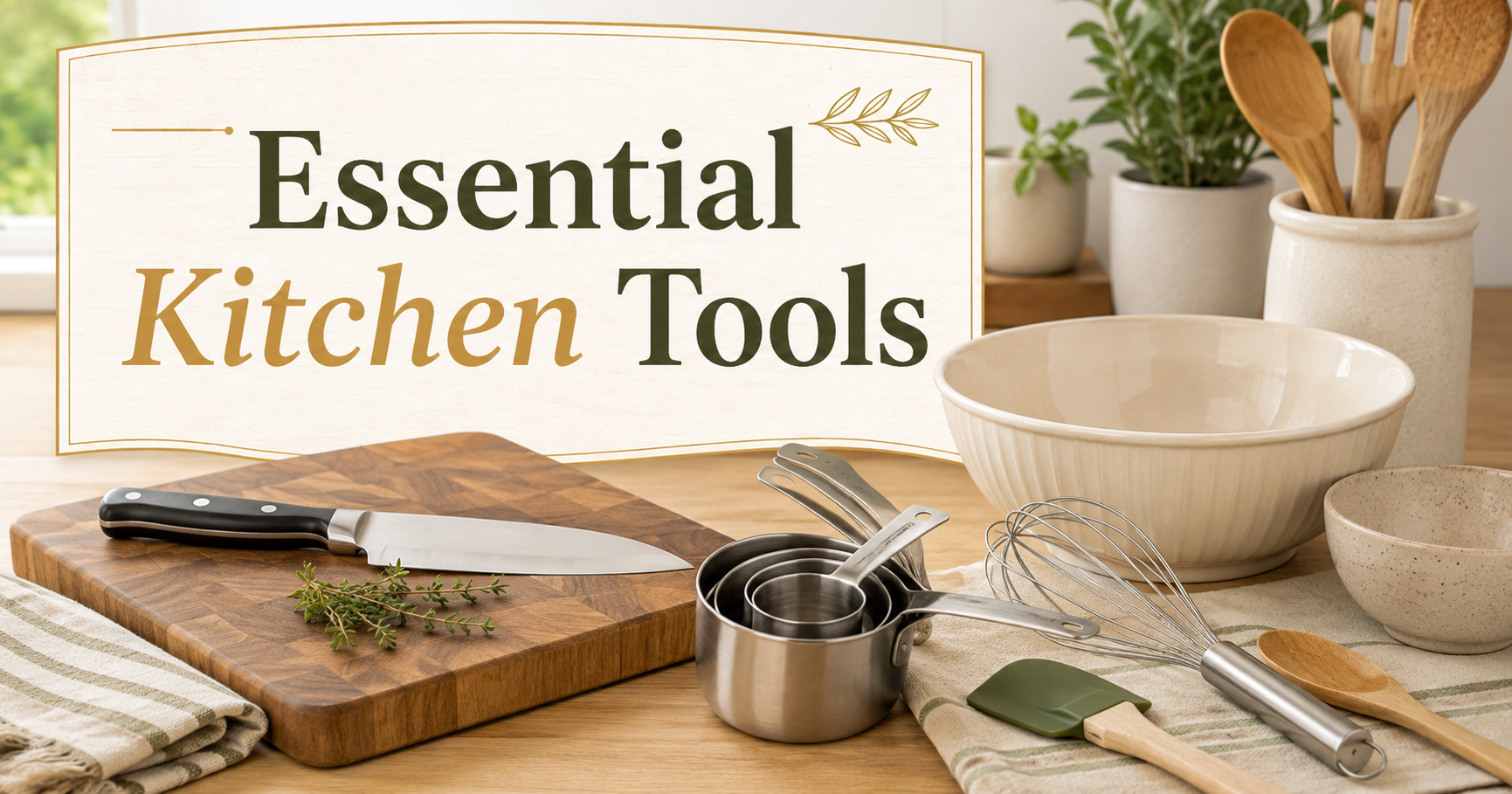
Essential Kitchen Tools for Beginner Cooks
Start with practical everyday tools instead of filling your kitchen with gadgets you may rarely use.
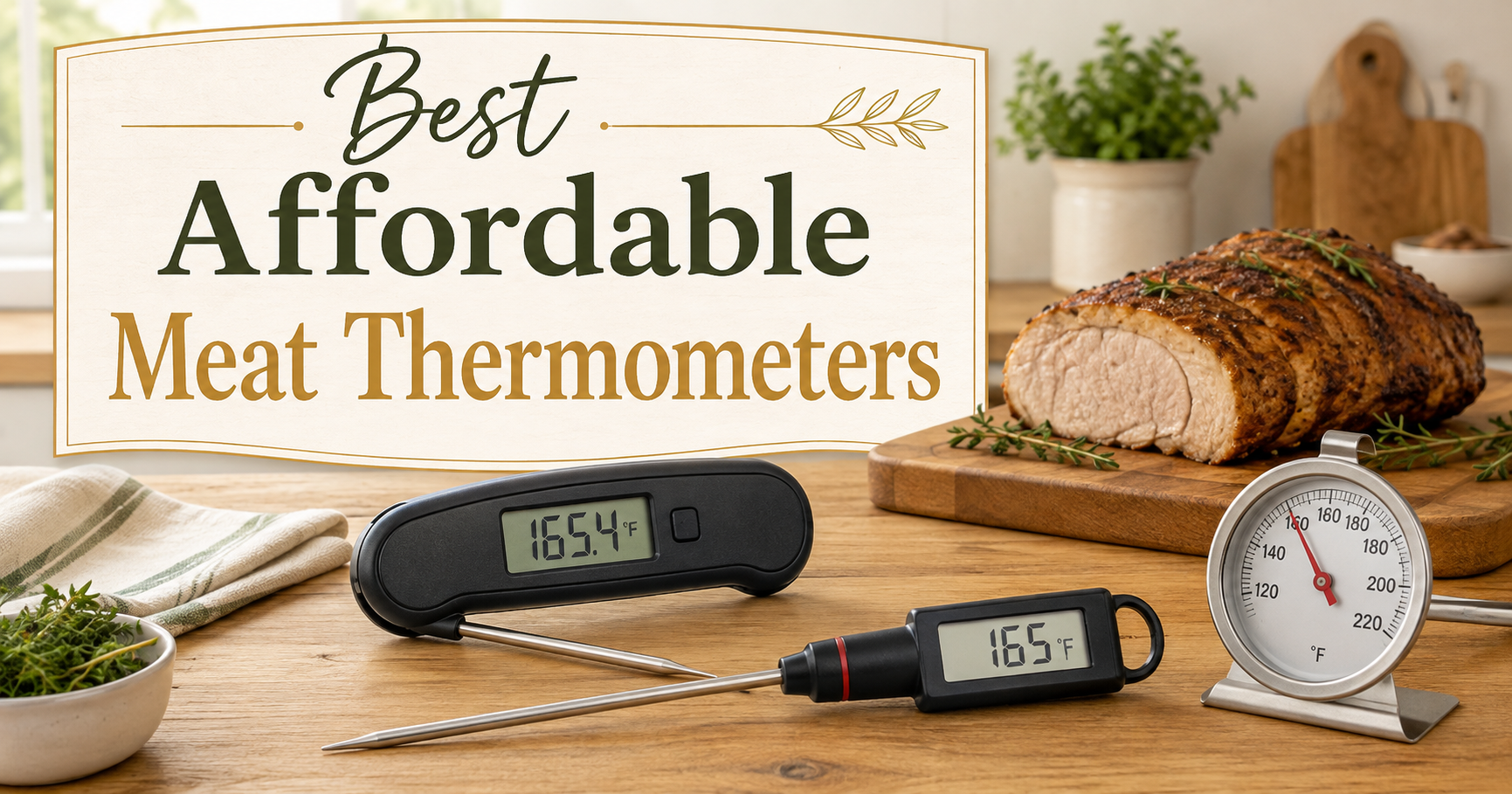
Best Affordable Meat Thermometers
Check chicken, burgers, roasts, and other foods without guessing whether the center is fully cooked.
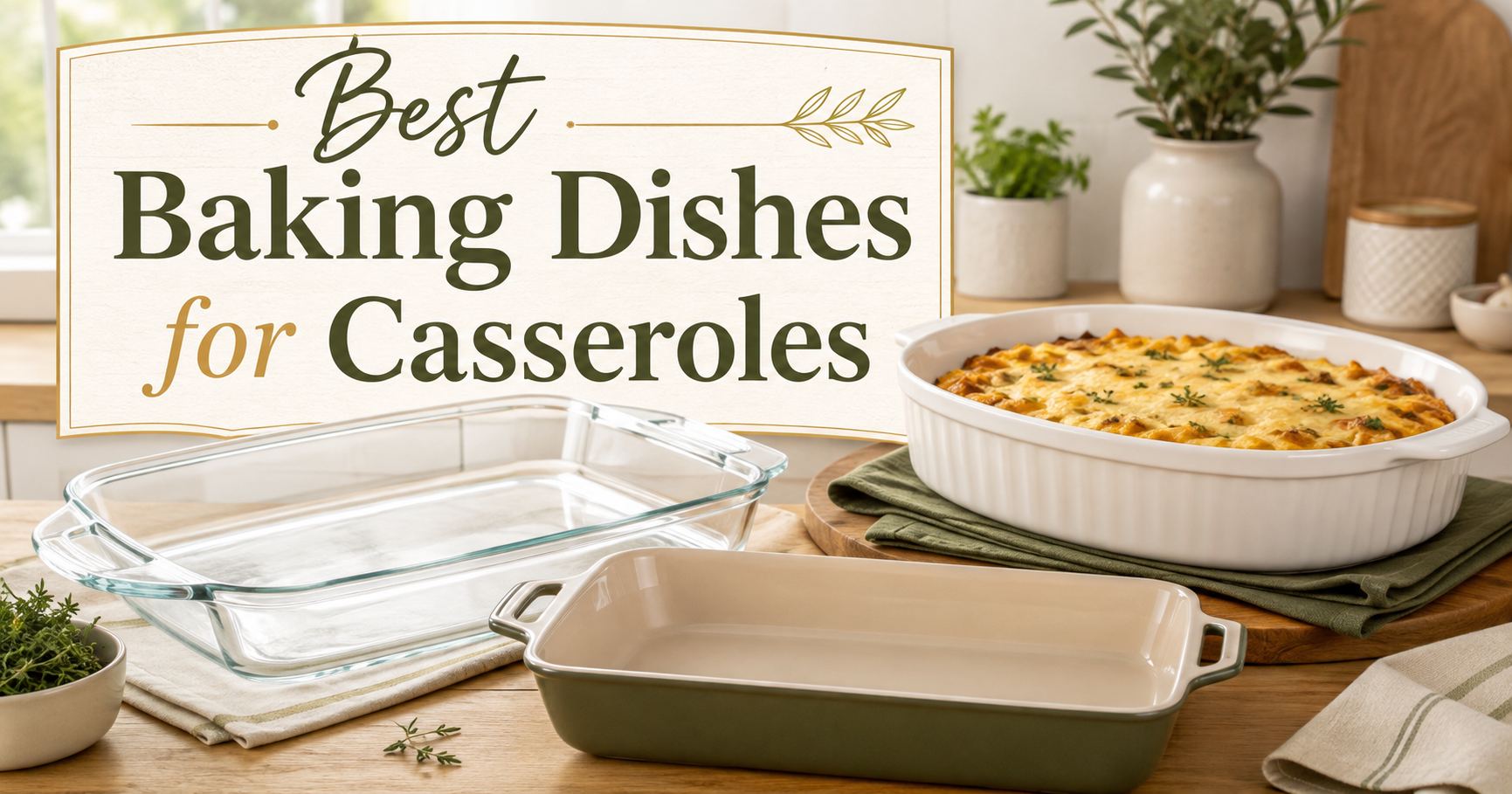
Best Baking Dishes for Casseroles
Compare dependable baking dishes for casseroles, rice bakes, biscuit bakes, desserts, and family meals.
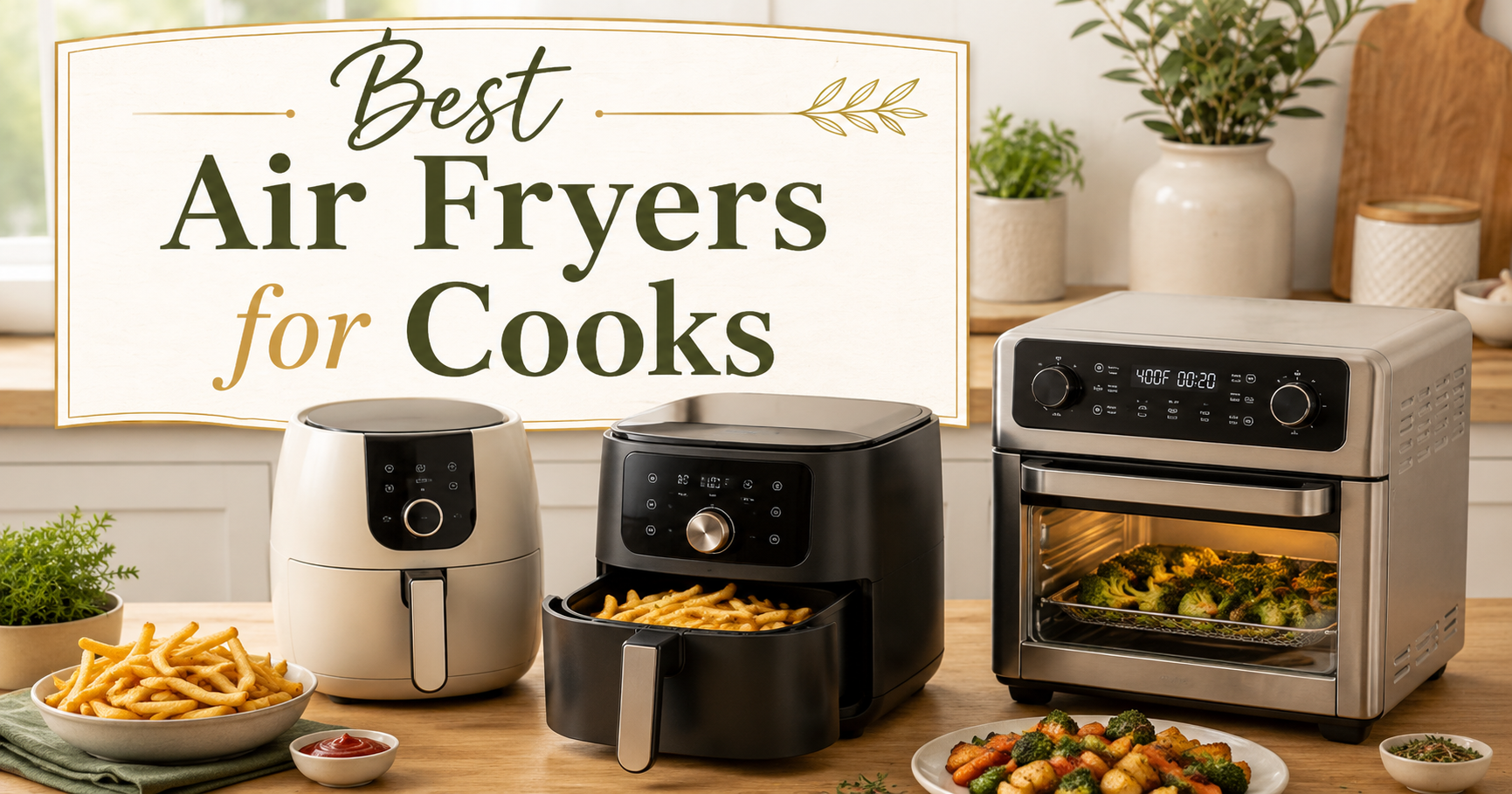
Best Air Fryers for Beginner Cooks
Find a beginner-friendly air fryer for crispy foods, quick dinners, reheating leftovers, and smaller meals.
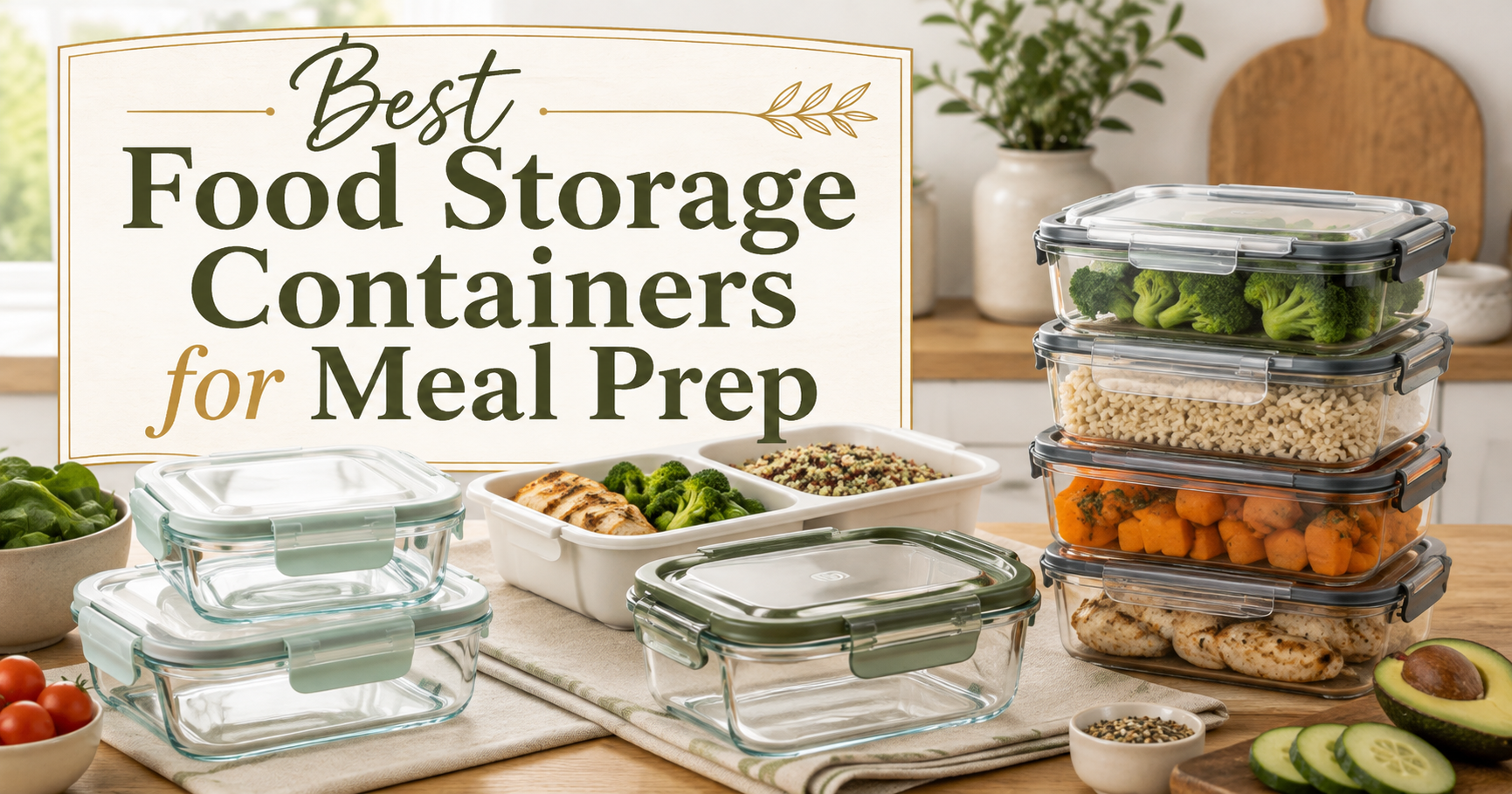
Best Food Storage Containers for Meal Prep
Store leftovers, lunches, freezer meals, and weekly meal-prep portions more neatly.
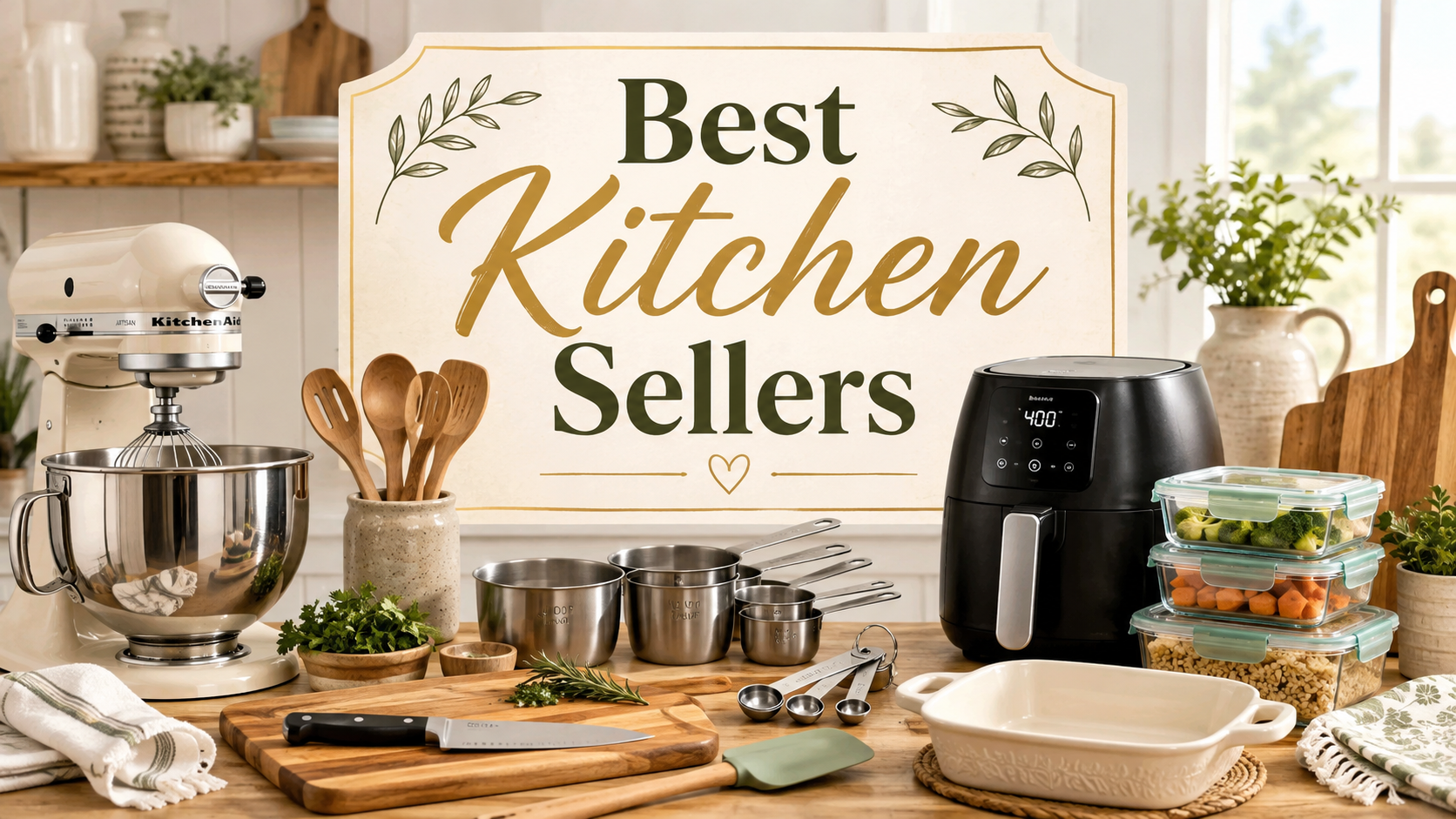
Featured Kitchen Pick
Explore another practical kitchen pick that can make everyday cooking and food preparation easier.