Beginner-Friendly Recipe
Best Baking Dishes for Casseroles
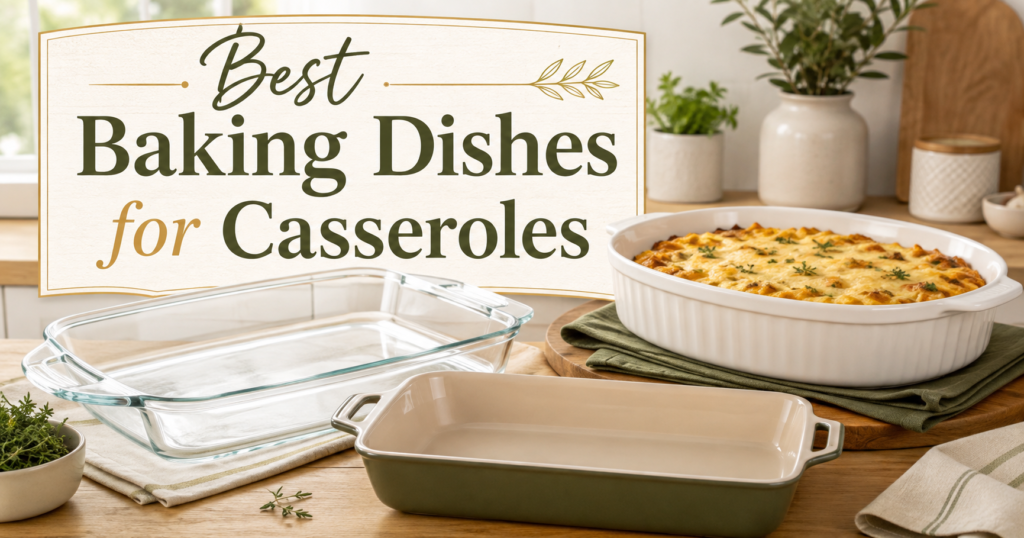
The right baking dish can help a casserole cook evenly, hold generous layers, and move easily from the oven to the dinner table. In this guide, you will find practical baking-dish options for lasagna, baked pasta, breakfast casseroles, enchiladas, vegetable bakes, cobblers, and make-ahead meals.
We compare glass, ceramic, metal, and cast-iron dishes so you can choose the material, size, and shape that work best for your recipes and cooking routine.
This page may contain affiliate links. We may earn a commission from qualifying purchases at no additional cost to you.
Mistakenly Smart Note
For most home cooks, a deep 9-by-13-inch rectangular baking dish is the most versatile place to start. It can handle family-size casseroles, baked pasta, layered desserts, roasted vegetables, and many make-ahead meals.
Quick Answer
The best baking dish for casseroles should be deep enough to hold layered ingredients, sturdy enough for regular oven use, and easy to lift when filled. Glass and ceramic dishes are useful for casseroles that go directly from the oven to the table, while metal pans are lighter and often produce more browning around the edges.
A rectangular 9-by-13-inch dish is a practical choice for family meals and potlucks. An 8- or 9-inch square dish works well for smaller households, side dishes, and half-size recipes. Covered baking dishes can be especially convenient for transporting food and storing leftovers.
What You Will Find in This Guide
This guide highlights the most useful casserole-dish styles and explains what each one does best. The right choice depends on the amount of food you normally prepare, how you serve it, and whether you need a dish that can also be used for storage or transportation.
- Best overall casserole dish: A deep 9-by-13-inch rectangular glass or ceramic dish.
- Best for smaller casseroles: An 8- or 9-inch square baking dish.
- Best for browning: A sturdy metal baking pan with higher sides.
- Best for serving: An attractive ceramic or stoneware dish that can move from oven to table.
- Best for potlucks: A covered dish with secure handles and a fitted lid.
- Best for heat retention: A cast-iron or enameled cast-iron casserole dish.
Which Baking-Dish Material Is Best?
Glass Baking Dishes
Glass baking dishes are practical for casseroles because they allow you to see the sides and bottom of the food while it cooks. They are useful for baked pasta, enchiladas, breakfast casseroles, cobblers, and layered dishes.
Many glass dishes can also be used in the refrigerator, freezer, microwave, and dishwasher when permitted by the manufacturer. Follow the product instructions carefully, place glass bakeware only in an appropriately preheated oven, and avoid sudden temperature changes.
Ceramic and Stoneware Baking Dishes
Ceramic and stoneware dishes are attractive enough to serve directly at the table. They are a good choice for lasagna, gratins, baked macaroni and cheese, vegetable casseroles, and desserts.
These dishes are often heavier than metal pans, so wide handles can make them easier to carry. Oven, freezer, microwave, broiler, and dishwasher compatibility varies by product, making it important to review the manufacturer’s care instructions.
Metal Baking Pans
Metal pans are lightweight, durable, and convenient for dishes that benefit from browned edges. They can work well for baked pasta, stuffing, breakfast bakes, cornbread casseroles, and recipes with a crisp topping.
Choose a pan with sturdy construction and sides that are deep enough to prevent bubbling sauces from spilling into the oven. Metal pans may not be the best option for storing highly acidic foods unless the manufacturer confirms that the finish is suitable.
Cast-Iron Casserole Dishes
Cast iron retains heat well and can help keep a casserole warm at the table. Enameled cast iron is also useful for recipes containing tomatoes and other acidic ingredients because the food does not come into direct contact with bare iron.
These dishes are durable but significantly heavier than glass, ceramic, or metal alternatives. Look for large handles, and consider the total weight of the dish after it is filled.
What Size Casserole Dish Should You Buy?
9-by-13-Inch Baking Dish
A 9-by-13-inch dish is one of the most useful sizes for family dinners, holiday sides, potlucks, and batch cooking. It works well for lasagna, baked ziti, enchiladas, breakfast casseroles, chicken and rice, and many layered desserts.
8- or 9-Inch Square Dish
A square dish is useful for smaller households, side dishes, dips, brownies, and recipes that do not require a full-size pan. It can also be a practical choice when dividing one large casserole into two smaller portions.
Deep Casserole Dish
A deeper dish gives layered ingredients and bubbling sauces more room. It is especially helpful for lasagna, deep breakfast bakes, bread pudding, and casseroles with a generous topping.
Oval Casserole Dish
Oval dishes are attractive for serving and work well for gratins, roasted vegetables, baked pasta, and smaller main dishes. However, rectangular dishes generally make it easier to arrange noodles, tortillas, and evenly divided portions.
What to Look for Before Buying
- Practical size: Select a capacity that matches the number of servings you usually prepare.
- Enough depth: Higher sides help contain layered ingredients, cheese, sauces, and bubbling fillings.
- Comfortable handles: Wide handles make a hot, fully loaded dish easier to lift with oven mitts.
- Fitted lid: A lid can simplify transportation and short-term storage without relying on foil or plastic wrap.
- Manageable weight: Consider how heavy the dish will become after the casserole is added.
- Easy cleanup: Check whether the dish and lid are dishwasher-safe.
- Temperature limits: Confirm the maximum oven temperature and whether broiler use is permitted.
- Storage compatibility: Review the instructions before moving a dish between the freezer, refrigerator, microwave, and oven.
Our Best Baking-Dish Recommendation
For most kitchens, a deep rectangular 9-by-13-inch glass or ceramic baking dish with wide handles is the most versatile choice. It offers enough space for family-size meals, works with many familiar casserole recipes, and can often be used as a serving dish.
A version with a fitted lid is particularly useful for potlucks and make-ahead meals. For smaller recipes, add an 8- or 9-inch square dish. Home cooks who prefer crisp, browned edges may also want a sturdy metal casserole pan.
Covered or Uncovered Baking Dish?
A baking dish does not need a lid to cook a casserole because recipes can usually be covered with foil when necessary. However, a fitted lid is helpful for carrying a cooled casserole, protecting leftovers, and keeping the dish covered in the refrigerator.
Check whether the lid is intended for oven use. Many plastic storage lids are designed only for covering a cooled dish and should be removed before reheating unless the manufacturer states otherwise.
Common Buying Mistakes
- Choosing a dish that is too shallow: Sauces and cheese may bubble over the sides during baking.
- Ignoring the handles: Small or slippery handles can be difficult to grip with bulky oven mitts.
- Assuming every dish is broiler-safe: Broiler compatibility varies by material and manufacturer.
- Buying only one size: A large rectangular dish may be inconvenient for a small side dish or half recipe.
- Forgetting the filled weight: Heavy materials can become difficult to move after ingredients are added.
- Using a storage lid in the oven: Confirm that every component is approved for the intended temperature.
Baking-Dish Safety Tips
Always follow the care and temperature instructions supplied with the baking dish. Use dry oven mitts, place hot dishes on a heat-resistant surface, and avoid sudden temperature changes that could damage glass, ceramic, stoneware, or enameled cookware.
Do not place a dish under the broiler, on a stovetop burner, or directly over a flame unless the manufacturer specifically approves that use. Inspect baking dishes regularly and stop using any item that is cracked, badly chipped, warped, or otherwise damaged.
Final Thoughts
The best baking dishes for casseroles combine useful capacity, dependable construction, comfortable handles, and simple cleanup. A deep 9-by-13-inch glass or ceramic dish is a strong all-purpose choice, while square, metal, covered, and cast-iron dishes can fill more specialized roles.
Choose a dish that fits your most frequently prepared recipes and feels comfortable to lift, clean, store, and carry. A dependable casserole dish can be used for everything from weekday dinners and breakfast bakes to holiday sides, potluck meals, and desserts.
Helpful Recipe Resources
Trusted Food, Cooking, and Recipe References
Mistakenly Delicious uses AI-assisted workflows, but useful recipes still need common sense, food safety checks, and reliable cooking references. These resources can help with ingredients, nutrition, safe temperatures, and the AI workflow behind this site.
Ingredient Data
USDA FoodData Central
A useful reference for checking ingredient and nutrition data when reviewing recipes.
Visit Resource →Cooking Help
Nutrition.gov Cooking Tips
Beginner-friendly guidance for meal prep, cooking basics, shopping, and planning.
Visit Resource →Food Safety
Safe Cooking Temperatures
A helpful food safety chart for checking safe internal temperatures for chicken, meat, seafood, and leftovers.
Visit Resource →Creator Workflow
TechnofluxAI
The AI workflow and creator systems site behind Mistakenly Delicious.
Visit TechnofluxAI →Mistakenly Delicious Kitchen Picks
Helpful Kitchen Tools for Easier Cooking
These beginner-friendly guides and kitchen picks can make cooking, baking, food-safety checks, and meal prep easier.
Affiliate disclosure: This section contains Amazon affiliate links. As an Amazon Associate, I earn from qualifying purchases at no additional cost to you.
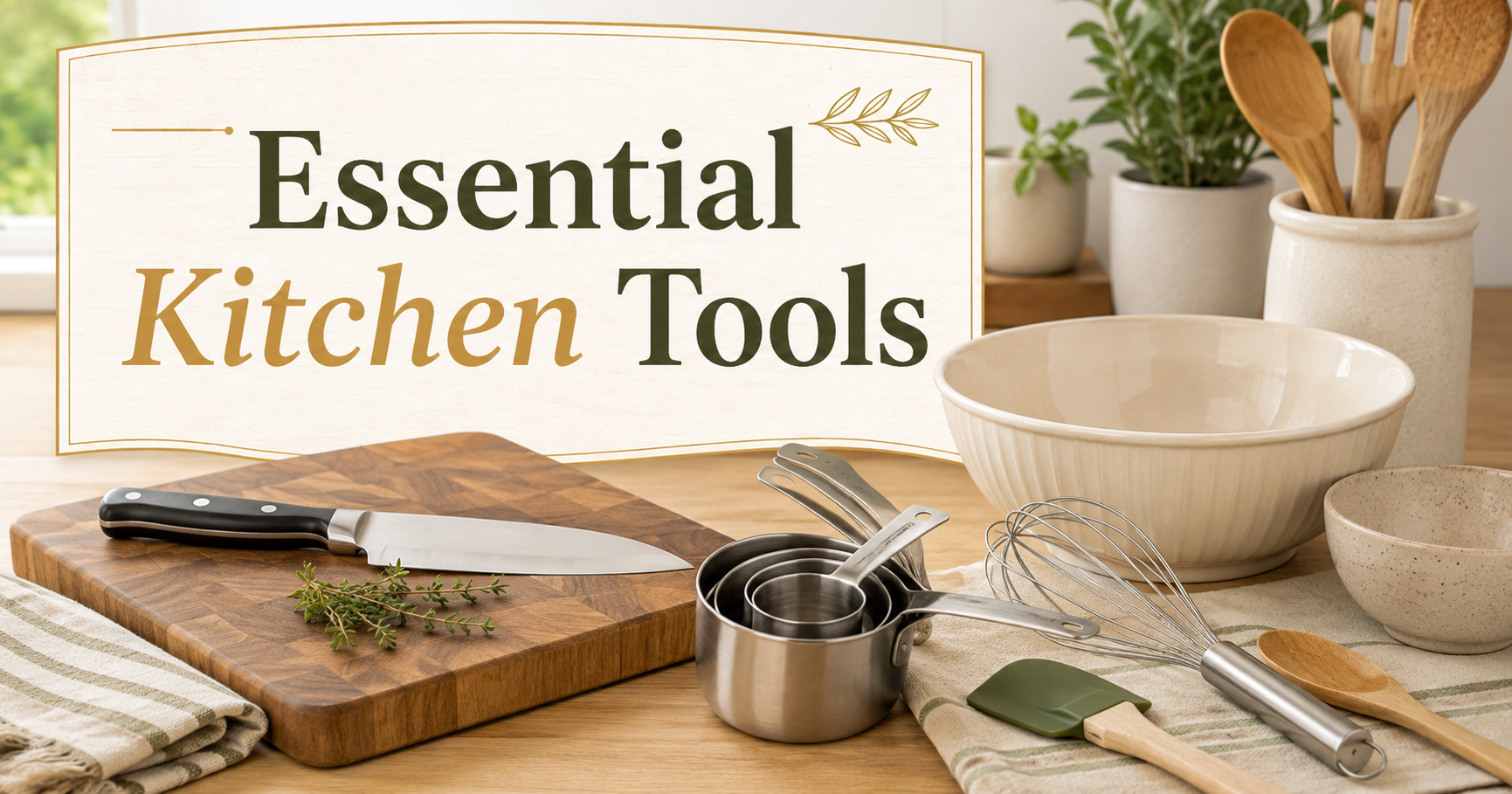
Essential Kitchen Tools for Beginner Cooks
Start with practical everyday tools instead of filling your kitchen with gadgets you may rarely use.
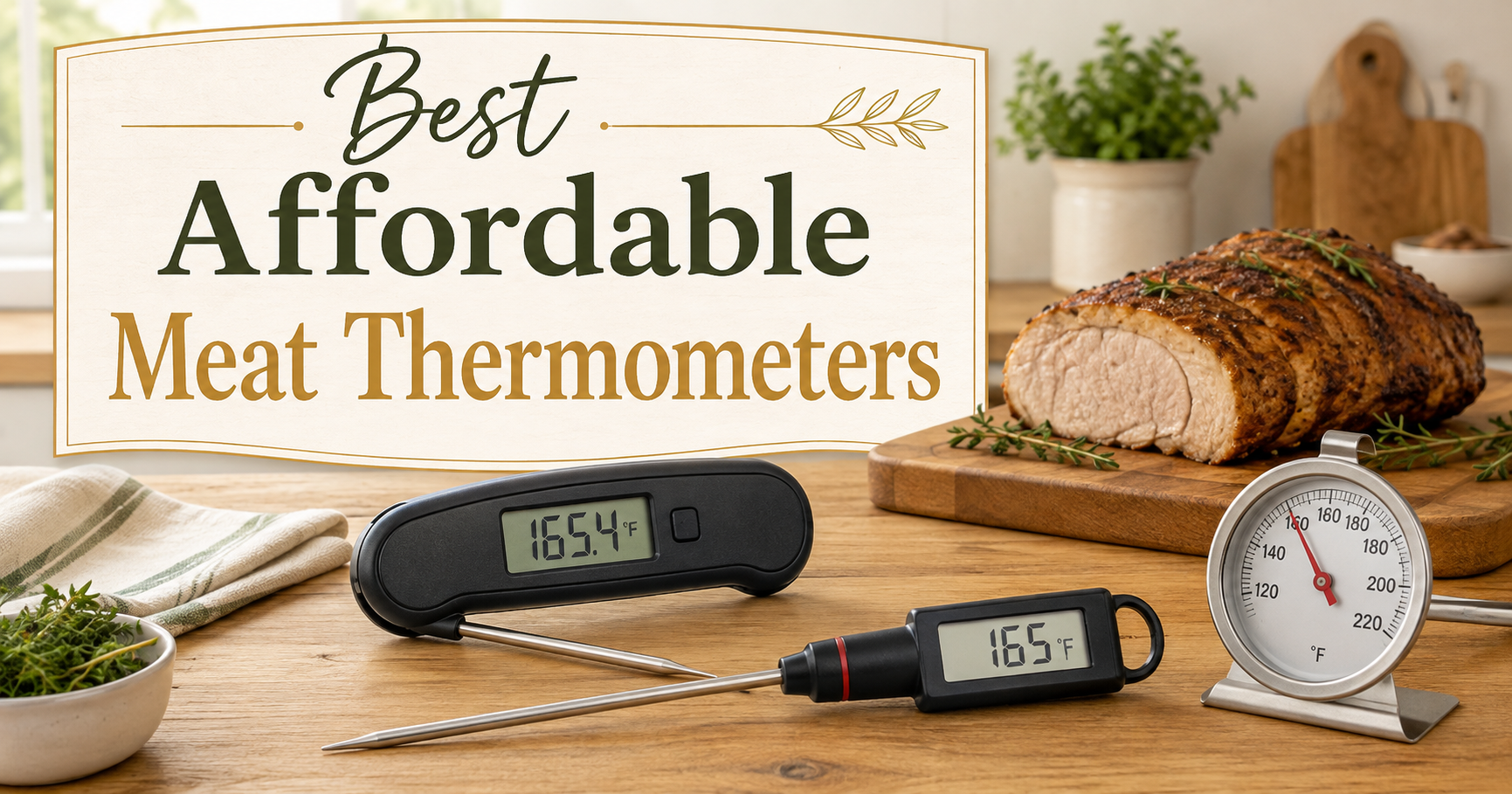
Best Affordable Meat Thermometers
Check chicken, burgers, roasts, and other foods without guessing whether the center is fully cooked.
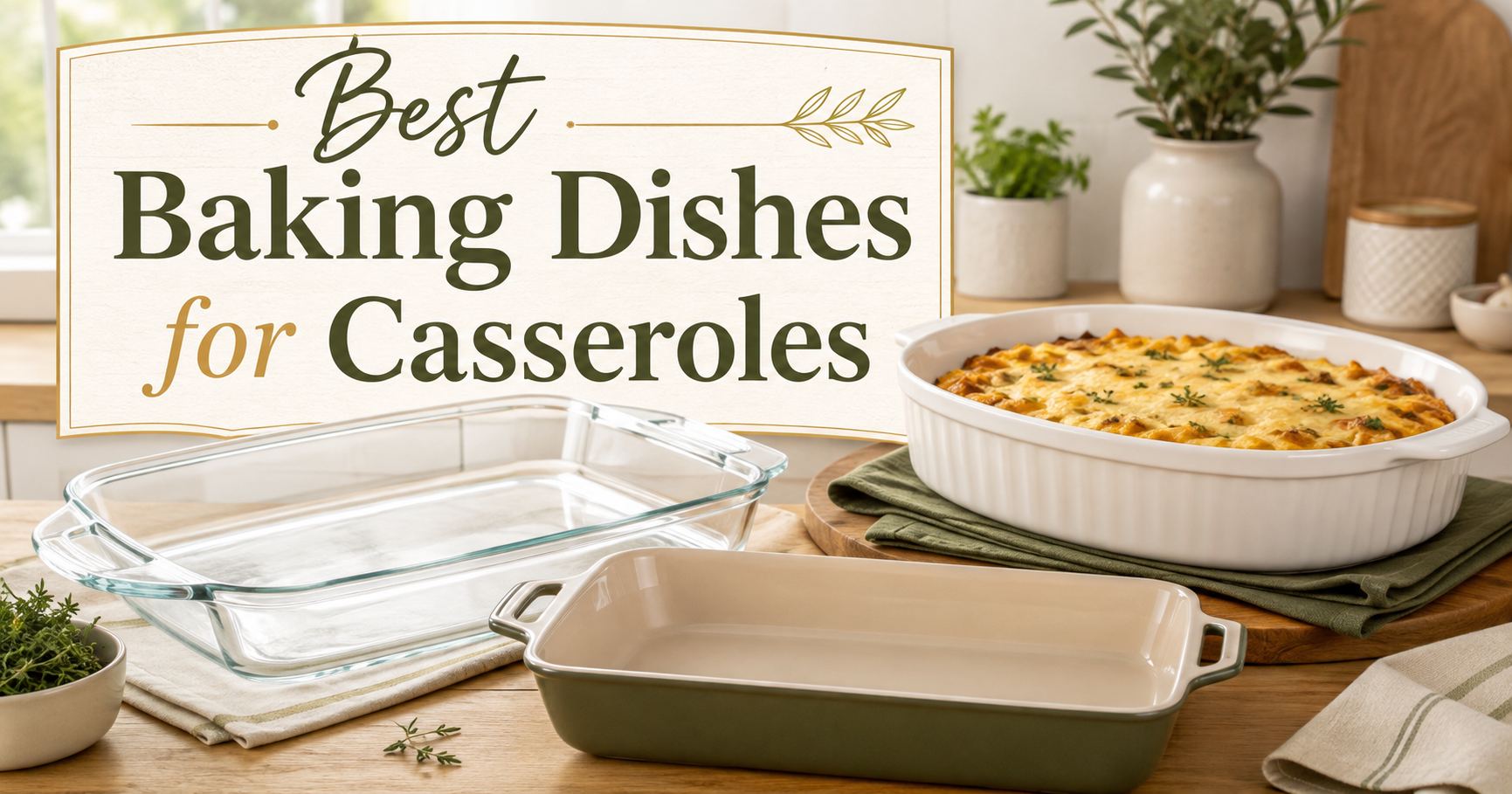
Best Baking Dishes for Casseroles
Compare dependable baking dishes for casseroles, rice bakes, biscuit bakes, desserts, and family meals.
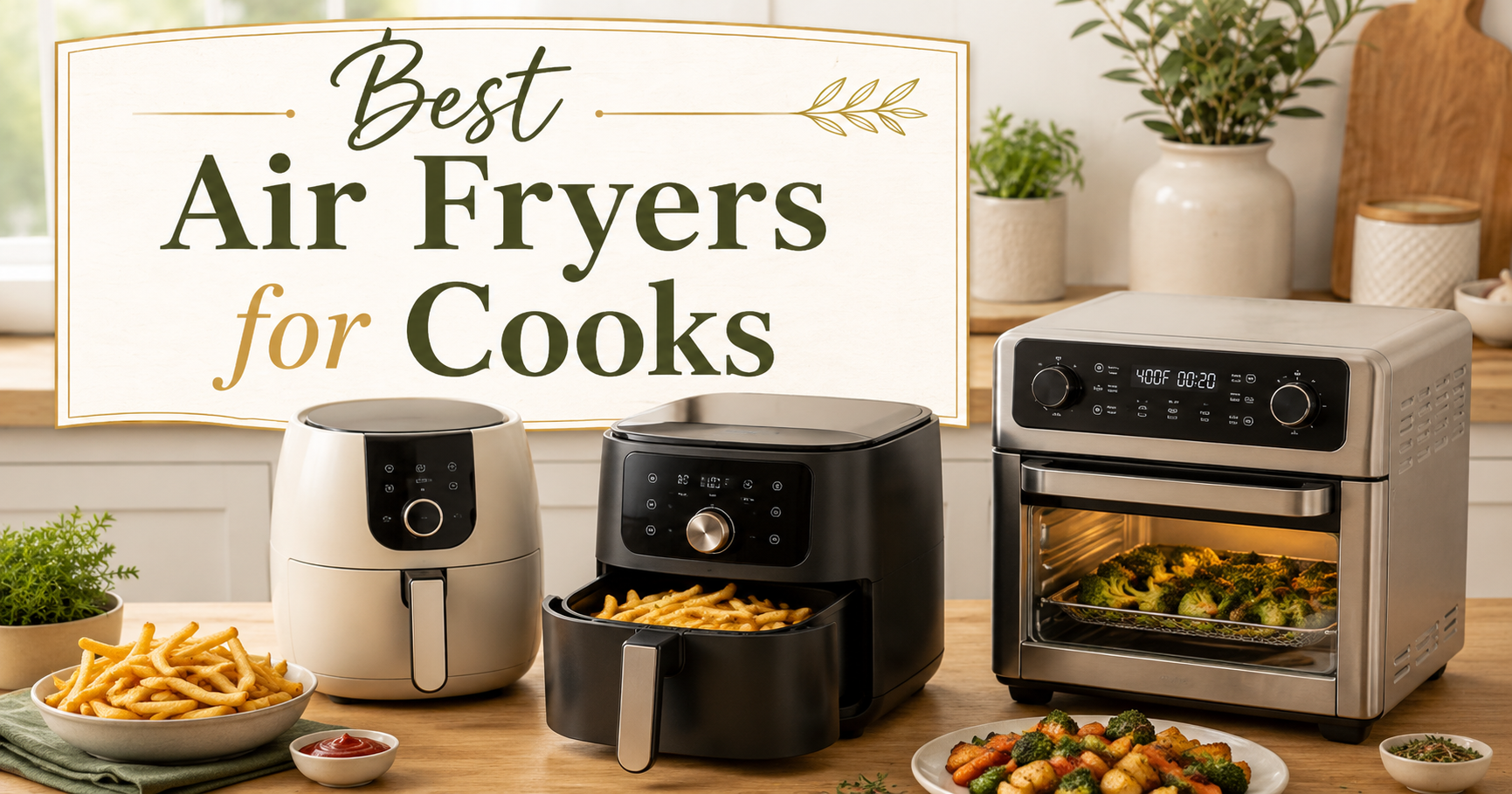
Best Air Fryers for Beginner Cooks
Find a beginner-friendly air fryer for crispy foods, quick dinners, reheating leftovers, and smaller meals.
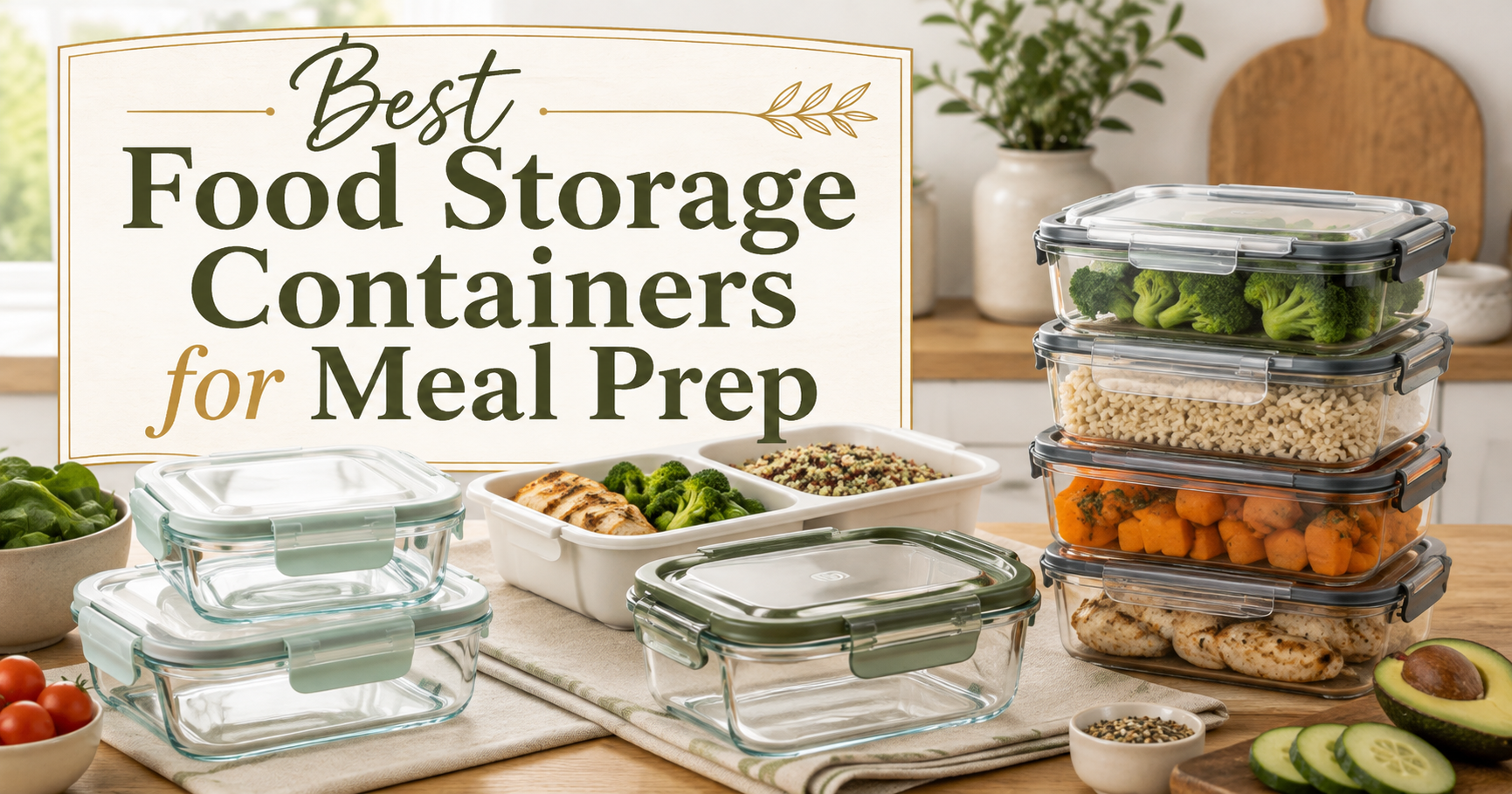
Best Food Storage Containers for Meal Prep
Store leftovers, lunches, freezer meals, and weekly meal-prep portions more neatly.
Featured Kitchen Pick
Explore another practical kitchen pick that can make everyday cooking and food preparation easier.