Beginner-Friendly Recipe
Best Food Storage Containers for Meal Prep
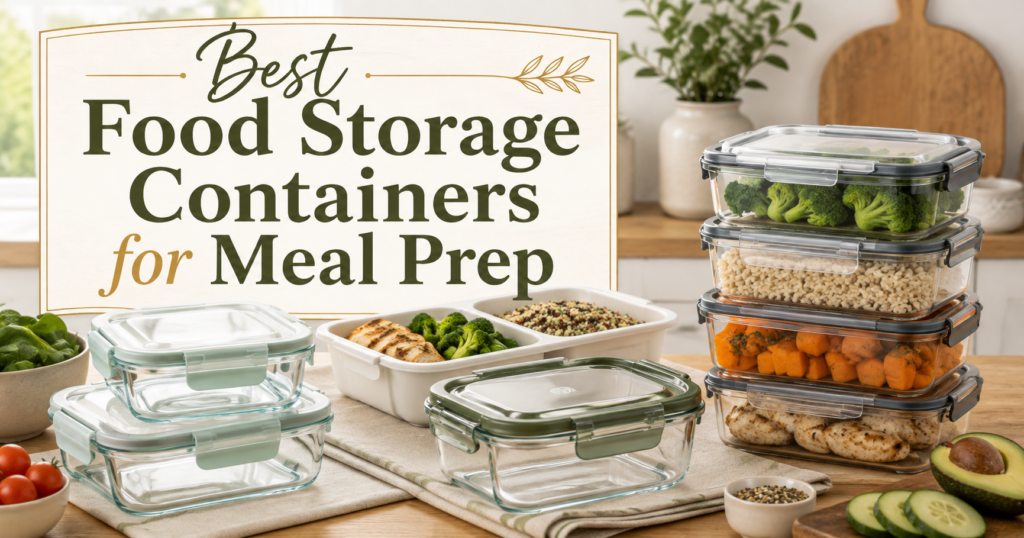
Good food storage containers make meal prep easier, keep ingredients organized, and help prepared meals stay fresh throughout the week. In this guide, you will find practical container options for storing lunches, dinners, snacks, sauces, and make-ahead ingredients.
This page may contain affiliate links. We may earn a commission from qualifying purchases at no additional cost to you.
Mistakenly Smart Note
The best meal prep container is not always the most expensive one. Look for a secure lid, a size that matches your usual portions, and a shape that stacks neatly in your refrigerator or freezer.
Quick Answer
For most meal preppers, the best food storage containers are durable, leak-resistant, easy to stack, and safe for the refrigerator, freezer, microwave, and dishwasher. Glass containers are a strong choice for reheating meals, while lightweight plastic containers are convenient for packed lunches and travel. Compartment containers work especially well when you want to keep foods separated.
What You Will Find in This Guide
This page highlights useful food storage container styles for different meal prep routines. Whether you prepare a full week of lunches, freeze individual dinners, or simply organize chopped ingredients, the right container can make the process faster and less frustrating.
- Best overall meal prep containers: Versatile sets that work for lunches, leftovers, and make-ahead dinners.
- Best glass containers: Durable options for reheating foods without transferring them to another dish.
- Best lightweight containers: Easy-to-carry choices for work, school, and travel.
- Best compartment containers: Divided designs that keep proteins, grains, vegetables, and snacks separated.
- Best freezer containers: Containers designed for soups, casseroles, sauces, and batch-cooked meals.
Which Type of Meal Prep Container Is Best?
Glass Containers
Glass containers are ideal for meals that will be reheated often. They resist stains and odors, and many can move from the refrigerator directly to the microwave or oven when used according to the manufacturer’s instructions. Their main drawback is that they are heavier than plastic and may break if dropped.
Plastic Containers
Plastic meal prep containers are lightweight, affordable, and convenient for taking meals away from home. Choose sturdy, food-safe containers with lids that close securely. Replace containers that become warped, cracked, heavily scratched, or difficult to seal.
Compartment Containers
Compartment containers are useful for portioning balanced meals and keeping different foods from mixing. They are a good option for grain bowls, snack boxes, children’s lunches, and meals that include both crisp and saucy ingredients.
Silicone Bags and Collapsible Containers
Reusable silicone bags and collapsible containers can save storage space. They work well for snacks, chopped produce, sandwiches, and smaller portions. Check the product instructions before using them in the freezer, microwave, or dishwasher.
What to Look for Before Buying
Start by considering how you normally prepare and transport food. A large set may be useful for batch cooking, but a smaller collection of dependable containers is often easier to organize.
- Leak-resistant lids: Important for soups, sauces, dressings, and meals carried in a bag.
- Stackable design: Helps save refrigerator and cabinet space.
- Useful sizes: Choose containers that fit your typical portions instead of relying on one size for every meal.
- Clear construction: Makes it easier to identify meals without opening each container.
- Easy cleaning: Smooth corners and removable seals can make cleanup simpler.
- Freezer and microwave safety: Confirm these features in the manufacturer’s instructions before use.
Our Best Meal Prep Container Recommendation
For everyday meal prep, a mixed set of rectangular glass containers with secure snap-lock lids is one of the most versatile choices. Rectangular containers stack efficiently, glass reheats well, and several sizes make it easier to portion complete meals, side dishes, and leftovers.
People who regularly carry meals to work or school may prefer lightweight plastic or compartment containers. For soups and sauces, prioritize a strong leak-resistant seal. For freezer cooking, choose containers that leave enough room for food to expand as it freezes.
Final Thoughts
The best food storage containers for meal prep should fit your routine, not make it more complicated. Focus on dependable lids, practical sizes, easy cleaning, and a design that stores neatly. A well-chosen set can help reduce food waste, simplify weekday meals, and make your refrigerator feel much more organized.
Mistakenly Delicious Kitchen Picks
Helpful Kitchen Tools for Easier Cooking
These beginner-friendly guides and kitchen picks can make cooking, baking, food-safety checks, and meal prep easier.
Affiliate disclosure: This section contains Amazon affiliate links. As an Amazon Associate, I earn from qualifying purchases at no additional cost to you.
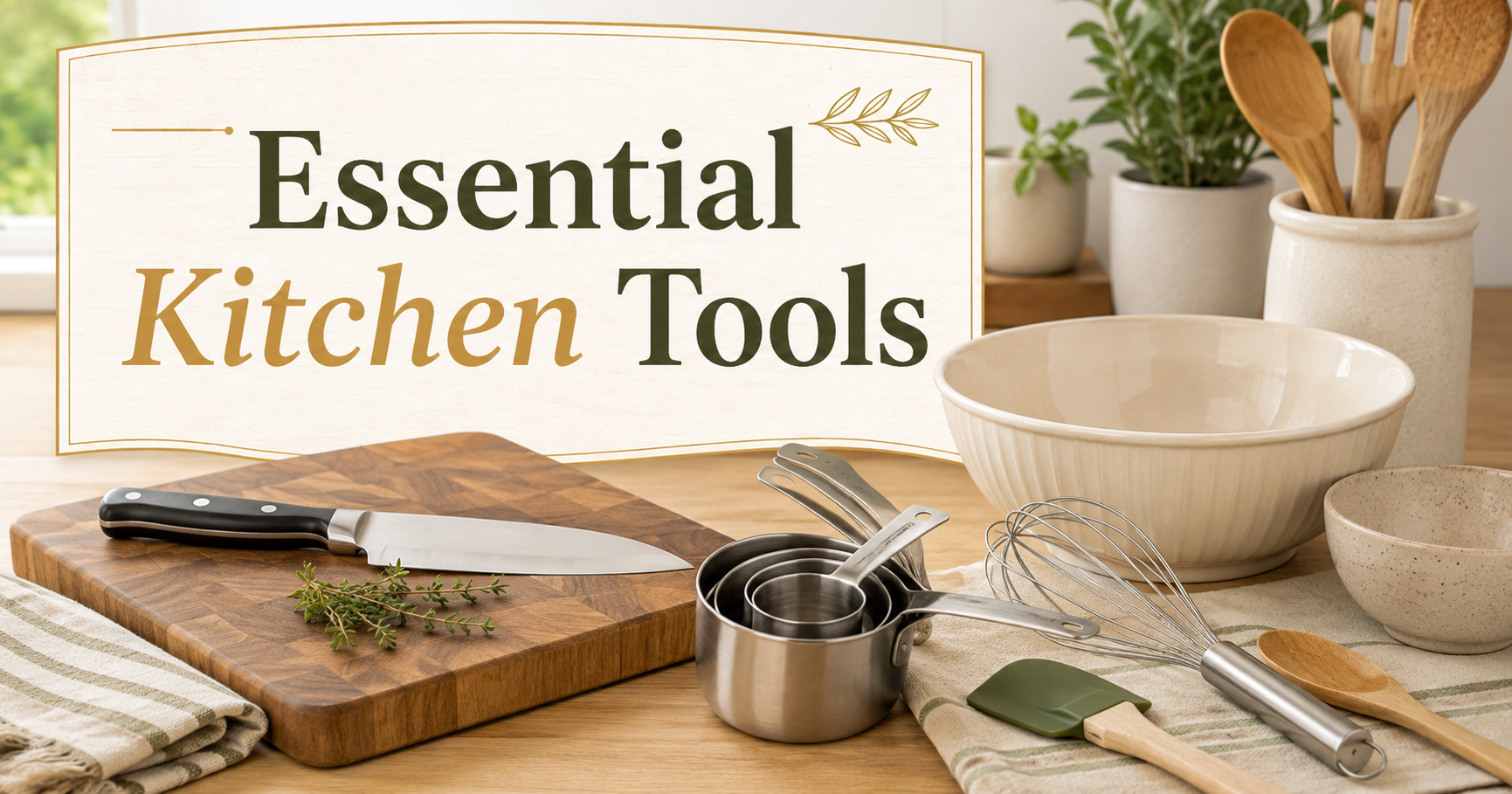
Essential Kitchen Tools for Beginner Cooks
Start with practical everyday tools instead of filling your kitchen with gadgets you may rarely use.
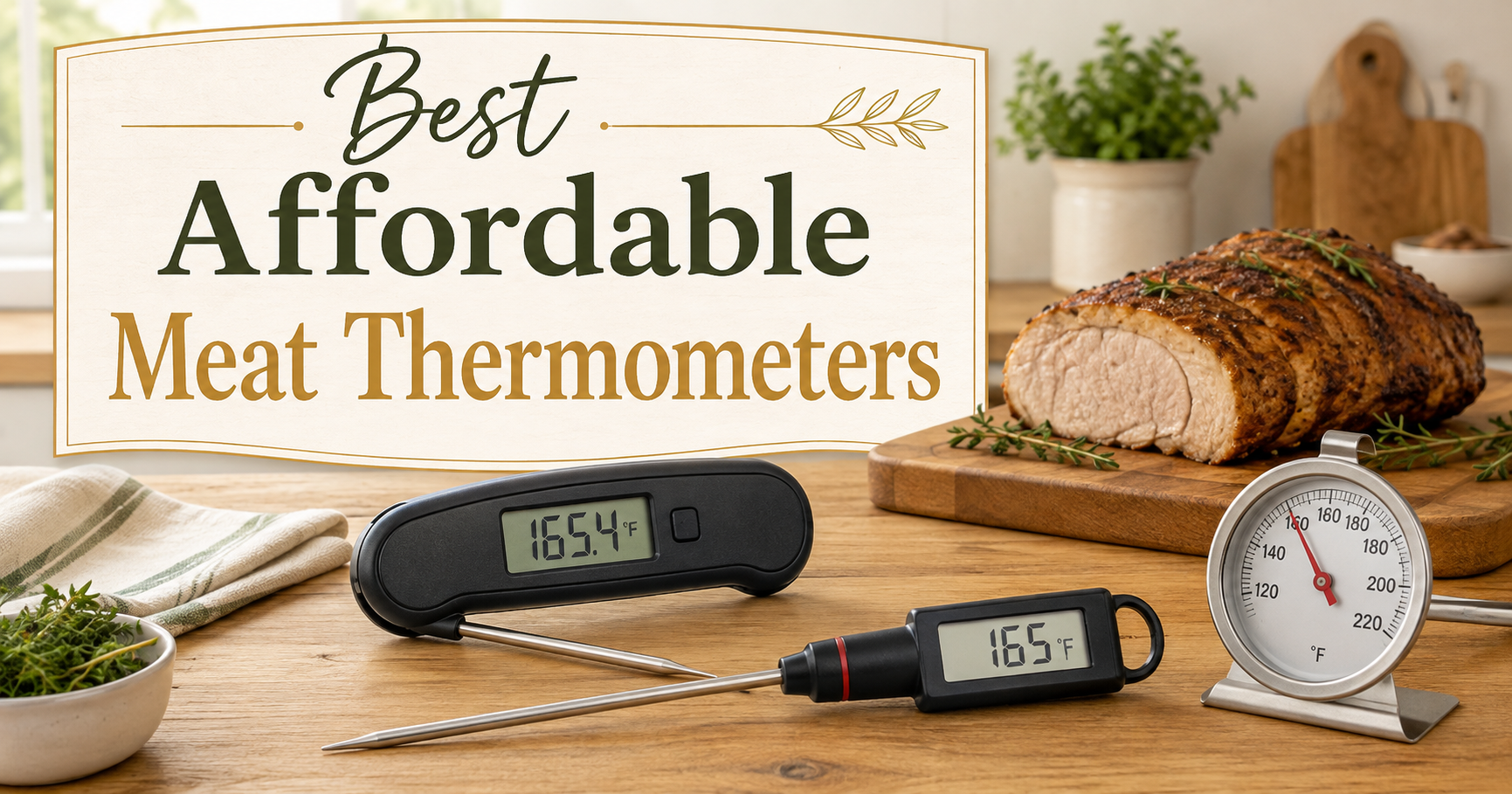
Best Affordable Meat Thermometers
Check chicken, burgers, roasts, and other foods without guessing whether the center is fully cooked.
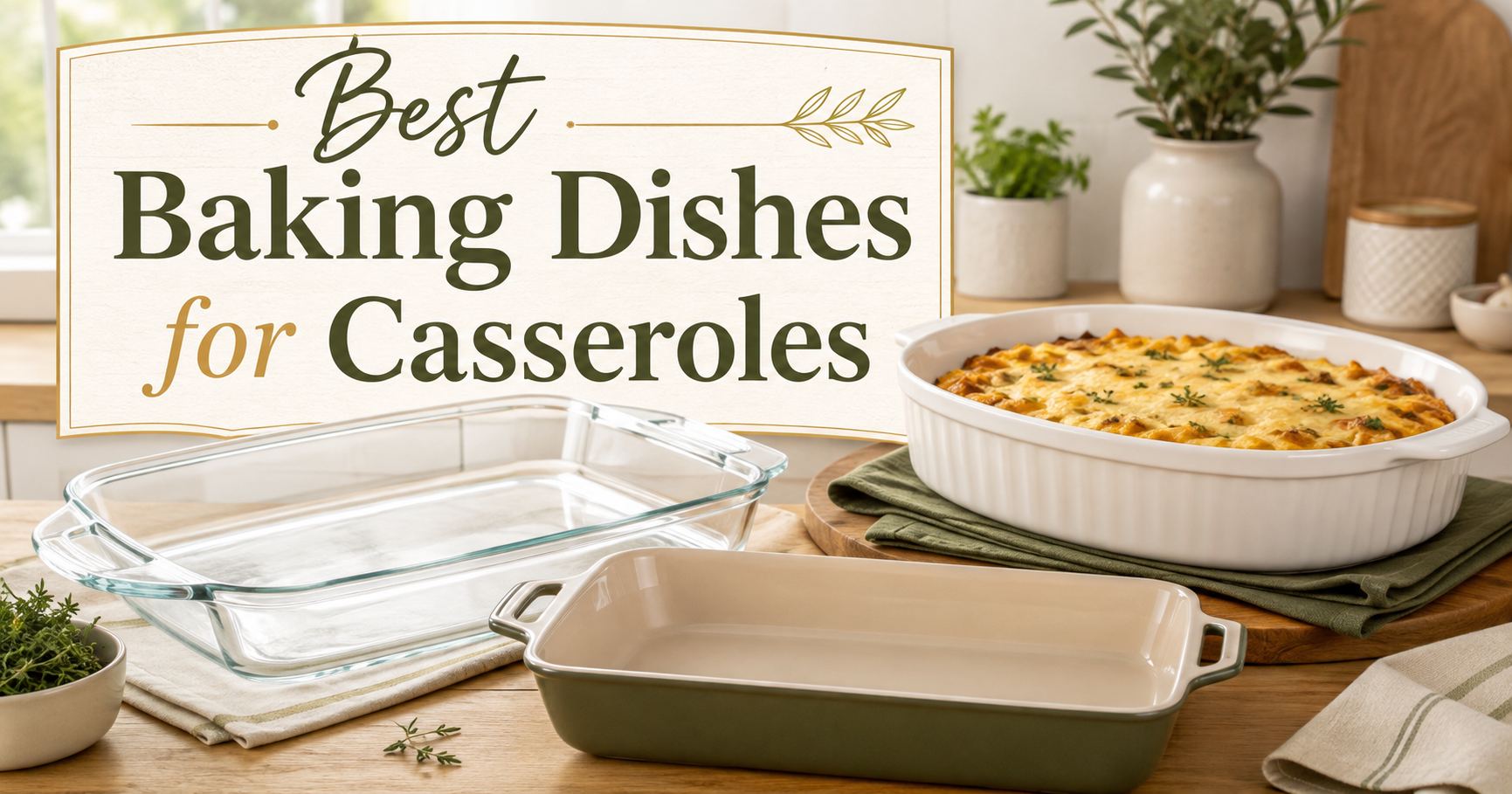
Best Baking Dishes for Casseroles
Compare dependable baking dishes for casseroles, rice bakes, biscuit bakes, desserts, and family meals.
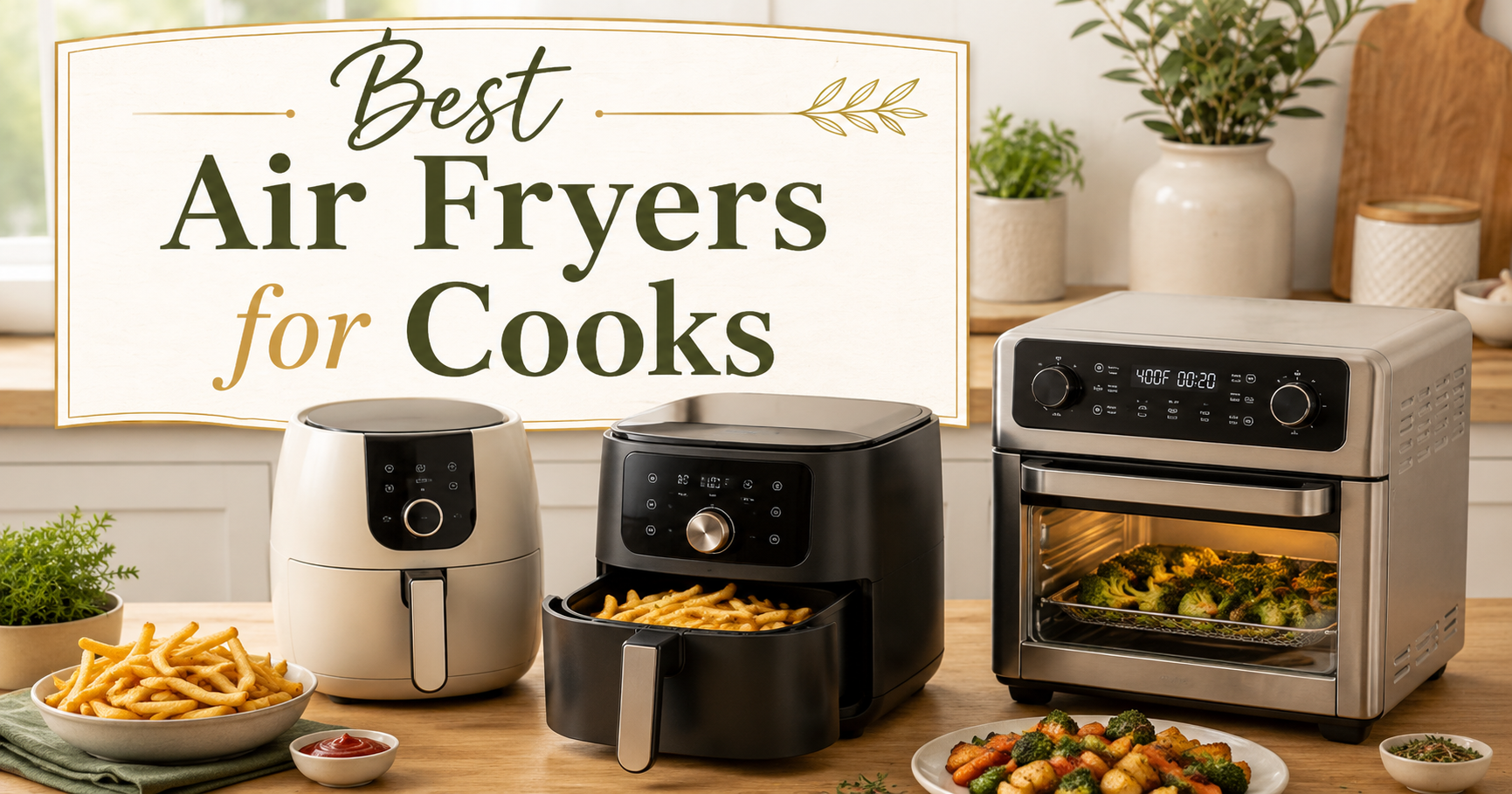
Best Air Fryers for Beginner Cooks
Find a beginner-friendly air fryer for crispy foods, quick dinners, reheating leftovers, and smaller meals.
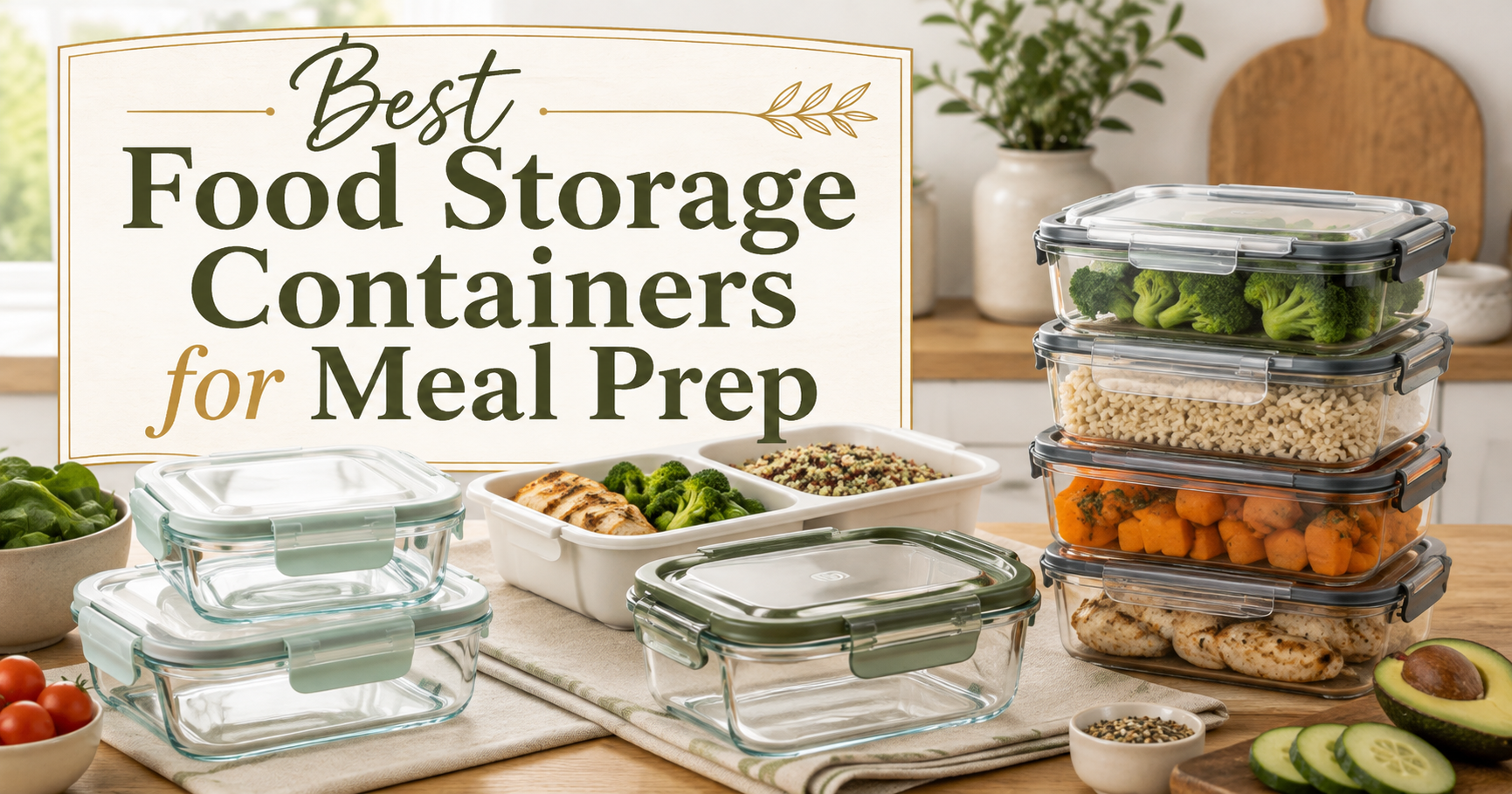
Best Food Storage Containers for Meal Prep
Store leftovers, lunches, freezer meals, and weekly meal-prep portions more neatly.
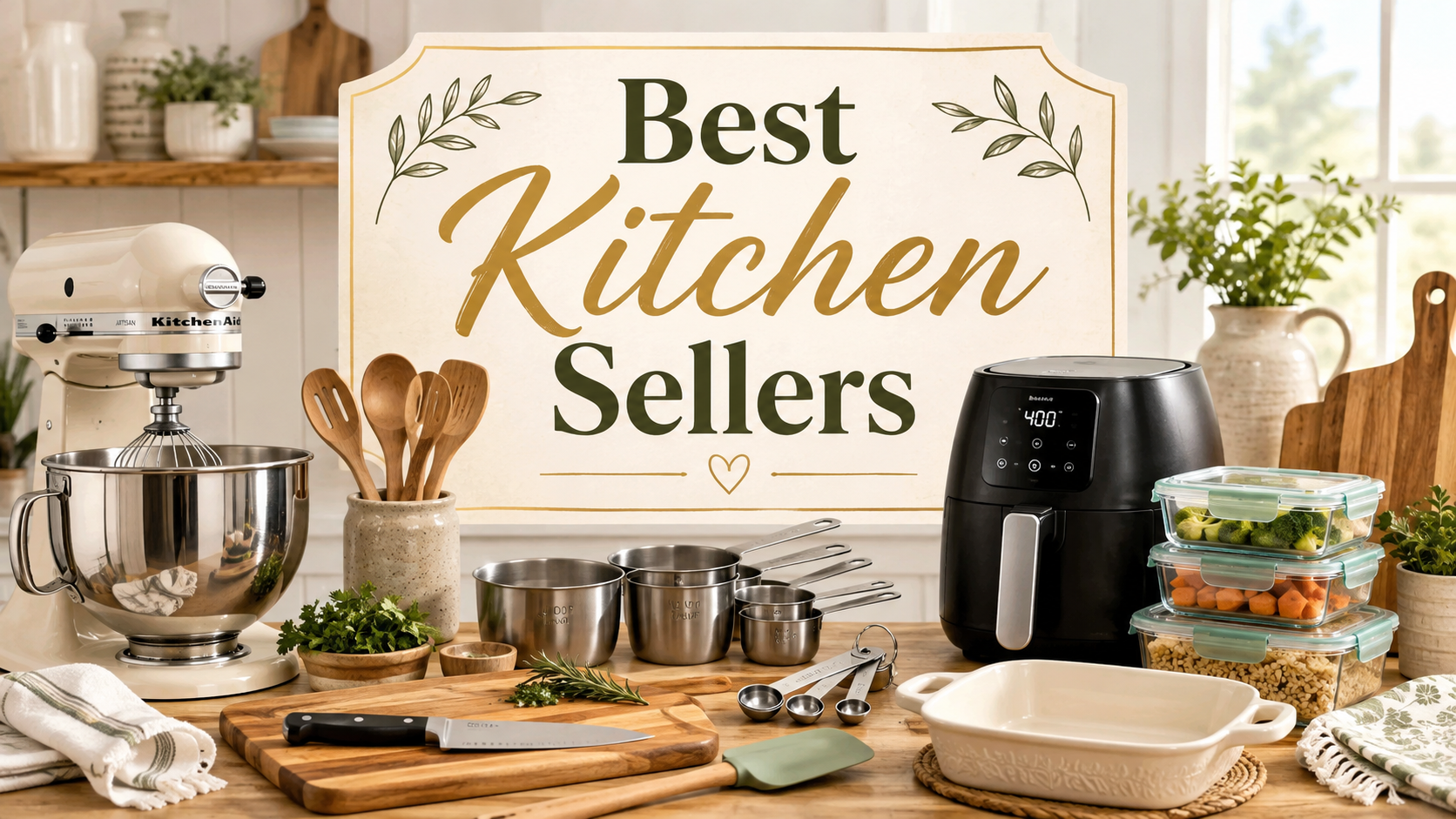
Featured Kitchen Pick
Explore another practical kitchen pick that can make everyday cooking and food preparation easier.
Helpful Recipe Resources
Trusted Food, Cooking, and Recipe References
Mistakenly Delicious uses AI-assisted workflows, but useful recipes still need common sense, food safety checks, and reliable cooking references. These resources can help with ingredients, nutrition, safe temperatures, and the AI workflow behind this site.
Ingredient Data
USDA FoodData Central
A useful reference for checking ingredient and nutrition data when reviewing recipes.
Visit Resource →Cooking Help
Nutrition.gov Cooking Tips
Beginner-friendly guidance for meal prep, cooking basics, shopping, and planning.
Visit Resource →Food Safety
Safe Cooking Temperatures
A helpful food safety chart for checking safe internal temperatures for chicken, meat, seafood, and leftovers.
Visit Resource →Creator Workflow
TechnofluxAI
The AI workflow and creator systems site behind Mistakenly Delicious.
Visit TechnofluxAI →