Beginner-Friendly Recipe
Beginner Homemade Pizza Dough
A practical, beginner-friendly beginner homemade pizza dough recipe with clear steps, useful substitutions, and dependable storage tips.

Quick Answer
This beginner homemade pizza dough is an easy yeast dough made with flour, warm water, yeast, salt, a little sugar, and olive oil. Mix and knead the dough until smooth, let it rise until doubled, divide it into two dough balls, and gently stretch each one into a pizza crust. Bake in a thoroughly preheated oven for a crisp bottom, golden edges, and a soft, chewy center.
Ingredients Overview
You only need a short list of basic ingredients for homemade pizza dough. All-purpose flour creates a crust that is easy for beginners to shape, while yeast provides the rise. Warm water hydrates the flour, salt adds flavor, sugar helps get the yeast started, and olive oil makes the dough easier to handle while adding tenderness.
Pizza Dough Shopping List
- All-purpose flour
- Yeast
- Fine salt
- Granulated sugar
- Olive oil
- Pizza sauce, cheese, and your favorite toppings for serving
View the beginner pizza dough shopping list.
Why This Beginner Homemade Pizza Dough Works
It Uses Everyday Ingredients
There is no specialty flour or complicated starter required. Regular all-purpose flour works well and gives beginning bakers a dough that is relatively easy to stretch and shape.
The Dough Is Soft Instead of Dry
A common beginner mistake is adding too much flour because the dough initially feels sticky. This recipe is designed to stay soft and slightly tacky. That extra moisture helps create a lighter, chewier crust after baking.
One Rise Keeps the Method Simple
You can make the dough and bake pizza the same day. A straightforward first rise develops enough structure and flavor without turning pizza night into an all-day project.
It Can Also Be Made Ahead
Once you are comfortable with the basic recipe, the dough can be refrigerated for a slower rise. Chilling it gives you flexibility for meal planning and can deepen the flavor of the finished crust.

Tips for Making Pizza Dough for the First Time
Measure Flour Carefully
For the most consistent result, weigh the flour with a kitchen scale. If you use measuring cups, spoon the flour into the cup and level it instead of packing it down.
Use Warm, Not Hot, Water
The water should feel comfortably warm rather than hot. Water that is excessively hot can damage yeast and prevent the dough from rising properly.
Expect a Slightly Tacky Dough
The finished dough should feel soft and may stick lightly to your fingers. Avoid repeatedly adding flour just to make the dough completely dry. Use only enough extra flour to make kneading and shaping manageable.
Give the Dough Time to Rise
Rise time is a guide rather than a strict deadline. A cool kitchen may require more time, while a warm kitchen may speed things up. Look for dough that has become puffy and approximately doubled in size.
Preheat the Oven Thoroughly
Pizza benefits from strong initial heat. Preheat the oven before you begin shaping the crust. If you are using a pizza stone or steel, allow it additional time to become thoroughly hot.
Easy Pizza Night Ideas and Swaps
Once you learn this basic homemade pizza dough, you can use it as the foundation for plenty of easy meals.
- Classic cheese pizza: Add pizza sauce, mozzarella, and Parmesan.
- Pepperoni pizza: Top with sauce, mozzarella, and sliced pepperoni.
- Vegetable pizza: Try bell peppers, mushrooms, onions, olives, or spinach.
- White pizza: Skip tomato sauce and use olive oil, garlic, ricotta, mozzarella, and herbs.
- Personal pizzas: Divide the dough into smaller portions and let everyone choose their own toppings.
- Calzones: Use portions of the dough to wrap your favorite pizza fillings.
Can I Use Bread Flour?
Yes. Bread flour can be substituted for all-purpose flour and usually produces a slightly chewier crust. The dough may also absorb water somewhat differently, so judge it by feel rather than adding extra flour immediately.
Can I Use Whole-Wheat Flour?
You can replace part of the all-purpose flour with whole-wheat flour. For a beginner-friendly texture, start by replacing about one-quarter of the flour rather than using 100 percent whole wheat.
How This Homemade Pizza Dough Comes Together
1. Mix the Dough
Combine the warm water, yeast, sugar, flour, salt, and olive oil until a shaggy dough forms. At this stage, it does not need to look perfectly smooth.
2. Knead Until Smooth
Kneading develops the gluten structure that helps pizza dough stretch without tearing. Continue until the dough becomes smoother, elastic, and slightly tacky.
3. Let It Rise
Place the dough in a lightly oiled bowl, cover it, and let it rise in a comfortable room-temperature location until puffy and roughly doubled.
4. Divide and Rest
Divide the risen dough into two portions and shape each into a loose ball. A short rest relaxes the gluten and makes stretching the crust easier.
5. Stretch the Pizza
Flatten one dough ball gently with your fingertips and work outward from the center, leaving a slightly thicker border around the edge. Continue stretching until the crust reaches the size you want.
6. Add Toppings Without Overloading
A thin layer of sauce and a moderate amount of cheese and toppings will help the center of the pizza bake properly. Too many wet toppings can make the crust soggy.
7. Bake Until Golden
Bake the pizza in the fully preheated oven until the crust is puffed and golden and the cheese is bubbling. Let it rest briefly before slicing.

Beginner Homemade Pizza Dough
Method
- Prepare the yeast. If using active dry yeast, combine the warm water, yeast, and sugar in a large mixing bowl. Let stand for about 5 to 10 minutes, until lightly foamy. If using instant yeast, you may mix it directly with the other ingredients.
- Mix the dough. Add the flour, salt, and olive oil. Stir with a wooden spoon or dough whisk until a shaggy dough forms and most of the dry flour has been incorporated.
- Knead. Turn the dough onto a lightly floured work surface. Knead for about 6 to 8 minutes, until smoother and elastic. The dough should remain soft and slightly tacky. Add additional flour only a tablespoon at a time if it is too wet to handle.
- First rise. Lightly oil a clean bowl. Place the dough inside and turn it once to coat lightly with oil. Cover and let rise in a warm room-temperature location for about 60 to 90 minutes, or until approximately doubled in size.
- Divide the dough. Gently deflate the dough and transfer it to the work surface. Divide into 2 equal portions and form each portion into a smooth ball.
- Rest the dough. Cover the dough balls and let them rest for 15 to 20 minutes. This makes the dough easier to stretch.
- Preheat the oven. Heat the oven to 475°F. If using a pizza stone or steel, place it in the oven while preheating and give it about 30 minutes to heat thoroughly.
- Shape the first crust. Gently flatten one dough ball. Use your fingertips to press outward from the center while leaving a slightly thicker edge. Lift and stretch the dough carefully until it is about 12 inches across. If it continually springs back, cover it and let it rest another 10 minutes.
- Transfer and top. Place the crust on a prepared pizza pan, baking sheet, or pizza peel dusted as appropriate for your baking setup. Add a light layer of sauce followed by cheese and desired toppings. Avoid overloading the center.
- Bake. Bake for approximately 10 to 14 minutes, depending on your oven and baking surface, until the crust is puffed and golden and the cheese is melted and bubbling.
- Finish. Carefully remove the pizza from the oven. Allow it to rest for 2 to 3 minutes before slicing.
- Repeat. Shape, top, and bake the second dough ball using the same method.
Notes
The dough should be soft and slightly tacky, not stiff or dry.
If the dough keeps shrinking while shaping, cover it and rest it for another 10 to 15 minutes.
For stronger flavor, refrigerate the covered dough after the initial mixing/rising stage and use it later.
Allow refrigerated dough to lose some of its chill before stretching.
Bread flour can replace all-purpose flour for a slightly chewier crust.
Because oven temperatures vary, use the appearance of the crust as your main doneness guide.
Do not eat raw pizza dough because uncooked flour may contain harmful microorganisms.
Tried this recipe?
Let us know how it was!Nutrition Information Disclaimer
Nutrition information is provided as an estimate only and may vary based on the ingredients, brands, portion sizes, substitutions, and preparation methods used. Optional toppings and serving suggestions may not be included in the calculation. For the most accurate information, calculate nutrition using the specific ingredients and amounts you use.
Allergy notice: Always check ingredient labels and avoid substitutions that may introduce allergens. This recipe has not been verified as allergen-free.
Mistakenly Delicious Kitchen Picks
Helpful Kitchen Tools for Easier Cooking
These beginner-friendly guides and kitchen picks can make cooking, baking, food-safety checks, and meal prep easier.
Affiliate disclosure: This section contains Amazon affiliate links. As an Amazon Associate, I earn from qualifying purchases at no additional cost to you.
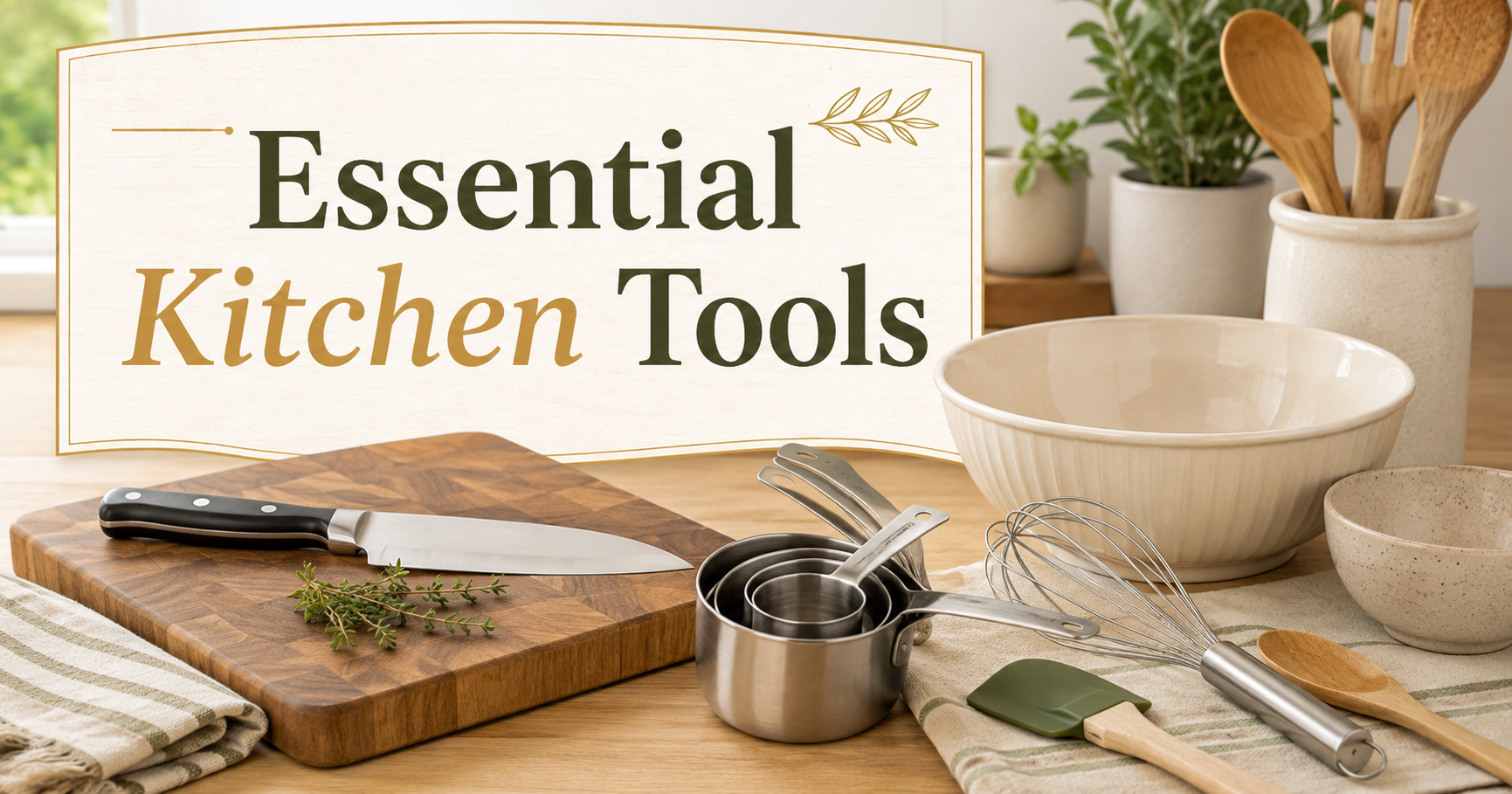
Essential Kitchen Tools for Beginner Cooks
Start with practical everyday tools instead of filling your kitchen with gadgets you may rarely use.

Best Affordable Meat Thermometers
Check chicken, burgers, roasts, and other foods without guessing whether the center is fully cooked.

Best Baking Dishes for Casseroles
Compare dependable baking dishes for casseroles, rice bakes, biscuit bakes, desserts, and family meals.

Best Air Fryers for Beginner Cooks
Find a beginner-friendly air fryer for crispy foods, quick dinners, reheating leftovers, and smaller meals.

Best Food Storage Containers for Meal Prep
Store leftovers, lunches, freezer meals, and weekly meal-prep portions more neatly.

Featured Kitchen Pick
Explore another practical kitchen pick that can make everyday cooking and food preparation easier.
Storage and Reheating
Refrigerating Pizza Dough
For make-ahead pizza dough, place the dough in a lightly oiled covered container with enough room for expansion. Refrigerate it and bring it toward room temperature before stretching so the dough is easier to shape.
Freezing Pizza Dough
Pizza dough can also be frozen in individual dough balls. Lightly coat each portion with olive oil and store it in a freezer-safe container or bag. Thaw it in the refrigerator, then allow it to warm slightly before shaping.
Storing Baked Pizza
Cool leftover pizza and refrigerate it promptly in a covered container. Reheat slices in a skillet, toaster oven, air fryer, or conventional oven until heated through and the crust becomes crisp again.
Food Safety Note
Flour is a raw agricultural ingredient and should not be eaten uncooked. Avoid tasting raw pizza dough, and wash hands, utensils, and work surfaces after they have been in contact with uncooked flour or dough. Also follow appropriate safe cooking and storage practices for any meat or other perishable toppings you add.
Common Pizza Dough Mistakes
Adding Too Much Flour
If dough sticks to your hands, it can be tempting to keep adding flour. Too much flour can create a dense, dry crust. Add only small amounts when necessary and allow kneading to improve the texture first.
Using Water That Is Too Hot
Very hot water can damage the yeast. Stick with pleasantly warm water when mixing the dough.
Not Letting the Dough Rise Enough
Instead of watching only the clock, watch the dough. It should look noticeably expanded and airy before you move on to shaping.
Forcing Dough That Keeps Shrinking
If the crust keeps springing back while you stretch it, stop and let it rest for another 10 to 15 minutes. The gluten will relax, making the dough much easier to shape.
Using Too Many Toppings
Heavy toppings can weigh down the center of the crust and introduce excess moisture. A lighter layer generally gives beginner pizza makers more consistent results.
Beginner Homemade Pizza Dough FAQ
What is the best flour for beginner pizza dough?
All-purpose flour is an excellent choice because it is widely available and creates a dough that is easy to work with. Bread flour is also suitable when you want a slightly chewier crust.
Why is my pizza dough sticky?
Some stickiness is normal, especially early in the kneading process. Continue kneading before deciding whether additional flour is needed. The finished dough should be soft and slightly tacky rather than wet and unmanageable.
Why does my pizza dough keep shrinking?
The gluten is probably too tight. Cover the dough and let it rest for 10 to 15 minutes before trying again.
Can I make pizza dough the night before?
Yes. Refrigerating the dough overnight is a convenient way to prepare ahead. Keep it covered in a lightly oiled container and allow it some time outside the refrigerator before shaping.
Do I need a pizza stone?
No. A pizza stone or steel can produce a crisp bottom crust, but a sturdy baking sheet or pizza pan works well for a beginner homemade pizza dough recipe.
Do I need a stand mixer?
No. The dough can be mixed and kneaded entirely by hand. A stand mixer with a dough hook is simply an optional convenience.
Can I freeze homemade pizza dough?
Yes. Divide the dough into pizza-size portions before freezing so you can thaw only what you need.
Final Notes
Learning to make pizza dough is mostly about learning what the dough should feel like. Keep it soft, give it time to rise, and resist the urge to cover it in extra flour. Once you have made this beginner homemade pizza dough a few times, shaping and stretching it becomes much more intuitive.
The same basic dough also gives you an easy starting point for experimenting with different pizza sauces, cheeses, vegetables, meats, herbs, and crust styles.
Trusted Resources
- U.S. Food and Drug Administration for consumer food-safety information, including guidance about safely handling raw flour.
- FoodSafety.gov for safe food preparation and storage guidance.
Helpful Recipe Resources
Trusted Food, Cooking, and Recipe References
Mistakenly Delicious uses AI-assisted workflows, but useful recipes still need common sense, food safety checks, and reliable cooking references. These resources can help with ingredients, nutrition, safe temperatures, and the AI workflow behind this site.
Ingredient Data
USDA FoodData Central
A useful reference for checking ingredient and nutrition data when reviewing recipes.
Visit Resource →Cooking Help
Nutrition.gov Cooking Tips
Beginner-friendly guidance for meal prep, cooking basics, shopping, and planning.
Visit Resource →Food Safety
Safe Cooking Temperatures
A helpful food safety chart for checking safe internal temperatures for chicken, meat, seafood, and leftovers.
Visit Resource →Creator Workflow
TechnofluxAI
The AI workflow and creator systems site behind Mistakenly Delicious.
Visit TechnofluxAI →