Beginner-Friendly Recipe
Classic Chicken Pot Pie
A practical, beginner-friendly classic chicken pot pie recipe with clear steps, useful substitutions, and dependable storage tips.

There is something especially comforting about pulling a bubbling, golden chicken pot pie from the oven. This classic chicken pot pie combines tender cooked chicken, familiar vegetables, a creamy savory gravy, and flaky pastry for the kind of dinner that feels both nostalgic and practical.
Mistakenly Smart Note
The secret to a chicken pot pie that slices instead of spilling across the plate is to thicken the filling before it ever goes into the crust. The gravy should coat a spoon before the chicken and peas are folded in.
Quick Answer
For a dependable classic chicken pot pie, start with cooked chicken, soften the vegetables in butter, build a creamy gravy with flour, chicken broth, and milk, then bake everything between two flaky pie crusts until deeply golden. Let the finished pie rest before slicing so the creamy filling has time to settle.
Ingredients Overview
This recipe uses a familiar mix of cooked chicken, onion, carrots, celery, peas, butter, flour, chicken broth, milk, thyme, salt, pepper, and pie pastry. An egg wash gives the top crust its glossy golden finish.
Cooked chicken keeps this recipe convenient. Leftover roasted chicken, poached chicken, or rotisserie chicken can all work well. Frozen peas are added near the end so they keep their color and texture instead of becoming overly soft.
Printable shopping list: Use the print option in the recipe card below for an easy ingredient list to take shopping.
Why This Recipe Works
The Filling Is Thickened First
Flour cooks briefly in butter with the vegetables before broth and milk are added. This creates a smooth gravy that is already thick before the pot pie reaches the oven, helping prevent a watery filling.
Cooked Chicken Keeps It Simple
Starting with cooked chicken makes the recipe easier to manage and prevents the crust from having to stay in the oven long enough to cook raw chicken from scratch.
A Double Crust Delivers Classic Pot Pie Texture
The bottom crust catches the creamy filling while the top crust becomes crisp and golden. Every serving gets a mix of flaky pastry and savory chicken filling.
Resting Makes Better Slices
The filling is extremely hot and fluid when the pie first comes from the oven. A short rest allows the gravy to settle and makes the pot pie much easier to serve.

Tips for the Best Chicken Pot Pie
Cut the Vegetables to a Similar Size
Small, evenly diced carrots, celery, and onion soften at a similar rate and distribute throughout the filling more evenly.
Cook the Flour Before Adding Liquid
Give the flour about a minute in the buttery vegetables before adding broth. This removes the raw flour flavor and helps create a smoother gravy.
Add the Broth Gradually
Whisking in the broth a little at a time makes it easier to incorporate the flour without leaving lumps in the sauce.
Do Not Skip the Steam Vents
Cut several small slits into the top pastry before baking. They allow steam to escape instead of collecting underneath the crust.
Protect the Crust if Necessary
If the edges become deeply browned before the center is finished baking, loosely shield the rim with foil while the pot pie finishes.
Meal Ideas and Easy Swaps
Chicken pot pie is substantial enough to serve on its own, but a crisp green salad, roasted green beans, steamed broccoli, or simple fruit salad makes an easy side.
Cooked turkey can replace the chicken for a convenient post-holiday meal. You can also use a frozen peas-and-carrots blend when you want to reduce prep work. For a slightly richer gravy, replace part of the milk with half-and-half.
If you prefer less pastry, the filling can be baked with only a top crust. Keep in mind that the final texture and yield will be slightly different from the classic double-crust version.
How This Chicken Pot Pie Comes Together
The recipe starts by gently cooking onion, carrots, and celery in butter. Flour turns that mixture into the base for the gravy, while chicken broth and milk provide the creamy consistency.
Once the gravy has thickened, cooked chicken and peas are folded in. The filling is transferred to the prepared bottom crust, covered with the second crust, vented, and brushed with egg wash.
The assembled pie then bakes until the pastry is crisp and richly golden and the filling is bubbling beneath the crust. Resting it before serving is the final step that transforms a bubbling-hot pie into neat, creamy slices.

Classic Chicken Pot Pie
Method
- Preheat the oven to 425°F. Fit one pie crust into a 9-inch pie plate and refrigerate it while preparing the filling. Place a baking sheet in the oven or have one ready to catch any drips.
- Melt the butter in a large skillet or saucepan over medium heat. Add the onion, carrots, and celery. Cook for about 7 to 8 minutes, stirring occasionally, until the onion is translucent and the vegetables begin to soften.
- Sprinkle the flour over the vegetables. Cook for 1 minute, stirring constantly so the flour is evenly coated with butter.
- Gradually whisk in the chicken broth. Add the milk and continue whisking until smooth.
- Bring the mixture to a gentle simmer. Cook for about 3 to 5 minutes, stirring frequently, until the gravy thickens enough to coat the back of a spoon.
- Stir in the salt, black pepper, and thyme. Fold in the cooked chicken and frozen peas. Remove from the heat and let the filling cool for about 10 minutes.
- Spoon the filling into the prepared bottom crust.
- Place the second pie crust over the filling. Trim excess pastry if necessary, then press and crimp the edges of the two crusts together. Cut several small slits in the top to allow steam to escape.
- Whisk the egg with 1 tablespoon water. Lightly brush the top crust with the egg wash.
- Place the pie on a baking sheet and bake for 35 to 40 minutes, or until the crust is deeply golden and the filling is bubbling through the vents. If the crust edges brown too quickly, loosely cover them with foil.
- Check the center of the filling with a food thermometer. It should reach 165°F.
- Transfer the pie to a cooling rack and let it rest for 15 minutes before slicing and serving.
Notes
Dice the carrots and celery fairly small so they become tender during the initial sauté.
The gravy should be noticeably thick before the filling goes into the pie.
Place the pie on a baking sheet to catch occasional bubbling at the edges.
If using salted broth or heavily seasoned rotisserie chicken, reduce the added salt and adjust after tasting the filling.
Resting the pie is important for cleaner slices.
Storage Refrigerate covered leftovers promptly and use within 3 to 4 days. Reheat leftovers to 165°F. Freezer Notes For convenient portions, cool the baked pot pie, slice it, and wrap individual servings securely before freezing. Thaw in the refrigerator when possible and reheat thoroughly to 165°F. Estimated Nutrition Serving size: 1/6 of pie
Calories: approximately 620 per serving Nutrition is an estimate and will vary based on the pie crust, chicken, broth, milk, and other brands use
Tried this recipe?
Let us know how it was!Nutrition Information Disclaimer
Nutrition information is provided as an estimate only and may vary based on the ingredients, brands, portion sizes, substitutions, and preparation methods used. Optional toppings and serving suggestions may not be included in the calculation. For the most accurate information, calculate nutrition using the specific ingredients and amounts you use.
Allergy notice: Always check ingredient labels and avoid substitutions that may introduce allergens. This recipe has not been verified as allergen-free.
Mistakenly Delicious Kitchen Picks
Helpful Kitchen Tools for Easier Cooking
These beginner-friendly guides and kitchen picks can make cooking, baking, food-safety checks, and meal prep easier.
Affiliate disclosure: This section contains Amazon affiliate links. As an Amazon Associate, I earn from qualifying purchases at no additional cost to you.
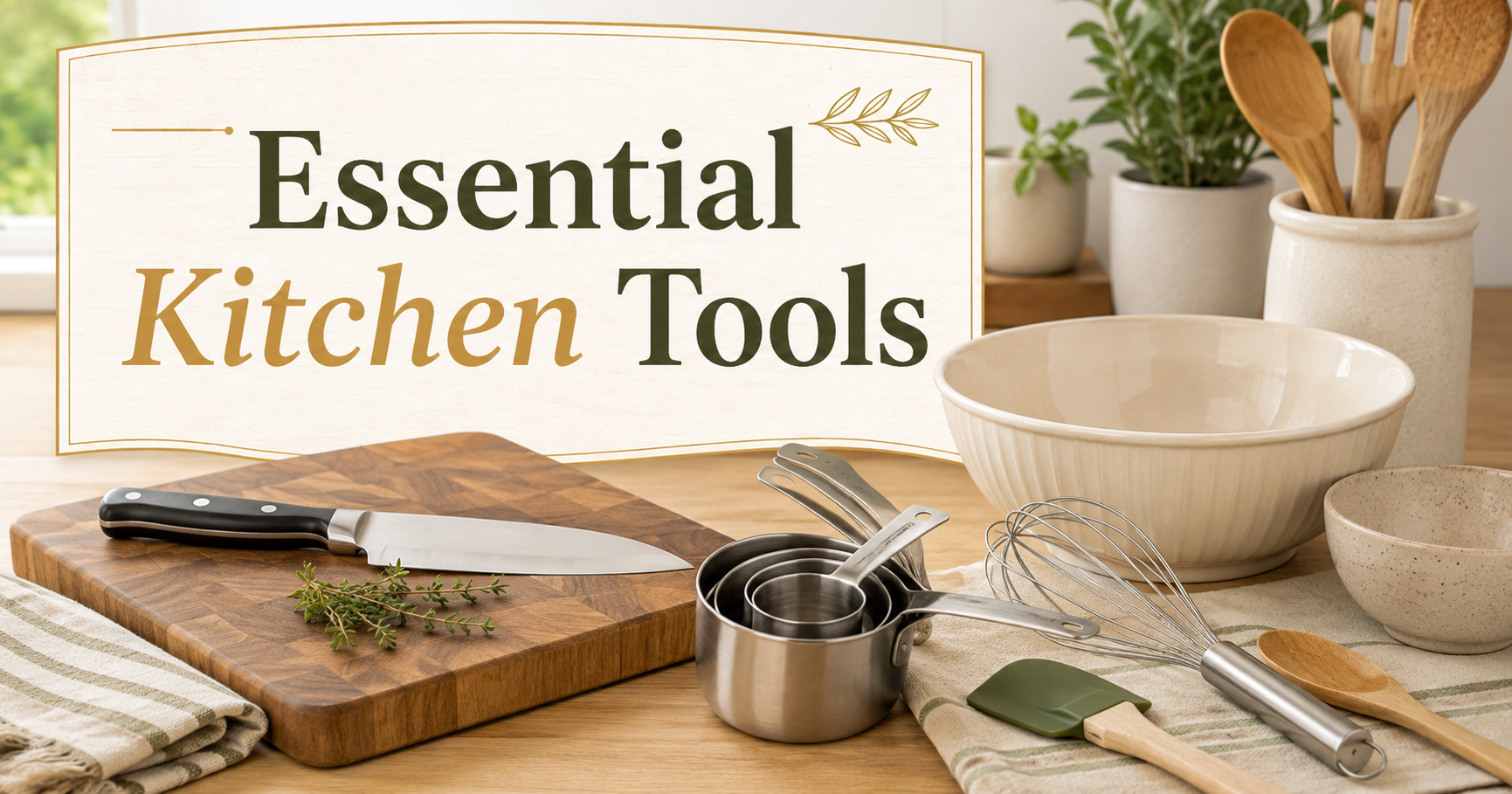
Essential Kitchen Tools for Beginner Cooks
Start with practical everyday tools instead of filling your kitchen with gadgets you may rarely use.

Best Affordable Meat Thermometers
Check chicken, burgers, roasts, and other foods without guessing whether the center is fully cooked.
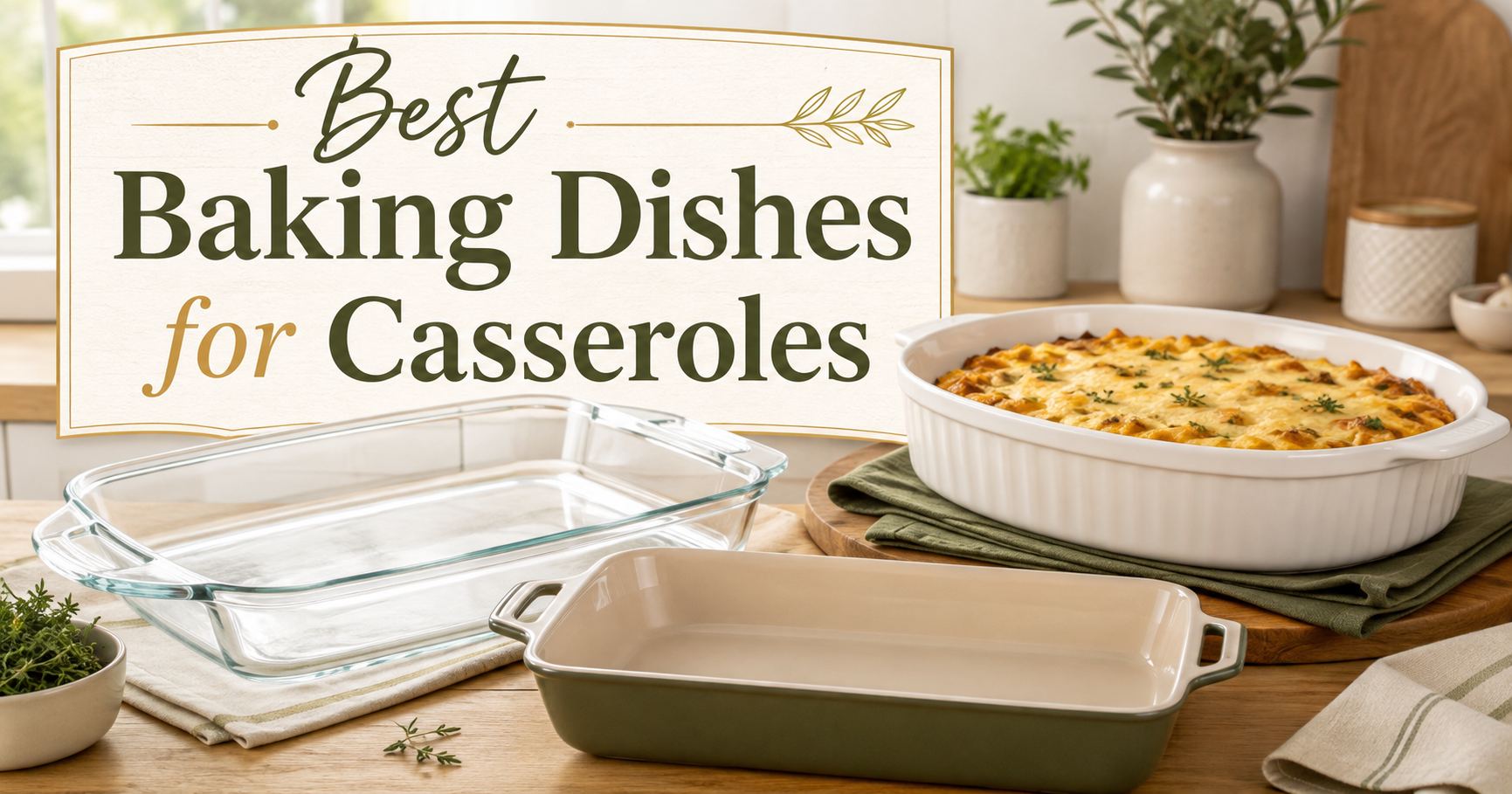
Best Baking Dishes for Casseroles
Compare dependable baking dishes for casseroles, rice bakes, biscuit bakes, desserts, and family meals.

Best Air Fryers for Beginner Cooks
Find a beginner-friendly air fryer for crispy foods, quick dinners, reheating leftovers, and smaller meals.
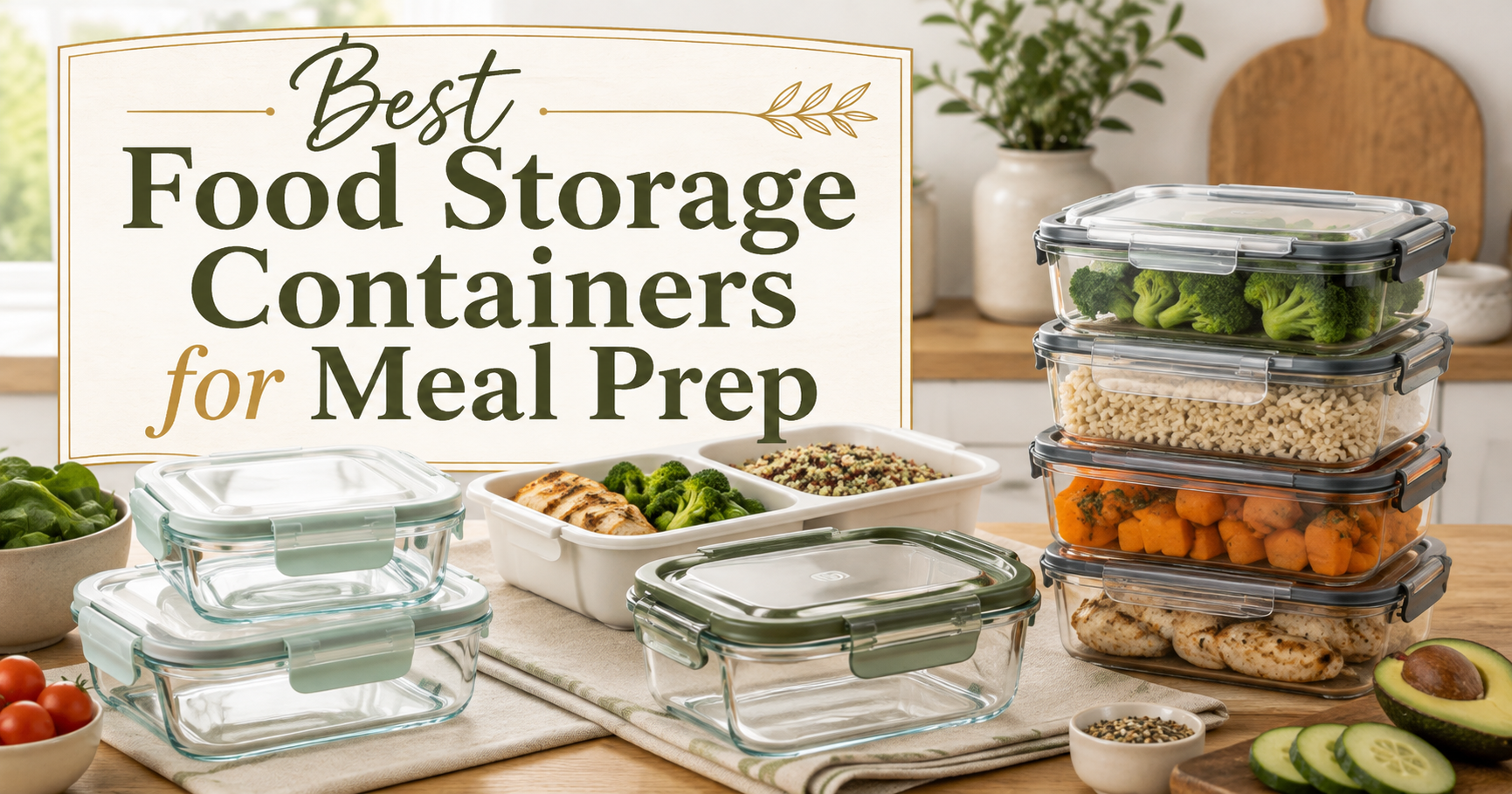
Best Food Storage Containers for Meal Prep
Store leftovers, lunches, freezer meals, and weekly meal-prep portions more neatly.

Featured Kitchen Pick
Explore another practical kitchen pick that can make everyday cooking and food preparation easier.
Storage and Reheating
Allow leftover chicken pot pie to cool promptly, then cover it well or transfer individual portions to airtight containers. Refrigerate leftovers for up to 3 to 4 days.
For the best pastry texture, reheat individual portions in a conventional oven or toaster oven until the center is thoroughly hot. The microwave works when speed matters, although the crust will become softer.
Leftover pot pie can also be frozen. Wrap individual portions securely and freeze them for longer storage. Thaw frozen portions safely in the refrigerator before reheating when practical.
Food Safety Note
Chicken and reheated leftovers should reach 165°F when checked with a food thermometer. Keep cooked chicken and leftover pot pie refrigerated at 40°F or below, and refrigerate perishable leftovers within 2 hours of serving.
Common Mistakes to Avoid
Making the Filling Too Thin
A loose gravy before assembly usually becomes a loose filling after baking. Let the sauce simmer until it clearly thickens and coats the back of a spoon.
Adding All the Liquid at Once
Gradually whisking liquid into the flour mixture reduces lumps and creates a smoother sauce.
Overfilling the Pie Plate
Leave enough room to seal the top and bottom crusts securely. A pie plate filled completely to the rim is more likely to bubble over.
Forgetting to Vent the Top
Steam needs somewhere to escape. A few slits in the top crust help the pastry bake properly.
Slicing Immediately
The gravy continues to settle after baking. Cutting immediately can cause the filling to run out before it has a chance to thicken slightly.
Classic Chicken Pot Pie FAQ
Can I use rotisserie chicken?
Yes. Rotisserie chicken is one of the easiest shortcuts for this recipe. Remove the skin and bones and use the cooked meat in the filling.
Can I use leftover chicken?
Absolutely. This recipe is an excellent use for leftover roasted or baked chicken. Just remember that the safe refrigerated storage window begins when the chicken was originally cooked, not when it was added to the pot pie.
Can I use frozen vegetables?
Yes. A frozen vegetable blend can make preparation faster. Avoid adding excessive ice or water from the package because extra moisture can thin the filling.
Why is my chicken pot pie runny?
The most common causes are gravy that was not thick enough before assembly or slicing the pie immediately after baking. Thickening the sauce first and resting the finished pie both help.
Can chicken pot pie be made ahead?
Yes. The filling can be prepared ahead, cooled promptly, and refrigerated. Assemble the pie closer to baking time so the pastry does not sit against the moist filling longer than necessary.
How do I know when chicken pot pie is done?
The crust should be deeply golden and the filling should be bubbling through the vents. For food safety, check the center with a food thermometer and make sure it reaches 165°F.
Final Notes
Classic chicken pot pie does not need complicated ingredients to be memorable. A properly thickened gravy, tender vegetables, plenty of chicken, and flaky pastry do most of the work. It is a practical recipe for using cooked chicken and a dependable comfort-food dinner for cooler nights, family meals, and make-ahead cooking.
Give the finished pie time to rest before cutting into it. That small bit of patience rewards you with a creamy filling that stays inside each golden, flaky slice.
Trusted Resources
- USDA Food Safety and Inspection Service guidance for safe poultry temperatures.
- USDA Food Safety and Inspection Service guidance for refrigerating cooked chicken and leftovers.
- USDA Food Safety and Inspection Service guidance for safely reheating leftovers.
Helpful Recipe Resources
Trusted Food, Cooking, and Recipe References
Mistakenly Delicious uses AI-assisted workflows, but useful recipes still need common sense, food safety checks, and reliable cooking references. These resources can help with ingredients, nutrition, safe temperatures, and the AI workflow behind this site.
Ingredient Data
USDA FoodData Central
A useful reference for checking ingredient and nutrition data when reviewing recipes.
Visit Resource →Cooking Help
Nutrition.gov Cooking Tips
Beginner-friendly guidance for meal prep, cooking basics, shopping, and planning.
Visit Resource →Food Safety
Safe Cooking Temperatures
A helpful food safety chart for checking safe internal temperatures for chicken, meat, seafood, and leftovers.
Visit Resource →Creator Workflow
TechnofluxAI
The AI workflow and creator systems site behind Mistakenly Delicious.
Visit TechnofluxAI →