Beginner-Friendly Recipe
Classic Tuna Salad Sandwiches
A practical, beginner-friendly classic tuna salad sandwiches recipe with clear steps, useful substitutions, and dependable storage tips.

Some lunches become classics because they simply work, and these Classic Tuna Salad Sandwiches are a perfect example. The filling is creamy without being heavy, crisp celery and red onion add texture, and a little Dijon mustard and lemon juice brighten everything up.
This easy tuna sandwich is ready in about 15 minutes and requires no cooking, making it especially useful for quick lunches, busy weekdays, picnics, or an easy meal when you do not want to turn on the stove.
Mistakenly Smart Note: The biggest difference between a creamy tuna salad and a watery one is how well you drain the tuna. Press out as much excess liquid as possible before mixing in the mayonnaise and seasonings.
Quick Answer
For a classic tuna salad sandwich, combine well-drained canned tuna with mayonnaise, finely chopped celery, red onion, Dijon mustard, lemon juice, salt, and black pepper. Mix just until creamy, taste and adjust the seasoning, then spoon the tuna salad onto sandwich bread. Add crisp lettuce if you like and serve right away.
The whole recipe takes about 15 minutes and makes four sandwiches.
Ingredients Overview
This recipe keeps the ingredient list simple, but each ingredient has a job to do.
- Canned tuna: The savory, protein-rich base of the filling. Canned light tuna in water works especially well for an everyday tuna salad.
- Mayonnaise: Gives the filling its familiar creamy texture and helps hold everything together.
- Celery: Adds freshness and a crisp bite that balances the soft tuna.
- Red onion: Provides a little sharpness and extra crunch. Chop it finely so it blends into the filling.
- Dijon mustard: Adds subtle tang and depth without overwhelming the tuna.
- Lemon juice: Brightens the creamy mixture and keeps the flavor from tasting flat.
- Salt and black pepper: Bring the other flavors together. Taste before adding extra salt because canned tuna can already contain sodium.
- Sandwich bread: Soft white or wheat sandwich bread gives you the most traditional result, although toasted bread works too.
- Lettuce: Optional, but useful for adding crunch and creating a barrier between the tuna filling and the bread.
Quick Shopping List
Before you start, check that you have canned tuna, mayonnaise, celery, red onion, Dijon mustard, lemon, salt, black pepper, sandwich bread, and lettuce if desired.
View the printable shopping list.
Why This Recipe Works
It balances creamy and crunchy textures. Tuna and mayonnaise create the creamy base, while celery and finely chopped onion give every bite a little crunch.
A little acidity makes a big difference. Lemon juice and Dijon mustard cut through the richness of the mayonnaise and make the tuna taste fresher.
There is no cooking required. Once the vegetables are chopped and the tuna is drained, everything gets mixed in one bowl.
It is easy to customize. The basic tuna salad is mild enough to work with pickles, herbs, different breads, extra vegetables, or a lighter mayonnaise mixture.
It works for meal prep. You can prepare the tuna salad ahead of time and keep it chilled, then assemble the sandwiches when you are ready to eat so the bread stays fresh.

Tips for the Best Tuna Salad Sandwich
Drain the Tuna Thoroughly
This is one of the most important steps. Extra liquid from the can can quickly turn a creamy tuna salad into a loose, watery mixture. Drain the tuna well and gently press out any excess moisture before adding it to the bowl.
Chop the Vegetables Finely
Small pieces of celery and onion distribute more evenly through the filling. Large chunks can overpower individual bites and also make the sandwich more difficult to eat.
Add the Mayonnaise Gradually
If you prefer a firmer tuna salad, start with slightly less mayonnaise and add more only if needed. It is easy to make tuna salad creamier, but difficult to fix it once too much mayonnaise has been added.
Taste Before Adding More Salt
The amount of salt already in canned tuna varies by brand. Mix the salad first, taste it, and then decide whether it needs additional seasoning.
Keep the Bread from Getting Soggy
If the sandwiches will sit for a little while before serving, place a dry lettuce leaf between the tuna salad and the bread. You can also keep the filling separate and assemble each sandwich just before eating.
Easy Tuna Salad Swaps and Meal Ideas
The classic sandwich is only one way to serve this tuna salad. The same filling can easily become several different lunches.
- Toast the bread: Lightly toasted sourdough, whole wheat, or multigrain bread adds more texture.
- Make a tuna melt: Spoon the tuna salad onto bread, add your favorite melting cheese, and heat until the cheese is melted and the bread is crisp.
- Use a wrap: Roll the filling into a tortilla with lettuce or spinach.
- Make lettuce cups: Spoon the tuna salad into sturdy lettuce leaves for a bread-free serving option.
- Add pickles: Finely chopped dill pickles or a spoonful of pickle relish give the filling extra tang.
- Add fresh herbs: Dill, parsley, or chives pair especially well with tuna.
- Add tomato or cucumber: Fresh slices make the sandwich more substantial, but add them immediately before serving to prevent sogginess.
- Serve it with crackers: Turn the tuna salad into an easy snack plate with crackers, sliced vegetables, and fruit.
How This Recipe Comes Together
Start by draining the canned tuna extremely well. Transfer it to a mixing bowl and break up any larger pieces with a fork.
Next, add the finely chopped celery and red onion. Keeping the vegetables small ensures you get a little crunch throughout the salad rather than large pieces in only a few bites.
Add the creamy and tangy ingredients next. Mayonnaise provides the familiar richness, while Dijon mustard and lemon juice sharpen the flavor. Season with salt and black pepper.
Stir everything together just until the ingredients are evenly incorporated. There is no need to aggressively mash the tuna; leaving a little texture makes the finished filling more satisfying.
Give the mixture a final taste and adjust the mayonnaise, lemon, salt, or pepper if needed. Then divide it among slices of bread, add lettuce if desired, close the sandwiches, and serve.
If you are preparing lunch ahead of time, refrigerate the tuna salad separately and build the sandwiches shortly before serving.

Classic Tuna Salad Sandwiches
Method
- Drain the tuna. Drain the canned tuna thoroughly, pressing out as much excess liquid as possible. Transfer the tuna to a medium mixing bowl and gently break it apart with a fork.
- Add the vegetables. Add the finely diced celery and red onion to the tuna.
- Make the tuna salad. Add the mayonnaise, Dijon mustard, lemon juice, salt, and black pepper. Stir gently until evenly combined and creamy without completely mashing the tuna.
- Taste and adjust. Taste the tuna salad and add a little more mayonnaise, lemon juice, salt, or pepper if desired.
- Assemble the sandwiches. Divide the tuna salad evenly among 4 slices of bread. Add lettuce if desired and top with the remaining bread slices. Cut in half and serve immediately.
Notes
Tried this recipe?
Let us know how it was!Nutrition Information Disclaimer
Nutrition information is provided as an estimate only and may vary based on the ingredients, brands, portion sizes, substitutions, and preparation methods used. Optional toppings and serving suggestions may not be included in the calculation. For the most accurate information, calculate nutrition using the specific ingredients and amounts you use.
Allergy notice: Always check ingredient labels and avoid substitutions that may introduce allergens. This recipe has not been verified as allergen-free.
Mistakenly Delicious Kitchen Picks
Helpful Kitchen Tools for Easier Cooking
These beginner-friendly guides and kitchen picks can make cooking, baking, food-safety checks, and meal prep easier.
Affiliate disclosure: This section contains Amazon affiliate links. As an Amazon Associate, I earn from qualifying purchases at no additional cost to you.
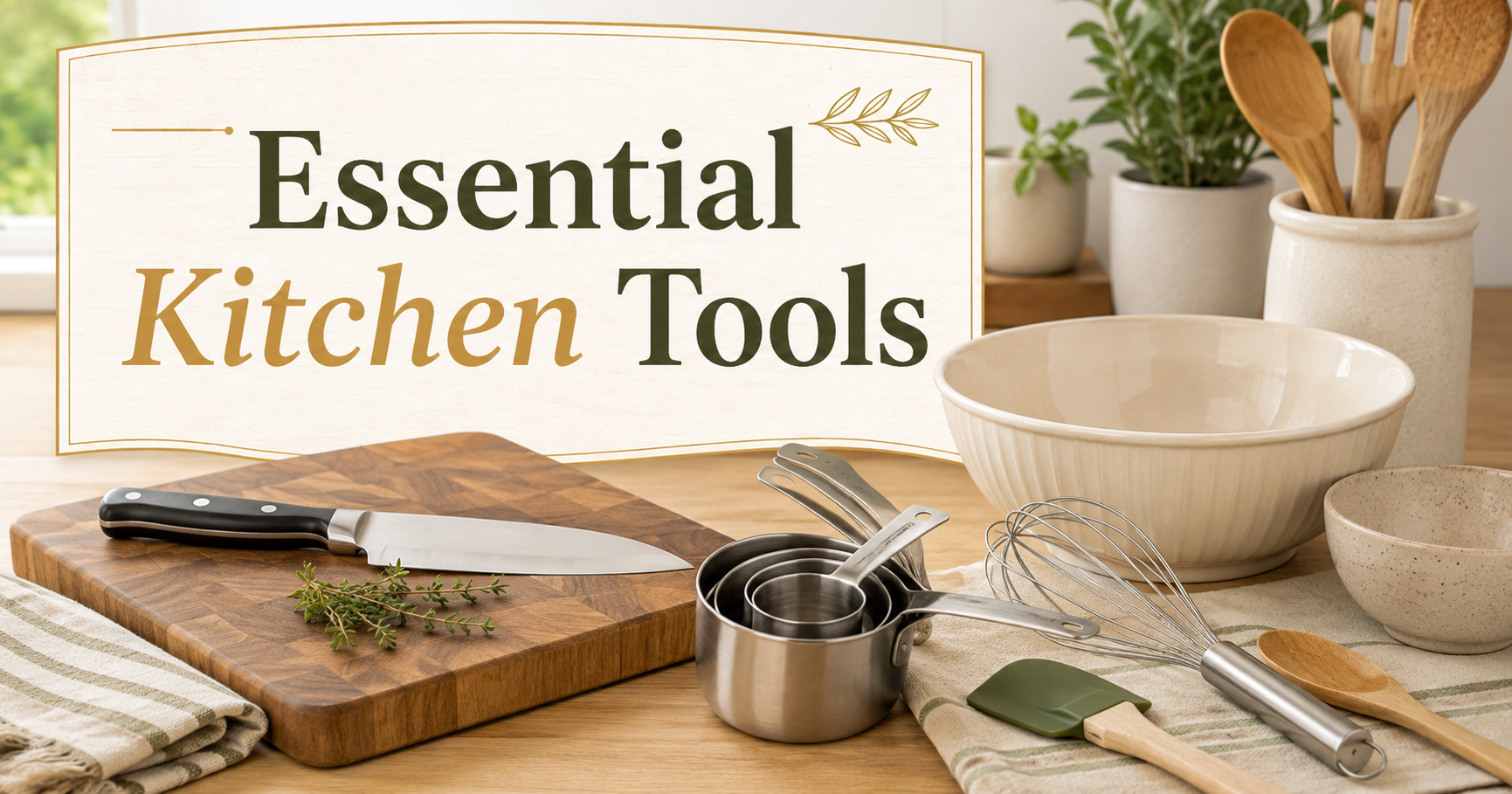
Essential Kitchen Tools for Beginner Cooks
Start with practical everyday tools instead of filling your kitchen with gadgets you may rarely use.

Best Affordable Meat Thermometers
Check chicken, burgers, roasts, and other foods without guessing whether the center is fully cooked.
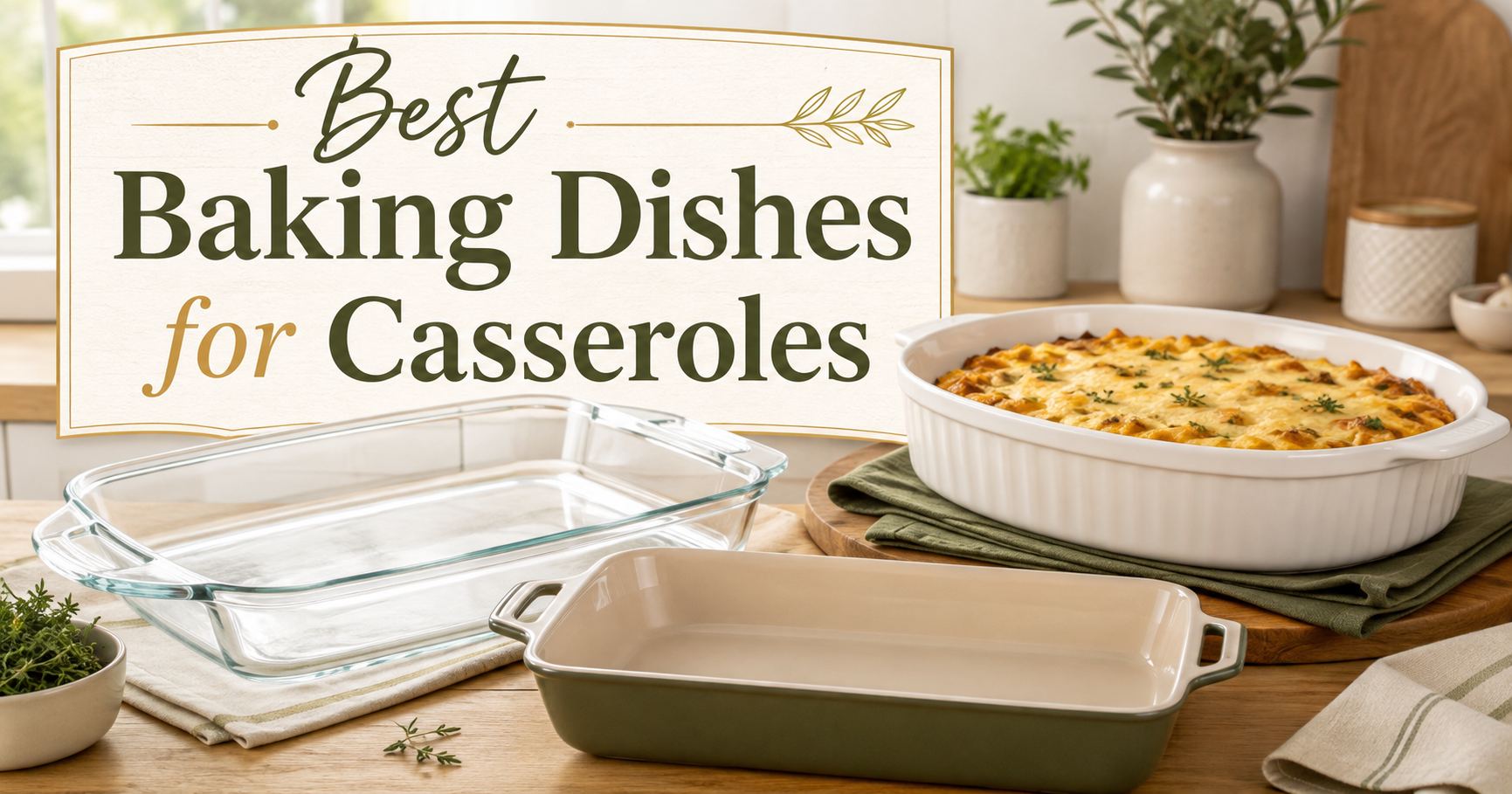
Best Baking Dishes for Casseroles
Compare dependable baking dishes for casseroles, rice bakes, biscuit bakes, desserts, and family meals.

Best Air Fryers for Beginner Cooks
Find a beginner-friendly air fryer for crispy foods, quick dinners, reheating leftovers, and smaller meals.
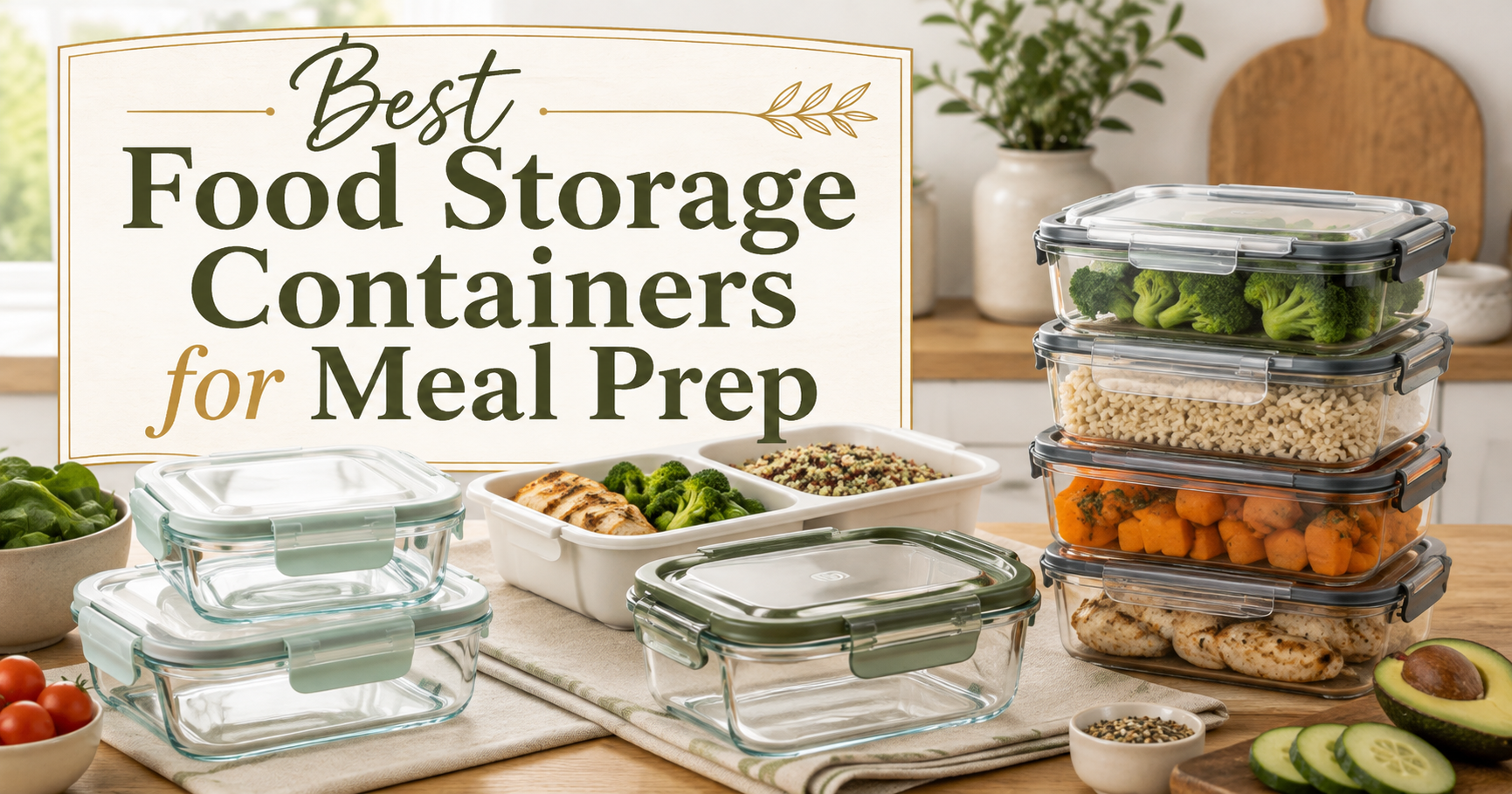
Best Food Storage Containers for Meal Prep
Store leftovers, lunches, freezer meals, and weekly meal-prep portions more neatly.

Featured Kitchen Pick
Explore another practical kitchen pick that can make everyday cooking and food preparation easier.
Storage and Reheating
Store leftover tuna salad in a covered airtight container in the refrigerator. For best quality and food safety, keep it properly chilled and use it within about 3 to 4 days.
Whenever possible, store the tuna salad separately from the bread. Fully assembled sandwiches become softer as they sit because moisture from the filling transfers to the bread.
Tuna salad is intended to be served cold and does not need reheating. If you want to turn the leftovers into a tuna melt, assemble the sandwich and heat it just until the bread is toasted and the cheese is melted.
Freezing mayonnaise-based tuna salad is not recommended for quality. The mayonnaise and vegetables can separate and lose their pleasant texture after thawing.
Food Safety Note
Because tuna salad is perishable, keep it refrigerated at 40°F or below. Do not leave it at room temperature for more than 2 hours, or more than 1 hour when the surrounding temperature is above 90°F.
If packing tuna sandwiches for work, school, a picnic, or travel, keep them cold with adequate ice packs until you are ready to eat.
Common Mistakes to Avoid
Not Draining the Tuna Enough
Excess water makes the filling loose and can quickly soak into the bread. Give the tuna an extra moment to drain before mixing.
Using Too Much Mayonnaise
Tuna salad should be creamy but still have enough structure to stay inside the sandwich. Add mayonnaise gradually rather than adding a large amount at once.
Leaving the Vegetables Too Large
Finely diced celery and onion blend into the tuna and give you balanced flavor in every bite.
Skipping the Acid
Mayonnaise and tuna are both rich, so a small amount of lemon juice makes the finished salad noticeably brighter.
Making the Sandwich Too Far Ahead
The tuna salad itself is excellent for advance preparation, but the bread is not. Store the filling separately whenever possible and assemble shortly before eating.
Frequently Asked Questions
What kind of tuna is best for tuna salad sandwiches?
Canned light tuna in water is a reliable choice because it has a mild flavor and mixes easily with mayonnaise and seasonings. Tuna packed in oil can also be used, but it will make the finished salad richer.
Can I use albacore tuna?
Yes. Albacore has a firmer texture and milder flavor than many varieties used for canned light tuna. Keep in mind that FDA fish-consumption guidance distinguishes between canned light tuna and albacore because their typical mercury levels differ.
How do I make tuna salad less watery?
Drain the tuna extremely well before mixing it with the other ingredients. Also make sure freshly washed celery and other vegetables are dry before chopping them.
Can I make tuna salad without mayonnaise?
Yes. Plain Greek yogurt, mashed avocado, or a combination of yogurt and mayonnaise can be used, although the flavor and texture will be different from a classic tuna salad.
What can I add to tuna salad?
Popular additions include chopped dill pickles, pickle relish, fresh dill, parsley, chives, cucumber, diced apple, hard-boiled egg, or a little hot sauce. Add extra ingredients in modest amounts so the tuna remains the main flavor.
Should tuna salad sandwiches be toasted?
They can be, but they do not have to be. Soft sandwich bread gives you the traditional deli-style sandwich, while toasted bread provides more crunch and holds up especially well to the creamy filling.
How long does homemade tuna salad last?
Keep homemade tuna salad covered and refrigerated. A practical conservative target is to use it within 3 to 4 days while keeping it at 40°F or below.
Can tuna salad sandwiches be made the night before?
You can, although the bread may soften overnight. For better texture, prepare the tuna salad the night before, refrigerate it in an airtight container, and assemble the sandwich in the morning.
Final Notes
These Classic Tuna Salad Sandwiches prove that an easy lunch does not need a long ingredient list. Well-drained tuna, creamy mayonnaise, crisp vegetables, Dijon, and lemon create a familiar sandwich with just enough freshness and crunch.
Keep the basic recipe on hand for busy days, then change the bread, vegetables, herbs, or toppings whenever you want something a little different. Whether you serve it on soft sandwich bread, toast, lettuce, or crackers, it is an easy meal that can be ready in minutes.
Trusted Resources
- USDA Food Safety and Inspection Service: Guidance for safe refrigeration, storage of tuna and mayonnaise-based salads, and time limits for perishable foods at room temperature.
- U.S. Food and Drug Administration: Current fish-consumption guidance, including information about canned light tuna and albacore tuna.
Helpful Recipe Resources
Trusted Food, Cooking, and Recipe References
Mistakenly Delicious uses AI-assisted workflows, but useful recipes still need common sense, food safety checks, and reliable cooking references. These resources can help with ingredients, nutrition, safe temperatures, and the AI workflow behind this site.
Ingredient Data
USDA FoodData Central
A useful reference for checking ingredient and nutrition data when reviewing recipes.
Visit Resource →Cooking Help
Nutrition.gov Cooking Tips
Beginner-friendly guidance for meal prep, cooking basics, shopping, and planning.
Visit Resource →Food Safety
Safe Cooking Temperatures
A helpful food safety chart for checking safe internal temperatures for chicken, meat, seafood, and leftovers.
Visit Resource →Creator Workflow
TechnofluxAI
The AI workflow and creator systems site behind Mistakenly Delicious.
Visit TechnofluxAI →