Beginner-Friendly Recipe
Cinnamon Raisin Bread Pudding
A practical, beginner-friendly cinnamon raisin bread pudding recipe with clear steps, useful substitutions, and dependable storage tips.

Cinnamon raisin bread pudding is the kind of dessert that proves simple ingredients can become something special. Cubes of bread soak up a creamy vanilla-cinnamon custard while raisins add little pockets of sweetness throughout. Once baked, the center stays soft and tender while the top develops golden, lightly crisp edges.
It is also one of the best ways to give slightly stale bread a second life. Add a drizzle of vanilla sauce, a dusting of powdered sugar, or a scoop of ice cream, and this humble baked dessert feels right at home on a holiday table or after an ordinary weeknight dinner.
Mistakenly Smart Note
Give the bread time to soak before baking. Those extra minutes allow the custard to move all the way into the bread instead of simply coating the outside. The result is a pudding that is creamy and tender in the middle rather than dry underneath a wet custard layer.
Quick Answer
Cinnamon raisin bread pudding is made by soaking cubed bread and raisins in a sweet custard flavored with cinnamon, vanilla, and a hint of nutmeg. The mixture is baked until the center is set and the top is golden brown.
Day-old bread works especially well because its slightly dry texture absorbs the custard without immediately falling apart. Brioche, challah, French bread, or another sturdy enriched bread can all make delicious bread pudding.
Ingredients Overview
The foundation of this recipe is sturdy bread cut into bite-size cubes. Slightly stale bread is ideal because it readily absorbs the custard while still holding its shape.
The custard combines eggs, whole milk, cream, sugar, vanilla, cinnamon, nutmeg, and a small amount of salt. Raisins are scattered throughout for chewy sweetness, while melted butter adds richness and helps the top bake to a beautiful golden finish.
Jump to the printable shopping list and recipe card.
Why This Cinnamon Raisin Bread Pudding Works
Dry bread absorbs more flavor. Day-old bread has less surface moisture, giving the cinnamon-vanilla custard room to soak into every cube.
Milk and cream create balance. Whole milk keeps the pudding from becoming overly heavy while cream adds enough richness for a soft, luxurious custard.
The raisins stay distributed throughout. Scattering them between the bread cubes gives you little bites of fruit instead of one heavy layer at the bottom.
A short soaking period improves the texture. Letting the assembled pudding stand before it goes into the oven gives the bread time to absorb the custard evenly.
Cinnamon is noticeable without overpowering the custard. Cinnamon and a small pinch of nutmeg add warmth while vanilla keeps the flavor rounded and familiar.

Tips for the Best Bread Pudding
Start with slightly dry bread
Fresh, very soft bread can become mushy before the custard has a chance to bake. Bread that is a day or two old has enough structure to soak up the liquid while maintaining distinct pieces throughout the pudding.
If your bread is very fresh, spread the cubes on a baking sheet and let them air-dry for a while before assembling the dessert.
Let the bread soak
After pouring the custard over the bread, gently press the cubes down so they make contact with the liquid. Let the mixture stand before baking. This is one of the easiest ways to avoid bread pudding with dry pieces on top and excess custard at the bottom.
Do not overbake it
A good bread pudding should be set but still moist inside. Bake until the top is golden and the center no longer looks liquid. Because this recipe contains eggs, checking the center with an instant-read thermometer is a reliable way to confirm doneness.
Let it rest before serving
Freshly baked bread pudding is very soft. A brief resting period allows the custard to settle, making the pudding easier to portion while keeping the center warm and tender.
Easy Swaps and Serving Ideas
Use cinnamon raisin bread: For even more cinnamon-raisin flavor, replace some or all of the plain bread with a sturdy cinnamon raisin loaf. If the bread is already quite sweet, you may want to slightly reduce the added sugar.
Try another dried fruit: Dried cranberries or chopped dried cherries can replace some of the raisins for a different flavor.
Add nuts: Chopped pecans or walnuts add crunch and pair naturally with cinnamon and raisins.
Add orange flavor: A little finely grated orange zest gives the custard a brighter flavor that works especially well with raisins.
Serve it warm: A light dusting of powdered sugar is all this pudding really needs. For a richer dessert, serve it with vanilla ice cream, whipped cream, caramel sauce, or vanilla custard sauce.
How This Cinnamon Raisin Bread Pudding Comes Together
First, the bread cubes and raisins are arranged in a buttered baking dish. Keeping them loosely distributed allows plenty of space for the custard to flow between the pieces.
The custard is whisked separately until the eggs, dairy, sugar, vanilla, and spices are thoroughly combined. It is then poured slowly and evenly over the bread.
Gently pressing the bread into the custard helps moisten the pieces on top. The pudding then rests so the bread can absorb the liquid before baking.
As it cooks, the egg custard sets around the bread while the exposed corners become golden brown. The finished pudding should look puffed around the edges with a moist, set center.

Cinnamon Raisin Bread Pudding
Method
- Preheat the oven to 350°F. Generously grease a 9×13-inch baking dish with the softened butter.
- Place half of the bread cubes in the prepared baking dish. Sprinkle with about half of the raisins. Add the remaining bread and distribute the remaining raisins throughout the dish.
- In a large mixing bowl, whisk the eggs until well blended.
- Add the whole milk, heavy cream, granulated sugar, vanilla, cinnamon, nutmeg, and salt. Whisk until the sugar is mostly dissolved and the custard is evenly combined.
- Slowly pour the custard over the bread, moving around the baking dish so the liquid is distributed as evenly as possible.
- Gently press the bread down into the custard with a spatula or the back of a spoon. Do not mash the bread.
- Let the assembled bread pudding stand for 20 minutes, gently pressing down any dry pieces once or twice during the soaking time.
- Drizzle the melted butter over the top.
- Bake for 45 to 55 minutes, or until the top is golden brown, the edges are lightly puffed, and the center is set but still moist. For food safety, the center should reach at least 160°F on an instant-read thermometer.
- Transfer the baking dish to a wire rack and let the bread pudding rest for about 10 minutes before serving.
- Dust with powdered sugar if desired and serve warm.
Notes
Day-old bread: Slightly stale bread absorbs custard more effectively. If the bread is very fresh, let the cubes dry before assembling.
Cinnamon raisin bread option: Replace some or all of the plain bread with cinnamon raisin bread. Consider reducing the added sugar slightly if your loaf is particularly sweet.
Dry raisins: If needed, cover very dry raisins with warm water for about 10 minutes, then drain and dry them thoroughly.
Doneness: The pudding should be golden on top and set in the middle without being dry. An egg dish should reach 160°F in the center.
Storage: Refrigerate leftovers within 2 hours and use them within 3 to 4 days.
Reheating: Reheat leftovers thoroughly to 165°F.
Tried this recipe?
Let us know how it was!Nutrition Information Disclaimer
Nutrition information is provided as an estimate only and may vary based on the ingredients, brands, portion sizes, substitutions, and preparation methods used. Optional toppings and serving suggestions may not be included in the calculation. For the most accurate information, calculate nutrition using the specific ingredients and amounts you use.
Allergy notice: Always check ingredient labels and avoid substitutions that may introduce allergens. This recipe has not been verified as allergen-free.
Mistakenly Delicious Kitchen Picks
Helpful Kitchen Tools for Easier Cooking
These beginner-friendly guides and kitchen picks can make cooking, baking, food-safety checks, and meal prep easier.
Affiliate disclosure: This section contains Amazon affiliate links. As an Amazon Associate, I earn from qualifying purchases at no additional cost to you.
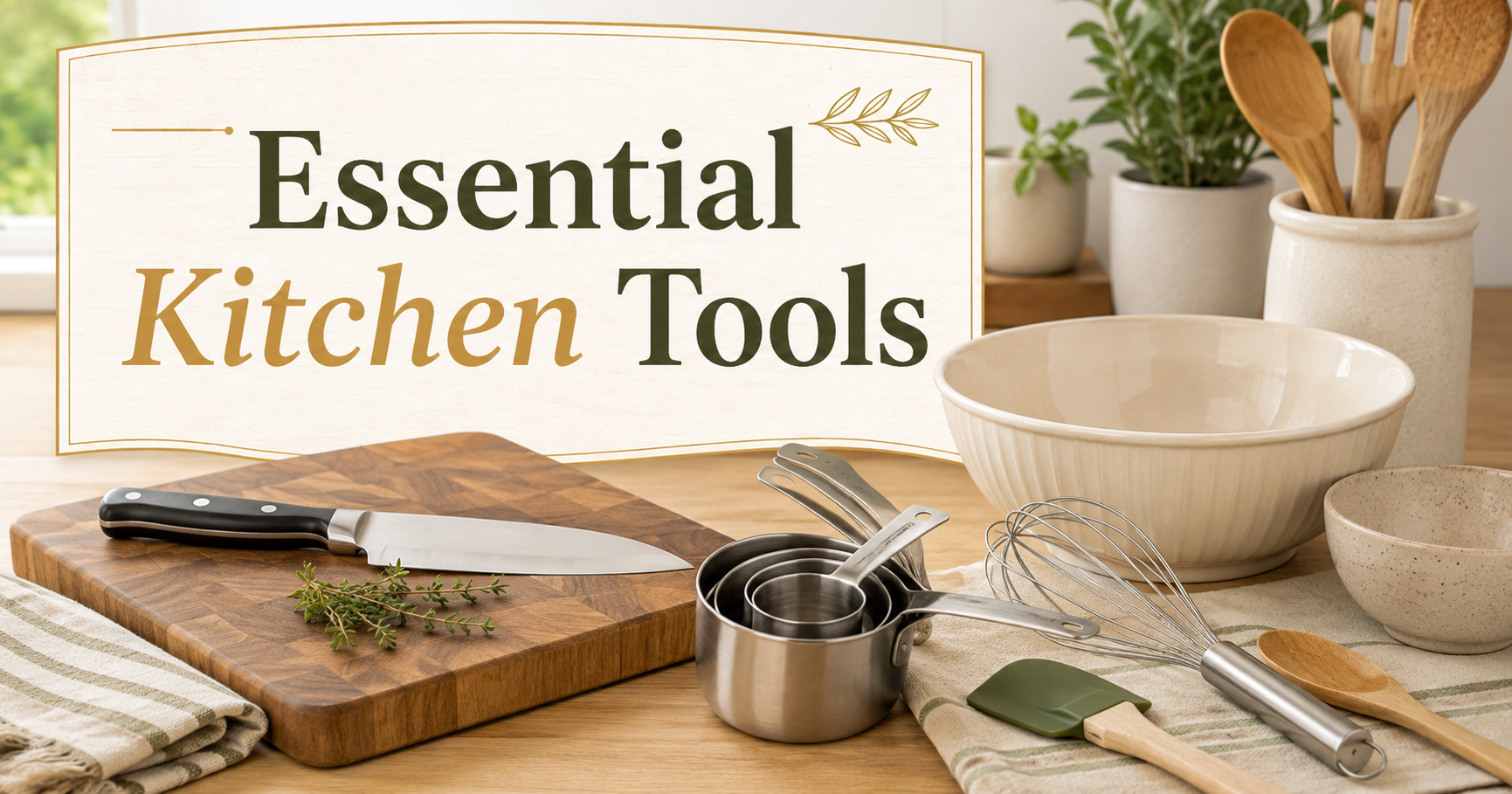
Essential Kitchen Tools for Beginner Cooks
Start with practical everyday tools instead of filling your kitchen with gadgets you may rarely use.

Best Affordable Meat Thermometers
Check chicken, burgers, roasts, and other foods without guessing whether the center is fully cooked.
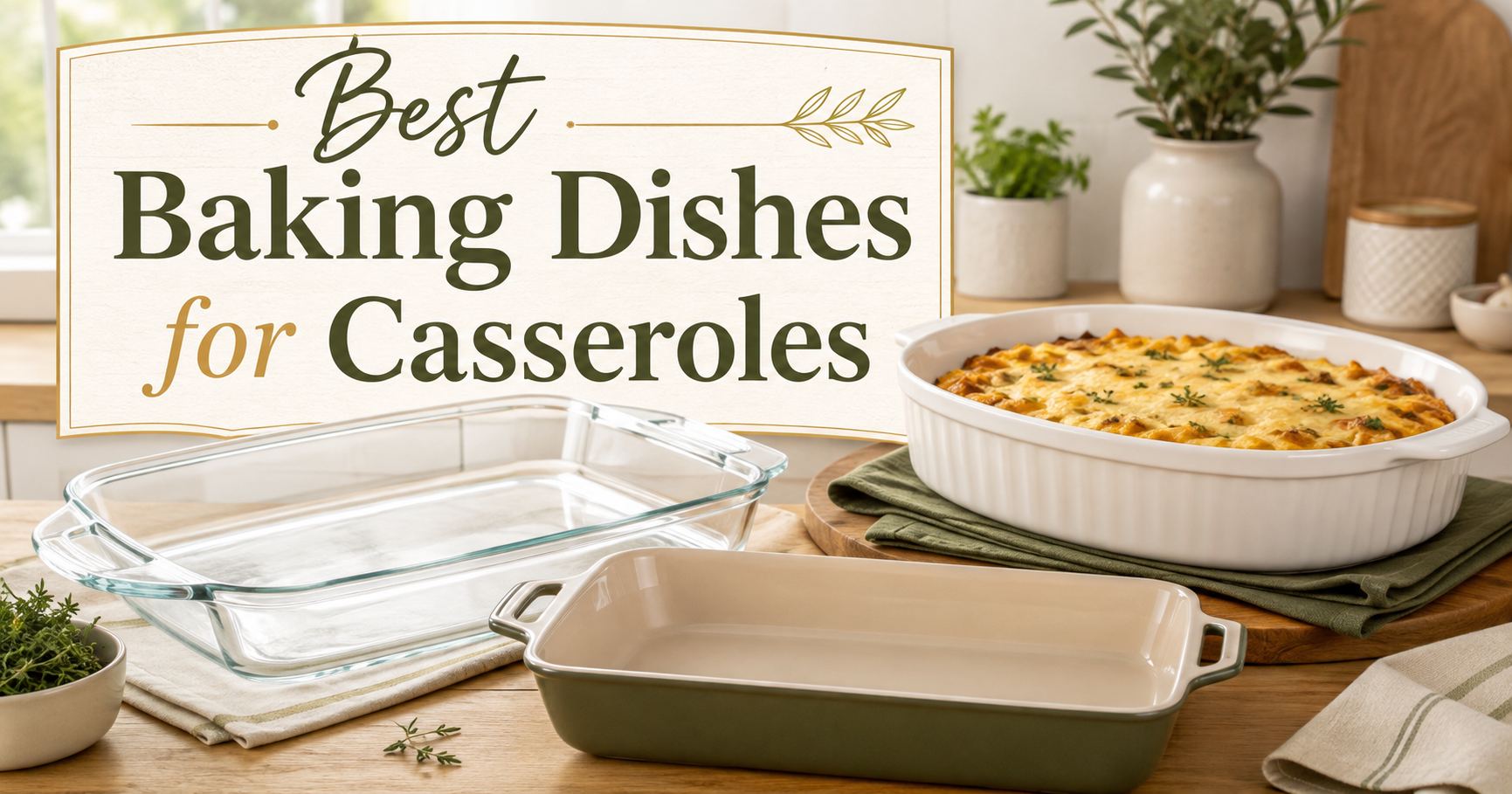
Best Baking Dishes for Casseroles
Compare dependable baking dishes for casseroles, rice bakes, biscuit bakes, desserts, and family meals.

Best Air Fryers for Beginner Cooks
Find a beginner-friendly air fryer for crispy foods, quick dinners, reheating leftovers, and smaller meals.

Best Food Storage Containers for Meal Prep
Store leftovers, lunches, freezer meals, and weekly meal-prep portions more neatly.

Featured Kitchen Pick
Explore another practical kitchen pick that can make everyday cooking and food preparation easier.
Storage and Reheating
Because bread pudding contains eggs and dairy, leftovers should be refrigerated. Let the pudding cool briefly, then cover it or transfer individual portions to airtight containers and refrigerate promptly.
For best quality, enjoy refrigerated cinnamon raisin bread pudding within 3 to 4 days.
Individual portions can be reheated in the microwave until thoroughly hot. To warm several servings while preserving more of the baked texture, cover the baking dish loosely and reheat it in the oven.
Bread pudding can also be frozen in individual portions. Wrap the cooled pieces well and place them in a freezer-safe container. Thaw overnight in the refrigerator before reheating.
Food Safety Note
Bread pudding is an egg-based custard dish. For food safety, the center should reach at least 160°F when checked with a food thermometer. Refrigerate leftovers within 2 hours and keep the refrigerator at 40°F or below.
When reheating refrigerated leftovers, heat them thoroughly to 165°F.
Common Bread Pudding Mistakes
Using bread that is too soft
Very fresh bread can break down quickly when the custard is added. Slightly stale or dried bread is better at absorbing the liquid while maintaining texture.
Skipping the soaking time
Putting the pudding directly into the oven can leave some bread cubes dry in the center. A short rest after adding the custard promotes more even absorption.
Adding all the raisins in one spot
Raisins tend to settle into gaps between the bread. Distribute them throughout the dish as you add the bread so every serving gets some.
Overbaking the custard
Baking far beyond the point when the custard is set can make bread pudding dry or rubbery. The center should be cooked through but remain moist and tender.
Cutting into it immediately
A short rest makes a noticeable difference. It allows the custard to settle so the pudding can be spooned or sliced without falling apart.
Cinnamon Raisin Bread Pudding FAQ
What is the best bread for bread pudding?
Brioche, challah, French bread, and other sturdy loaves work well. The most important factor is texture: slightly stale bread absorbs the custard better than very fresh, soft bread.
Can I use cinnamon raisin bread?
Yes. Cinnamon raisin bread is a natural fit for this recipe and gives the pudding even more raisin and spice flavor. Because some loaves are already sweetened, taste and adjust the added sugar if needed.
Do raisins need to be soaked before making bread pudding?
No, soaking is optional. The raisins soften as the pudding bakes. If your raisins are especially dry, you can soften them in warm water briefly, then drain and pat them dry before adding them to the bread.
Why is my bread pudding soggy?
It may need additional baking time, the bread may have been extremely fresh and soft, or the bread-to-custard ratio may have been off. The center should be set rather than visibly liquid when the pudding comes out of the oven.
How do I know when bread pudding is done?
The edges should look puffed and golden, and the center should be set but still moist. For an egg-based bread pudding, check the center with a food thermometer and make sure it reaches at least 160°F.
Can cinnamon raisin bread pudding be made ahead?
Yes. For the best texture, bake the pudding, refrigerate it after cooling, and reheat it before serving. This is especially convenient when preparing dessert for a gathering.
Final Notes
This cinnamon raisin bread pudding recipe is everything a comfort-food dessert should be: warm, simple, gently spiced, and satisfying without requiring complicated techniques.
Start with sturdy bread, give it enough time to absorb the cinnamon custard, and pull the pudding from the oven while the center is still tender. Serve it warm, and do not be surprised if yesterday’s bread becomes the part everyone wants seconds of.
Trusted Resources
- USDA Food Safety and Inspection Service – safe cooking temperatures for dishes containing eggs.
- FoodSafety.gov – guidance for refrigerating and reheating cooked leftovers.
Helpful Recipe Resources
Trusted Food, Cooking, and Recipe References
Mistakenly Delicious uses AI-assisted workflows, but useful recipes still need common sense, food safety checks, and reliable cooking references. These resources can help with ingredients, nutrition, safe temperatures, and the AI workflow behind this site.
Ingredient Data
USDA FoodData Central
A useful reference for checking ingredient and nutrition data when reviewing recipes.
Visit Resource →Cooking Help
Nutrition.gov Cooking Tips
Beginner-friendly guidance for meal prep, cooking basics, shopping, and planning.
Visit Resource →Food Safety
Safe Cooking Temperatures
A helpful food safety chart for checking safe internal temperatures for chicken, meat, seafood, and leftovers.
Visit Resource →Creator Workflow
TechnofluxAI
The AI workflow and creator systems site behind Mistakenly Delicious.
Visit TechnofluxAI →