Beginner-Friendly Recipe
Classic Skillet Cornbread
A practical, beginner-friendly classic skillet cornbread recipe with clear steps, useful substitutions, and dependable storage tips.

Mistakenly Smart Note: The skillet does more than hold the batter. Preheating cast iron before the batter goes in gives cornbread its signature deeply golden, crisp bottom and edges.
Classic Skillet Cornbread
Classic skillet cornbread is the kind of simple side dish that earns a permanent place at the dinner table. It has a crisp, buttery crust, a tender cornmeal center, and just enough sweetness to round out the savory flavor without turning it into cake.
This version is baked in a hot cast iron skillet so the batter begins sizzling as soon as it hits the pan. That quick contact with hot fat is what helps create the browned edges that make skillet cornbread especially good.
Quick Answer
For great skillet cornbread, preheat the cast iron pan with the oven, add a little fat to the hot skillet, and pour in the batter while the pan is still hot. Bake until the top is golden and the center is set. The result is crisp around the edges and tender inside.
Ingredients Overview
The base combines cornmeal with all-purpose flour. Cornmeal provides the unmistakable corn flavor and slightly rustic texture, while flour gives the bread enough structure to stay tender instead of becoming overly crumbly.
Buttermilk adds moisture and a subtle tang. Eggs help bind the batter, while melted butter contributes richness. A small amount of sugar balances the cornmeal without making this an especially sweet cornbread.
Baking powder and baking soda provide lift, and salt sharpens the overall flavor. A little oil or butter in the hot skillet creates the crisp exterior.
Jump to the printable recipe and shopping list.
Why This Recipe Works
A hot skillet starts the crust immediately. Instead of placing room-temperature batter into a cold pan, the batter meets a thoroughly heated cast iron surface. That promotes a crisp, browned exterior.
Buttermilk keeps the crumb tender. Its acidity also works with the baking soda in the batter, helping produce a lighter texture.
Cornmeal and flour are balanced. Using both gives the bread distinct corn character while keeping each wedge sturdy enough to pick up without falling apart.
Butter adds flavor while oil supports browning. The combination gives the cornbread rich flavor and helps keep the skillet surface well coated.
The sweetness stays restrained. This cornbread can comfortably sit beside chili, beans, barbecue, greens, soups, or a simple weeknight dinner.

Tips for the Best Skillet Cornbread
Preheat the skillet thoroughly
Put the cast iron skillet in the oven while the oven heats. A genuinely hot skillet is one of the biggest differences between ordinary cornbread and cornbread with beautifully crisp edges.
Do not overmix the batter
Stir the wet and dry ingredients together only until the flour and cornmeal are moistened. A few small lumps are fine. Aggressive mixing can make the finished cornbread firmer than intended.
Listen for the sizzle
When the batter is poured into the greased hot skillet, you should hear some sizzling around the edges. That is a good sign that the pan is hot enough to begin forming the crust.
Let it rest before slicing
Give the cornbread a few minutes to settle after it comes out of the oven. The crumb will finish setting and the wedges will slice more cleanly.
Meal Ideas and Easy Swaps
Serve warm cornbread with chili, vegetable soup, black-eyed peas, barbecue, baked beans, collard greens, roast chicken, or a hearty stew. It is also excellent split and served with butter and honey.
For a little heat, fold chopped jalapeno into the batter. Shredded cheddar can add a savory, cheesy variation, while corn kernels can provide extra sweetness and texture.
If you prefer noticeably sweeter cornbread, increase the sugar to suit your taste. If you prefer a more savory Southern-style result, reduce it or leave it out.
How This Recipe Comes Together
Start by heating the oven with the cast iron skillet already inside. While they heat, combine the dry ingredients in one bowl and the buttermilk, eggs, and melted butter in another.
Mix the wet ingredients into the dry ingredients just until a thick batter forms. Carefully remove the hot skillet, coat the bottom and sides with oil, and immediately add the batter.
The cornbread then goes straight back into the oven. As it bakes, the top turns golden while the edges darken against the cast iron. Once the middle is set, allow it to rest briefly before cutting it into wedges.

Classic Skillet Cornbread
Ingredients
Method
- Place a 10-inch cast iron skillet in the oven. Preheat the oven to 425°F with the skillet inside.
- In a large mixing bowl, whisk together the cornmeal, flour, sugar, baking powder, baking soda, and salt.
- In a separate bowl, whisk together the buttermilk, eggs, and melted butter until well combined.
- Pour the wet ingredients into the dry ingredients. Stir gently just until no large pockets of dry flour remain. Do not overmix.
- Carefully remove the hot skillet from the oven. Add the vegetable oil and carefully tilt the skillet so the bottom and lower sides are coated.
- Immediately pour the batter into the hot skillet. The edges should begin to sizzle.
- Return the skillet to the oven and bake for 18 to 22 minutes, or until the top is golden brown, the center is set, and a toothpick inserted near the center comes out clean or with a few moist crumbs.
- Let the cornbread cool in the skillet for about 5 minutes before slicing into 8 wedges. Serve warm.
Notes
Use oven mitts whenever handling the skillet. The handle becomes extremely hot.
Do not let the mixed batter sit for an extended period before baking.
For sweeter cornbread, increase the sugar according to taste.
For savory cornbread, reduce or omit the sugar.
Optional add-ins include chopped jalapeno, shredded cheddar, sliced scallions, or drained corn kernels.
If you do not have buttermilk, a homemade acidic milk substitute can work, although cultured buttermilk generally gives the best flavor and texture. Estimated Nutrition per serving: Approximately 240 calories, 31 g carbohydrates, 6 g protein, and 11 g fat. Nutrition will vary with ingredient brands and substitutions.
Tried this recipe?
Let us know how it was!Nutrition Information Disclaimer
Nutrition information is provided as an estimate only and may vary based on the ingredients, brands, portion sizes, substitutions, and preparation methods used. Optional toppings and serving suggestions may not be included in the calculation. For the most accurate information, calculate nutrition using the specific ingredients and amounts you use.
Allergy notice: Always check ingredient labels and avoid substitutions that may introduce allergens. This recipe has not been verified as allergen-free.
Mistakenly Delicious Kitchen Picks
Helpful Kitchen Tools for Easier Cooking
These beginner-friendly guides and kitchen picks can make cooking, baking, food-safety checks, and meal prep easier.
Affiliate disclosure: This section contains Amazon affiliate links. As an Amazon Associate, I earn from qualifying purchases at no additional cost to you.
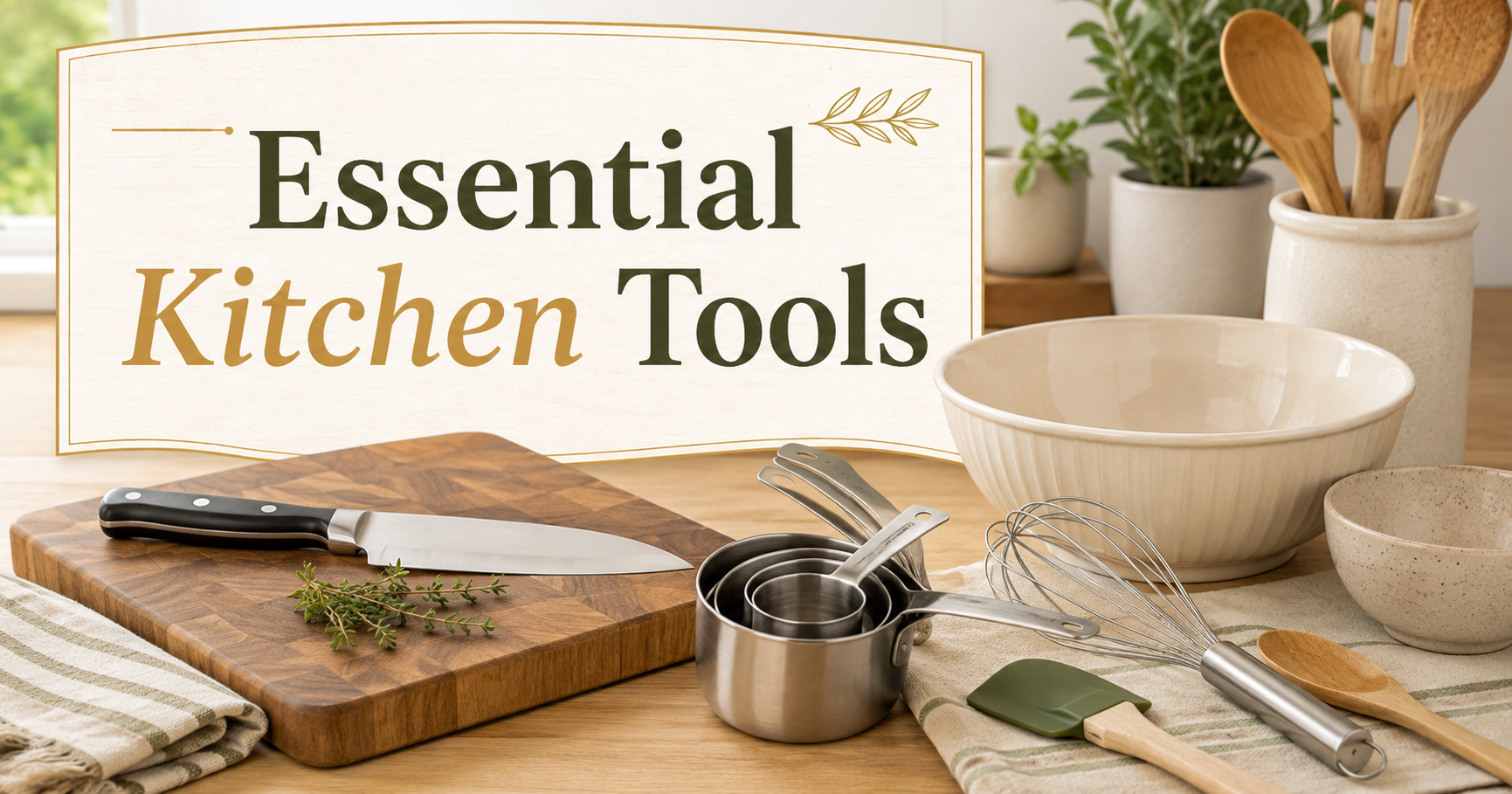
Essential Kitchen Tools for Beginner Cooks
Start with practical everyday tools instead of filling your kitchen with gadgets you may rarely use.
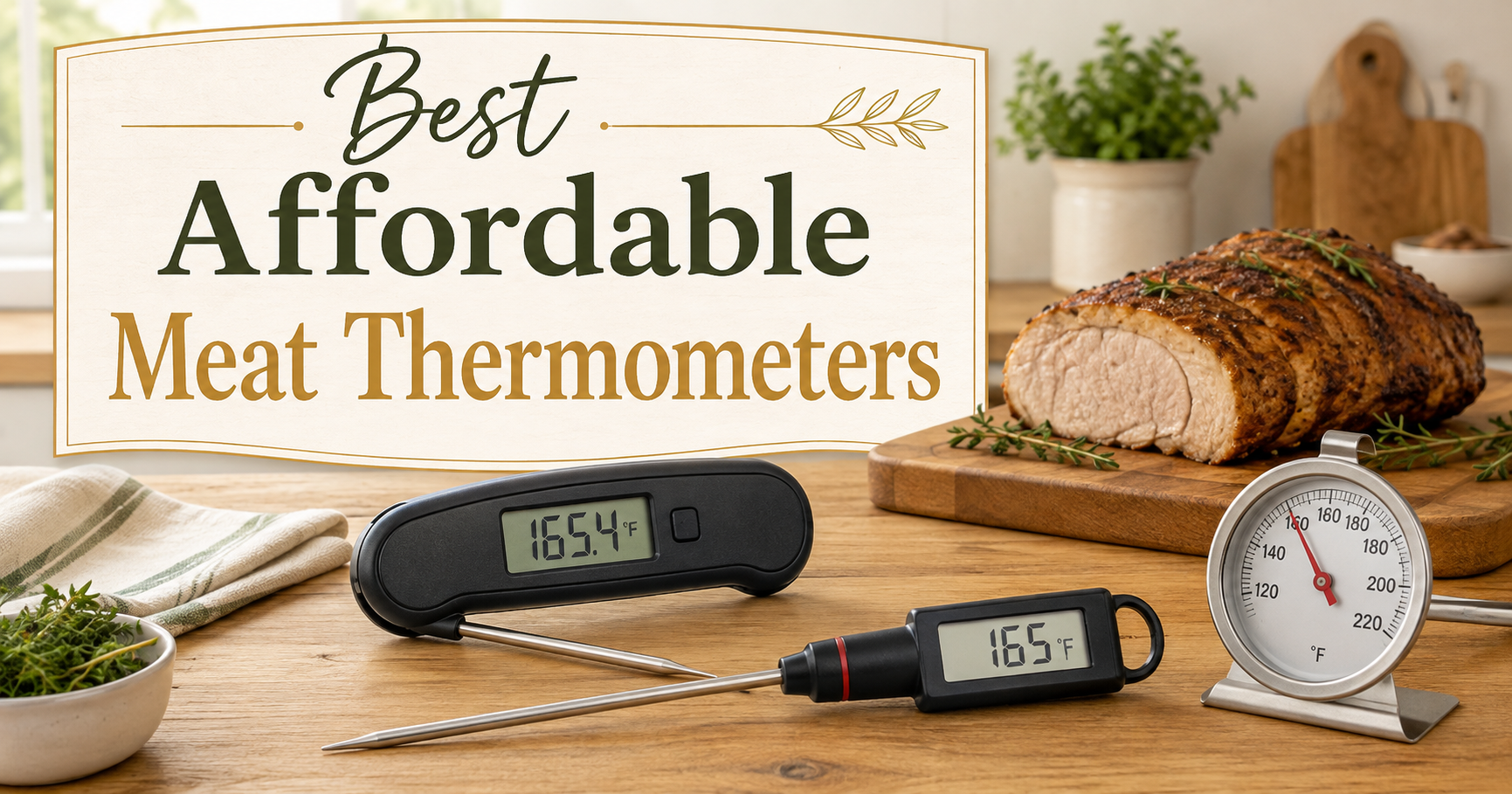
Best Affordable Meat Thermometers
Check chicken, burgers, roasts, and other foods without guessing whether the center is fully cooked.
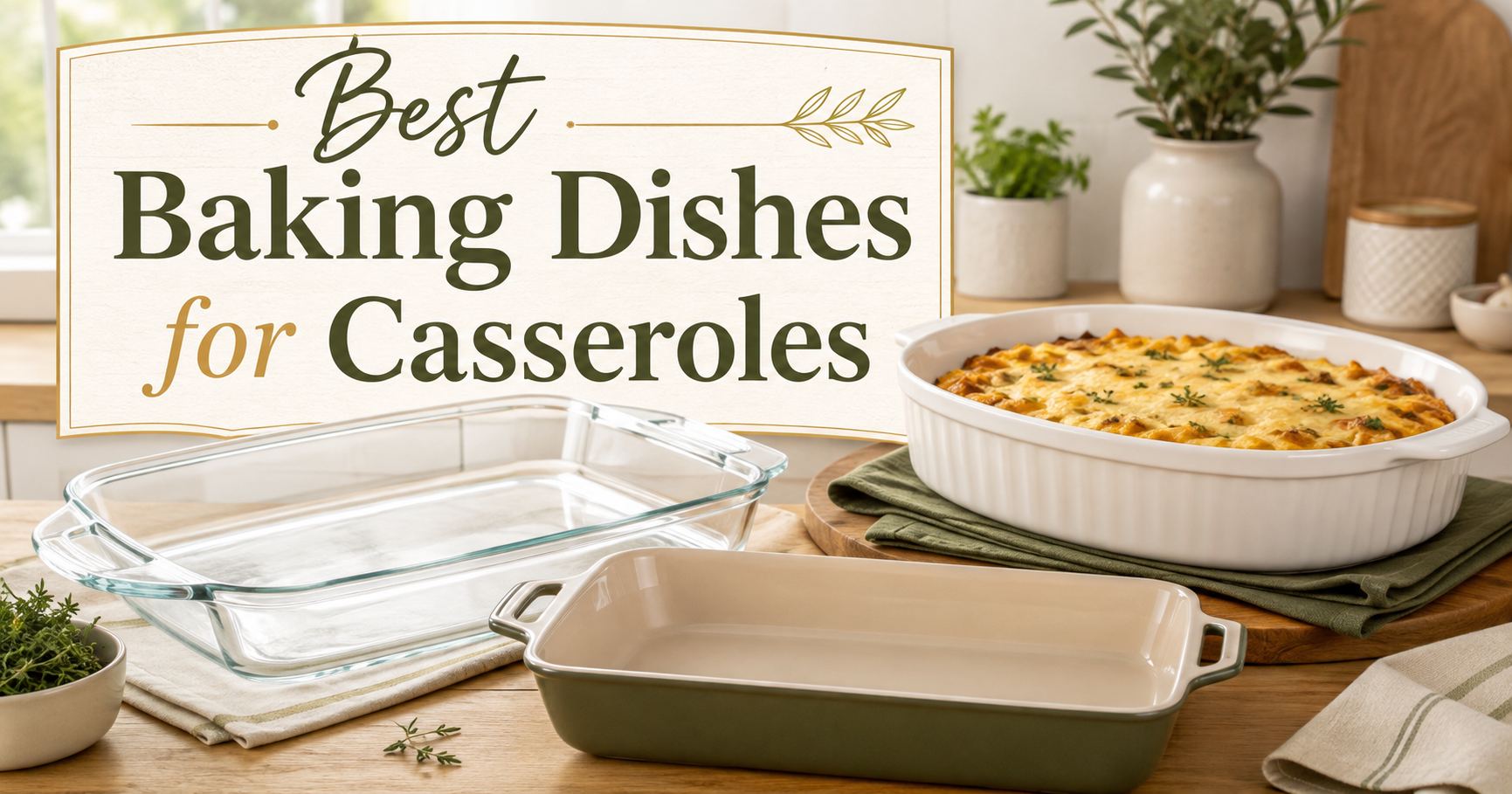
Best Baking Dishes for Casseroles
Compare dependable baking dishes for casseroles, rice bakes, biscuit bakes, desserts, and family meals.
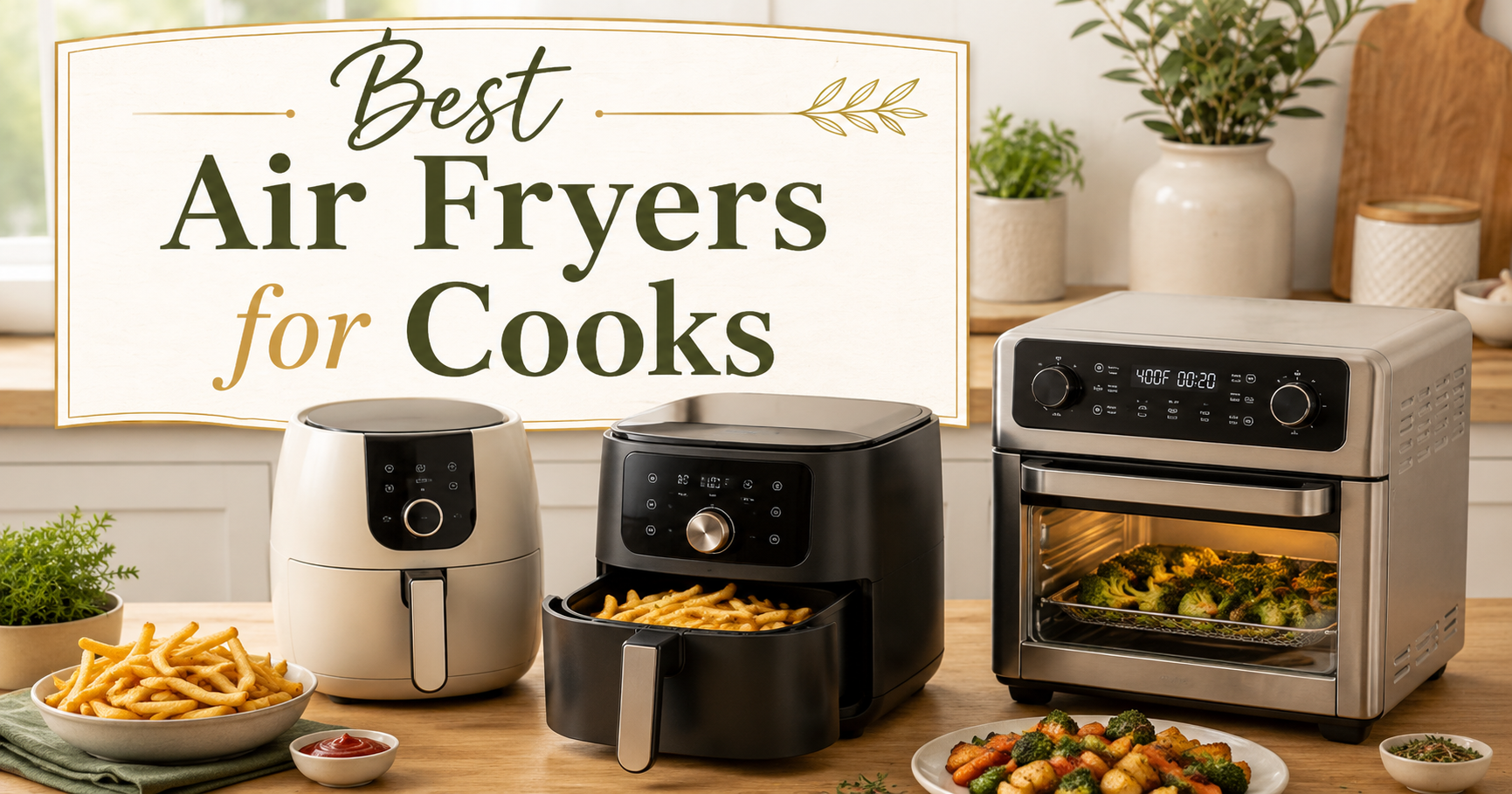
Best Air Fryers for Beginner Cooks
Find a beginner-friendly air fryer for crispy foods, quick dinners, reheating leftovers, and smaller meals.
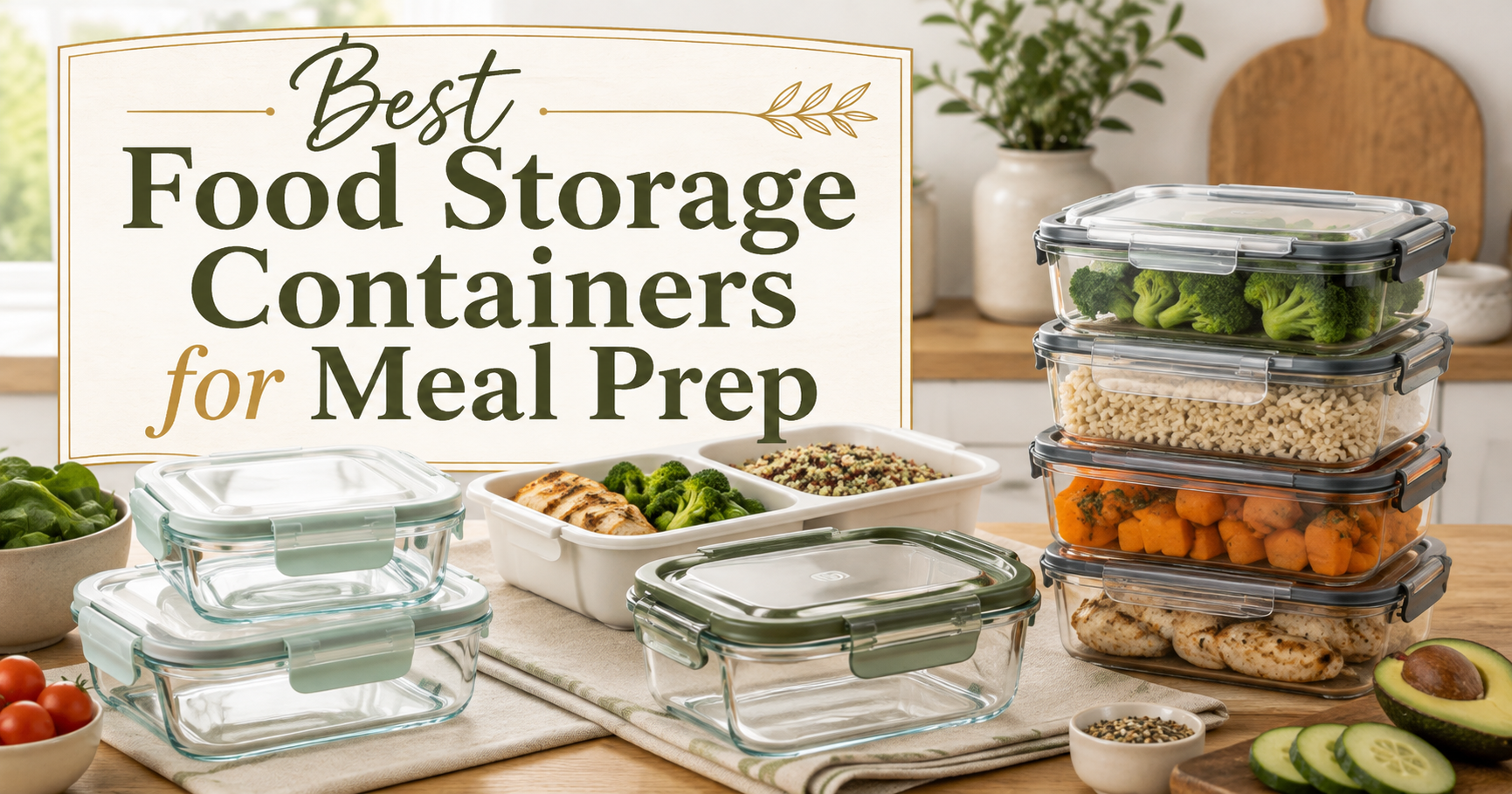
Best Food Storage Containers for Meal Prep
Store leftovers, lunches, freezer meals, and weekly meal-prep portions more neatly.

Featured Kitchen Pick
Explore another practical kitchen pick that can make everyday cooking and food preparation easier.
Easy Substitutions
- Use a greased 9-inch square pan and bake 20 to 25 minutes
- Use milk plus lemon juice instead of buttermilk
- Add one finely diced jalapeño and 1/2 cup cheddar
Storage and Reheating
Cool completely, then store airtight at room temperature for 2 to 3 days or freeze for up to 2 months. Thaw at room temperature and warm briefly before serving.
Warm individual portions gently in a low oven or microwave only until pleasantly warm; avoid overheating.
Frequently Asked Questions
Can I prepare this recipe ahead?
Yes. Prepare the ingredients or complete the recipe ahead when practical, then follow the storage guidance above. For the best texture, keep crisp toppings and fresh garnishes separate until serving.
How do I know it is done?
Use the time as a guide and rely on the texture, color, and temperature cues in the numbered instructions. Ovens and stovetops vary, so check a little early.
Can I double the recipe?
Usually, yes. Use a larger pan or cook in batches so the food is not crowded. Cooking time may increase, so check doneness rather than relying only on the clock.
Image and Publishing Notes
Featured image idea: A bright, natural-light close-up of finished classic skillet cornbread in a simple home-kitchen setting.
Suggested alt text: Homemade classic skillet cornbread ready to serve.
Schema: Recipe schema through WP Recipe Maker. Copy the ingredient amounts, numbered method, times, servings, and temperature notes into the recipe card placeholder.
Verification: Review package labels, appliance behavior, ingredient availability, and final recipe-card values before publishing. Do not claim the recipe was personally tested unless it was.
Food Safety Sources
For meat and egg temperatures, see the USDA safe minimum internal temperature chart. For cold storage guidance, see the FoodSafety.gov cold food storage chart.
Helpful Recipe Resources
Trusted Food, Cooking, and Recipe References
Mistakenly Delicious uses AI-assisted workflows, but useful recipes still need common sense, food safety checks, and reliable cooking references. These resources can help with ingredients, nutrition, safe temperatures, and the AI workflow behind this site.
Ingredient Data
USDA FoodData Central
A useful reference for checking ingredient and nutrition data when reviewing recipes.
Visit Resource →Cooking Help
Nutrition.gov Cooking Tips
Beginner-friendly guidance for meal prep, cooking basics, shopping, and planning.
Visit Resource →Food Safety
Safe Cooking Temperatures
A helpful food safety chart for checking safe internal temperatures for chicken, meat, seafood, and leftovers.
Visit Resource →Creator Workflow
TechnofluxAI
The AI workflow and creator systems site behind Mistakenly Delicious.
Visit TechnofluxAI →