Beginner-Friendly Recipe
Classic Spaghetti with Meat Sauce
A practical, beginner-friendly classic spaghetti with meat sauce recipe with clear steps, useful substitutions, and dependable storage tips.
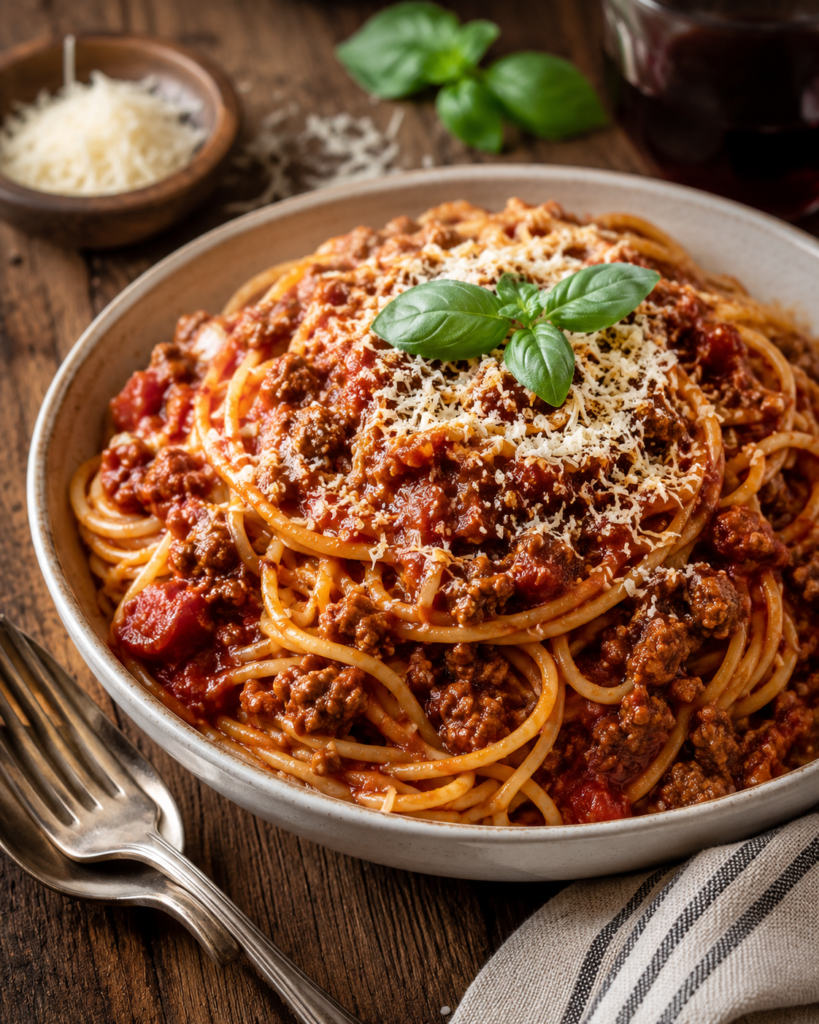
Classic spaghetti with meat sauce is the kind of dependable dinner that brings everyone to the table. Tender pasta is paired with a rich tomato sauce filled with browned ground beef, onion, garlic, and familiar Italian seasonings.
This homemade version uses straightforward grocery-store ingredients and requires no complicated techniques. The sauce simmers just long enough for the tomato, beef, and aromatics to come together, making it practical for a weeknight but comforting enough for Sunday dinner.
Mistakenly Smart Note
Give the tomato paste a full minute in the hot pan before adding the tomatoes. This brief cooking step softens its raw flavor and adds a deeper, more developed tomato taste to the finished sauce.
Quick Answer
Brown ground beef with onion, add garlic, tomato paste, seasonings, crushed tomatoes, and tomato sauce, and then simmer until rich and slightly thickened. Cook the spaghetti separately until al dente and serve it with the hot meat sauce and Parmesan cheese.
Ingredients Overview
Ground Beef
Ground beef gives the sauce its hearty texture and savory flavor. Beef that is approximately 85% to 90% lean provides good flavor without leaving the sauce excessively greasy.
Onion and Garlic
Yellow onion creates a lightly sweet aromatic base, while fresh garlic adds depth. Cook the onion until softened and add the garlic later so it does not scorch.
Tomato Base
Crushed tomatoes provide body and texture, while tomato sauce helps create a smooth consistency that coats the spaghetti. Tomato paste concentrates the tomato flavor and helps the sauce taste as though it simmered longer.
Seasonings
Italian seasoning, black pepper, salt, and optional red pepper flakes keep the flavor familiar and balanced. A small amount of sugar can be added when the tomatoes taste especially acidic, but it is not always necessary.
Spaghetti
Standard dried spaghetti works perfectly. Cook it according to its package directions until al dente so the strands remain firm enough to hold the sauce.
Finishing Ingredients
Freshly grated Parmesan and chopped basil or parsley add a salty, fresh finish. They are optional, but they make the final bowls feel complete.
Print the shopping list and recipe
Why This Recipe Works
- Two forms of tomato: Crushed tomatoes add texture while tomato sauce creates a cohesive consistency.
- Cooked tomato paste: Briefly browning the paste builds deeper flavor without requiring an extended simmer.
- Everyday seasonings: The ingredient list is approachable and easy to adjust for different households.
- Flexible serving style: The spaghetti can be tossed directly with the sauce or topped individually at the table.
- Weeknight timing: The pasta can cook while the sauce simmers, keeping the overall preparation efficient.
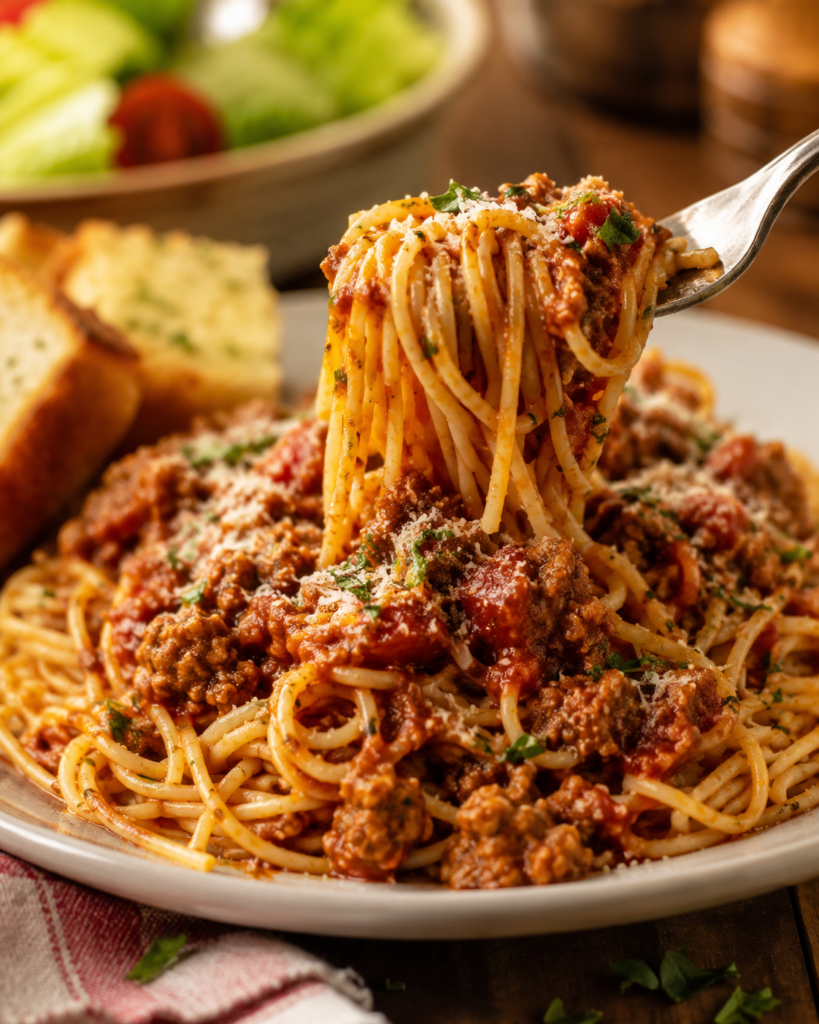
Tips for the Best Spaghetti and Meat Sauce
Brown the Beef Instead of Steaming It
Use a wide skillet or Dutch oven and allow the pan to become hot before adding the beef. Break it into small pieces, but avoid stirring continuously. Brief contact with the hot pan helps create flavorful browned areas.
Drain Only When Necessary
If a large amount of fat collects in the pan, carefully spoon or drain off the excess. Leaving a small amount behind helps cook the onion and carries flavor through the sauce.
Keep the Garlic Brief
Garlic can become bitter when it burns. Add it after the beef and onion have cooked, and stir for only about 30 seconds before adding the tomato paste.
Simmer the Sauce Uncovered
A gentle uncovered simmer lets excess moisture evaporate and gives the sauce a richer consistency. Stir occasionally and reduce the heat if the sauce begins sticking to the bottom.
Reserve Some Pasta Water
Before draining the spaghetti, save a small amount of its cooking water. A splash can loosen an overly thick sauce and help it cling more evenly to the pasta.
Season at the End
Canned tomato products, Parmesan, and salted pasta water can all contribute sodium. Taste the finished sauce before adding the final amount of salt.
Meal Ideas and Easy Swaps
What to Serve with Spaghetti
Pair the pasta with garlic bread, roasted broccoli, sautéed green beans, or a simple green salad. For a larger meal, add roasted vegetables or a platter of tomatoes and cucumbers.
Ground Meat Options
Ground turkey or ground chicken can replace the beef. Poultry is leaner, so an additional drizzle of olive oil may be helpful. Ground poultry must be cooked to a safe internal temperature of 165°F.
Add More Vegetables
Finely diced carrots, celery, mushrooms, zucchini, or bell pepper can be cooked with the onion. Keep the pieces small so they soften evenly and blend into the sauce.
Make It Spicy
Increase the red pepper flakes or add a small amount of hot Italian sausage in place of some of the ground beef.
Use a Different Pasta Shape
Although spaghetti is traditional for this family-style dish, the sauce also works with rigatoni, penne, linguine, or another sturdy pasta.
Make It Dairy-Free
The meat sauce itself can be dairy-free. Skip the Parmesan or use a suitable dairy-free finishing option, checking the labels of all packaged ingredients.
How This Recipe Comes Together
The recipe begins by browning the ground beef with diced onion. Cooking these ingredients together builds the savory foundation of the sauce and allows the onion to soften in the flavorful pan drippings.
Garlic, tomato paste, and dried seasonings are added next. The tomato paste is cooked briefly before the crushed tomatoes and tomato sauce go into the pan.
The sauce then simmers gently until the flavors combine and the consistency thickens. Meanwhile, the spaghetti cooks in salted water until al dente.
Once the pasta is drained, it can be tossed with part of the meat sauce or divided among bowls and topped individually. Parmesan and fresh herbs add the final touch.
Common Mistakes to Avoid
- Using a crowded pan: An overcrowded pan traps moisture and makes browning more difficult.
- Burning the garlic: Add garlic shortly before the liquid ingredients rather than cooking it with the onion from the beginning.
- Skipping the simmer: Even a short simmer improves the sauce’s texture and helps the seasonings blend.
- Overcooking the spaghetti: Drain the pasta while it still has a firm bite, especially when it will be tossed with hot sauce.
- Rinsing the pasta: Rinsing removes the surface starch that helps the meat sauce cling to the spaghetti.
- Adding too much sugar: Taste the sauce first. Sugar should balance noticeable acidity rather than make the sauce sweet.
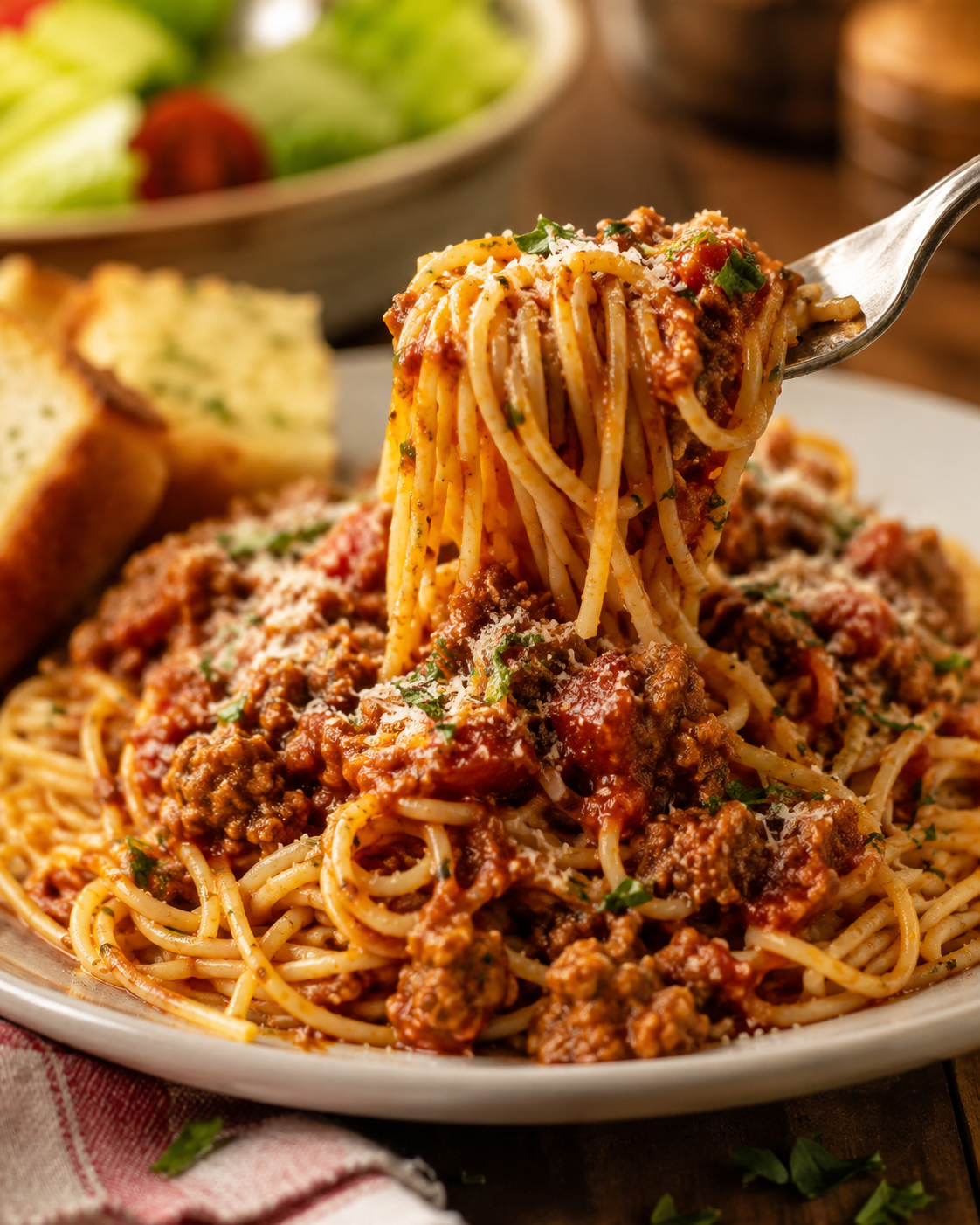
Classic Spaghetti with Meat Sauce
Method
- Start the pasta water. Bring a large pot of water to a boil. Keep it covered while preparing the sauce so it reaches a boil more quickly.
- Brown the beef and onion. Heat the olive oil in a large skillet or Dutch oven over medium-high heat. Add the ground beef and diced onion. Cook for 7 to 9 minutes, breaking the beef into small crumbles, until the onion is softened and the beef is browned. Carefully remove excessive rendered fat when necessary.
- Check the beef. Verify that the ground beef has reached a minimum internal temperature of 160°F with a food thermometer.
- Add the aromatics. Add the minced garlic and cook for approximately 30 seconds, stirring constantly.
- Cook the tomato paste. Stir in the tomato paste, Italian seasoning, salt, black pepper, and optional red pepper flakes. Cook for 1 minute, stirring frequently.
- Build the sauce. Add the crushed tomatoes, tomato sauce, and optional sugar. Stir well and bring the sauce to a gentle simmer.
- Simmer. Reduce the heat to medium-low and simmer uncovered for 20 to 25 minutes, stirring occasionally. Lower the heat if the sauce begins to stick or splatter excessively.
- Cook the spaghetti. While the sauce simmers, add the kosher salt to the boiling water. Add the spaghetti and cook according to the package directions until al dente.
- Reserve pasta water. Before draining, carefully reserve approximately 1/2 cup of the pasta cooking water. Drain the spaghetti without rinsing it.
- Adjust the sauce. Taste the meat sauce and adjust the salt, pepper, or optional sugar. Stir in a splash of reserved pasta water when a thinner consistency is desired.
- Serve. Toss the spaghetti with part of the sauce or divide it among six bowls and spoon the meat sauce over the top. Finish with Parmesan and fresh basil or parsley, if desired.
Notes
If the sauce tastes acidic, add the optional sugar in small increments.
For additional vegetables, cook finely diced carrots, celery, mushrooms, or bell pepper with the onion.
Store extra pasta and sauce separately for the best leftover texture.
Ground turkey or chicken may replace the beef, but it must reach a minimum internal temperature of 165°F.
The sauce can be prepared ahead and reheated while a fresh batch of spaghetti cooks.
Tried this recipe?
Let us know how it was!Nutrition Information Disclaimer
Nutrition information is provided as an estimate only and may vary based on the ingredients, brands, portion sizes, substitutions, and preparation methods used. Optional toppings and serving suggestions may not be included in the calculation. For the most accurate information, calculate nutrition using the specific ingredients and amounts you use.
Allergy notice: Always check ingredient labels and avoid substitutions that may introduce allergens. This recipe has not been verified as allergen-free.
Mistakenly Delicious Kitchen Picks
Helpful Kitchen Tools for Easier Cooking
These beginner-friendly guides and kitchen picks can make cooking, baking, food-safety checks, and meal prep easier.
Affiliate disclosure: This section contains Amazon affiliate links. As an Amazon Associate, I earn from qualifying purchases at no additional cost to you.
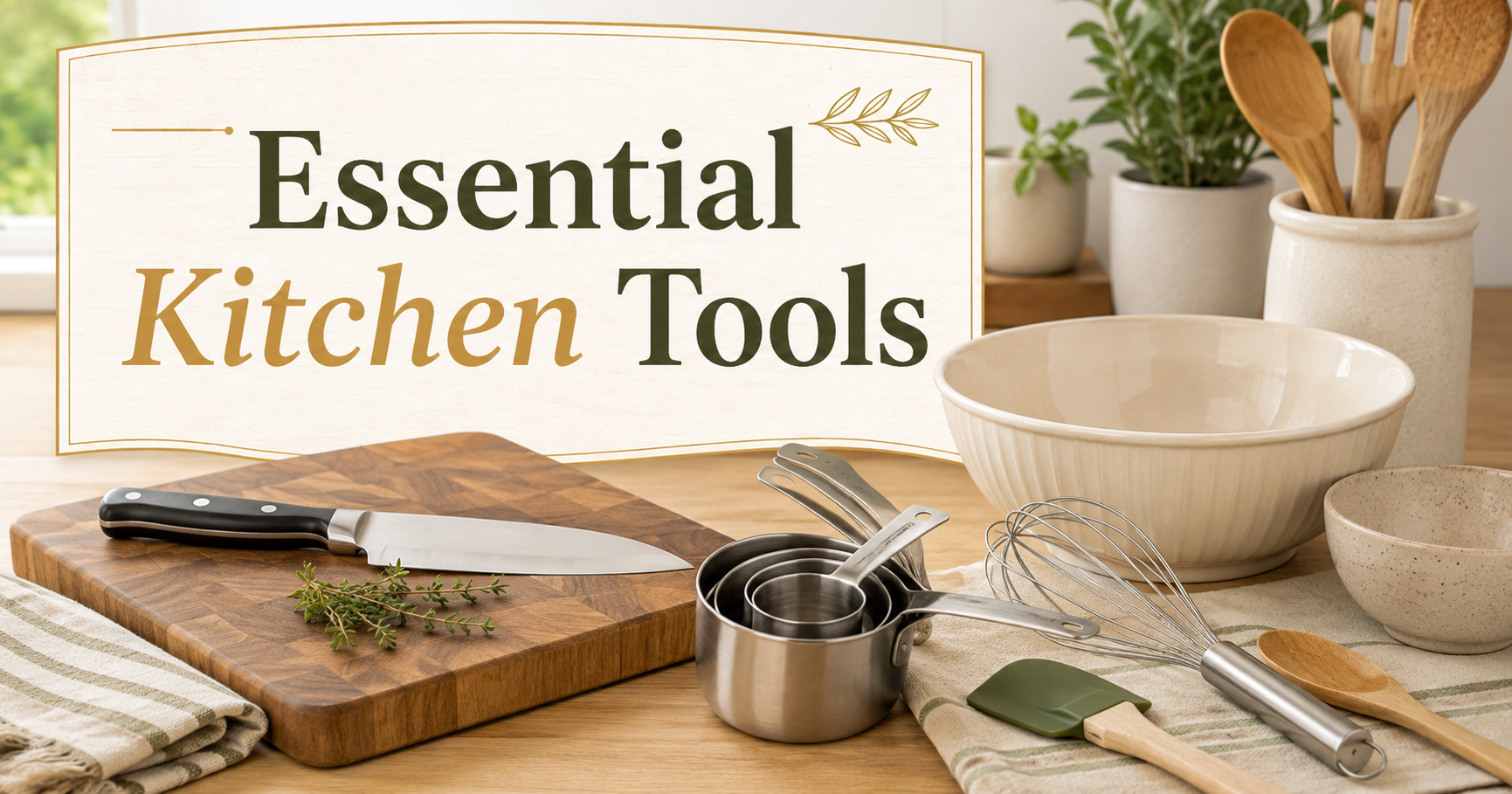
Essential Kitchen Tools for Beginner Cooks
Start with practical everyday tools instead of filling your kitchen with gadgets you may rarely use.

Best Affordable Meat Thermometers
Check chicken, burgers, roasts, and other foods without guessing whether the center is fully cooked.
Best Baking Dishes for Casseroles
Compare dependable baking dishes for casseroles, rice bakes, biscuit bakes, desserts, and family meals.

Best Air Fryers for Beginner Cooks
Find a beginner-friendly air fryer for crispy foods, quick dinners, reheating leftovers, and smaller meals.
Best Food Storage Containers for Meal Prep
Store leftovers, lunches, freezer meals, and weekly meal-prep portions more neatly.

Featured Kitchen Pick
Explore another practical kitchen pick that can make everyday cooking and food preparation easier.
Storage and Reheating
Refrigerating Leftovers
Transfer leftovers to shallow, airtight containers and refrigerate them within two hours of cooking. Properly refrigerated spaghetti and meat sauce should be used within three to four days.
Freezing the Meat Sauce
The sauce freezes better than fully assembled spaghetti. Cool it promptly, transfer it to freezer-safe containers, leave a little room for expansion, and freeze it in meal-size portions. Thaw frozen sauce safely in the refrigerator before reheating.
Reheating
Reheat the sauce in a covered saucepan over medium-low heat, stirring occasionally. Add a splash of water if it has thickened. Individual servings can also be reheated in the microwave, stirring partway through so the food heats evenly.
Storing Pasta Separately
For the best texture, store extra spaghetti and meat sauce in separate containers. The pasta is less likely to absorb too much sauce or become overly soft.
Food Safety Note
Cook ground beef to a minimum internal temperature of 160°F as measured with a food thermometer. Do not rely on color alone to determine whether ground beef is safe. Refrigerate perishable leftovers within two hours, or within one hour when the surrounding temperature is above 90°F.
Frequently Asked Questions
Can I make the meat sauce ahead of time?
Yes. Prepare the sauce, cool it promptly, and refrigerate it in an airtight container. Reheat it gently while cooking a fresh batch of spaghetti.
How can I make the sauce thicker?
Simmer it uncovered for a few additional minutes. Avoid adding flour or cornstarch unless absolutely necessary because reducing the sauce produces a more natural texture and concentrated flavor.
How can I fix sauce that is too thick?
Stir in reserved pasta water, plain water, or a little additional tomato sauce until it reaches the desired consistency.
Do I need to add sugar?
No. Sugar is optional. Taste the sauce after it has simmered and add only a small amount when the tomatoes have a noticeably sharp or acidic flavor.
Can I use jarred marinara sauce?
Yes. Brown the beef and onion, add the garlic, and then stir in your preferred marinara sauce. Reduce the added salt and dried seasonings until you have tasted the prepared sauce.
Should I mix the spaghetti into the sauce?
Either method works. Tossing the spaghetti with some of the sauce provides even coverage, while serving the sauce on top makes it easier for each person to choose their preferred amount.
Why does my meat sauce taste flat?
It may need more salt, additional simmering time, or a small amount of acidity. Taste it first, then adjust gradually with salt, tomato paste, or a small splash of balsamic vinegar.
Final Notes
This classic spaghetti with meat sauce is simple enough to become part of a regular dinner rotation. The recipe is also flexible: add vegetables, change the ground meat, adjust the spice level, or prepare the sauce ahead for an easier meal later in the week.
For the best bowl, cook the spaghetti only until al dente, give the sauce time to simmer, and finish each serving with freshly grated Parmesan and herbs.
Trusted Resources
Helpful Recipe Resources
Trusted Food, Cooking, and Recipe References
Mistakenly Delicious uses AI-assisted workflows, but useful recipes still need common sense, food safety checks, and reliable cooking references. These resources can help with ingredients, nutrition, safe temperatures, and the AI workflow behind this site.
Ingredient Data
USDA FoodData Central
A useful reference for checking ingredient and nutrition data when reviewing recipes.
Visit Resource →Cooking Help
Nutrition.gov Cooking Tips
Beginner-friendly guidance for meal prep, cooking basics, shopping, and planning.
Visit Resource →Food Safety
Safe Cooking Temperatures
A helpful food safety chart for checking safe internal temperatures for chicken, meat, seafood, and leftovers.
Visit Resource →Creator Workflow
TechnofluxAI
The AI workflow and creator systems site behind Mistakenly Delicious.
Visit TechnofluxAI →