Beginner-Friendly Recipe
Loaded Baked Potato Soup
A practical, beginner-friendly loaded baked potato soup recipe with clear steps, useful substitutions, and dependable storage tips.
Loaded Baked Potato Soup takes everything people love about a loaded baked potato and turns it into a warm, creamy bowl of comfort food. Tender potatoes, smoky bacon, sharp cheddar, sour cream, and green onions come together in a thick soup that feels hearty enough for dinner.
The recipe is especially approachable for beginner cooks because it uses one main pot and familiar ingredients. The potatoes cook directly in the soup, part of them are mashed to naturally add body, and the cheddar and sour cream go in at the end for a smooth, rich finish.
Mistakenly Smart Note
Mash only some of the potatoes instead of blending the entire pot. The mashed potatoes thicken the soup while the remaining chunks give every bowl the satisfying texture of a loaded baked potato.
Quick Answer
Loaded Baked Potato Soup is made by cooking bacon until crisp, softening onion in some of the bacon drippings, and creating a lightly thickened broth with flour, chicken broth, milk, and half-and-half. Diced russet potatoes simmer directly in the soup until tender. Mash some of the potatoes, then finish the soup off the heat with cheddar, sour cream, bacon, and green onions.
Ingredients Overview
The complete measurements are in the printable recipe card below. Here is what the main ingredients contribute to the soup.
Russet Potatoes
Russet potatoes work especially well because they become tender and fluffy as they cook. Mashing part of them directly in the pot also helps thicken the soup without turning every potato into a puree.
Bacon
Bacon provides both a topping and part of the savory foundation for the soup. A small amount of the rendered bacon fat is used to cook the onion before the creamy base is built.
Onion and Garlic
Onion adds mild sweetness and savory flavor, while garlic gives the soup another layer of flavor without competing with the potatoes and cheddar.
Flour
A small amount of all-purpose flour combines with the fat in the pot to help thicken the liquid. The potatoes provide additional body later in the cooking process.
Chicken Broth
Chicken broth keeps the soup savory and prevents the dairy from making the base feel too heavy. A low-sodium broth makes it easier to control the final salt level.
Milk and Half-and-Half
Milk provides most of the creamy liquid while half-and-half adds extra richness. Using a combination gives the soup a substantial texture without relying entirely on heavy cream.
Sharp Cheddar
Sharp cheddar gives the soup its classic loaded-potato flavor. Cheese shredded from a block generally incorporates more smoothly than heavily coated pre-shredded cheese.
Sour Cream
Sour cream adds the familiar tang of a loaded baked potato while making the finished soup richer and creamier.
Green Onions
Green onions add fresh onion flavor and color at the end. Keep some aside for topping individual bowls.
Jump to the printable recipe and shopping list.
Why This Loaded Baked Potato Soup Works
The Bacon Builds Flavor First
Cooking the bacon in the soup pot gives you crisp pieces for serving and flavorful drippings for starting the onion. That creates a savory base before any liquid is added.
The Potatoes Cook in the Soup
There is no separate pot of boiling water to drain. The potatoes simmer directly in the broth and dairy mixture, so the method stays simple and the potato flavor remains part of the soup.
Mashed Potatoes Add Natural Body
Once the potatoes are tender, mashing some of them releases starch and makes the soup thicker. Leaving the rest intact prevents the finished soup from becoming completely smooth.
The Cheese Goes in at the End
The pot comes off direct heat before the cheddar and sour cream are added. Gentle finishing heat helps the cheese melt into the soup without unnecessarily boiling the dairy.
The Toppings Add Texture
The creamy potato base is soft and rich, while crisp bacon, fresh green onions, and extra cheddar provide contrast. Adding those toppings to individual bowls also lets everyone customize their serving.
Tips for the Best Loaded Baked Potato Soup
Cut the Potatoes Evenly
Aim for small, similar-size cubes so the potatoes become tender at roughly the same time. Very large pieces can remain firm long after the smaller ones are ready.
Do Not Drain All the Bacon Fat
Leave a measured amount in the pot for cooking the onion and making the flour-thickened base. Remove excess fat so the finished soup does not become greasy.
Cook the Flour Briefly
After stirring flour into the onion and fat, give it about a minute to cook before adding liquid. Stir constantly so the flour coats the onions without scorching.
Add the Broth Gradually
Pouring in the broth while stirring or whisking helps the flour combine smoothly with the liquid.
Use a Potato Masher Carefully
You do not need to mash every potato. Press the masher into several areas of the pot until the broth noticeably thickens, then stop while plenty of chunks remain.
Shred the Cheddar Before You Start
Having the cheese ready makes the finishing stage easier. Add it gradually after removing the soup from direct heat and stir until smooth.
Taste Before Adding More Salt
Bacon, broth, and cheddar can all contribute salt. Season conservatively at the beginning, then make the final adjustment after all three are in the soup.

Meal Ideas and Easy Swaps
Loaded Baked Potato Soup is substantial enough to be the main part of dinner. Serve it with crusty bread, dinner rolls, garlic toast, crackers, or a simple green salad when you want something alongside the bowl.
For a soup-and-sandwich meal, pair smaller portions with grilled cheese, turkey sandwiches, ham sandwiches, or toasted vegetable sandwiches.
If you want another cozy soup with a very different flavor, try this creamy tomato basil soup. For a lighter vegetable-packed option, this easy vegetable soup for beginners is another simple one-pot choice. :contentReference[oaicite:0]{index=0}
Use a Different Cheese
Medium cheddar works when you want a milder flavor. You can also replace part of the cheddar with Monterey Jack for an especially creamy finish. Strong cheeses should be added more cautiously so they do not overpower the potato flavor.
Add Extra Vegetables
Finely diced carrots or celery can cook with the onion. Chopped broccoli can also be added toward the end of the potato cooking time for a loaded potato-and-broccoli variation.
Make It Spicy
Add a pinch of cayenne, crushed red pepper, diced jalapeno, or a small amount of hot sauce. Pepper Jack can also replace part of the cheddar.
Use Ham Instead of Bacon
Diced cooked ham works well with potatoes and cheddar. Because ham does not provide bacon drippings, use butter to cook the onion and build the flour base.
Make the Soup More Brothy
For a thinner consistency, add additional broth or milk a little at a time. This is especially useful when reheating because potato soup often becomes thicker in the refrigerator.
Make It Extra Loaded
Set out small bowls of crumbled bacon, shredded cheddar, sour cream, sliced green onions, and black pepper so everyone can finish their own bowl.
How This Loaded Baked Potato Soup Comes Together
1. Crisp the Bacon
The bacon cooks first in the soup pot. Once crisp, it is transferred to a paper-towel-lined plate while a small amount of rendered fat remains behind.
2. Soften the Onion
The onion cooks in the reserved bacon drippings until softened. Garlic goes in only briefly because it needs much less cooking time.
3. Build the Thickened Base
Flour is stirred into the onion mixture and cooked briefly. Broth is then added gradually while stirring, followed by the milk and half-and-half.
4. Simmer the Potatoes
The diced potatoes go directly into the creamy broth. Keep the soup at a gentle simmer and stir occasionally until the potatoes are completely tender when pierced with a fork.
5. Mash Part of the Potatoes
Use a potato masher directly in the pot to break down some of the potatoes. The soup should become noticeably thicker while still containing plenty of tender potato pieces.
6. Finish With the Loaded Potato Flavors
Remove the pot from direct heat before stirring in the cheddar and sour cream. Once the mixture is smooth, fold in part of the bacon and green onions.
7. Add the Toppings
Ladle the soup into bowls and finish each serving with the reserved bacon, cheddar, green onions, sour cream, or freshly ground black pepper.
Common Loaded Baked Potato Soup Mistakes
Using Potato Pieces That Are Too Large
The thickest potato pieces determine how long the soup has to cook. Keeping the cubes relatively small and even prevents some pieces from becoming mushy while others remain firm.
Letting the Flour Form Lumps
Stir the flour thoroughly into the fat and onion before adding liquid. Then add the broth gradually while stirring instead of pouring everything into the pot at once.
Boiling the Soup Aggressively
A steady gentle simmer is enough to cook the potatoes. Once the milk and half-and-half are in the pot, there is no benefit to maintaining a hard rolling boil.
Adding the Cheese Over High Heat
Turn off the burner or remove the pot from direct heat before adding the cheddar. Stir it in gradually so it melts into the hot soup.
Mashing Every Potato
Fully pureeing the soup removes much of the baked-potato texture. Mash only enough potatoes to thicken the base while leaving visible chunks.
Adding Too Much Salt Early
Wait until the bacon, broth, and cheddar have contributed their flavor before deciding how much additional salt the finished soup needs.
Forgetting the Toppings
The base is delicious on its own, but the contrast between creamy soup, crisp bacon, cheese, sour cream, and fresh green onions is what gives the recipe its loaded baked potato character.

Loaded Baked Potato Soup
Method
- Cook the bacon. Add the chopped bacon to a large Dutch oven or soup pot. Cook over medium heat, stirring occasionally, until browned and crisp.
- Drain the bacon. Use a slotted spoon to transfer the bacon to a paper-towel-lined plate. Reserve about 2 tablespoons of bacon drippings in the pot and carefully discard or save the excess.
- Cook the onion. Add the diced onion to the reserved bacon drippings. Cook over medium heat for 4 to 5 minutes, stirring occasionally, until softened.
- Add the garlic. Stir in the minced garlic and cook for about 30 seconds, just until fragrant.
- Add the flour. Sprinkle the flour over the onion mixture. Stir constantly for about 1 minute until the flour is fully incorporated.
- Add the broth. Slowly pour in the chicken broth while stirring or whisking continuously. Scrape along the bottom of the pot to incorporate the flour mixture.
- Add the dairy and potatoes. Stir in the milk and half-and-half. Add the diced potatoes, salt, black pepper, and optional smoked paprika.
- Simmer. Increase the heat until the soup approaches a gentle boil, then reduce to medium-low. Simmer for about 15 to 20 minutes, stirring occasionally, until the potatoes are completely tender when pierced with a fork.
- Mash some of the potatoes. Use a potato masher to mash part of the potatoes directly in the pot. Leave plenty of potato pieces intact. Mash more for a thicker soup or less for a chunkier soup.
- Remove from the heat. Turn off the burner and move the pot away from direct heat if necessary.
- Add the cheese. Reserve about 1/2 cup cheddar for topping. Add the remaining cheddar to the hot soup a handful at a time, stirring until melted before adding more.
- Add the sour cream. Stir in the sour cream until the soup is creamy and uniform.
- Add bacon and onions. Reserve some bacon and green onions for topping. Stir the remaining bacon and sliced green onions into the soup.
- Adjust the consistency. If the soup is thicker than you prefer, stir in a splash of additional milk or chicken broth.
- Taste and serve. Taste before adding additional salt. Ladle into bowls and top with the reserved bacon, cheddar, green onions, sour cream, and black pepper as desired.
Notes
Leave about 2 tablespoons of bacon fat in the pot for the onion and flour base.
If your bacon produces very little fat, add 1 tablespoon butter as needed.
Keep the soup at a gentle simmer once the dairy is added.
Mash only part of the potatoes for a thick soup that still has plenty of texture.
Shred cheddar from a block when possible.
Remove the soup from direct heat before adding the cheddar and sour cream.
Add extra broth or milk if the soup becomes too thick.
Wait until the cheese and bacon are added before making the final salt adjustment.
Refrigerate leftovers promptly and use within 3 to 4 days.
Reheat leftovers to 165°F.
Nutrition Estimate Estimated per serving: approximately 540 calories Important: Final nutrition will vary based on bacon, broth, milk, cheddar, sour cream, portion size, and toppings. Recalculate with the exact ingredient brands in WP Recipe Maker before publishing.
Tried this recipe?
Let us know how it was!Nutrition Information Disclaimer
Nutrition information is provided as an estimate only and may vary based on the ingredients, brands, portion sizes, substitutions, and preparation methods used. Optional toppings and serving suggestions may not be included in the calculation. For the most accurate information, calculate nutrition using the specific ingredients and amounts you use.
Allergy notice: Always check ingredient labels and avoid substitutions that may introduce allergens. This recipe has not been verified as allergen-free.
Mistakenly Delicious Kitchen Picks
Helpful Kitchen Tools for Easier Cooking
These beginner-friendly guides and kitchen picks can make cooking, baking, food-safety checks, and meal prep easier.
Affiliate disclosure: This section contains Amazon affiliate links. As an Amazon Associate, I earn from qualifying purchases at no additional cost to you.

Essential Kitchen Tools for Beginner Cooks
Start with practical everyday tools instead of filling your kitchen with gadgets you may rarely use.

Best Affordable Meat Thermometers
Check chicken, burgers, roasts, and other foods without guessing whether the center is fully cooked.
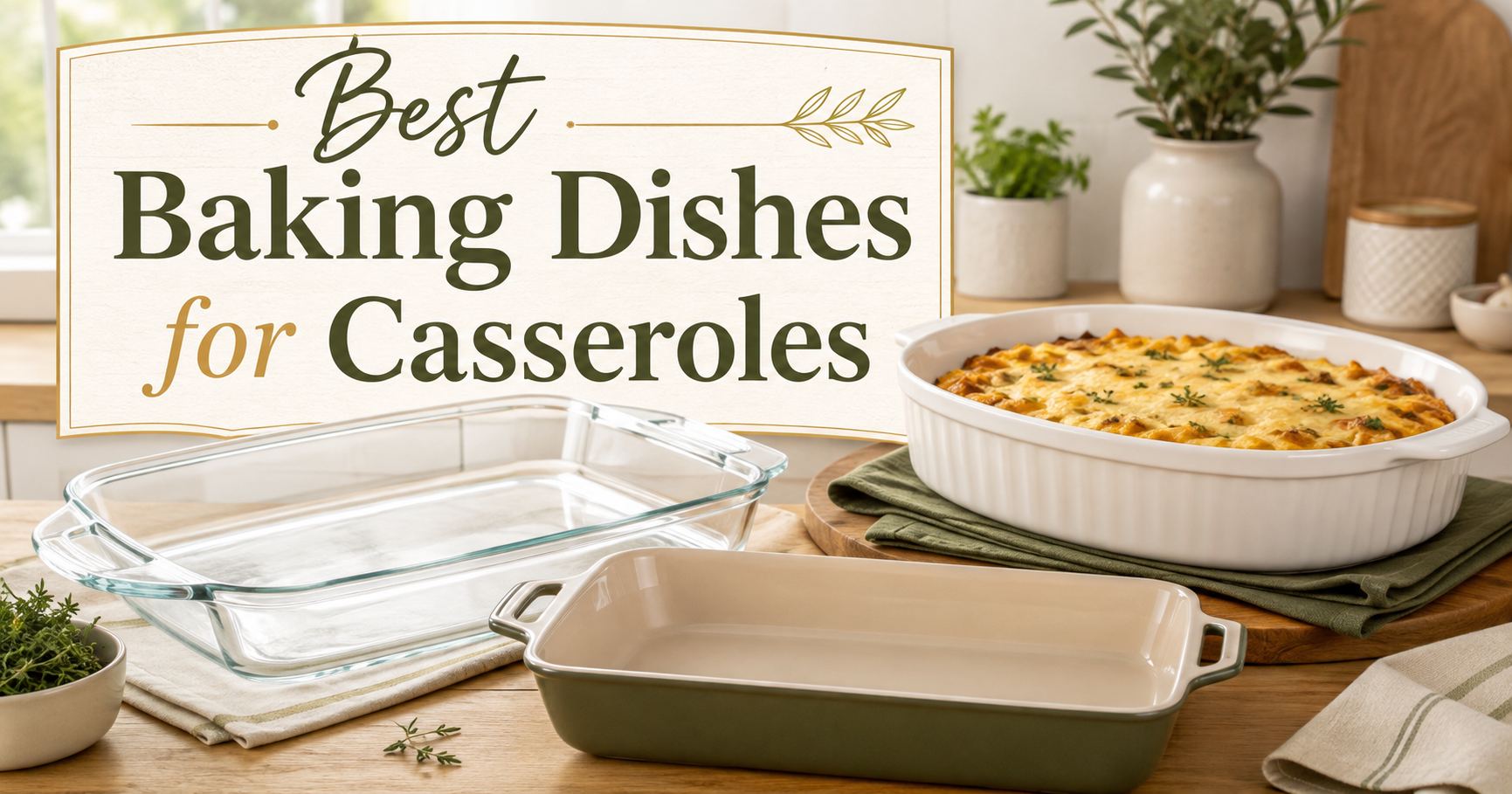
Best Baking Dishes for Casseroles
Compare dependable baking dishes for casseroles, rice bakes, biscuit bakes, desserts, and family meals.

Best Air Fryers for Beginner Cooks
Find a beginner-friendly air fryer for crispy foods, quick dinners, reheating leftovers, and smaller meals.

Best Food Storage Containers for Meal Prep
Store leftovers, lunches, freezer meals, and weekly meal-prep portions more neatly.

Featured Kitchen Pick
Explore another practical kitchen pick that can make everyday cooking and food preparation easier.
Storage and Reheating
Refrigerating Leftovers
Transfer leftover Loaded Baked Potato Soup to shallow covered containers and refrigerate promptly. Use refrigerated leftovers within 3 to 4 days.
If possible, store extra bacon and green-onion toppings separately so they keep more of their texture.
Reheating on the Stovetop
Place the soup in a saucepan and reheat it while stirring frequently. Potato soup usually thickens after refrigeration, so add a splash of broth or milk if needed.
When reheating soup on the stovetop for food safety, bring it to a boil before serving.
Reheating in the Microwave
Transfer an individual serving to a microwave-safe bowl and cover it loosely. Reheat in intervals, stirring between each interval to help the soup heat evenly.
Can You Freeze Loaded Baked Potato Soup?
You can freeze it, but potato and dairy-based soups may have a different texture after thawing. Potatoes can become softer or slightly grainy, while dairy can separate.
If you freeze the soup, thaw it in the refrigerator and reheat it while stirring well. A small amount of fresh milk, broth, sour cream, or cheese can help adjust the consistency after reheating.
Food Safety Note
Refrigerate leftover soup within 2 hours of cooking, or within 1 hour if it has been exposed to temperatures above 90°F. Store refrigerated leftovers for no more than 3 to 4 days. Reheat leftovers to 165°F, and bring soups to a boil when reheating them on the stovetop.
Loaded Baked Potato Soup FAQ
What potatoes are best for Loaded Baked Potato Soup?
Russet potatoes are a good choice when you want a thick, creamy soup because they become soft and fluffy during cooking. Yukon Gold potatoes can also be used for a slightly firmer, naturally buttery texture.
Do I need to bake the potatoes first?
No. Despite the name, this version does not require separately baked potatoes. Raw diced potatoes cook directly in the soup, while the bacon, cheddar, sour cream, and green onions provide the familiar loaded baked potato flavors.
Do I need to peel the potatoes?
No. Peeling creates a smoother soup, but clean, scrubbed potato skins can be left on if you enjoy the texture. Cut away any damaged or green areas before cooking.
How do I thicken Loaded Baked Potato Soup?
Mash more of the cooked potatoes directly in the pot and allow the soup to simmer gently until it reaches the consistency you like. Remember that the soup will also become thicker as it cools.
How do I thin potato soup that became too thick?
Stir in additional broth or milk a little at a time until the soup reaches your preferred consistency. Taste again afterward because adding extra liquid can also dilute the seasoning.
Can I use pre-shredded cheddar?
Yes, although freshly shredded cheese often incorporates more easily. If using packaged shredded cheese, add it gradually off the heat and stir well between additions.
Can I make this soup without bacon?
Yes. Omit the bacon and use butter instead of bacon drippings for cooking the onion. You can add extra smoked paprika or another savory topping if you want more depth.
Can I use leftover baked potatoes?
Yes. Leftover baked potatoes can be peeled or left with clean skins and cut into chunks. Because they are already cooked, add them later than raw potatoes and simmer only long enough for the pieces to become hot and begin thickening the soup.
Why did my potato soup become gluey?
Potatoes release starch when they are worked aggressively. Avoid repeatedly blending or processing the entire soup. A few presses with a potato masher are enough to create body while maintaining a pleasant texture.
Why did my cheese separate?
Excessive heat can make a cheese-and-dairy soup look oily or grainy. Remove the pot from direct heat before adding the cheddar and stir it in gradually.
Can I make Loaded Baked Potato Soup ahead of time?
Yes. Prepare the soup, refrigerate it promptly in covered containers, and keep the toppings separate. Reheat the soup thoroughly and add fresh toppings immediately before serving.
Final Notes
Loaded Baked Potato Soup is a good example of how a few basic cooking techniques can turn familiar ingredients into a hearty one-pot meal. Crisp the bacon first, build the soup in the flavorful drippings, cook the potatoes until completely tender, and mash only enough of them to create a thick base.
The last step matters just as much: take the soup off direct heat before adding the cheddar and sour cream. Then pile on the bacon, cheese, green onions, and whatever other baked-potato toppings your family likes.
Serve it with bread or salad for dinner, make smaller bowls for lunch, or refrigerate the leftovers for another cozy meal later in the week.
Trusted Resources
- USDA FSIS: Leftovers and Food Safety
- FoodSafety.gov: Four Steps to Food Safety
- USDA FoodData Central
Helpful Recipe Resources
Trusted Food, Cooking, and Recipe References
Mistakenly Delicious uses AI-assisted workflows, but useful recipes still need common sense, food safety checks, and reliable cooking references. These resources can help with ingredients, nutrition, safe temperatures, and the AI workflow behind this site.
Ingredient Data
USDA FoodData Central
A useful reference for checking ingredient and nutrition data when reviewing recipes.
Visit Resource →Cooking Help
Nutrition.gov Cooking Tips
Beginner-friendly guidance for meal prep, cooking basics, shopping, and planning.
Visit Resource →Food Safety
Safe Cooking Temperatures
A helpful food safety chart for checking safe internal temperatures for chicken, meat, seafood, and leftovers.
Visit Resource →Creator Workflow
TechnofluxAI
The AI workflow and creator systems site behind Mistakenly Delicious.
Visit TechnofluxAI →