Beginner-Friendly Recipe
One-Bowl Chocolate Cake
A practical, beginner-friendly one-bowl chocolate cake recipe with clear steps, useful substitutions, and dependable storage tips.

This one-bowl chocolate cake is rich, moist, and deeply chocolatey without turning an ordinary baking day into a sink full of dishes. The cake batter comes together in a single mixing bowl using straightforward pantry ingredients, making it an especially useful recipe when you want homemade cake without a complicated process.
The cocoa gives every bite plenty of chocolate flavor, while oil helps the crumb stay soft even after the cake has cooled. A little hot coffee or hot water loosens the batter and helps create a tender, moist texture.
Mistakenly Smart Note
Chocolate cake batter can look surprisingly thin before baking. Do not automatically add more flour. A loose batter is normal for this style of cake and helps produce the soft, moist crumb you want after baking.
Quick Answer
A one-bowl chocolate cake is exactly what it sounds like: the dry and wet ingredients for the cake batter are mixed in one bowl instead of preparing separate mixtures. This version uses cocoa powder, oil, eggs, milk, and hot coffee or water for a soft chocolate cake that requires very little cleanup.
The batter can be baked as a simple rectangular cake, making it an easy choice for birthdays, family dinners, potlucks, or whenever you need a dependable chocolate dessert.
Jump to the printable recipe card and shopping list.
Ingredients Overview
All-purpose flour provides the structure that allows the cake to rise while remaining tender.
Granulated sugar sweetens the cake while also helping retain moisture in the crumb.
Unsweetened cocoa powder supplies the primary chocolate flavor. Natural unsweetened cocoa works well in this recipe.
Baking soda and baking powder provide the lift needed for a light cake without making the crumb dry or overly airy.
Salt balances the sweetness and helps the chocolate flavor taste more pronounced.
Eggs give the batter structure and richness while helping bind the ingredients together.
Milk provides moisture and helps create a tender crumb.
Neutral oil keeps the cake soft and moist. Unlike butter, oil remains liquid at room temperature, which helps the finished cake retain its softness.
Vanilla extract rounds out the cocoa flavor and adds warmth.
Hot coffee or hot water thins the batter and brings the cocoa into the liquid mixture. Coffee intensifies the chocolate flavor without making the finished cake taste strongly like coffee.
Why This One-Bowl Chocolate Cake Works
The biggest advantage is simplicity. The dry ingredients are combined directly in the mixing bowl, followed by the wet ingredients, so there is no need to cream butter or prepare separate mixtures.
Oil gives the cake a consistently moist texture, while cocoa powder provides strong chocolate flavor without the extra step of melting chocolate.
Adding hot liquid at the end creates a thinner batter and helps the cocoa blend smoothly throughout the cake. The result is a soft, even crumb with chocolate flavor from edge to center.

Tips for the Best Chocolate Cake
Measure the flour carefully. Too much flour can make even an oil-based cake dry. For the most consistent result, weigh it with a kitchen scale. If using cups, spoon the flour into the measuring cup and level the top.
Break up cocoa lumps. Cocoa powder tends to clump. Whisk the dry ingredients thoroughly before adding the liquids, or sift the cocoa if it is especially lumpy.
Use room-temperature eggs and milk when possible. Ingredients that are not extremely cold combine more smoothly into the batter.
Do not overmix after the flour is hydrated. Mix until the batter is smooth and evenly combined, but avoid extended beating.
Expect a thin batter. The hot coffee or water makes this cake batter much looser than brownie batter or a traditional butter cake batter. That is intentional.
Start checking the cake early. Ovens and pans vary. The cake is ready when the center springs back lightly and a tester comes out with a few moist crumbs rather than wet batter.
Cool before frosting. Frosting a warm cake can cause the frosting to melt, slide, or soak into the surface.
Easy Swaps and Serving Ideas
If you do not want to use coffee, hot water works well instead. Coffee is included mainly because it complements cocoa and deepens the overall chocolate flavor.
Whole milk creates a rich cake, but another plain dairy milk can generally be used when needed. For a deeper chocolate finish, sprinkle miniature chocolate chips over the frosting or add chocolate curls immediately before serving.
This cake is also good with a simple dusting of powdered sugar when you do not want frosting. For a more substantial dessert, serve slices with vanilla ice cream, fresh berries, or a spoonful of lightly sweetened whipped cream.
How This Recipe Comes Together
Start by whisking the flour, sugar, cocoa powder, leaveners, and salt directly in a large bowl. Taking a moment to distribute the dry ingredients evenly helps prevent pockets of baking soda, cocoa, or flour in the finished cake.
The eggs, milk, oil, and vanilla are added directly to the same bowl and mixed until the batter is mostly smooth. Hot coffee or water is then gradually incorporated.
The finished batter will be relatively thin. Pour it into the prepared baking pan and bake until the center is set and a tester shows moist crumbs.
Once baked, allow the cake to cool in the pan. It can then be served plain or finished with your favorite chocolate frosting.
Common Mistakes to Avoid
Adding extra flour because the batter looks thin: The loose consistency is intentional. Extra flour can make the finished cake dense and dry.
Using packed measuring cups of flour: Scooping directly from the flour container can compress the flour and add more than the recipe needs.
Overbaking: Chocolate cake can look finished before it feels completely firm. Begin checking near the lower end of the baking range.
Using cold coffee: The liquid should be hot when added so it blends properly with the cocoa-rich batter.
Frosting before cooling: Even slightly warm cake can soften frosting enough to make decorating difficult.
Using the wrong pan size: A deeper or shallower pan changes how quickly the center cooks. Use the recommended size for the most predictable baking time.

One-Bowl Chocolate Cake
Method
- Preheat the oven to 350°F. Lightly grease a 9-by-13-inch baking pan or line it with parchment paper.
- Add the flour, granulated sugar, cocoa powder, baking soda, baking powder, and salt to a large mixing bowl. Whisk thoroughly until evenly combined and no large cocoa lumps remain.
- Add the eggs, milk, vegetable oil, and vanilla directly to the dry ingredients.
- Whisk until the batter is smooth and the ingredients are fully combined. Scrape the bottom and sides of the bowl with a rubber spatula as needed.
- Slowly pour in the hot coffee or hot water while whisking gently. Continue mixing until evenly incorporated. The finished batter will be thin.
- Pour the batter into the prepared baking pan and spread it evenly if needed.
- Bake for 28 to 34 minutes, or until the center springs back lightly when touched and a toothpick inserted into the center comes out with a few moist crumbs but no wet batter.
- Transfer the pan to a wire rack and allow the cake to cool completely before frosting or slicing.
- Optional Chocolate Frosting
- Beat or vigorously mix the softened butter and cocoa powder until smooth.
- Gradually add the powdered sugar, alternating with small amounts of milk, until the frosting is smooth and spreadable.
- Mix in the vanilla and salt. Add a small amount of additional milk if needed to reach the desired consistency.
- Spread the frosting over the completely cooled cake before slicing and serving.
Notes
Tried this recipe?
Let us know how it was!Nutrition Information Disclaimer
Nutrition information is provided as an estimate only and may vary based on the ingredients, brands, portion sizes, substitutions, and preparation methods used. Optional toppings and serving suggestions may not be included in the calculation. For the most accurate information, calculate nutrition using the specific ingredients and amounts you use.
Allergy notice: Always check ingredient labels and avoid substitutions that may introduce allergens. This recipe has not been verified as allergen-free.
Mistakenly Delicious Kitchen Picks
Helpful Kitchen Tools for Easier Cooking
These beginner-friendly guides and kitchen picks can make cooking, baking, food-safety checks, and meal prep easier.
Affiliate disclosure: This section contains Amazon affiliate links. As an Amazon Associate, I earn from qualifying purchases at no additional cost to you.
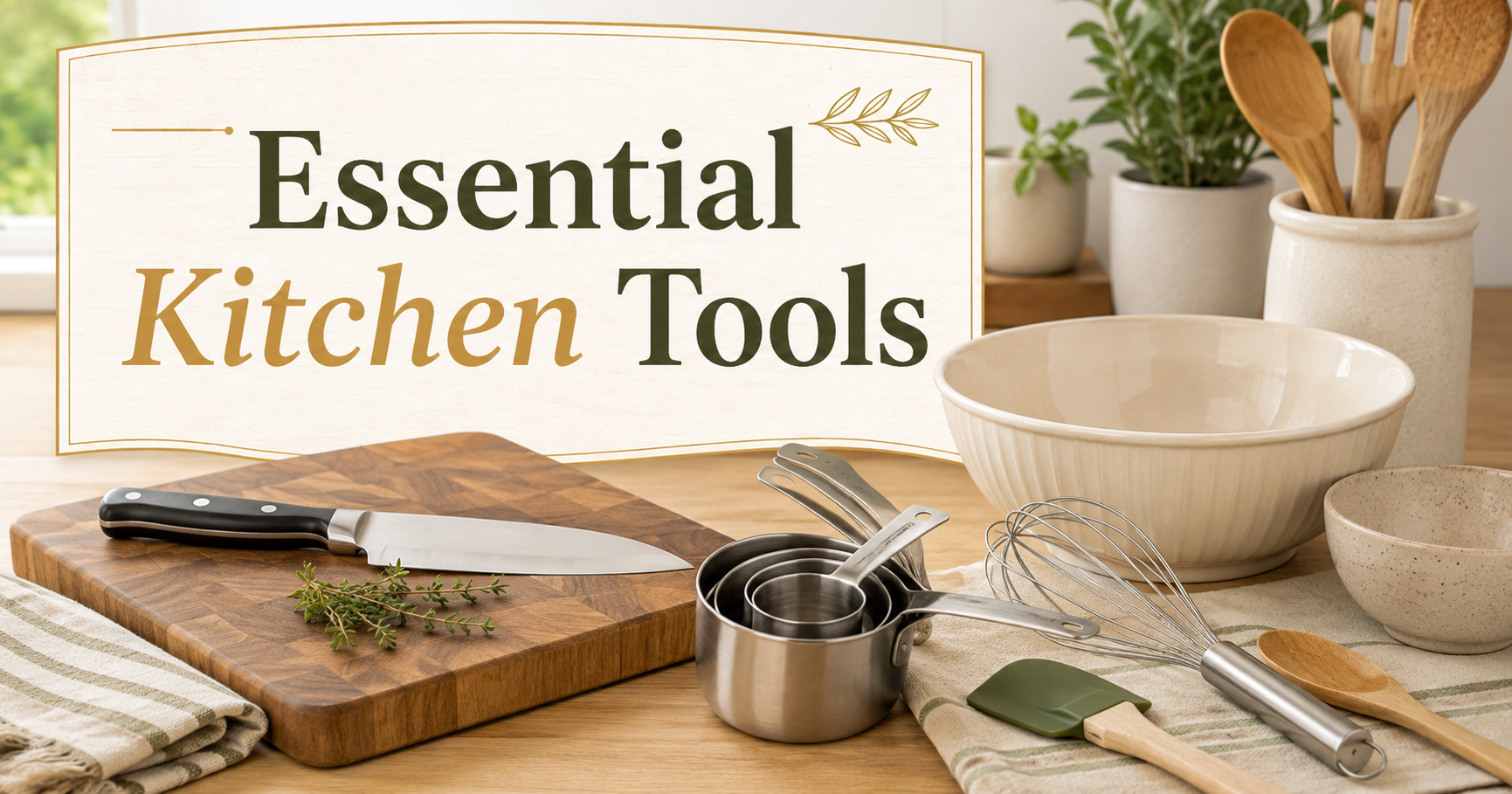
Essential Kitchen Tools for Beginner Cooks
Start with practical everyday tools instead of filling your kitchen with gadgets you may rarely use.

Best Affordable Meat Thermometers
Check chicken, burgers, roasts, and other foods without guessing whether the center is fully cooked.
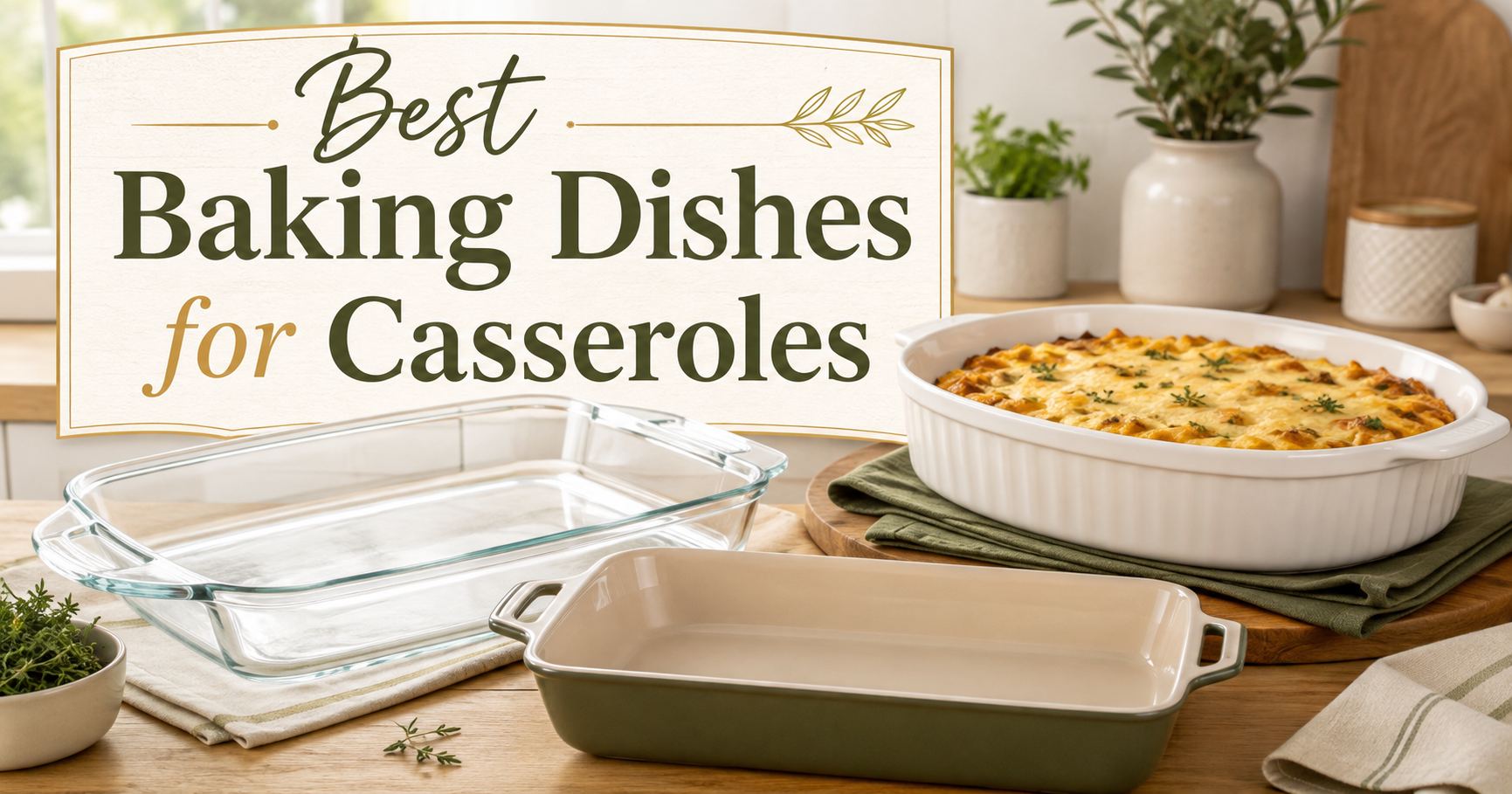
Best Baking Dishes for Casseroles
Compare dependable baking dishes for casseroles, rice bakes, biscuit bakes, desserts, and family meals.
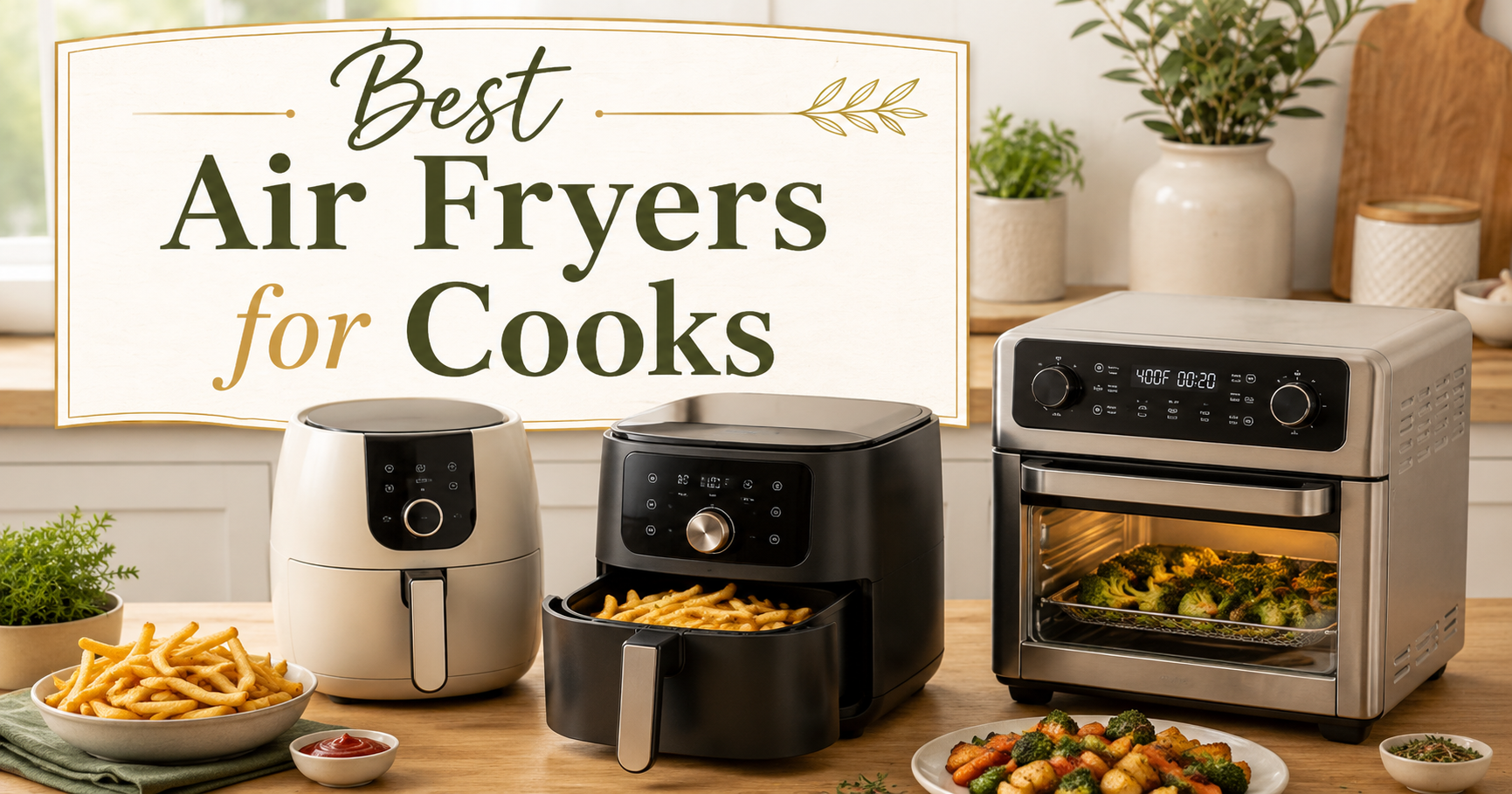
Best Air Fryers for Beginner Cooks
Find a beginner-friendly air fryer for crispy foods, quick dinners, reheating leftovers, and smaller meals.
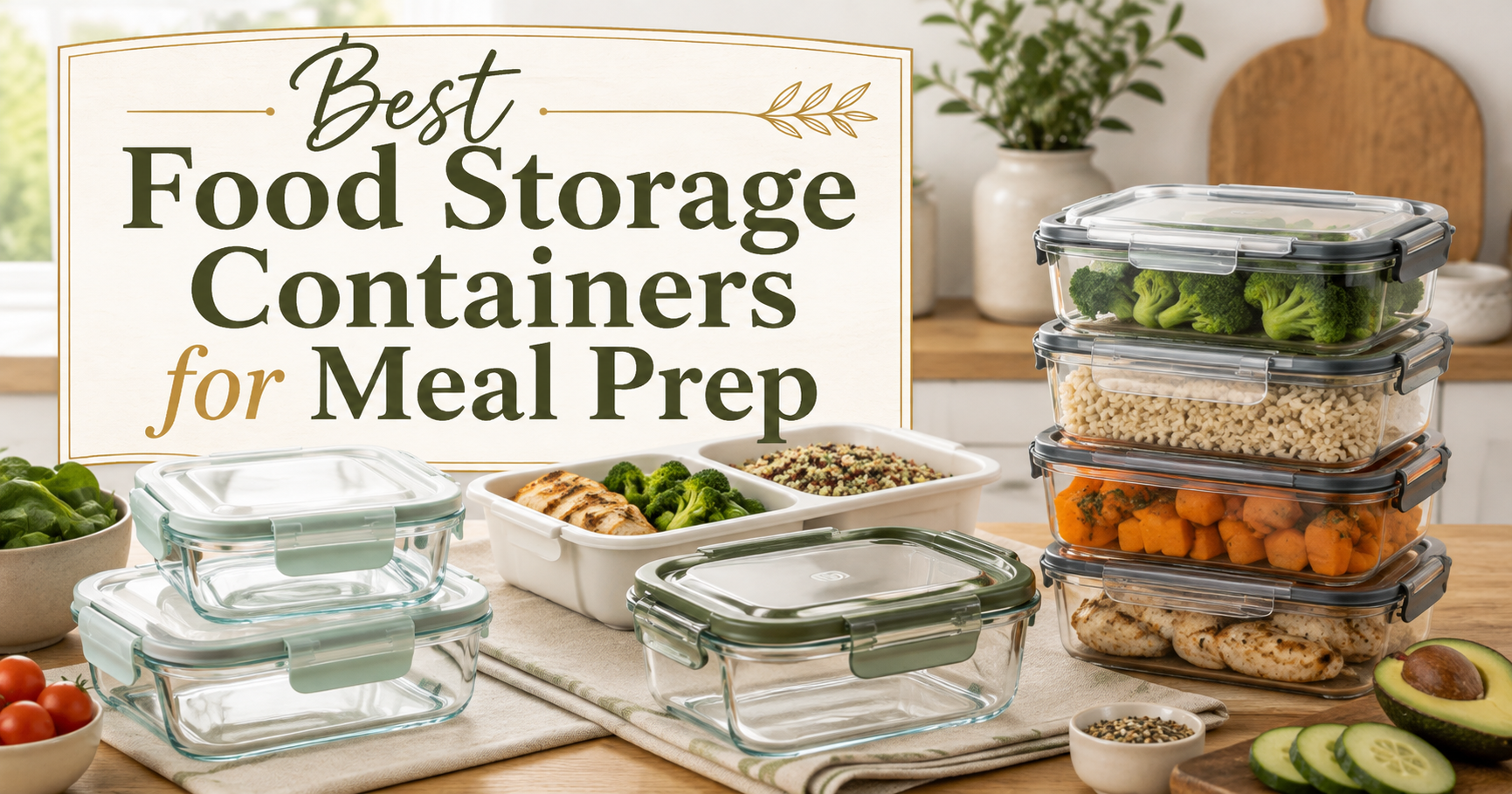
Best Food Storage Containers for Meal Prep
Store leftovers, lunches, freezer meals, and weekly meal-prep portions more neatly.

Featured Kitchen Pick
Explore another practical kitchen pick that can make everyday cooking and food preparation easier.
Storage and Reheating
An unfrosted chocolate cake can be kept tightly covered once completely cool. Keeping cut edges covered is especially important because exposed cake dries out more quickly.
If you use a frosting that requires refrigeration, follow the storage requirements for that frosting. For longer storage, individual cake slices can be wrapped securely and frozen so you can thaw only what you need.
Chocolate cake does not need to be reheated, but an unfrosted slice can be warmed briefly if you prefer a softer, warm dessert. If the cake is frosted, warming may melt the frosting.
Food Safety Note
Do not taste raw cake batter. Flour is a raw agricultural product, and uncooked flour and raw eggs may contain harmful bacteria. Wash hands, utensils, bowls, and work surfaces after handling raw flour, eggs, or batter.
One-Bowl Chocolate Cake FAQ
Can I make chocolate cake without coffee?
Yes. Replace the hot coffee with the same amount of hot water. The cake will still have plenty of chocolate flavor.
Does coffee make chocolate cake taste like coffee?
Not usually at this concentration. Its purpose is to complement the cocoa and make the chocolate flavor seem deeper. If you are sensitive to coffee flavor, hot water is an easy substitute.
Why is my chocolate cake batter so thin?
This style of cocoa cake uses a relatively large amount of liquid. A thin batter is expected and helps create the moist finished texture. Resist the temptation to add extra flour.
Can I make this cake ahead of time?
Yes. Bake the cake, cool it completely, and cover it well. You can frost it closer to serving time if you prefer a freshly finished appearance.
Can I turn this into a layer cake?
The batter can be divided between appropriately sized round cake pans, but baking time will change. Begin checking earlier than you would for a deeper rectangular cake and make sure the centers are fully set before removing them from the oven.
Why did my chocolate cake turn out dry?
Too much flour and overbaking are two common causes. Measuring flour by weight and checking the cake before the maximum baking time can help prevent both problems.
Can I freeze chocolate cake?
Yes. Allow the cake to cool completely, then wrap individual slices or larger unfrosted sections securely before freezing. Thaw while still wrapped to help prevent the exposed cake from drying out.
What frosting goes best with chocolate cake?
Chocolate buttercream is a classic choice, but vanilla buttercream, cream cheese frosting, whipped chocolate frosting, or a simple powdered-sugar finish can all work well.
Final Notes
A good chocolate cake does not have to require multiple bowls, a stand mixer, or a complicated mixing method. This recipe keeps the process simple while still delivering a soft crumb and plenty of cocoa flavor.
The main things to remember are to measure the flour carefully, leave the batter thin, avoid overbaking, and cool the cake completely before frosting. Those small details make this easy one-bowl method much more reliable.
Trusted Resources
- U.S. Food and Drug Administration: Handling Flour Safely – What You Need to Know
- U.S. Food and Drug Administration: Food Safety in the Kitchen – Tips for Writing Food Safe Recipes
- FoodSafety.gov: FoodKeeper App
Helpful Recipe Resources
Trusted Food, Cooking, and Recipe References
Mistakenly Delicious uses AI-assisted workflows, but useful recipes still need common sense, food safety checks, and reliable cooking references. These resources can help with ingredients, nutrition, safe temperatures, and the AI workflow behind this site.
Ingredient Data
USDA FoodData Central
A useful reference for checking ingredient and nutrition data when reviewing recipes.
Visit Resource →Cooking Help
Nutrition.gov Cooking Tips
Beginner-friendly guidance for meal prep, cooking basics, shopping, and planning.
Visit Resource →Food Safety
Safe Cooking Temperatures
A helpful food safety chart for checking safe internal temperatures for chicken, meat, seafood, and leftovers.
Visit Resource →Creator Workflow
TechnofluxAI
The AI workflow and creator systems site behind Mistakenly Delicious.
Visit TechnofluxAI →