Beginner-Friendly Recipe
Stuffed Cabbage Rolls with Beef and Rice
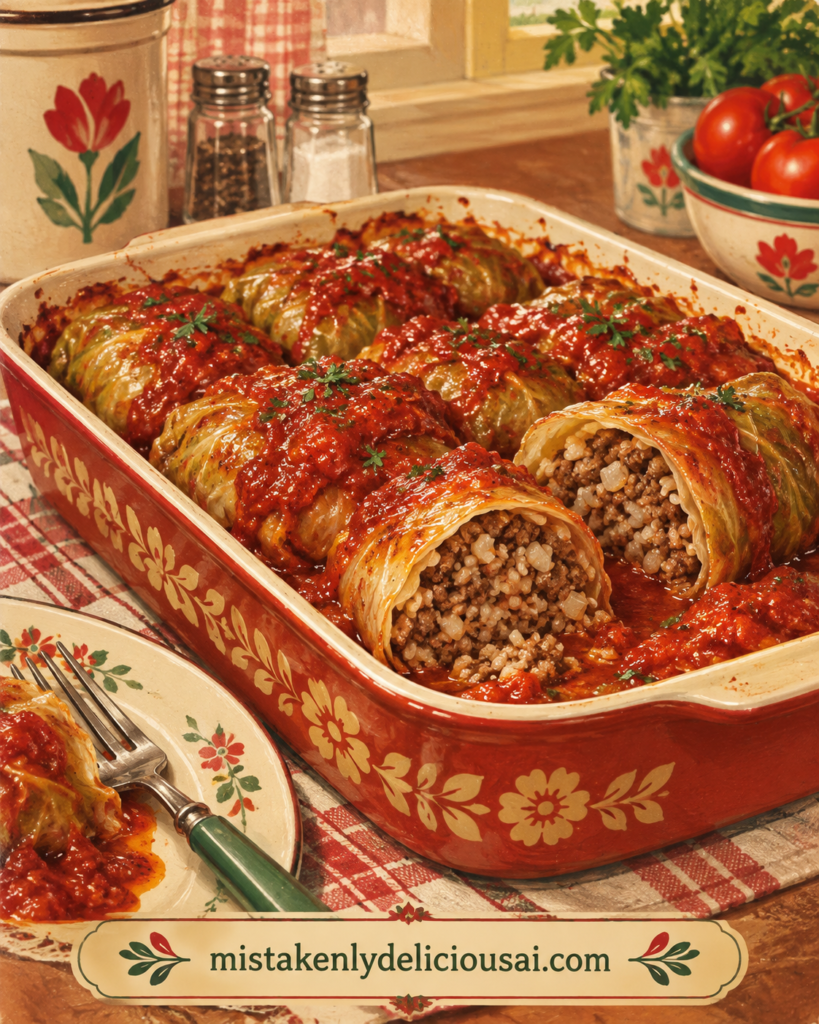
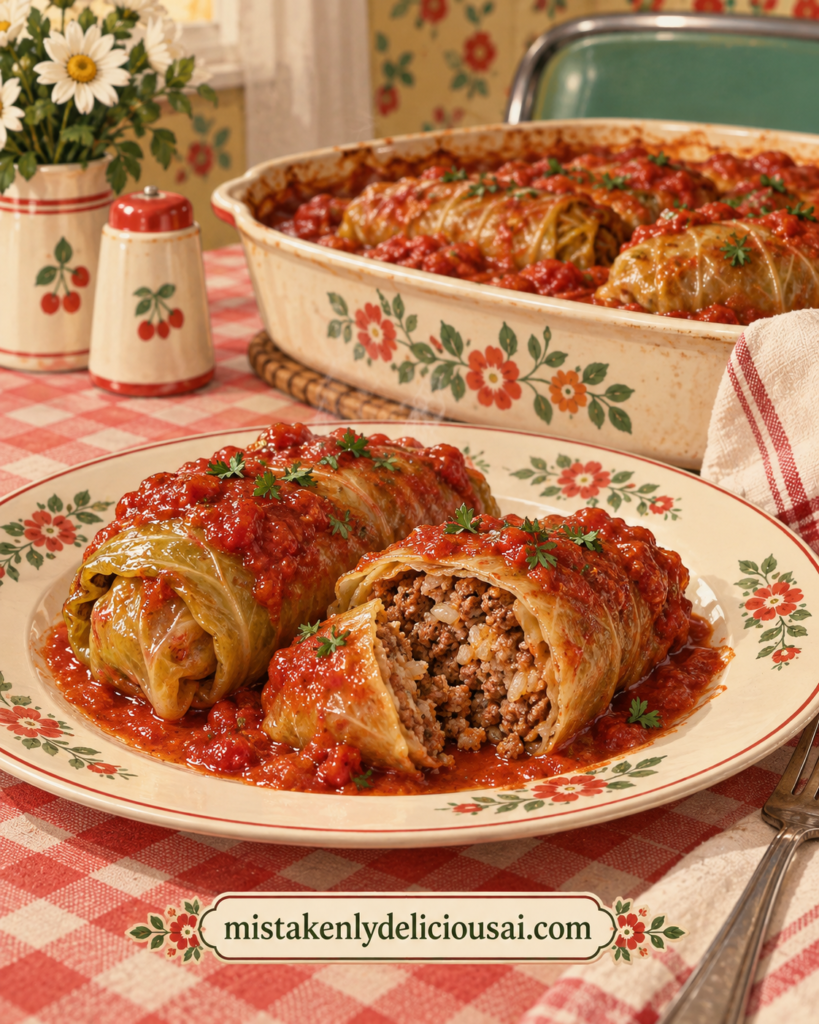
Stuffed cabbage rolls are the kind of dinner that makes the whole kitchen smell inviting long before the pan comes out of the oven. Tender cabbage leaves are wrapped around a savory mixture of ground beef, rice, onion, and seasonings, then slowly baked in a rich tomato sauce.
Quick Answer
To make stuffed cabbage rolls, soften whole cabbage leaves, fill them with a seasoned mixture of ground beef and cooked rice, roll them tightly, cover them with tomato sauce, and bake until the cabbage is tender and the meat filling is completely cooked. Plan on about 30 minutes of preparation and roughly 75 to 90 minutes of baking time.
Ingredients Overview
This recipe starts with a large green cabbage. Look for a firm head with leaves that are large enough to wrap around the filling without tearing.
The filling combines ground beef with cooked white rice, finely chopped onion, garlic, an egg, and simple seasonings. Using cooked rice keeps the texture predictable and helps prevent the filling from becoming too dense.
For the sauce, tomato sauce and diced or crushed tomatoes create a rich base while a little broth keeps everything moist during the long bake. Worcestershire sauce, paprika, and a small amount of brown sugar can round out the tomato flavor without making the finished dish noticeably sweet.
Shopping list: Add green cabbage, ground beef, rice, onion, garlic, egg, tomato sauce, tomatoes, beef broth, Worcestershire sauce, paprika, brown sugar, salt, pepper, and parsley to your grocery list.
Why This Recipe Works
The rolls bake covered for most of the cooking time, trapping steam inside the baking dish. That gentle, moist heat finishes tenderizing the cabbage while keeping the beef-and-rice filling juicy.
Cooked rice absorbs some of the juices released by the meat and tomato sauce without pulling too much moisture from the filling. The tomato sauce surrounding the rolls also protects them from drying out during their relatively long time in the oven.
Placing the cabbage rolls seam-side down is another small step that makes a big difference. The weight of each roll helps hold the folded leaf closed without toothpicks or kitchen string.
Tips for the Best Stuffed Cabbage Rolls
Choose a Large Head of Cabbage
A large green cabbage gives you wider outer leaves that are much easier to fill and roll. Keep a few extra leaves available because an occasional tear is normal.
Trim Thick Cabbage Ribs
After blanching, use a small knife to carefully shave down the thickest part of the center rib. Do not cut all the way through the leaf. Reducing the thickness makes the leaf easier to fold.
Do Not Overfill the Rolls
About 1/3 cup of filling works well for an average large cabbage leaf. Leave enough room to fold the sides inward before rolling the leaf over the filling.
Keep the Meat Mixture Loose
Mix the beef filling only until the ingredients are evenly combined. Aggressive mixing can make the cooked filling firmer than necessary.
Keep Them Covered While Baking
Covering the baking dish with foil for most of the cooking time helps create the steamy environment needed to turn sturdy cabbage leaves tender.
Meal Ideas and Easy Swaps
Stuffed cabbage rolls are hearty enough to serve as the main course. Mashed potatoes are an especially good side because they soak up the extra tomato sauce. You could also serve them with roasted potatoes, buttered noodles, crusty bread, or a simple cucumber salad.
For a different filling, use a combination of ground beef and ground pork. Ground turkey can also work, although poultry must be cooked to a higher safe internal temperature.
Brown rice can replace white rice if it has already been cooked. You can also add a pinch of red pepper flakes for gentle heat or use smoked paprika for a slightly deeper flavor.
How This Recipe Comes Together
Start by preparing the cabbage. Carefully remove softened outer leaves after blanching the head in simmering water. Once cool enough to handle, trim down any unusually thick ribs.
Next, combine the ground beef, cooked rice, onion, garlic, egg, Worcestershire sauce, paprika, salt, pepper, and parsley. Avoid packing or kneading the mixture.
Spoon the filling near the bottom of each cabbage leaf. Fold both sides toward the center, then roll the leaf forward around the filling as you would a burrito.
Spread a layer of tomato sauce in the bottom of the baking dish and arrange the rolls seam-side down. Spoon the remaining sauce over the top so the cabbage stays moist while it cooks.
Cover the pan tightly and bake until the cabbage is very tender and the center of the meat filling has reached a safe temperature. Uncover near the end if you would like the sauce to reduce slightly.
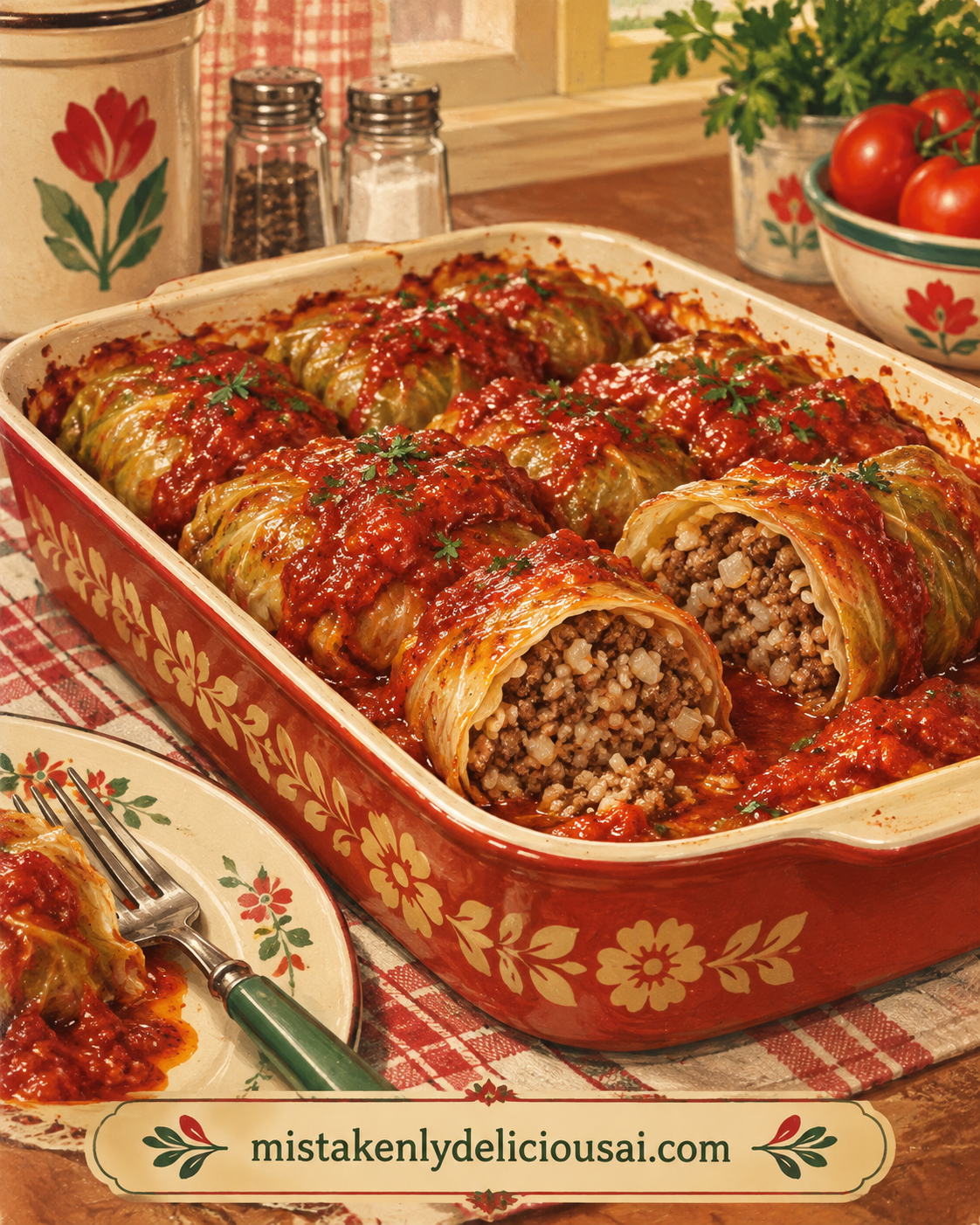
Stuffed Cabbage Rolls
Method
- Preheat the oven to 350°F. Lightly grease a 9-by-13-inch baking dish.
- Bring a large pot of water to a gentle boil. Carefully lower the cabbage into the water. As the outer leaves soften, remove them one at a time with tongs. Continue until you have about 12 to 14 usable leaves.
- Let the cabbage leaves cool until comfortable to handle. Carefully trim down the thick portion of the center rib without cutting completely through each leaf.
- In a large bowl, combine the ground beef, cooked rice, onion, garlic, egg, Worcestershire sauce, paprika, salt, pepper, and parsley. Mix gently just until combined.
- In a separate bowl, combine the tomato sauce, diced or crushed tomatoes, beef broth, Worcestershire sauce, brown sugar if using, paprika, garlic powder, salt, and pepper.
- Spread about 1 cup of tomato sauce mixture across the bottom of the prepared baking dish.
- Place one cabbage leaf on a work surface. Spoon approximately 1/3 cup beef mixture near the stem end. Fold the sides inward over the filling and roll the leaf tightly toward the top.
- Place the cabbage roll seam-side down in the baking dish. Repeat with the remaining leaves and filling.
- Pour the remaining tomato sauce over the cabbage rolls, making sure they are well coated.
- Cover the baking dish tightly with foil. Bake for 70 minutes.
- Remove the foil and continue baking for approximately 15 to 20 minutes, or until the cabbage is very tender and the centers of the rolls reach at least 160°F on a food thermometer.
- Let the rolls rest for about 10 minutes before serving. Spoon additional tomato sauce from the baking dish over each serving.
Notes
Extra cabbage leaves can be layered over the bottom of the baking dish before adding the rolls.
A mixture of ground beef and pork can replace all-beef filling.
Ground turkey or chicken can be substituted, but poultry filling should reach 165°F.
Refrigerate cooked leftovers within 2 hours.
Store refrigerated leftovers for up to 3 to 4 days.
Freeze cooked rolls with sauce for convenient individual meals.
Tried this recipe?
Let us know how it was!Nutrition Information Disclaimer
Nutrition information is provided as an estimate only and may vary based on the ingredients, brands, portion sizes, substitutions, and preparation methods used. Optional toppings and serving suggestions may not be included in the calculation. For the most accurate information, calculate nutrition using the specific ingredients and amounts you use.
Allergy notice: Always check ingredient labels and avoid substitutions that may introduce allergens. This recipe has not been verified as allergen-free.
Mistakenly Delicious Kitchen Picks
Helpful Kitchen Tools for Easier Cooking
These beginner-friendly guides and kitchen picks can make cooking, baking, food-safety checks, and meal prep easier.
Affiliate disclosure: This section contains Amazon affiliate links. As an Amazon Associate, I earn from qualifying purchases at no additional cost to you.
Essential Kitchen Tools for Beginner Cooks
Start with practical everyday tools instead of filling your kitchen with gadgets you may rarely use.

Best Affordable Meat Thermometers
Check chicken, burgers, roasts, and other foods without guessing whether the center is fully cooked.
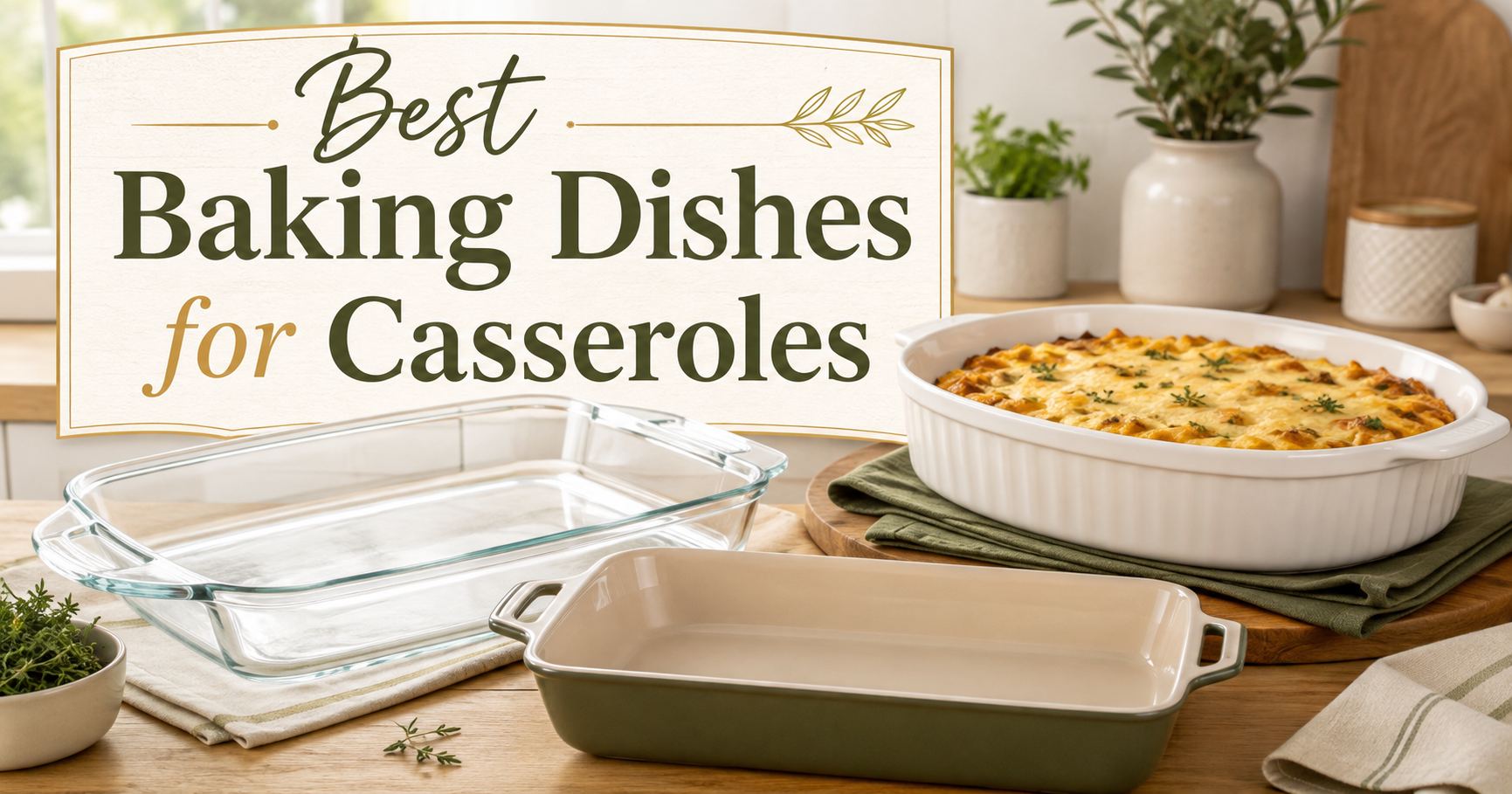
Best Baking Dishes for Casseroles
Compare dependable baking dishes for casseroles, rice bakes, biscuit bakes, desserts, and family meals.
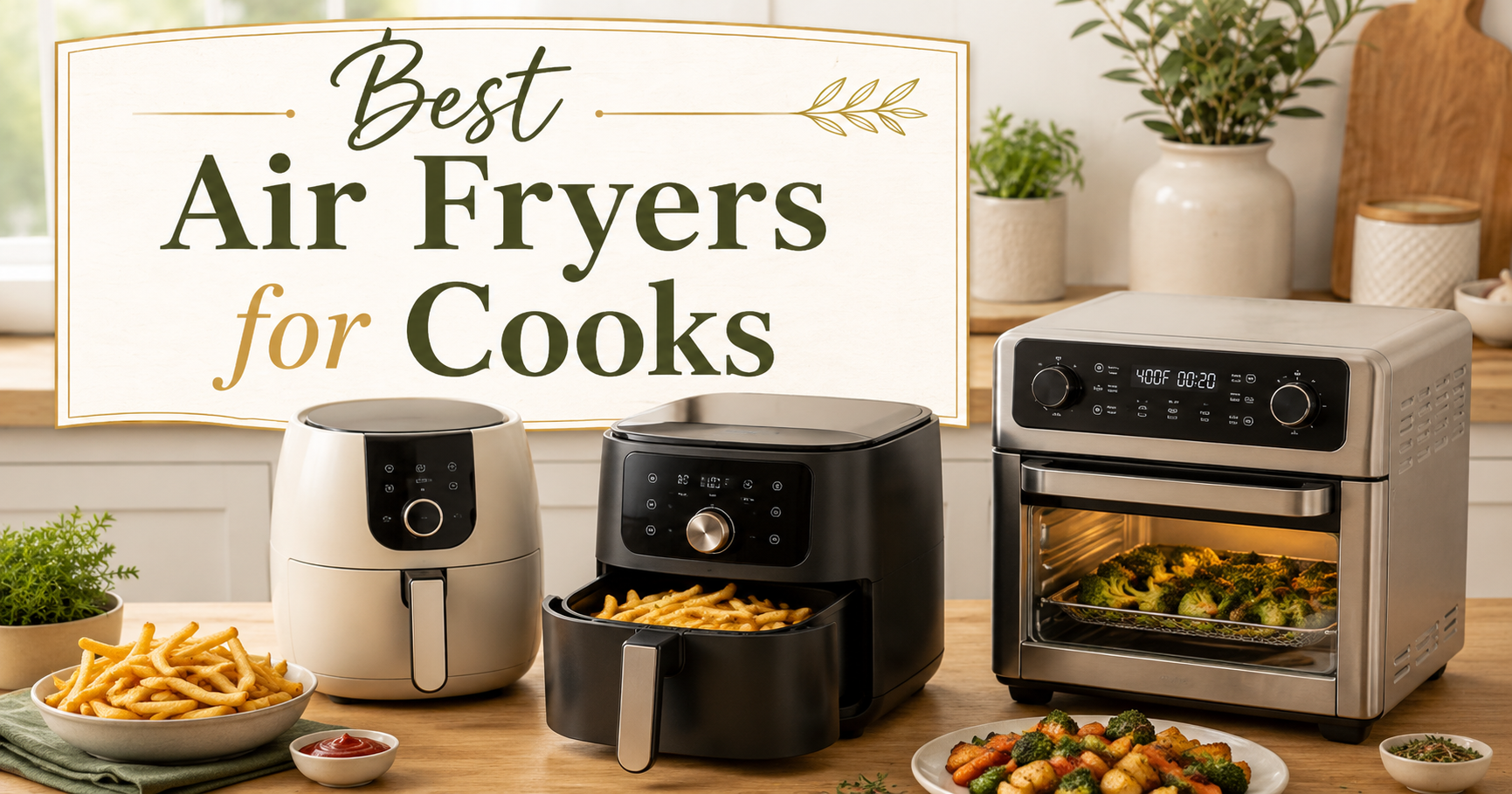
Best Air Fryers for Beginner Cooks
Find a beginner-friendly air fryer for crispy foods, quick dinners, reheating leftovers, and smaller meals.
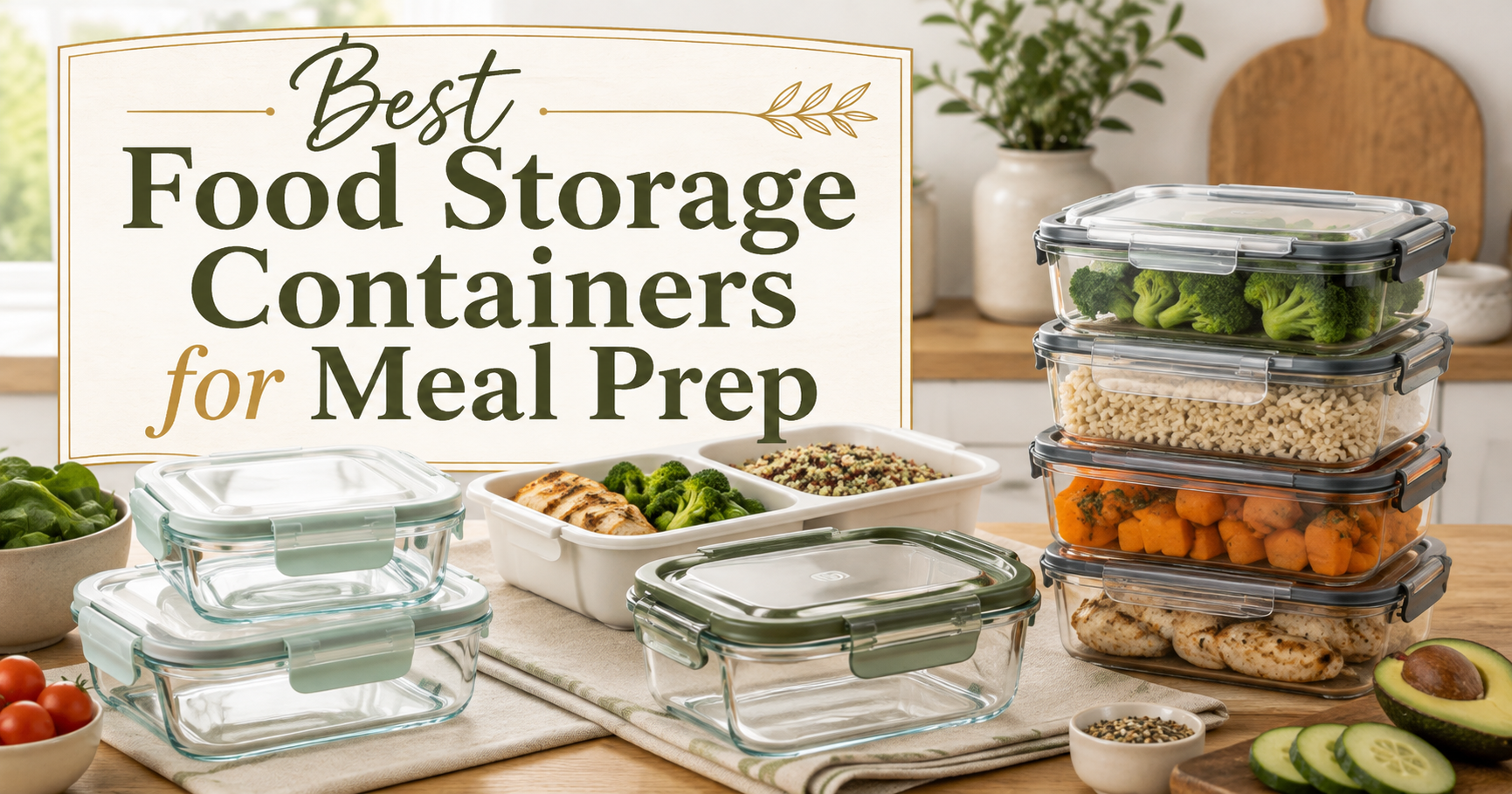
Best Food Storage Containers for Meal Prep
Store leftovers, lunches, freezer meals, and weekly meal-prep portions more neatly.

Featured Kitchen Pick
Explore another practical kitchen pick that can make everyday cooking and food preparation easier.
Storage and Reheating
Let leftover cabbage rolls cool slightly, then transfer them with some of their sauce to a covered container and refrigerate promptly. Properly refrigerated cooked leftovers are best used within 3 to 4 days.
Reheat individual portions in the microwave until hot throughout, or place the rolls with their sauce in a covered baking dish and warm them in a 350°F oven. Adding a spoonful of tomato sauce or broth can help keep leftovers moist.
Stuffed cabbage rolls also freeze well. Place cooled rolls and sauce in a freezer-safe container, leaving a little room for expansion. Thaw frozen cabbage rolls in the refrigerator before reheating for the most even results.
Common Mistakes to Avoid
Trying to Roll Raw Cabbage Leaves
Uncooked cabbage is stiff and likely to split. Blanch the leaves until flexible before filling them.
Leaving the Center Rib Too Thick
A heavy rib makes the cabbage difficult to roll and may remain tough even after the surrounding leaf becomes tender. Carefully thin the thick portion with a knife.
Packing in Too Much Filling
The rolls should close comfortably. Overfilled cabbage leaves can split or unravel as the meat cooks.
Baking Without Enough Sauce
The tomato sauce does more than add flavor. It supplies moisture that helps tenderize the cabbage and prevents the filling from drying out.
Judging Ground Beef by Color
The appearance of cooked ground beef is not a reliable indicator of food safety. Check the center of the filling with a food thermometer instead.
Stuffed Cabbage Rolls FAQ
Do you cook the meat before making cabbage rolls?
No. In this recipe, the beef goes into the cabbage rolls raw and cooks while the rolls bake. The rice, however, is cooked before it is added to the filling.
Why are my cabbage rolls tough?
The leaves may not have been softened enough before rolling, the center ribs may have been too thick, or the rolls may need additional covered baking time. Keep them surrounded by sauce and bake until the cabbage is fork-tender.
Can I make stuffed cabbage rolls ahead of time?
Yes. Assemble the rolls in the baking dish, cover them, and refrigerate until you are ready to bake. For food safety, keep the uncooked meat mixture refrigerated and avoid leaving the assembled dish at room temperature.
Can you freeze cabbage rolls?
Yes. Cooked cabbage rolls freeze especially well because the sauce helps protect them from drying out. Freeze them with enough sauce to keep the cabbage covered.
What type of cabbage is best for cabbage rolls?
Green cabbage is an excellent all-purpose choice because the leaves become tender while remaining sturdy enough to hold the filling. Choose a large head for the easiest rolling.
What goes well with stuffed cabbage rolls?
Mashed potatoes, roasted potatoes, bread, noodles, cucumber salad, green beans, or a simple leafy salad all pair well with cabbage rolls.
Final Notes
Stuffed cabbage rolls take a little more hands-on preparation than a casserole, but most of the cooking happens unattended in the oven. Once you get the rhythm of filling and rolling the cabbage leaves, the process moves quickly.
The combination of tender cabbage, savory beef and rice, and plenty of tomato sauce also makes this an excellent recipe for leftovers. Make a full pan even if you are feeding a smaller household; the extra rolls are worth having for another meal.
Trusted Resources
For current food-safety guidance on cooking ground meat and storing leftovers, consult the USDA Food Safety and Inspection Service. USDA guidance recommends cooking ground beef to a minimum internal temperature of 160°F and refrigerating cooked leftovers promptly for use within 3 to 4 days.
Helpful Recipe Resources
Trusted Food, Cooking, and Recipe References
Mistakenly Delicious uses AI-assisted workflows, but useful recipes still need common sense, food safety checks, and reliable cooking references. These resources can help with ingredients, nutrition, safe temperatures, and the AI workflow behind this site.
Ingredient Data
USDA FoodData Central
A useful reference for checking ingredient and nutrition data when reviewing recipes.
Visit Resource →Cooking Help
Nutrition.gov Cooking Tips
Beginner-friendly guidance for meal prep, cooking basics, shopping, and planning.
Visit Resource →Food Safety
Safe Cooking Temperatures
A helpful food safety chart for checking safe internal temperatures for chicken, meat, seafood, and leftovers.
Visit Resource →Creator Workflow
TechnofluxAI
The AI workflow and creator systems site behind Mistakenly Delicious.
Visit TechnofluxAI →