Beginner-Friendly Recipe
Traditional Greek Salad
A practical, beginner-friendly traditional greek salad recipe with clear steps, useful substitutions, and dependable storage tips.

Traditional Greek Salad, known in Greece as horiatiki or village salad, is a celebration of ripe summer vegetables rather than a lettuce-based salad. Juicy tomatoes, crisp cucumber, green bell pepper, red onion, briny olives, and a generous slab of feta are finished simply with extra-virgin olive oil and dried oregano.
There is no complicated dressing and no need for a long list of ingredients. The flavor comes from using good produce, flavorful olive oil, and feta cheese, then allowing the tomato juices to mingle with everything in the serving bowl.
Mistakenly Smart Note
Skip the lettuce. Traditional horiatiki is built around tomatoes and cucumber, with green pepper, onion, olives, and a slab of feta on top. The juices from the tomatoes combine with the olive oil at the bottom of the bowl to create the salad’s natural dressing.
Quick Answer
Traditional Greek Salad is made with ripe tomatoes, cucumber, green bell pepper, red onion, Kalamata olives, feta cheese, dried oregano, extra-virgin olive oil, and a small amount of seasoning. The vegetables are kept in generous pieces, the feta is traditionally placed on top in a slab rather than crumbled throughout, and the salad is served without lettuce.
Ingredients Overview
Ripe tomatoes are the foundation of this salad, so choose tomatoes that are fragrant, juicy, and flavorful. Cucumber adds crunch, while thinly sliced green bell pepper and red onion provide freshness and a sharper bite.
Kalamata olives contribute a salty, briny flavor. A block of feta is preferable to pre-crumbled cheese because it stays creamier and can be placed over the vegetables in the classic style.
Extra-virgin olive oil is especially important because there is no heavy vinaigrette hiding its flavor. Dried oregano adds the familiar herbal finish, while a small splash of red wine vinegar can provide additional acidity.
Printable shopping list: Jump to the printable recipe card for the complete ingredient list.
Why This Recipe Works
- Ripe tomatoes create their own dressing. Their juices mingle with olive oil and seasoning in the bottom of the bowl.
- There is no lettuce to dilute the vegetables. Tomatoes and cucumber remain the focus of traditional horiatiki.
- Large vegetable pieces provide better texture. Rustic wedges and thick slices keep the salad substantial rather than finely chopped.
- A slab of feta stays creamy. Placing the cheese over the top gives the salad its characteristic presentation and lets everyone take as much feta as they like.
- The dressing stays simple. Good extra-virgin olive oil, oregano, and the natural tomato juices provide most of the flavor.

Tips for the Best Traditional Greek Salad
Use the Best Tomatoes You Can Find
This salad depends heavily on tomato flavor. Choose ripe tomatoes that smell fragrant and give slightly when gently pressed. In-season tomatoes at room temperature are especially good.
Keep the Vegetables Rustic
A traditional Greek salad should not resemble finely chopped salsa. Cut the tomatoes into generous wedges or chunks and the cucumber into substantial slices so the vegetables retain their individual textures.
Do Not Add Lettuce
Lettuce is common in many Greek-style salads served outside Greece, but it is not part of classic horiatiki. Keeping the salad lettuce-free allows the tomatoes, cucumber, peppers, olives, and feta to remain the focus.
Use Block Feta
Choose feta sold as a block, preferably packed in brine, rather than dry pre-crumbled feta. Place the feta over the vegetables as a slab and sprinkle the oregano over the top.
Be Careful With Salt
Both feta and olives already contribute plenty of saltiness. Season the vegetables lightly at first, then taste before adding more.
Do Not Overdress It
Traditional Greek Salad does not need a thick bottled dressing. Extra-virgin olive oil and the juices released by ripe tomatoes create most of the dressing naturally.
Meal Ideas and Traditional-Style Swaps
Serve Greek Salad as part of a Mediterranean-inspired meal with grilled chicken, Chicken Souvlaki, roasted fish, grilled lamb, warm pita, or crusty bread. Bread is especially useful for soaking up the tomato juices and olive oil left in the bottom of the serving bowl.
If Kalamata olives are unavailable, another flavorful Greek olive can be used. Capers or caper leaves are also found in some regional versions of horiatiki, particularly on Greek islands.
Red wine vinegar can be used for a little additional acidity, but keep it restrained. Fresh lemon and elaborate vinaigrettes are unnecessary when the tomatoes and olive oil are flavorful.
How This Recipe Comes Together
Begin by cutting the tomatoes and cucumber into substantial pieces. Add thin slices of red onion and green bell pepper, followed by the olives.
The vegetables are seasoned lightly and dressed with extra-virgin olive oil and, if desired, a small splash of red wine vinegar. Toss gently so the vegetables stay intact.
The feta is placed over the top rather than mixed aggressively into the salad. Finish it with dried oregano and another drizzle of olive oil. A brief rest of just a few minutes allows the tomato juices and olive oil to collect in the bottom of the bowl before serving.

Traditional Greek Salad (Horiatiki)
Method
- Place the tomato wedges in a large shallow serving bowl or platter.
- Add the cucumber, green bell pepper, red onion, and Kalamata olives.
- Sprinkle the vegetables lightly with sea salt. Add the red wine vinegar, if using, and about half of the olive oil.
- Toss the vegetables gently, taking care not to crush the tomatoes.
- Place the block of feta over the top of the salad as one large slab or two thick pieces.
- Sprinkle the feta and vegetables generously with dried oregano.
- Drizzle the remaining extra-virgin olive oil over the feta and vegetables.
- Let the salad stand for about 5 minutes so some of the tomato juices can mingle with the olive oil.
- Serve immediately, preferably with crusty bread for soaking up the juices at the bottom of the bowl.
Notes
Use ripe, flavorful tomatoes because they provide much of the salad’s natural dressing.
Block feta packed in brine generally has a creamier texture than pre-crumbled feta.
Red wine vinegar is optional and should not overpower the tomatoes and olive oil.
Because feta and olives are salty, season the vegetables conservatively.
For the best texture, assemble the salad shortly before serving.
Tried this recipe?
Let us know how it was!Nutrition Information Disclaimer
Nutrition information is provided as an estimate only and may vary based on the ingredients, brands, portion sizes, substitutions, and preparation methods used. Optional toppings and serving suggestions may not be included in the calculation. For the most accurate information, calculate nutrition using the specific ingredients and amounts you use.
Allergy notice: Always check ingredient labels and avoid substitutions that may introduce allergens. This recipe has not been verified as allergen-free.
Mistakenly Delicious Kitchen Picks
Helpful Kitchen Tools for Easier Cooking
These beginner-friendly guides and kitchen picks can make cooking, baking, food-safety checks, and meal prep easier.
Affiliate disclosure: This section contains Amazon affiliate links. As an Amazon Associate, I earn from qualifying purchases at no additional cost to you.
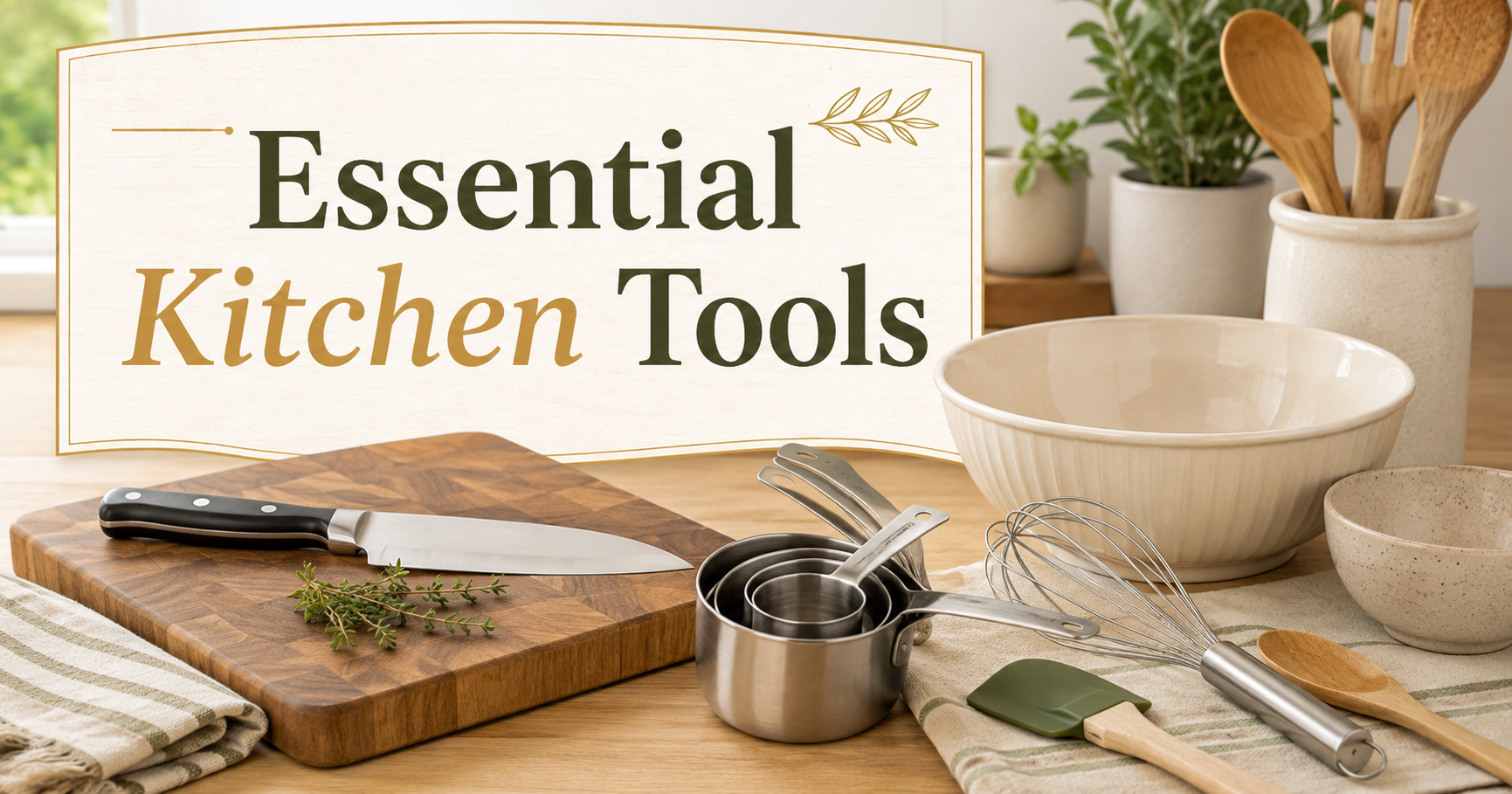
Essential Kitchen Tools for Beginner Cooks
Start with practical everyday tools instead of filling your kitchen with gadgets you may rarely use.

Best Affordable Meat Thermometers
Check chicken, burgers, roasts, and other foods without guessing whether the center is fully cooked.

Best Baking Dishes for Casseroles
Compare dependable baking dishes for casseroles, rice bakes, biscuit bakes, desserts, and family meals.

Best Air Fryers for Beginner Cooks
Find a beginner-friendly air fryer for crispy foods, quick dinners, reheating leftovers, and smaller meals.

Best Food Storage Containers for Meal Prep
Store leftovers, lunches, freezer meals, and weekly meal-prep portions more neatly.

Featured Kitchen Pick
Explore another practical kitchen pick that can make everyday cooking and food preparation easier.
Storage
Traditional Greek Salad is at its best shortly after it is assembled. As it sits, salt draws additional moisture from the tomatoes and cucumber, making the vegetables softer and leaving more liquid in the bowl.
Transfer leftovers to a covered container and refrigerate promptly. For the best texture and flavor, plan to eat leftover Greek Salad within 1 to 2 days.
Freezing is not recommended. Tomatoes and cucumbers lose their crisp texture after freezing and thawing.
Food Safety Note
Wash fresh vegetables thoroughly under clean running water before cutting them. Do not wash produce with soap or household detergent.
Once the tomatoes and other vegetables are cut and combined with feta, keep the salad refrigerated when it is not being served. Perishable foods should generally be refrigerated within 2 hours, or within 1 hour when the temperature is above 90 degrees F.
Common Mistakes to Avoid
Adding Lettuce
A lettuce-based Greek-style salad can certainly be delicious, but it is a different preparation. Traditional horiatiki is centered on tomatoes, cucumber, pepper, onion, olives, and feta.
Using Flavorless Tomatoes
The simplicity of the recipe means there is nowhere for bland tomatoes to hide. Use the ripest, most flavorful tomatoes available.
Cutting Everything Too Small
Horiatiki should feel rustic and substantial. Larger vegetable pieces retain their texture and release their juices more gradually.
Using Pre-Crumbled Feta
Pre-crumbled feta can be comparatively dry. A block of feta gives you a creamy slab that can be placed directly over the salad in the traditional style.
Using Too Much Dressing
There is no need to drown the vegetables in a complicated vinaigrette. Olive oil, tomato juice, oregano, and a restrained amount of vinegar are enough.
Making It Too Far Ahead
Once seasoned, tomatoes and cucumber begin releasing moisture. Assemble the salad close to serving time for the freshest texture.
Frequently Asked Questions
What Is Traditional Greek Salad Called in Greece?
Traditional Greek Salad is commonly called horiatiki salata, often shortened to horiatiki. The name is commonly translated as village salad.
Does Traditional Greek Salad Have Lettuce?
No. Traditional horiatiki does not contain lettuce. Lettuce-based versions are common outside Greece, but classic horiatiki uses tomatoes and cucumber as its base.
Is Feta Crumbled in Traditional Greek Salad?
Feta is commonly served as a substantial slab placed over the vegetables rather than finely crumbled throughout the salad. Diners can break off pieces as they eat.
What Kind of Olives Should I Use?
Kalamata olives are an excellent choice and are widely associated with Greek salads. Other flavorful Greek olives can also be used.
Does Greek Salad Need a Dressing?
It does not need a separate bottled vinaigrette. Extra-virgin olive oil combines with the juices from the tomatoes, oregano, seasoning, and optional vinegar to form a simple natural dressing.
Can I Make Traditional Greek Salad Ahead of Time?
You can prepare some of the vegetables shortly beforehand, but the salad is best assembled and seasoned close to serving time. Tomatoes and cucumbers release water after they are cut and salted.
Can I Add Lemon Juice?
You can customize the salad to your taste, but lemon juice is not necessary for classic horiatiki. Extra-virgin olive oil and, depending on the preparation, a small amount of wine vinegar provide the traditional-style finish.
Final Notes
The appeal of Traditional Greek Salad is its restraint. Ripe tomatoes, crisp cucumber, green pepper, onion, olives, feta, oregano, and excellent olive oil need very little interference to become a memorable dish.
Keep the vegetables generously cut, leave out the lettuce, use block feta, and serve the salad while everything is fresh. Do not forget the crusty bread for the flavorful mixture of tomato juice and olive oil waiting at the bottom of the bowl.
Trusted Resources
- USDA Food Safety and Inspection Service guidance for safe food handling and prompt refrigeration.
- USDA guidance for washing and safely handling fresh produce and cut tomatoes.
Helpful Recipe Resources
Trusted Food, Cooking, and Recipe References
Mistakenly Delicious uses AI-assisted workflows, but useful recipes still need common sense, food safety checks, and reliable cooking references. These resources can help with ingredients, nutrition, safe temperatures, and the AI workflow behind this site.
Ingredient Data
USDA FoodData Central
A useful reference for checking ingredient and nutrition data when reviewing recipes.
Visit Resource →Cooking Help
Nutrition.gov Cooking Tips
Beginner-friendly guidance for meal prep, cooking basics, shopping, and planning.
Visit Resource →Food Safety
Safe Cooking Temperatures
A helpful food safety chart for checking safe internal temperatures for chicken, meat, seafood, and leftovers.
Visit Resource →Creator Workflow
TechnofluxAI
The AI workflow and creator systems site behind Mistakenly Delicious.
Visit TechnofluxAI →