Beginner-Friendly Recipe
Easy Garlic Knots
A practical, beginner-friendly easy garlic knots recipe with clear steps, useful substitutions, and dependable storage tips.

Mistakenly Smart Note: You do not need homemade bread dough to make great garlic knots. Refrigerated pizza dough makes this recipe fast and easy while still giving the knots a soft, chewy center and golden exterior.
Easy Garlic Knots
These easy garlic knots are soft inside, lightly golden outside, and finished with plenty of buttery garlic flavor. Using ready-made pizza dough keeps the prep simple, making them an easy addition to pasta night, pizza night, soups, salads, or almost any Italian-inspired dinner.
The best part comes right after baking. While the knots are still warm, they are brushed with a mixture of melted butter, fresh garlic, parsley, and Parmesan. The warm bread absorbs some of the garlic butter while keeping its tender, slightly chewy texture.
Quick Answer
To make easy garlic knots, cut prepared pizza dough into strips, roll each strip into a short rope, tie it into a loose knot, and bake until puffed and golden. Brush the hot knots generously with garlic butter, Parmesan, and parsley before serving.
Ingredients Overview
Prepared pizza dough is the shortcut that makes this recipe especially easy. It already has the structure and yeast development needed for soft, chewy bread, so most of the work is simply shaping and baking.
Butter creates the rich coating, while freshly minced garlic gives the knots their signature savory flavor. Parmesan adds a salty, nutty finish, and parsley adds freshness and color.
A small amount of olive oil helps prevent sticking while shaping the dough. Marinara sauce is optional, but it makes an excellent warm dipping sauce for serving.
Jump to the printable recipe and shopping list.
Why This Recipe Works
Pizza dough keeps the recipe simple. Starting with prepared dough removes the mixing, kneading, and first rise required for traditional homemade bread dough.
The knots are small enough to bake quickly. Dividing the dough into individual pieces helps them cook evenly while giving every serving plenty of golden exterior.
Garlic butter goes on after baking. Brushing the knots while they are hot gives the butter a chance to soak into the surface without exposing fresh garlic to the full baking time.
Parmesan adds savory depth. A light coating complements the garlic and butter without weighing down the bread.
They are easy to customize. You can adjust the garlic, herbs, cheese, or spice level without changing the basic dough method.

Tips for the Best Garlic Knots
Let cold pizza dough relax
If refrigerated dough keeps springing back while you shape it, let it sit at room temperature briefly. Relaxed dough is much easier to stretch and tie without tearing.
Keep the knots loose
Do not pull the dough into an extremely tight knot. The dough needs a little room to expand as it bakes.
Make the pieces similar in size
Evenly sized dough pieces will bake at roughly the same rate. This helps prevent a mixture of underbaked and overly browned knots on the same pan.
Brush them while they are hot
Have the garlic butter ready when the baking sheet comes out of the oven. Warm knots absorb the buttery coating especially well.
Serve them fresh
Garlic knots have their best combination of crisp edges and soft centers shortly after baking, especially while the garlic butter is still warm.
Meal Ideas and Easy Swaps
Serve these garlic knots alongside spaghetti and meatballs, baked ziti, lasagna, chicken Parmesan, tomato soup, minestrone, or a big Italian-style salad. They also work perfectly as a pizza-night appetizer with warm marinara for dipping.
For cheesy garlic knots, add extra grated Parmesan or a small amount of finely shredded mozzarella immediately after brushing them with garlic butter.
For a spicy version, add a pinch of crushed red pepper flakes to the butter mixture. You can also replace parsley with Italian seasoning for an easy pantry-friendly variation.
If you prefer a milder garlic flavor, reduce the fresh garlic. For stronger garlic flavor, brush the knots generously immediately after baking and add a little extra Parmesan before serving.
How This Recipe Comes Together
Begin by bringing the pizza dough out of the refrigerator and preparing a lined baking sheet. Divide the dough into evenly sized pieces and roll each one into a short rope.
Tie each rope into a loose knot and arrange the knots with space between them. Give them a short rest while the oven finishes heating, then bake until they are puffed and lightly golden.
While the knots bake, prepare the garlic butter. Once the knots come out of the oven, immediately brush them with the warm mixture and finish with Parmesan and parsley.
Serve them warm on their own or with marinara sauce for dipping.

Easy Garlic Knots
Method
- Remove the pizza dough from the refrigerator and let it sit at room temperature for about 15 to 20 minutes if it is very cold and difficult to shape.
- Preheat the oven to 400°F. Line a large baking sheet with parchment paper.
- Lightly coat your hands and work surface with the olive oil. Divide the pizza dough into 12 approximately equal pieces.
- Roll each piece into a rope about 7 to 8 inches long. Tie the rope into a loose knot. Tuck the ends underneath or leave them slightly exposed.
- Arrange the knots on the prepared baking sheet, leaving space between them. Let them rest for about 10 minutes.
- Bake for 12 to 15 minutes, or until the knots are puffed and lightly golden brown. Baking time may vary depending on the dough and size of the knots.
- While the knots bake, melt the butter in a small saucepan over low heat. Add the minced garlic and cook gently for about 30 to 60 seconds, just until fragrant. Do not allow the garlic to brown.
- Remove the butter from the heat. Stir in the Parmesan, parsley, salt, and the Italian seasoning or crushed red pepper flakes, if using.
- As soon as the garlic knots come out of the oven, brush them generously with the warm garlic butter mixture.
- Sprinkle with additional Parmesan and parsley if desired. Serve warm, with marinara sauce for dipping if you like.
Notes
Very cold pizza dough can be difficult to stretch. A short rest at room temperature makes shaping easier.
Avoid adding excess flour while shaping because it can make the exterior of the knots dry.
Keep each knot fairly loose so the dough has room to expand.
For milder garlic flavor, use 2 cloves of garlic.
For extra-cheesy knots, sprinkle additional Parmesan over the knots while the garlic butter is still warm.
Dried parsley can replace fresh parsley when needed; use a smaller amount because dried herbs are more concentrated.
Marinara sauce is optional but makes an excellent dipping sauce. Estimated Nutrition per knot: Approximately 150 calories, 21 g carbohydrates, 4 g protein, and 6 g fat. Nutrition will vary according to the pizza dough, butter, Parmesan, and optional ingredients used.
Tried this recipe?
Let us know how it was!Nutrition Information Disclaimer
Nutrition information is provided as an estimate only and may vary based on the ingredients, brands, portion sizes, substitutions, and preparation methods used. Optional toppings and serving suggestions may not be included in the calculation. For the most accurate information, calculate nutrition using the specific ingredients and amounts you use.
Allergy notice: Always check ingredient labels and avoid substitutions that may introduce allergens. This recipe has not been verified as allergen-free.
Easy Substitutions
- Use olive oil instead of butter
- Use homemade pizza dough
- Add 1/4 teaspoon red pepper flakes to the garlic butter
Storage and Reheating
Cool completely, then store airtight at room temperature for 2 to 3 days or freeze for up to 2 months. Thaw at room temperature and warm briefly before serving.
Warm individual portions gently in a low oven or microwave only until pleasantly warm; avoid overheating.
Frequently Asked Questions
Can I prepare this recipe ahead?
Yes. Prepare the ingredients or complete the recipe ahead when practical, then follow the storage guidance above. For the best texture, keep crisp toppings and fresh garnishes separate until serving.
How do I know it is done?
Use the time as a guide and rely on the texture, color, and temperature cues in the numbered instructions. Ovens and stovetops vary, so check a little early.
Can I double the recipe?
Usually, yes. Use a larger pan or cook in batches so the food is not crowded. Cooking time may increase, so check doneness rather than relying only on the clock.
Image and Publishing Notes
Featured image idea: A bright, natural-light close-up of finished easy garlic knots in a simple home-kitchen setting.
Suggested alt text: Homemade easy garlic knots ready to serve.
Schema: Recipe schema through WP Recipe Maker. Copy the ingredient amounts, numbered method, times, servings, and temperature notes into the recipe card placeholder.
Verification: Review package labels, appliance behavior, ingredient availability, and final recipe-card values before publishing. Do not claim the recipe was personally tested unless it was.
Food Safety Sources
For meat and egg temperatures, see the USDA safe minimum internal temperature chart. For cold storage guidance, see the FoodSafety.gov cold food storage chart.
Mistakenly Delicious Kitchen Picks
Helpful Kitchen Tools for Easier Cooking
These beginner-friendly guides and kitchen picks can make cooking, baking, food-safety checks, and meal prep easier.
Affiliate disclosure: This section contains Amazon affiliate links. As an Amazon Associate, I earn from qualifying purchases at no additional cost to you.
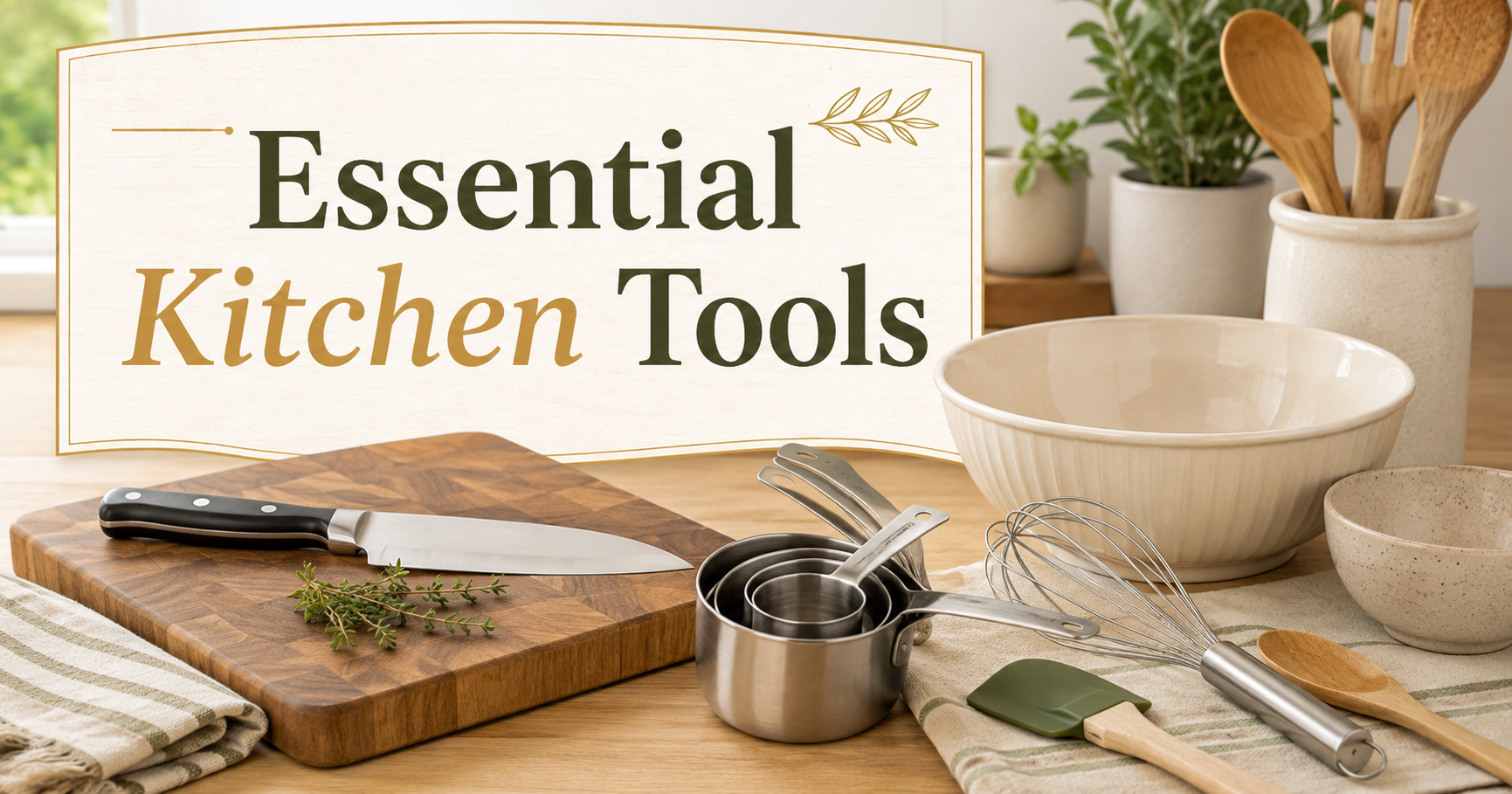
Essential Kitchen Tools for Beginner Cooks
Start with practical everyday tools instead of filling your kitchen with gadgets you may rarely use.

Best Affordable Meat Thermometers
Check chicken, burgers, roasts, and other foods without guessing whether the center is fully cooked.
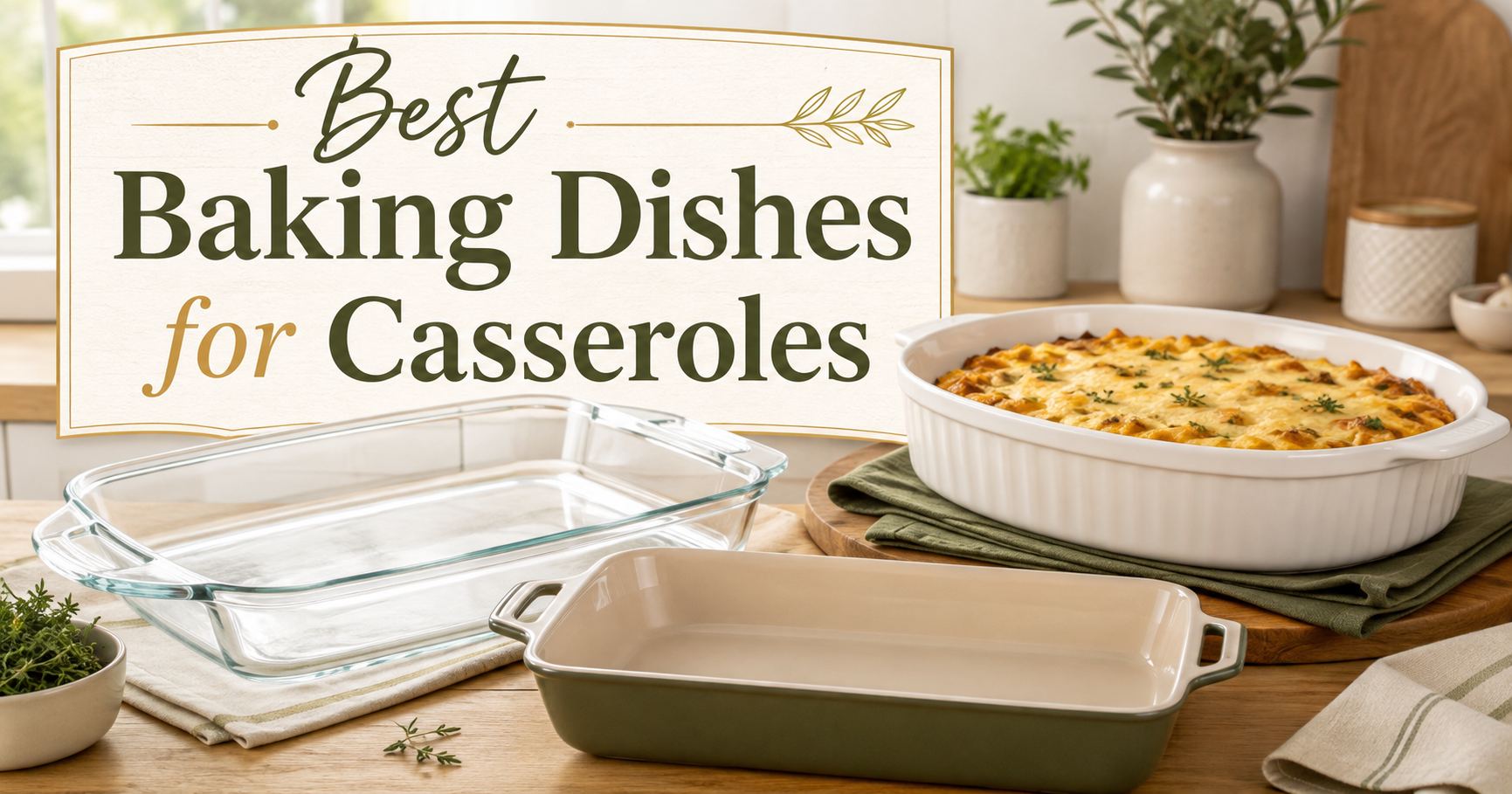
Best Baking Dishes for Casseroles
Compare dependable baking dishes for casseroles, rice bakes, biscuit bakes, desserts, and family meals.
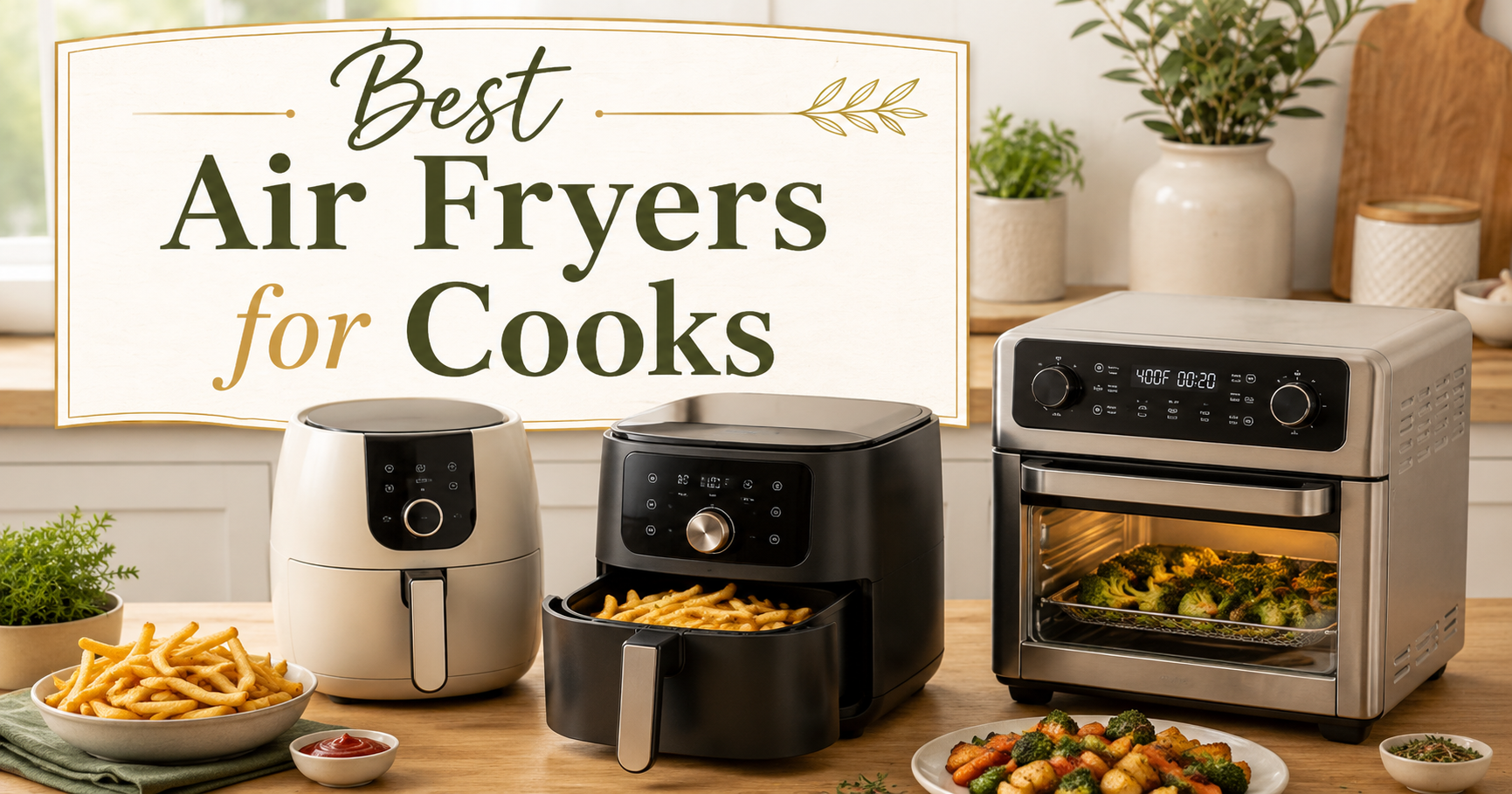
Best Air Fryers for Beginner Cooks
Find a beginner-friendly air fryer for crispy foods, quick dinners, reheating leftovers, and smaller meals.
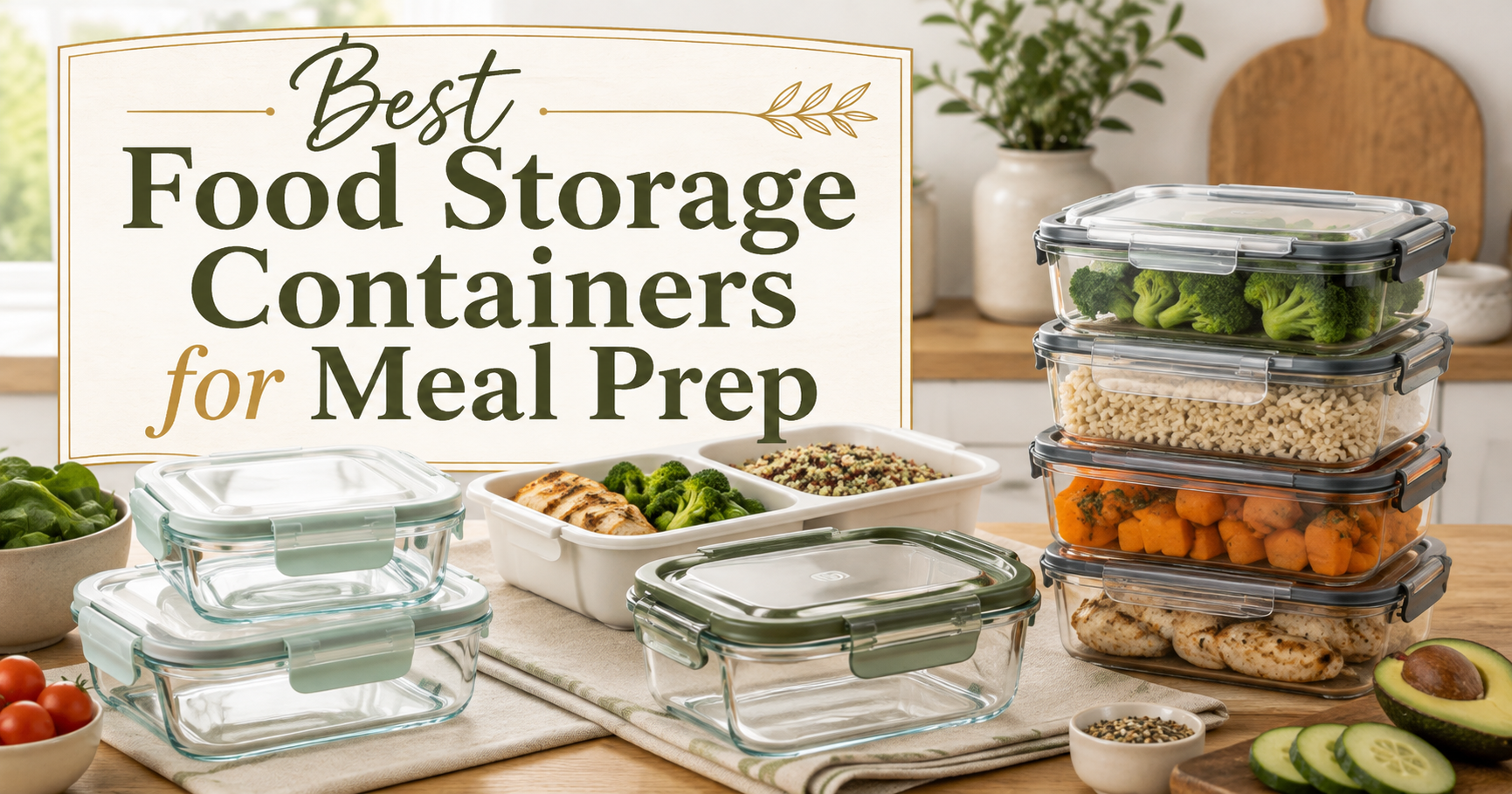
Best Food Storage Containers for Meal Prep
Store leftovers, lunches, freezer meals, and weekly meal-prep portions more neatly.

Featured Kitchen Pick
Explore another practical kitchen pick that can make everyday cooking and food preparation easier.
Storage and Reheating
For the best texture, enjoy garlic knots while they are fresh and warm. Once completely cool, place leftovers in an airtight container or tightly sealed bag.
They can be reheated in the oven or air fryer until warm. This method helps revive the exterior better than microwaving. The microwave also works when you need a quick option, although the knots will be softer.
Garlic knots can also be frozen. Cool them completely first, wrap them well, and place them in a freezer-safe container. Thaw before reheating, or gently reheat them from frozen until warmed through.
Food Safety Note
If you substitute oil for the butter and make a fresh garlic-and-oil mixture, do not store that mixture at room temperature. Keep homemade fresh garlic mixtures containing oil refrigerated and discard any topping that has been stored improperly.
Common Mistakes to Avoid
Trying to shape ice-cold dough
Cold dough often snaps back instead of stretching. Giving it a short rest makes forming the ropes much easier.
Making the knots too tight
Tightly tied dough has less room to expand. A relaxed knot produces a better shape and more even texture.
Using different-sized pieces
If some knots are much larger than others, the smaller pieces may brown before the larger ones finish baking. Divide the dough as evenly as possible.
Burning the garlic
Garlic can turn bitter when browned too aggressively. Heat it gently in the butter just until fragrant.
Waiting too long to add the garlic butter
Brush the knots while they are still hot so the surface readily takes on the buttery garlic flavor.
Frequently Asked Questions
Can I use store-bought pizza dough for garlic knots?
Yes. Refrigerated or fresh prepared pizza dough is one of the easiest ways to make homemade garlic knots without preparing yeast dough from scratch.
Can I use crescent roll dough instead?
You can, but the texture will be different. Crescent dough creates softer, richer, flakier knots, while pizza dough gives you the chewy bread texture associated with traditional garlic knots.
Why does my pizza dough keep shrinking?
The dough may be too cold or tense from handling. Let it rest for a few minutes before trying to stretch it again.
Can I make garlic knots ahead of time?
Yes. For the best fresh-baked texture, shape the knots in advance, refrigerate them covered, and bake them closer to serving time. You can also bake and reheat them later.
Can I make these without Parmesan?
Yes. The Parmesan adds savory flavor, but the knots will still be delicious with garlic butter, parsley, and salt alone.
What dipping sauce goes with garlic knots?
Warm marinara is the classic choice. Pizza sauce, tomato-basil sauce, or a creamy Alfredo-style sauce can also be served alongside them.
Can I freeze garlic knots?
Yes. Let them cool completely, wrap them securely, and freeze in a freezer-safe container. Reheat until warm before serving.
Final Notes
Easy garlic knots prove that a simple package of pizza dough can become something special with only a few extra ingredients. The soft, chewy knots bake quickly and get most of their flavor from the warm garlic butter brushed over them straight from the oven.
Serve them with pasta, pizza, soup, salad, or a bowl of marinara for dipping. They are especially useful when you want homemade bread on the table without committing to a full bread-making project.
Trusted Resources
- FoodSafety.gov FoodKeeper – guidance for storing foods for freshness and quality.
- U.S. Food and Drug Administration Food Safety – information about safe food handling and storage.
Helpful Recipe Resources
Trusted Food, Cooking, and Recipe References
Mistakenly Delicious uses AI-assisted workflows, but useful recipes still need common sense, food safety checks, and reliable cooking references. These resources can help with ingredients, nutrition, safe temperatures, and the AI workflow behind this site.
Ingredient Data
USDA FoodData Central
A useful reference for checking ingredient and nutrition data when reviewing recipes.
Visit Resource →Cooking Help
Nutrition.gov Cooking Tips
Beginner-friendly guidance for meal prep, cooking basics, shopping, and planning.
Visit Resource →Food Safety
Safe Cooking Temperatures
A helpful food safety chart for checking safe internal temperatures for chicken, meat, seafood, and leftovers.
Visit Resource →Creator Workflow
TechnofluxAI
The AI workflow and creator systems site behind Mistakenly Delicious.
Visit TechnofluxAI →