Beginner-Friendly Recipe
Slow Cooker Pot Roast
A practical, beginner-friendly slow cooker pot roast recipe with clear steps, useful substitutions, and dependable storage tips.

Slow cooker pot roast is the kind of comfort-food dinner that makes a relatively simple cut of beef taste rich, tender, and deeply savory. Chuck roast cooks slowly with potatoes, carrots, onions, garlic, herbs, and a flavorful beef broth until the meat becomes fork-tender and the vegetables soak up the cooking juices.
It is especially useful for busy days because most of the work happens at the beginning. Once everything is in the slow cooker, the long, gentle cooking time does the rest.
Mistakenly Smart Note: Chuck roast becomes tender through time, not just temperature. If your roast is fully cooked but still feels tough when pierced with a fork, it usually needs more slow-cooking time so the connective tissue can continue to soften.
Quick Answer
Slow cooker pot roast is made by seasoning a beef chuck roast, optionally searing it for extra flavor, and slow-cooking it with onions, carrots, potatoes, garlic, beef broth, Worcestershire sauce, tomato paste, and herbs. Cook it until the beef is very tender and easily pulls apart with a fork.
The cooking liquid can then be thickened into a simple gravy, giving you the roast, vegetables, and sauce all from one slow cooker.
Print the shopping list from the recipe card.
Ingredients Overview
This recipe starts with beef chuck roast, a cut that is especially well suited to slow cooking. Potatoes, carrots, and onions turn the roast into a complete dinner, while garlic, Worcestershire sauce, tomato paste, beef broth, and herbs build the savory cooking liquid.
A small cornstarch slurry at the end transforms some of those flavorful juices into a glossy gravy without requiring a separate roux.
Beef Chuck Roast
Chuck roast is a great choice for pot roast because it contains connective tissue and marbling that soften during long, moist cooking. Instead of choosing the leanest roast available, look for one with visible marbling throughout.
Potatoes
Yukon Gold potatoes hold their shape well while still becoming creamy inside. Baby potatoes are another convenient option. If using larger potatoes, cut them into substantial chunks so they do not become too soft before the beef is ready.
Carrots and Onions
Carrots add sweetness while onions contribute savory depth to the broth. Keep both vegetables in fairly large pieces so they can withstand several hours of slow cooking.
Beef Broth
Beef broth provides the base of the cooking liquid, but the roast does not need to be completely submerged. A slow cooker traps steam and moisture, and the beef and vegetables release additional liquid as they cook.
Worcestershire Sauce and Tomato Paste
These two ingredients add concentrated savory flavor without making the pot roast taste strongly of either one. Tomato paste also helps give the cooking liquid a richer color and body.
Why This Recipe Works
- Chuck roast benefits from long cooking. Slow, moist heat gives the connective tissue time to soften, producing tender beef.
- The vegetables are cut into large pieces. This helps them stay intact throughout the long cooking time.
- The beef does not need to be submerged. The covered slow cooker retains moisture while the roast releases additional juices.
- Searing adds another layer of flavor. Browning the outside is optional, but it creates deeper roasted notes before slow cooking begins.
- The cooking liquid becomes the gravy. Thickening the flavorful juices at the end means nothing from the slow cooker goes to waste.
Tips for the Best Slow Cooker Pot Roast
Choose the right cut of beef
A well-marbled chuck roast is usually more dependable for slow cooker pot roast than an extremely lean roast. The fat and connective tissue contribute flavor and help produce the tender texture associated with classic pot roast.
Do not cut the roast into tiny pieces
Keeping the roast whole allows it to cook slowly without the smaller exposed surfaces drying out. If the roast is too large for your slow cooker, cutting it into two large pieces is fine.
Sear when you have time
Searing is not required for the slow cooker to cook the beef, but browning the roast in a hot skillet develops extra flavor. If you are short on time, you can skip this step and still make a satisfying pot roast.
Keep the lid closed
Frequently lifting the slow cooker lid releases heat and steam. Check the roast near the end of its expected cooking window instead of repeatedly opening the cooker.
Let tenderness determine when it is ready
Pot roast is at its best when a fork slides into the meat easily and the beef separates with very little resistance. A roast that still feels firm usually needs additional cooking time.

Slow Cooker Pot Roast FAQ
What is the best cut of beef for slow cooker pot roast?
Beef chuck roast is one of the best choices because its marbling and connective tissue respond well to long, moist cooking. As the roast cooks, it becomes rich and tender instead of needing to be sliced like a lean roast.
How long should pot roast cook in a slow cooker?
A typical chuck roast takes about 8 to 9 hours on LOW or approximately 5 to 6 hours on HIGH, depending on its size, thickness, slow cooker, and starting temperature. Use tenderness rather than the clock alone to decide when it is ready.
Is pot roast better on LOW or HIGH?
LOW is ideal when you have the time because the extended cooking period is particularly well suited to chuck roast. HIGH also works when you need dinner sooner, but the roast still needs enough time to become fork-tender.
Do you have to brown a roast before putting it in the slow cooker?
No. Browning is optional and is primarily used to develop additional flavor. You can place the seasoned roast directly in the slow cooker when you need a faster prep routine.
Should pot roast be covered with liquid?
No. The roast does not need to be completely submerged. Slow cookers retain moisture, and both the beef and vegetables release additional liquid during cooking.
Why is my slow cooker pot roast tough?
If you are using chuck roast and it has reached a safe temperature but still resists a fork, it likely needs more cooking time. Continue slow cooking until the connective tissue has softened and the beef separates easily.
Can I put a frozen roast in the slow cooker?
It is better to thaw the roast completely before slow cooking. Starting with thawed meat allows the ingredients to heat more predictably during the slow-cooking process.
Can I prepare pot roast the night before?
You can prepare many of the ingredients ahead, but keep the raw beef and prepared vegetables properly refrigerated. Assemble the slow cooker when you are ready to begin cooking rather than leaving the filled crock sitting at room temperature.
How do I thicken pot roast gravy?
A cornstarch slurry is one of the easiest methods. Mix cornstarch with cold water until smooth, then stir it into the hot cooking liquid and allow the sauce to heat until thickened. Avoid adding dry cornstarch directly to the gravy because it can form lumps.
How long does leftover pot roast last?
Cooked beef leftovers can be refrigerated for 3 to 4 days when stored properly at 40°F or below. Freeze portions you will not use within that period.
Final Notes
Slow cooker pot roast is a dependable example of what low-and-slow cooking does best. Chuck roast, hearty vegetables, broth, herbs, and a handful of savory ingredients gradually turn into a complete comfort-food dinner with very little hands-on work.
The most important part is giving the beef enough time. Do not stop cooking simply because the clock says the roast should be done. When a fork slides easily into the center and the beef separates with minimal resistance, you have reached the texture that makes pot roast so satisfying.
Serve it straight from the slow cooker with carrots, potatoes, and gravy, or pair the tender beef with mashed potatoes and your favorite green vegetable for an old-fashioned Sunday dinner.
Trusted Resources
- USDA Food Safety and Inspection Service: Slow cooker food-safety guidance, including recommendations for starting with thawed meat and keeping perishable ingredients refrigerated until cooking.
- USDA Food Safety and Inspection Service: Safe minimum internal temperatures for beef roasts.
- USDA Food Safety and Inspection Service: Safe refrigeration and storage guidance for cooked beef and leftovers.

Slow Cooker Pot Roast
Method
- Pat the chuck roast dry with paper towels. Season all sides with the salt, black pepper, and garlic powder.
- For additional flavor, heat the oil in a large skillet over medium-high heat. Sear the roast for approximately 3 to 4 minutes per side, or until deeply browned. Transfer it to a plate. This step is optional.
- Place the potatoes, carrots, and onion in the bottom of a 6-quart slow cooker.
- Place the seasoned or seared chuck roast over the vegetables.
- In a bowl or large measuring cup, whisk together the beef broth, Worcestershire sauce, tomato paste, minced garlic, thyme, and rosemary.
- Pour the broth mixture around and over the roast. Cover the slow cooker.
- Cook on LOW for 8 to 9 hours or on HIGH for 5 to 6 hours, until the roast is very tender and separates easily when tested with a fork.
- Check the beef with a food thermometer. For safety, a whole beef roast should reach at least 145°F followed by a 3-minute rest, although chuck roast cooked until pot-roast tender will normally reach a substantially higher temperature.
- Carefully transfer the roast and vegetables to a platter and loosely cover them to keep warm.
- To make the gravy, skim excess fat from the cooking liquid if desired.
- Stir together the cornstarch and cold water in a small bowl until completely smooth.
- Set the slow cooker to HIGH. Slowly stir the cornstarch slurry into the hot cooking liquid. Cover and cook for approximately 10 to 15 minutes, or until the gravy has thickened. Alternatively, transfer the cooking liquid to a saucepan and simmer with the slurry until thickened.
- Taste the gravy and adjust with additional salt and black pepper if needed.
- Slice or gently pull the roast into large pieces. Serve with the potatoes, carrots, onions, and warm gravy.
Notes
Fully thaw the roast before placing it in the slow cooker.
Searing is optional but adds deeper browned flavor.
Keep potatoes and carrots in large pieces so they hold their shape.
Avoid repeatedly removing the slow cooker lid during cooking.
If the beef is still tough, continue cooking until it becomes fork-tender.
The roast does not need to be submerged in broth.
For beef-roast food safety, USDA recommends a minimum internal temperature of 145°F followed by a 3-minute rest.
Refrigerate cooked leftovers promptly and use within 3 to 4 days.
Freeze leftover beef with some gravy to help maintain moisture.
Tried this recipe?
Let us know how it was!Nutrition Information Disclaimer
Nutrition information is provided as an estimate only and may vary based on the ingredients, brands, portion sizes, substitutions, and preparation methods used. Optional toppings and serving suggestions may not be included in the calculation. For the most accurate information, calculate nutrition using the specific ingredients and amounts you use.
Allergy notice: Always check ingredient labels and avoid substitutions that may introduce allergens. This recipe has not been verified as allergen-free.
Mistakenly Delicious Kitchen Picks
Helpful Kitchen Tools for Easier Cooking
These beginner-friendly guides and kitchen picks can make cooking, baking, food-safety checks, and meal prep easier.
Affiliate disclosure: This section contains Amazon affiliate links. As an Amazon Associate, I earn from qualifying purchases at no additional cost to you.
Essential Kitchen Tools for Beginner Cooks
Start with practical everyday tools instead of filling your kitchen with gadgets you may rarely use.
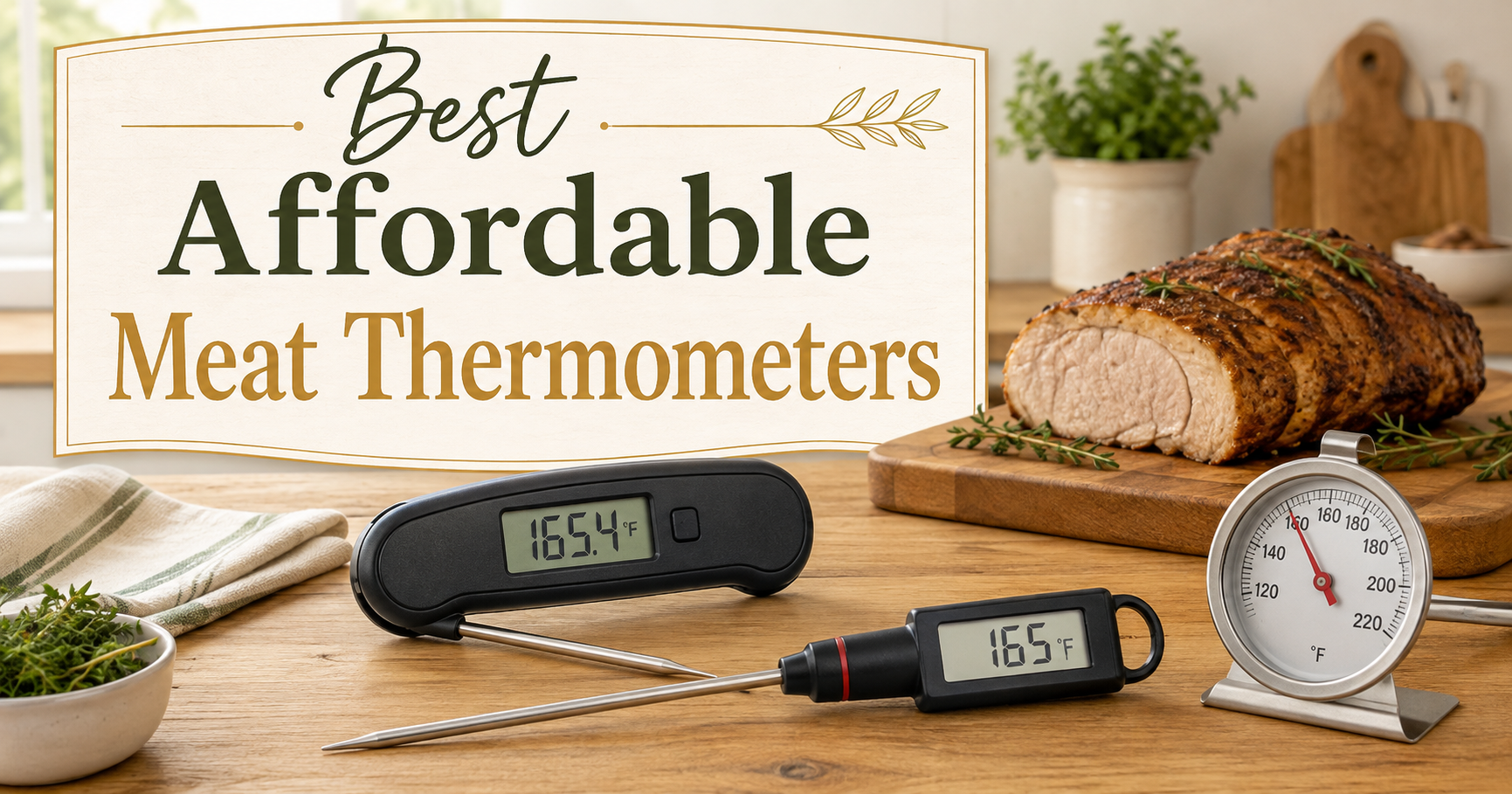
Best Affordable Meat Thermometers
Check chicken, burgers, roasts, and other foods without guessing whether the center is fully cooked.
Best Baking Dishes for Casseroles
Compare dependable baking dishes for casseroles, rice bakes, biscuit bakes, desserts, and family meals.
Best Air Fryers for Beginner Cooks
Find a beginner-friendly air fryer for crispy foods, quick dinners, reheating leftovers, and smaller meals.
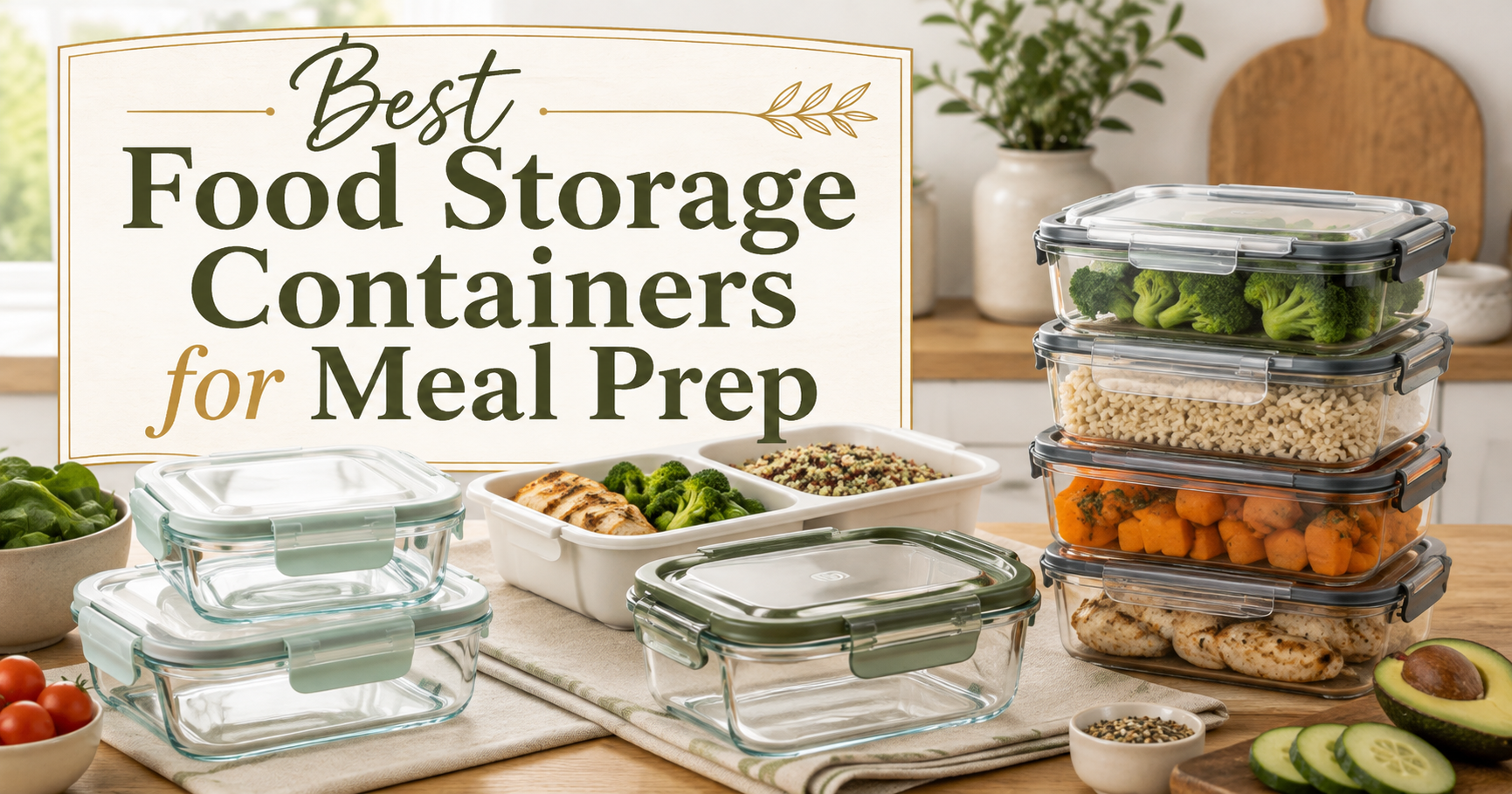
Best Food Storage Containers for Meal Prep
Store leftovers, lunches, freezer meals, and weekly meal-prep portions more neatly.

Featured Kitchen Pick
Explore another practical kitchen pick that can make everyday cooking and food preparation easier.
Easy Substitutions
- Use parsnips instead of half the carrots
- Add 8 ounces mushrooms
- Use gluten-free Worcestershire sauce
Storage and Reheating
Cool leftovers promptly in shallow containers, refrigerate within 2 hours, and use within 3 to 4 days. Reheat hot leftovers to 165°F; bring soups and gravies to a rolling boil. Freeze suitable portions for up to 2 to 3 months for best quality.
Reheat covered on the stovetop, in a 350°F oven, or in the microwave until the center reaches 165°F. Add a splash of water or broth if the food seems dry.
Frequently Asked Questions
Can I prepare this recipe ahead?
Yes. Prepare the ingredients or complete the recipe ahead when practical, then follow the storage guidance above. For the best texture, keep crisp toppings and fresh garnishes separate until serving.
How do I know it is done?
Use the time as a guide and rely on the texture, color, and temperature cues in the numbered instructions. Ovens and stovetops vary, so check a little early.
Can I double the recipe?
Usually, yes. Use a larger pan or cook in batches so the food is not crowded. Cooking time may increase, so check doneness rather than relying only on the clock.
Image and Publishing Notes
Featured image idea: A bright, natural-light close-up of finished slow cooker pot roast in a simple home-kitchen setting.
Suggested alt text: Homemade slow cooker pot roast ready to serve.
Schema: Recipe schema through WP Recipe Maker. Copy the ingredient amounts, numbered method, times, servings, and temperature notes into the recipe card placeholder.
Verification: Review package labels, appliance behavior, ingredient availability, and final recipe-card values before publishing. Do not claim the recipe was personally tested unless it was.
Food Safety Sources
For meat and egg temperatures, see the USDA safe minimum internal temperature chart. For cold storage guidance, see the FoodSafety.gov cold food storage chart.
Helpful Recipe Resources
Trusted Food, Cooking, and Recipe References
Mistakenly Delicious uses AI-assisted workflows, but useful recipes still need common sense, food safety checks, and reliable cooking references. These resources can help with ingredients, nutrition, safe temperatures, and the AI workflow behind this site.
Ingredient Data
USDA FoodData Central
A useful reference for checking ingredient and nutrition data when reviewing recipes.
Visit Resource →Cooking Help
Nutrition.gov Cooking Tips
Beginner-friendly guidance for meal prep, cooking basics, shopping, and planning.
Visit Resource →Food Safety
Safe Cooking Temperatures
A helpful food safety chart for checking safe internal temperatures for chicken, meat, seafood, and leftovers.
Visit Resource →Creator Workflow
TechnofluxAI
The AI workflow and creator systems site behind Mistakenly Delicious.
Visit TechnofluxAI →