Beginner-Friendly Recipe
The Ultimate Grilled Cheese Sandwich
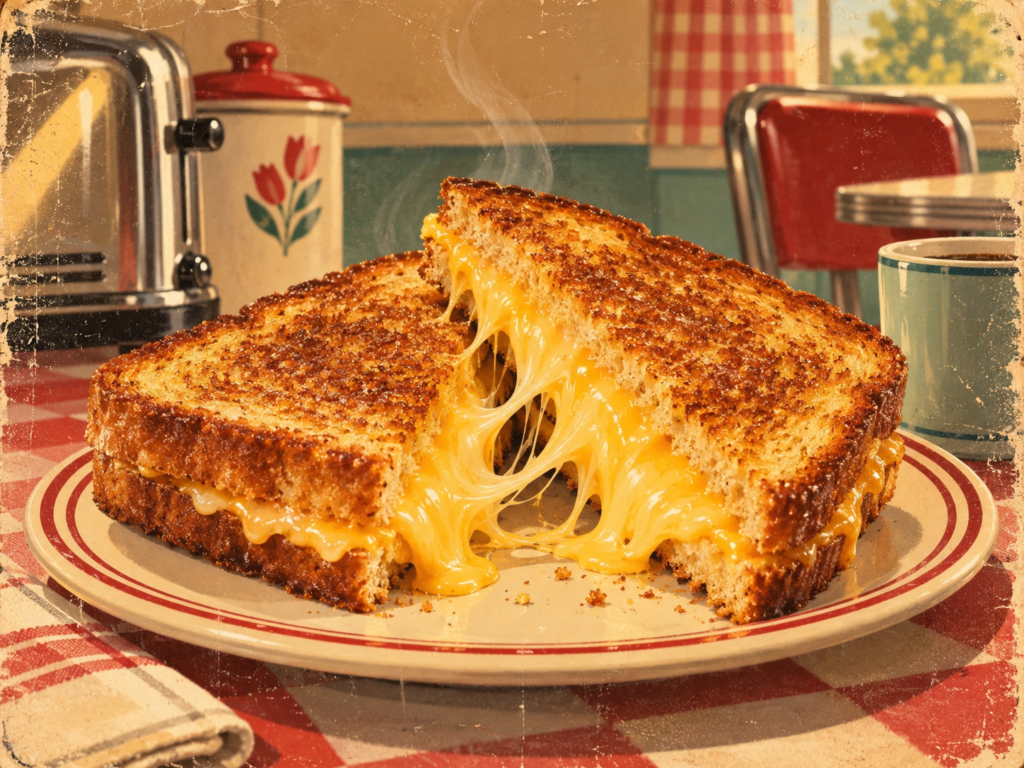
There is grilled cheese, and then there is the ultimate grilled cheese sandwich: deeply golden and crisp on the outside with a hot, creamy, stretchy layer of melted cheese tucked between every bite.
The secret is not piling on complicated ingredients. It is choosing the right bread, using cheeses that melt beautifully, and cooking the sandwich slowly enough for the center to become gooey before the bread gets too dark.
Mistakenly Smart Note: Medium-low heat is the grilled cheese sweet spot. It gives the cheese time to melt while the bread slowly develops that crisp, buttery golden crust.
Quick Answer
For an incredible grilled cheese sandwich, use sturdy sandwich bread, combine a flavorful cheese such as sharp cheddar with a smooth-melting cheese such as Monterey Jack, and cook the sandwich in a skillet over medium-low heat. Spread the outside of the bread evenly with softened butter, then cook until both sides are crisp and golden and the cheese is completely melted.
Ingredients Overview
A great grilled cheese does not need a long ingredient list. What matters is choosing ingredients that work together.
Bread: Choose bread that is sturdy enough to become crisp without falling apart. Sourdough, country white, brioche, or thick-cut sandwich bread all work well.
Cheese: Combining two cheeses gives you both flavor and meltability. Sharp cheddar brings bold cheese flavor, while Monterey Jack melts into a wonderfully creamy center.
Butter: Softened butter creates an evenly browned, crisp exterior and gives the sandwich its classic rich flavor.
Optional extras: A tiny amount of Dijon mustard, caramelized onions, sliced tomato, cooked bacon, or jalapenos can turn the basic sandwich into an entirely different meal.
View the printable shopping list in the recipe card.
Why This Recipe Works
The two-cheese combination gives you more than one type of texture. Cheddar contributes sharp, recognizable grilled-cheese flavor, while Monterey Jack melts smoothly and helps create that gooey cheese pull everyone wants.
Using softened butter rather than cold butter also matters. A thin, even coating covers the entire bread surface, which encourages consistent browning instead of leaving pale patches beside over-toasted spots.
Most importantly, the sandwich cooks over moderate heat. A screaming-hot skillet can brown the bread before the cheese has a chance to melt. Slower cooking lets the heat travel through the bread and into the cheese while building a crisp crust.
Tips for the Best Grilled Cheese
Grate the cheese yourself when possible. Freshly grated cheese usually melts more smoothly than many pre-shredded varieties, which can contain anti-caking ingredients.
Keep the cheese inside the edges of the bread. Cheese hanging far over the sides can melt into the skillet before the center of the sandwich is ready.
Do not press the sandwich aggressively with a spatula. Light pressure can improve contact with the pan, but flattening it too much squeezes melted cheese toward the edges and compresses the bread.
If the bread is browning quickly while the cheese still looks firm, lower the heat and cover the skillet briefly. The trapped warmth helps melt the center without scorching the outside.
Easy Meal Ideas and Grilled Cheese Swaps
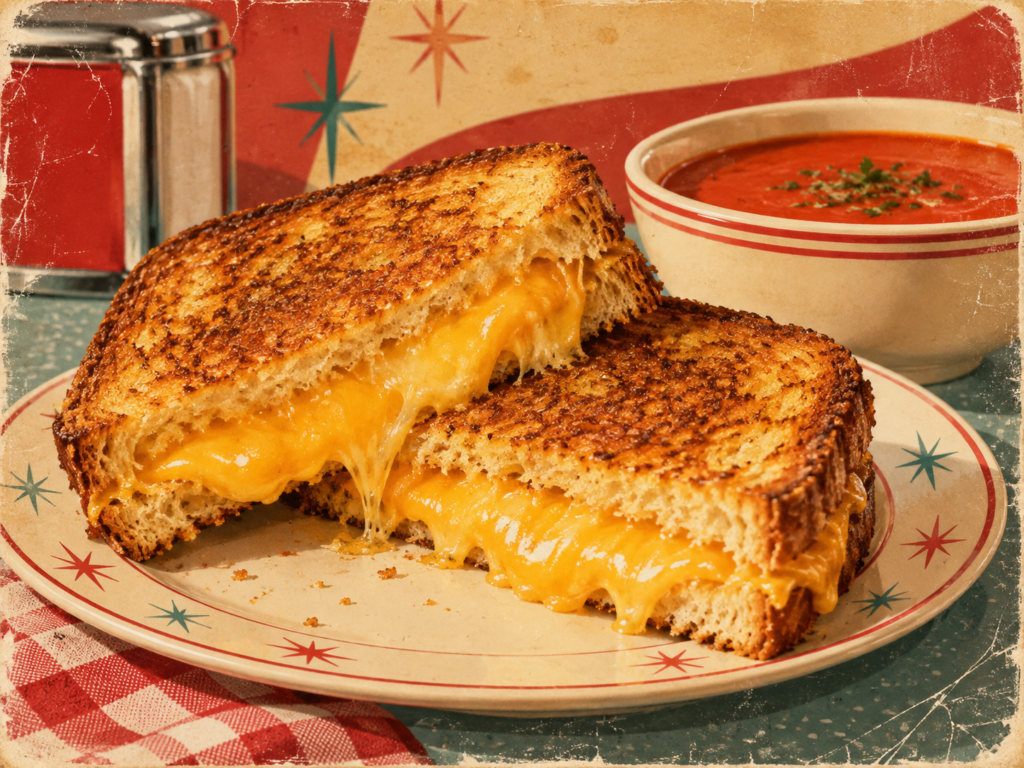
The classic sandwich is excellent on its own, but tomato soup is its natural partner. The creamy, savory sandwich and bright tomato flavor make a comforting lunch or easy dinner.
For something lighter, serve it with a simple green salad, sliced apples, fresh berries, pickles, or crunchy raw vegetables.
You can also change the cheese depending on what you have. American cheese creates an especially smooth melt, mozzarella adds impressive stretch, Gruyere adds a nutty flavor, and pepper Jack brings a little heat.
For a sweeter savory combination, pair sharp cheddar with very thin apple slices. For more richness, add caramelized onions. Tomato slices are another classic option, although they should be patted dry first so they do not make the bread soggy.
How This Grilled Cheese Comes Together
The basic technique starts with evenly buttered bread and a generous but manageable layer of cheese. The sandwich goes into a skillet over medium-low heat, where the first side slowly turns golden.
After flipping, the second side cooks until equally crisp while the cheese finishes melting. A short rest after cooking helps the melted cheese settle slightly, making the sandwich easier to slice without losing all that gooey filling onto the cutting board.
Mistakenly Delicious Kitchen Picks
Helpful Kitchen Tools for Easier Cooking
These beginner-friendly guides and kitchen picks can make cooking, baking, food-safety checks, and meal prep easier.
Affiliate disclosure: This section contains Amazon affiliate links. As an Amazon Associate, I earn from qualifying purchases at no additional cost to you.
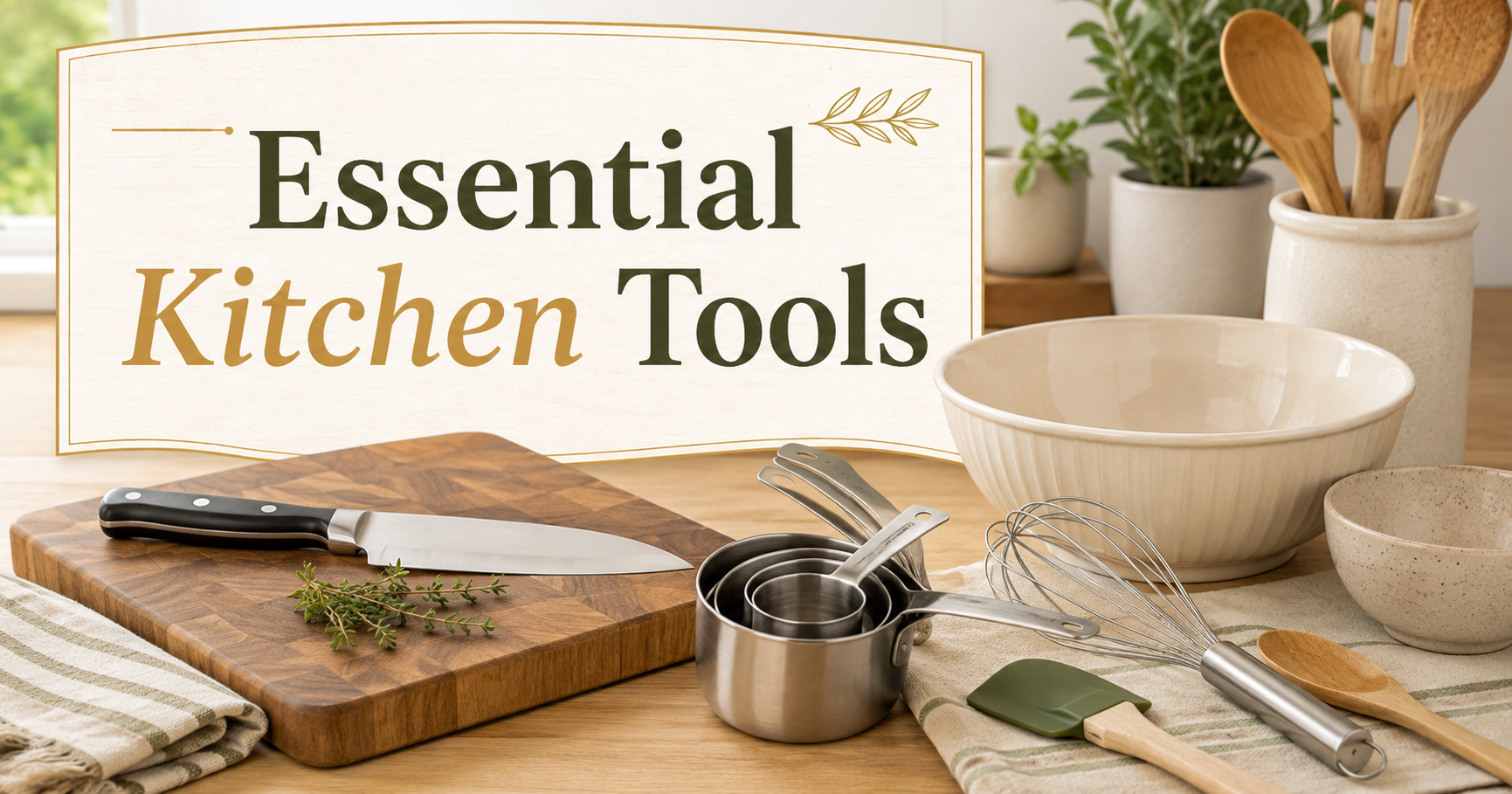
Essential Kitchen Tools for Beginner Cooks
Start with practical everyday tools instead of filling your kitchen with gadgets you may rarely use.
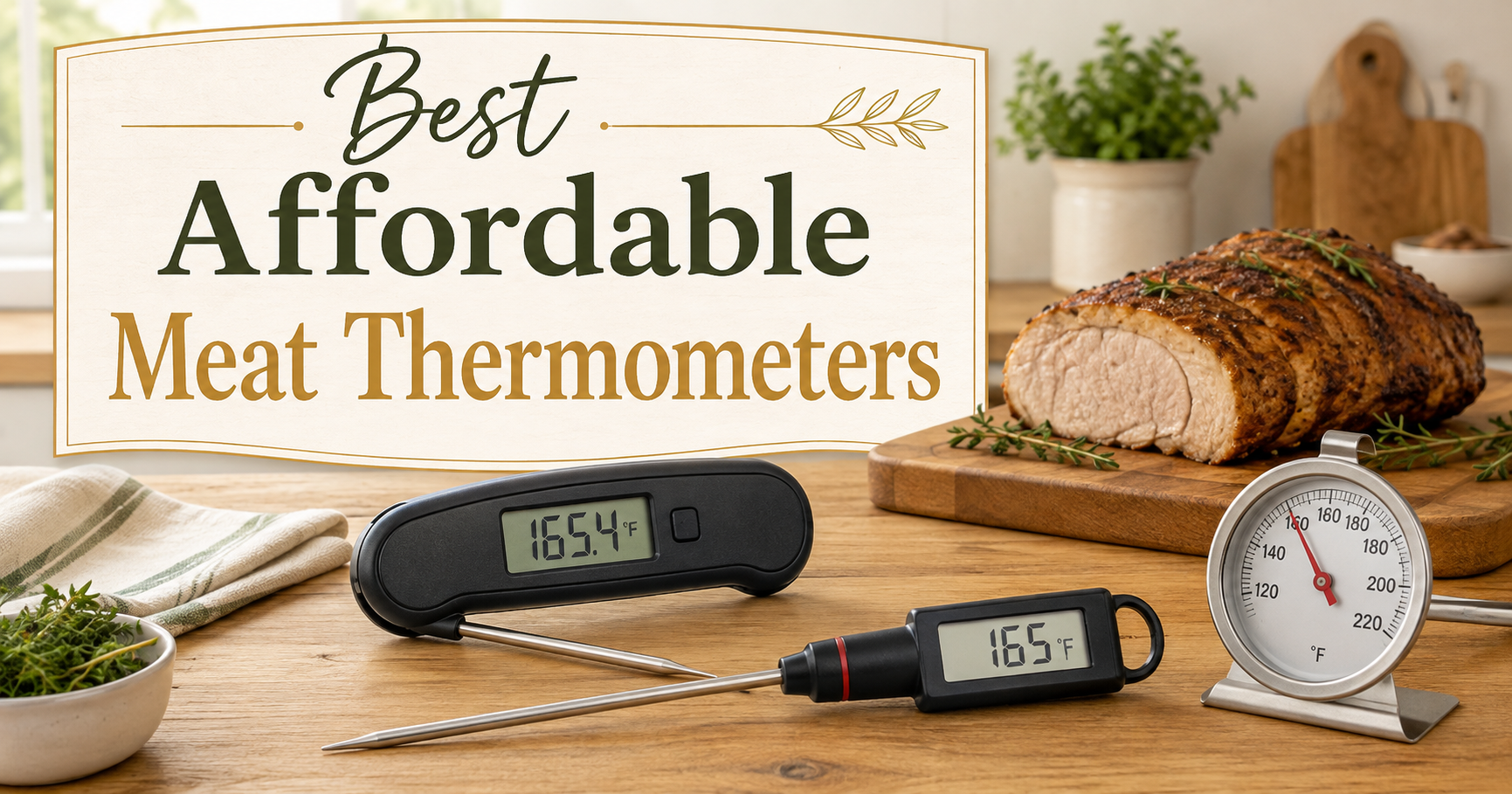
Best Affordable Meat Thermometers
Check chicken, burgers, roasts, and other foods without guessing whether the center is fully cooked.
Best Baking Dishes for Casseroles
Compare dependable baking dishes for casseroles, rice bakes, biscuit bakes, desserts, and family meals.

Best Air Fryers for Beginner Cooks
Find a beginner-friendly air fryer for crispy foods, quick dinners, reheating leftovers, and smaller meals.
Best Food Storage Containers for Meal Prep
Store leftovers, lunches, freezer meals, and weekly meal-prep portions more neatly.

Featured Kitchen Pick
Explore another practical kitchen pick that can make everyday cooking and food preparation easier.
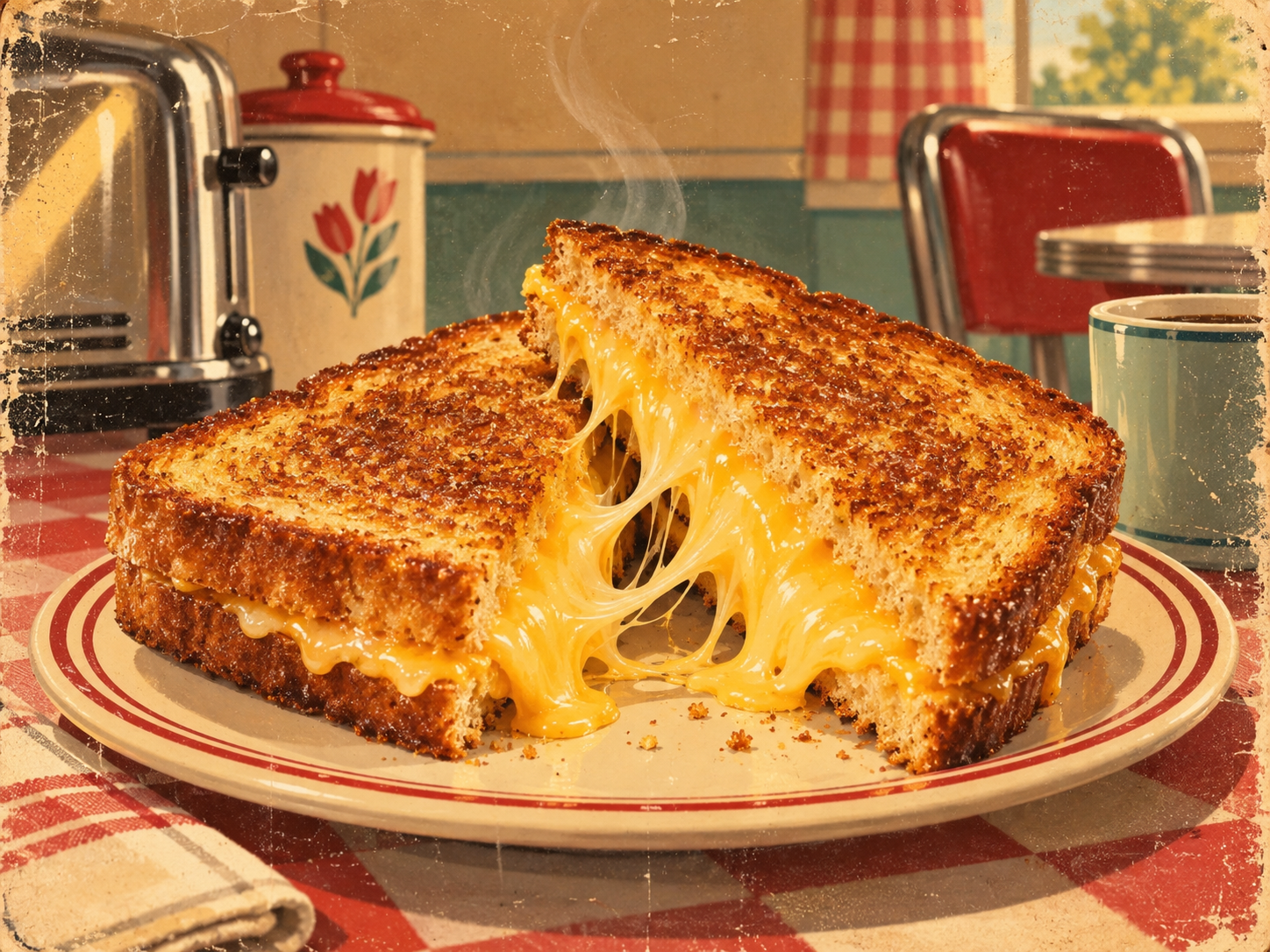
Ultimate Grilled Cheese Sandwich
Method
- Combine the shredded cheddar and Monterey Jack in a small bowl.
- Spread one side of each slice of bread evenly with softened butter, taking the butter all the way to the edges.
- If using Dijon mustard, spread a thin layer on the unbuttered side of two bread slices.
- Divide the cheese mixture between those two slices. Top with the remaining bread, keeping the buttered sides facing outward.
- Heat a large skillet or griddle over medium-low heat. Add the sandwiches and cook for about 3 to 5 minutes, or until the undersides are evenly golden brown.
- Flip carefully and cook for another 3 to 5 minutes, adjusting the heat as necessary, until the second side is crisp and golden and the cheese is completely melted.
- If the bread is browned before the cheese has fully melted, reduce the heat and cover the skillet for about 30 to 60 seconds.
- Transfer the sandwiches to a cutting board and let them rest for about 1 minute before slicing and serving.
Notes
Tried this recipe?
Let us know how it was!Nutrition Information Disclaimer
Nutrition information is provided as an estimate only and may vary based on the ingredients, brands, portion sizes, substitutions, and preparation methods used. Optional toppings and serving suggestions may not be included in the calculation. For the most accurate information, calculate nutrition using the specific ingredients and amounts you use.
Allergy notice: Always check ingredient labels and avoid substitutions that may introduce allergens. This recipe has not been verified as allergen-free.
Storage and Reheating
Grilled cheese is at its best straight from the skillet, when the bread is crisp and the cheese is hot and stretchy. If you have leftovers, let the sandwich cool before placing it in an airtight container in the refrigerator.
For the best reheated texture, warm leftover grilled cheese in a skillet over low heat until the bread becomes crisp again and the cheese is heated through. A toaster oven or air fryer can also restore some of the original crunch.
The microwave works in a hurry, but it tends to soften the toasted bread rather than keeping it crisp.
Common Grilled Cheese Mistakes
Using heat that is too high: This is the most common problem. The bread burns before the cheese melts. Medium-low heat gives the sandwich enough time to cook evenly.
Using too much cheese: More cheese sounds better, but an overloaded sandwich can be difficult to melt evenly and may spill into the skillet.
Using thick slices of cold cheese: Thick pieces take longer to melt. Shredded cheese or relatively thin slices melt more evenly.
Walking away from the skillet: Grilled cheese can go from beautifully browned to burned quickly. Stay close and check the underside as it cooks.
Skipping even coverage: Spread the butter all the way to the edges of the bread for consistent browning and crunch.
Frequently Asked Questions
What is the best cheese for grilled cheese?
Cheddar is one of the best choices for flavor, but combining it with a cheese that melts especially smoothly makes an even better sandwich. Monterey Jack, American, mozzarella, Fontina, and Gruyere are all excellent choices.
Is butter or mayonnaise better for grilled cheese?
Both can create a nicely browned exterior. Butter gives grilled cheese its traditional rich flavor, which is why this recipe uses it. Mayonnaise is easy to spread and can also produce an evenly crisp surface.
Why won’t my cheese melt?
The pan may be too hot, the cheese may be cut too thick, or the sandwich may simply need more time. Reduce the heat and cover the skillet briefly to help warm the center.
What bread makes the best grilled cheese?
Sourdough, country white, brioche, and sturdy sandwich bread are all good choices. Look for bread that can develop a crisp crust while remaining tender inside.
Can I make grilled cheese in an air fryer?
Yes. An air fryer can make a crisp grilled cheese, although the bread may need to be secured so circulating air does not move the top slice before the cheese begins to melt.
Can I make this recipe with only one kind of cheese?
Absolutely. A good melting cheddar makes an excellent classic sandwich by itself. The cheese blend simply gives the sandwich additional flavor and a creamier texture.
Final Notes
The best grilled cheese sandwich proves that simple food can still be exceptional. Good bread, flavorful cheese, an evenly buttered crust, and patient cooking are enough to transform a handful of everyday ingredients into serious comfort food.
Once you have the basic technique down, use it as a starting point. Change the cheese, add a favorite filling, pair it with soup, or keep it completely classic. Just remember the rule that makes the biggest difference: give the cheese time to melt before the bread gets too dark.
Trusted Resources
For additional guidance on safe food storage and handling, consult the USDA Food Safety and Inspection Service and FoodSafety.gov.
Helpful Recipe Resources
Trusted Food, Cooking, and Recipe References
Mistakenly Delicious uses AI-assisted workflows, but useful recipes still need common sense, food safety checks, and reliable cooking references. These resources can help with ingredients, nutrition, safe temperatures, and the AI workflow behind this site.
Ingredient Data
USDA FoodData Central
A useful reference for checking ingredient and nutrition data when reviewing recipes.
Visit Resource →Cooking Help
Nutrition.gov Cooking Tips
Beginner-friendly guidance for meal prep, cooking basics, shopping, and planning.
Visit Resource →Food Safety
Safe Cooking Temperatures
A helpful food safety chart for checking safe internal temperatures for chicken, meat, seafood, and leftovers.
Visit Resource →Creator Workflow
TechnofluxAI
The AI workflow and creator systems site behind Mistakenly Delicious.
Visit TechnofluxAI →