Beginner-Friendly Recipe
Classic Chicken Salad
A practical, beginner-friendly classic chicken salad recipe with clear steps, useful substitutions, and dependable storage tips.

A good Classic Chicken Salad is one of those recipes worth keeping on repeat. Tender chicken, creamy mayonnaise, crisp celery, a little red onion, Dijon mustard, and fresh lemon come together in a simple filling that works for sandwiches, wraps, crackers, or lettuce cups.
It is especially useful when you have leftover cooked chicken or a rotisserie chicken in the refrigerator. There is no cooking required once the chicken is ready, so the entire salad can be mixed in about 15 minutes.
Mistakenly Smart Note: Let cooked chicken cool completely before mixing it with mayonnaise. Warm chicken can make the dressing loose and can affect the fresh, creamy texture that makes classic chicken salad so good.
Quick Answer
To make classic chicken salad, combine chopped cooked chicken with mayonnaise, finely diced celery, red onion, Dijon mustard, lemon juice, salt, and black pepper. Stir just until everything is evenly coated, taste and adjust the seasoning, then refrigerate until serving or enjoy immediately.
The recipe takes about 15 minutes when you start with fully cooked chicken and makes approximately four servings.
Ingredients Overview
The ingredient list is intentionally simple so the flavor of the chicken stays front and center.
- Cooked chicken: The base of the salad. Chopped or shredded chicken breast, thighs, leftover roasted chicken, or rotisserie chicken can all work.
- Mayonnaise: Creates the familiar creamy dressing and ties all the ingredients together.
- Celery: Adds fresh flavor and an important crisp texture.
- Red onion: Gives the salad a mild sharpness and extra crunch. Finely chopping it keeps the flavor balanced.
- Dijon mustard: Adds a subtle savory tang that keeps the dressing from tasting flat.
- Lemon juice: Brightens the mayonnaise-based dressing and complements the chicken.
- Salt and black pepper: Bring the flavors together. Adjust both according to how seasoned your cooked chicken already is.
- Fresh parsley: Optional, but a small amount adds color and freshness without changing the classic flavor.
Quick Shopping List
Check that you have cooked chicken, mayonnaise, celery, red onion, Dijon mustard, lemon, salt, black pepper, and optional fresh parsley.
View the printable shopping list.
Why This Recipe Works
It has the right balance of creamy and crunchy. Mayonnaise coats the chicken while celery and onion add enough texture to keep every bite interesting.
The seasoning stays simple. Dijon and lemon provide brightness without turning this into a heavily flavored chicken salad.
It is a practical leftover recipe. Cooked chicken from dinner can become a completely different lunch the next day.
It is easy to customize. Once you have the basic recipe, you can add herbs, grapes, apples, nuts, pickles, or other favorite chicken salad ingredients.
It works for several kinds of meals. Serve it in sandwiches, tuck it into wraps, spoon it over greens, or pair it with crackers and vegetables for an easy lunch plate.

Tips for the Best Classic Chicken Salad
Start with Completely Cooled Chicken
Chicken salad is best when the cooked chicken is thoroughly chilled or at least completely cooled. This helps the mayonnaise stay thick and creamy and makes the finished salad especially refreshing.
Cut the Chicken into Bite-Size Pieces
A mixture of small chunks and lightly shredded pieces gives chicken salad more texture than finely minced chicken. Keep the pieces small enough to fit easily into a sandwich or wrap.
Dice the Celery and Onion Finely
Small pieces distribute throughout the salad instead of creating an occasional oversized bite of raw onion or celery. This gives you a more balanced texture from spoonful to spoonful.
Add the Mayonnaise Gradually
Chicken can vary in moisture, especially when comparing freshly cooked chicken with rotisserie chicken. Start with enough mayonnaise to lightly coat everything and add a little more if you prefer a creamier salad.
Taste Before Adding Extra Salt
Rotisserie chicken and previously seasoned leftovers can already contain plenty of salt. Mix the salad first, taste it, and then add additional seasoning as needed.
Chill It for Even Better Flavor
You can serve chicken salad immediately, but a short rest in the refrigerator gives the Dijon, lemon, onion, and seasoning time to blend into the creamy dressing.
Easy Chicken Salad Swaps and Meal Ideas
This basic recipe is deliberately flexible. Keep it classic or use it as a starting point for different lunches throughout the week.
- Make a sandwich: Spoon the chicken salad onto soft white, wheat, sourdough, or multigrain bread with lettuce.
- Use a croissant: A buttery croissant turns simple chicken salad into a cafe-style lunch.
- Make a wrap: Roll the salad in a tortilla with lettuce, spinach, cucumber, or tomato.
- Serve it in lettuce cups: Spoon the mixture into crisp romaine or butter lettuce leaves.
- Add grapes: Halved seedless grapes add sweetness and make a popular variation.
- Add apples: Finely diced crisp apple gives the salad another layer of crunch.
- Add nuts: Chopped pecans, walnuts, or almonds add richness and texture.
- Add fresh herbs: Parsley, dill, chives, or tarragon can change the flavor without making the recipe complicated.
- Serve it with crackers: Pair the salad with crackers, sliced cucumbers, carrots, fruit, and cheese for a simple lunch plate.
How This Recipe Comes Together
Begin with fully cooked, cooled chicken. Chop or shred it into small bite-size pieces and place it in a mixing bowl.
Next, add the finely diced celery and red onion. These vegetables provide the crunch that gives classic chicken salad its familiar texture.
Add the mayonnaise, Dijon mustard, lemon juice, salt, and black pepper. If you are using fresh parsley, add it at this point as well.
Stir gently until the chicken and vegetables are evenly coated. Avoid aggressively mixing or mashing the chicken because some texture makes the finished salad much more satisfying.
Taste the mixture and adjust the mayonnaise, lemon juice, salt, or pepper if necessary. The amount you need can vary depending on how the chicken was originally seasoned.
Serve the chicken salad right away or cover and refrigerate it until you are ready to eat. For sandwiches and wraps, assemble them close to serving time so the bread or tortilla stays fresh.

Classic Chicken Salad
Method
- Prepare the chicken. Make sure the cooked chicken is completely cooled. Chop or shred it into small bite-size pieces and place it in a medium mixing bowl.
- Add the vegetables. Add the finely diced celery and red onion to the chicken.
- Make the dressing. Add the mayonnaise, Dijon mustard, lemon juice, salt, black pepper, and parsley if using.
- Mix the chicken salad. Stir gently until the chicken and vegetables are evenly coated with the creamy dressing.
- Taste and adjust. Taste the salad and add more mayonnaise, lemon juice, salt, or black pepper as desired.
- Serve or chill. Serve immediately or cover and refrigerate until ready to eat. Serve in sandwiches, wraps, lettuce cups, or with crackers.
Notes
Tried this recipe?
Let us know how it was!Nutrition Information Disclaimer
Nutrition information is provided as an estimate only and may vary based on the ingredients, brands, portion sizes, substitutions, and preparation methods used. Optional toppings and serving suggestions may not be included in the calculation. For the most accurate information, calculate nutrition using the specific ingredients and amounts you use.
Allergy notice: Always check ingredient labels and avoid substitutions that may introduce allergens. This recipe has not been verified as allergen-free.
Mistakenly Delicious Kitchen Picks
Helpful Kitchen Tools for Easier Cooking
These beginner-friendly guides and kitchen picks can make cooking, baking, food-safety checks, and meal prep easier.
Affiliate disclosure: This section contains Amazon affiliate links. As an Amazon Associate, I earn from qualifying purchases at no additional cost to you.
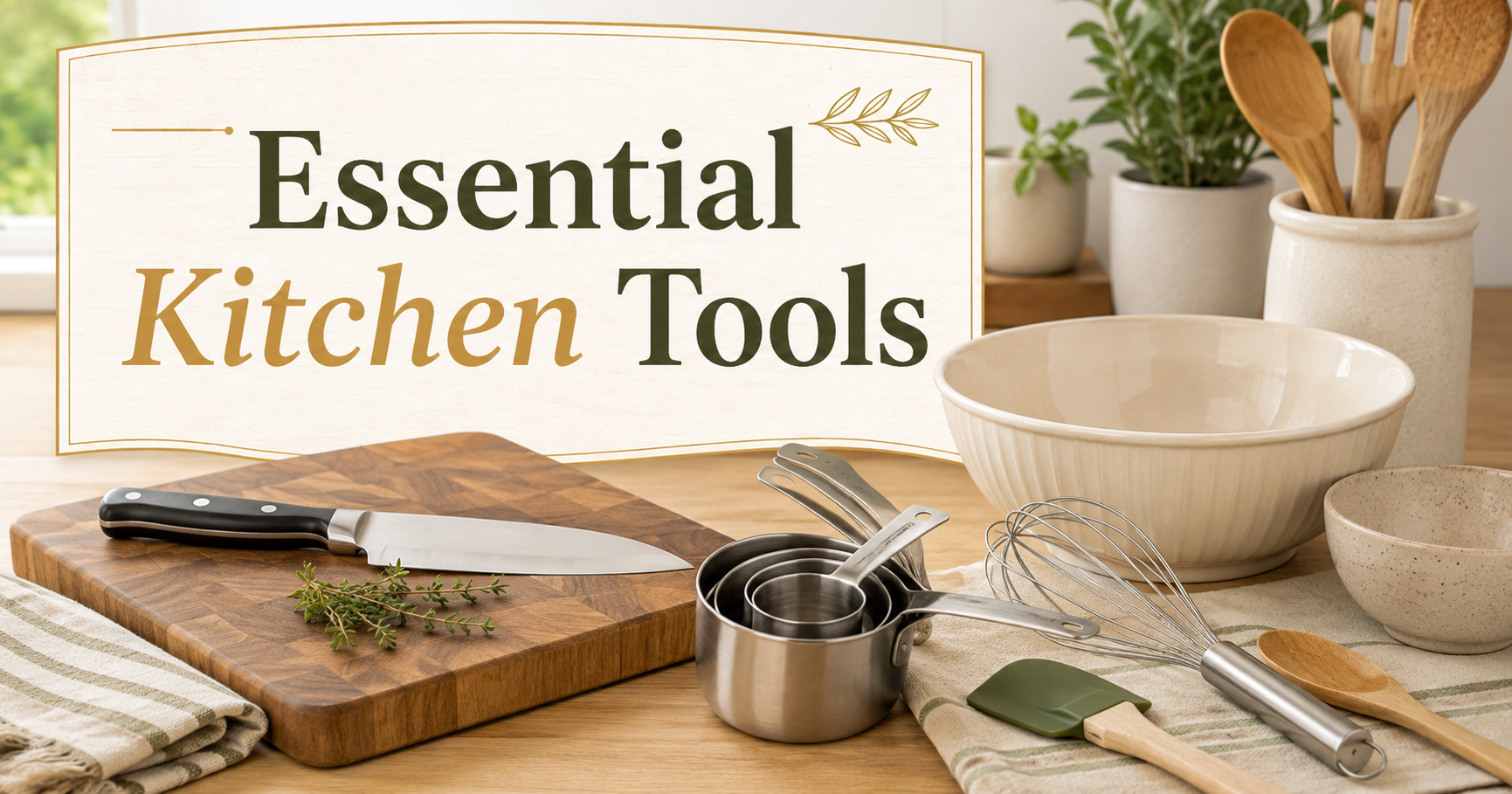
Essential Kitchen Tools for Beginner Cooks
Start with practical everyday tools instead of filling your kitchen with gadgets you may rarely use.

Best Affordable Meat Thermometers
Check chicken, burgers, roasts, and other foods without guessing whether the center is fully cooked.
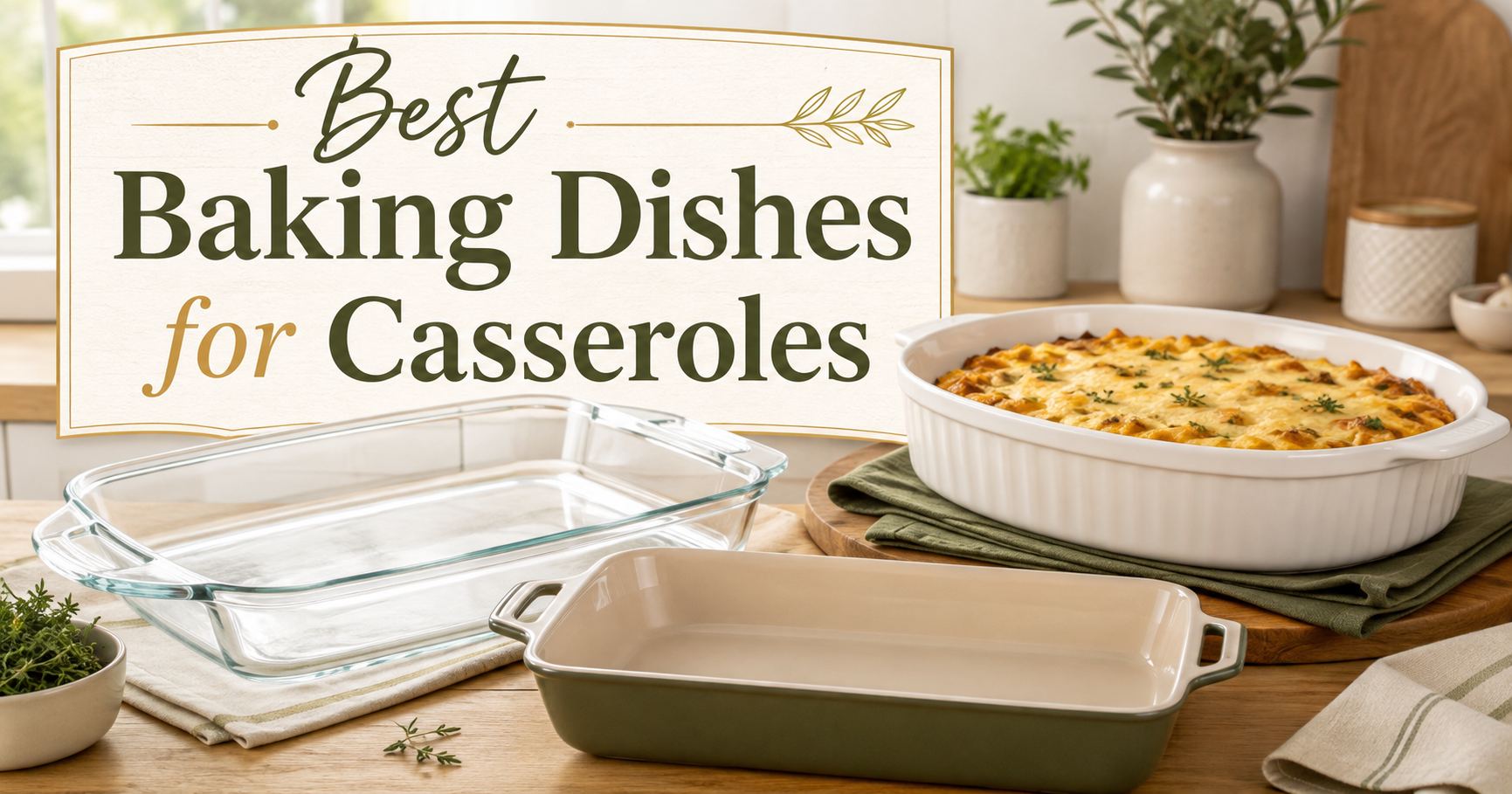
Best Baking Dishes for Casseroles
Compare dependable baking dishes for casseroles, rice bakes, biscuit bakes, desserts, and family meals.

Best Air Fryers for Beginner Cooks
Find a beginner-friendly air fryer for crispy foods, quick dinners, reheating leftovers, and smaller meals.
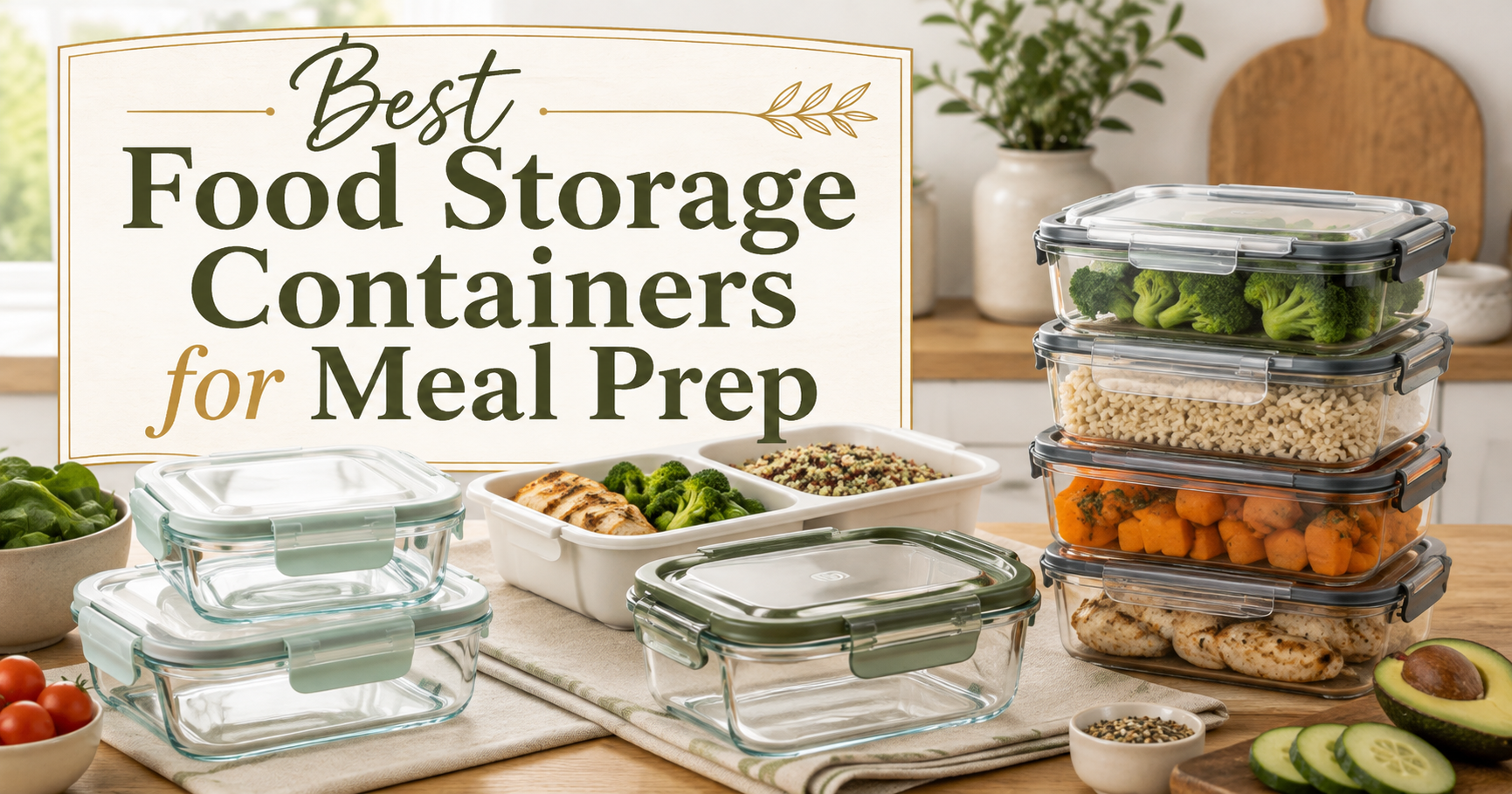
Best Food Storage Containers for Meal Prep
Store leftovers, lunches, freezer meals, and weekly meal-prep portions more neatly.

Featured Kitchen Pick
Explore another practical kitchen pick that can make everyday cooking and food preparation easier.
Storage and Reheating
Store homemade chicken salad in an airtight container in the refrigerator at 40°F or below. For both quality and food safety, use it within 3 to 4 days.
If you plan to make sandwiches ahead, store the chicken salad separately from the bread whenever possible. The creamy filling can soften bread as it sits.
Chicken salad is designed to be eaten cold, so reheating is not necessary. If you prefer the chicken warm, it is better to warm plain cooked chicken before making a separate meal rather than heating prepared mayonnaise-based chicken salad.
Freezing classic chicken salad is generally not recommended for quality. Mayonnaise can separate after freezing and thawing, while celery can lose its crisp texture.
Food Safety Note
Keep chicken salad refrigerated at 40°F or below. Because it contains cooked poultry and other perishable ingredients, do not leave it unrefrigerated for more than 2 hours. When the temperature is above 90°F, that limit decreases to 1 hour.
When packing chicken salad for lunch, a picnic, or travel, use an insulated cooler or lunch bag with enough ice or frozen gel packs to keep it properly chilled.
Common Mistakes to Avoid
Using Warm Chicken
Allow cooked chicken to cool before adding mayonnaise. Completely cooled chicken produces a fresher, thicker salad and makes safe chilling easier.
Adding Too Much Mayonnaise at Once
The goal is to coat the chicken rather than drown it. Begin with a moderate amount of mayonnaise and add more only if the mixture seems dry.
Over-Shredding the Chicken
Chicken salad benefits from texture. Very finely shredded or mashed chicken can create a pasty consistency instead of a salad with distinct tender pieces.
Leaving the Onion Too Large
Raw onion can easily dominate the salad. Finely dice it so you get a little flavor throughout instead of large, sharp pieces.
Skipping the Acid
A small amount of lemon juice balances the mayonnaise and makes the overall salad taste fresher. It should brighten the dressing rather than make it noticeably sour.
Seasoning Before Tasting the Chicken
Cooked chicken, especially rotisserie chicken, can already be well seasoned. Taste the finished mixture before deciding whether it needs additional salt.
Frequently Asked Questions
What chicken is best for chicken salad?
Cooked chicken breast is a classic choice because it has a mild flavor and firm texture. Chicken thighs create a richer salad, while rotisserie chicken is an especially convenient option. A combination of white and dark meat also works well.
Can I use rotisserie chicken?
Yes. Rotisserie chicken is one of the easiest shortcuts for homemade chicken salad. Remove the skin and bones, chop or shred the meat, and taste the finished salad before adding much salt because rotisserie chicken is often already seasoned.
Can I make chicken salad ahead of time?
Yes. Chicken salad is well suited to advance preparation. Cover it tightly and keep it refrigerated, then stir it before serving.
How can I make chicken salad less dry?
Add mayonnaise a tablespoon or so at a time until the salad reaches the consistency you prefer. A small splash of lemon juice can also loosen and brighten the dressing without making it excessively heavy.
What can I substitute for mayonnaise?
Plain Greek yogurt can replace some or all of the mayonnaise, although it creates a tangier flavor. Mashed avocado can also work for a different style of chicken salad, but the color and storage quality will change.
What can I add to classic chicken salad?
Popular additions include grapes, apples, dried cranberries, pecans, walnuts, almonds, dill, parsley, chives, tarragon, chopped pickles, or a little pickle relish. Add extras in moderation so the chicken remains the main ingredient.
How long does homemade chicken salad last?
When properly refrigerated at 40°F or below, plan to use homemade chicken salad within 3 to 4 days.
Can you freeze chicken salad?
Freezing is not ideal when the salad contains mayonnaise and crisp vegetables. The dressing may separate and celery can become softer after thawing, so freshly refrigerated chicken salad generally gives better results.
Can I use canned chicken?
Yes. Well-drained canned chicken can work when convenience is the priority. Because its texture and sodium level can differ from freshly cooked chicken, drain it thoroughly and adjust the seasoning after tasting.
Final Notes
This Classic Chicken Salad is proof that a reliable lunch recipe does not need a long list of ingredients. Tender chicken, creamy mayonnaise, crisp celery, a little onion, Dijon, and lemon provide everything you need for a simple salad with plenty of flavor and texture.
Serve it as a sandwich one day and with crackers or lettuce the next, or use the basic recipe as a starting point for grapes, nuts, herbs, or other favorite additions. It is an easy way to turn cooked chicken into a fresh meal in just a few minutes.
Trusted Resources
- USDA Food Safety and Inspection Service: Guidance on refrigerated storage of cooked chicken and leftovers.
- USDA Food Safety and Inspection Service: Guidance on the 2-hour rule for perishable foods and safe refrigerator temperatures.
Helpful Recipe Resources
Trusted Food, Cooking, and Recipe References
Mistakenly Delicious uses AI-assisted workflows, but useful recipes still need common sense, food safety checks, and reliable cooking references. These resources can help with ingredients, nutrition, safe temperatures, and the AI workflow behind this site.
Ingredient Data
USDA FoodData Central
A useful reference for checking ingredient and nutrition data when reviewing recipes.
Visit Resource →Cooking Help
Nutrition.gov Cooking Tips
Beginner-friendly guidance for meal prep, cooking basics, shopping, and planning.
Visit Resource →Food Safety
Safe Cooking Temperatures
A helpful food safety chart for checking safe internal temperatures for chicken, meat, seafood, and leftovers.
Visit Resource →Creator Workflow
TechnofluxAI
The AI workflow and creator systems site behind Mistakenly Delicious.
Visit TechnofluxAI →