Beginner-Friendly Recipe
Creamy Rice Pudding
A practical, beginner-friendly creamy rice pudding recipe with clear steps, useful substitutions, and dependable storage tips.

Creamy rice pudding is one of those timeless desserts that turns simple pantry staples into something deeply comforting. Tender rice simmers slowly in milk until the mixture becomes rich and velvety, then vanilla adds the familiar warm finish that makes every spoonful taste like home.
It is just as welcome on a quiet weeknight as it is on a holiday dessert table. You can serve it warm for a soft, cozy bowl of comfort or chill it for a thicker make-ahead treat. Either way, this classic pudding proves that humble ingredients can still make a memorable dessert.
Mistakenly Smart Note
The biggest secret to truly creamy rice pudding is patience. Keep the heat low and stir often so the milk thickens gently around the rice. Rushing the process with high heat can scorch the bottom and leave the texture less creamy than it should be.
Quick Answer
Creamy rice pudding is a classic dessert made by slowly cooking rice with milk, sugar, and vanilla until the rice is tender and the mixture becomes thick and custardy. Some versions include egg yolks for extra richness, while others rely on slow simmering alone.
This version uses simple ingredients and a stovetop method that gives you a smooth, creamy pudding with a soft texture and a gentle vanilla flavor.
Ingredients Overview
The ingredient list is short and familiar: rice, milk, sugar, salt, egg yolks, vanilla, and a little butter. Short-grain rice or arborio rice works especially well because it releases starch as it cooks, naturally helping the pudding thicken.
Whole milk gives the pudding a rich texture without making it too heavy, while egg yolks add an extra layer of creaminess. Vanilla rounds out the flavor, and a small amount of butter stirred in at the end makes the finished pudding even smoother.
Jump to the printable shopping list and recipe card.
Why This Recipe Works
The rice naturally thickens the pudding. Starchy rice helps create a creamy texture as it slowly cooks in the milk.
Low heat prevents scorching. Gentle simmering keeps the milk from catching on the bottom of the pan and gives the rice time to soften properly.
Egg yolks add richness. Tempered yolks create a silkier, more custard-like finish without making the pudding overly complicated.
It is flexible for serving. Enjoy it warm right after cooking, or chill it for a thicker and more classic old-fashioned rice pudding texture.

Tips for the Best Creamy Rice Pudding
Use the right rice
Short-grain white rice or arborio rice gives the creamiest results because it releases more starch as it cooks. Long-grain rice can still work, but the final texture may be a little less plush and creamy.
Stir often, especially near the end
As the pudding thickens, it becomes more likely to stick to the bottom of the pan. Regular stirring helps keep the texture smooth and prevents scorching.
Keep the heat gentle
Rice pudding should simmer slowly, not boil aggressively. High heat can cause the milk to scorch or separate, and it can toughen the texture instead of keeping it soft and creamy.
Remember that it thickens as it cools
The pudding may look a little loose when it first comes off the stove, but it will continue to thicken as it stands. If you prefer a spoonable, creamy consistency after chilling, stop cooking it before it becomes overly thick in the pot.
Serving Ideas and Easy Swaps
Classic finish: Sprinkle the top with cinnamon or nutmeg right before serving.
Add raisins: Stir in raisins during the last part of cooking so they soften slightly without taking over the pudding.
Use warm spices: A pinch of cardamom or extra cinnamon can give the pudding a cozier flavor profile.
Brighten it up: A little lemon zest or orange zest adds a fresh note that works well with the rich milk base.
Top it simply: Fresh berries, stewed fruit, toasted nuts, or a drizzle of honey can turn a simple bowl of rice pudding into a more dressed-up dessert.
How This Recipe Comes Together
The rice is first cooked in water with a small amount of salt until it begins to soften. Starting the rice this way shortens the overall cook time and helps it become tender before the milk is added.
Next, milk and sugar are added, and the mixture is cooked gently until the rice becomes soft and the liquid thickens into a creamy pudding. Stirring becomes more important as the milk reduces and the rice releases starch.
To finish, egg yolks are tempered with a little of the hot pudding before being stirred back into the pot. This step enriches the pudding and gives it an even silkier texture. Vanilla and butter are added at the end for a smooth, classic finish.

Creamy Rice Pudding
Method
- In a medium heavy-bottomed saucepan, combine the rice, water, and salt.
- Bring the mixture to a gentle boil over medium heat, then reduce the heat to low. Cover and simmer for about 12 to 15 minutes, or until most of the water is absorbed and the rice is beginning to soften.
- Stir in the milk, sugar, cinnamon, and optional nutmeg.
- Cook over low to medium-low heat for 25 to 30 minutes, stirring often, until the rice is very tender and the mixture has thickened to a creamy consistency.
- In a medium bowl, whisk the egg yolks.
- Ladle about 1/2 cup of the hot rice mixture into the egg yolks very slowly while whisking constantly to temper them.
- Pour the tempered egg mixture back into the saucepan and cook for 2 to 3 minutes over low heat, stirring constantly, until fully incorporated and slightly thickened. Do not let the pudding boil after adding the egg yolks.
- Remove the saucepan from the heat. Stir in the vanilla extract and butter.
- Let the pudding rest for about 10 minutes. It will continue to thicken as it cools.
- Serve warm, or cool and refrigerate for a chilled rice pudding. Sprinkle with additional cinnamon before serving if desired.
Notes
Consistency: The pudding will thicken more as it cools. If it becomes too thick after chilling, stir in a splash of milk before serving.
Egg-free option: You can omit the egg yolks and continue simmering until the pudding thickens naturally.
Raisin option: Stir in 1/3 to 1/2 cup raisins during the last 10 minutes of cooking.
Serving ideas: Top with cinnamon, nutmeg, berries, stewed fruit, or toasted nuts.
Storage: Refrigerate leftovers within 2 hours and enjoy within 3 to 4 days.
Reheating: Reheat gently and add a little milk if needed to loosen the pudding.
Tried this recipe?
Let us know how it was!Nutrition Information Disclaimer
Nutrition information is provided as an estimate only and may vary based on the ingredients, brands, portion sizes, substitutions, and preparation methods used. Optional toppings and serving suggestions may not be included in the calculation. For the most accurate information, calculate nutrition using the specific ingredients and amounts you use.
Allergy notice: Always check ingredient labels and avoid substitutions that may introduce allergens. This recipe has not been verified as allergen-free.
Mistakenly Delicious Kitchen Picks
Helpful Kitchen Tools for Easier Cooking
These beginner-friendly guides and kitchen picks can make cooking, baking, food-safety checks, and meal prep easier.
Affiliate disclosure: This section contains Amazon affiliate links. As an Amazon Associate, I earn from qualifying purchases at no additional cost to you.
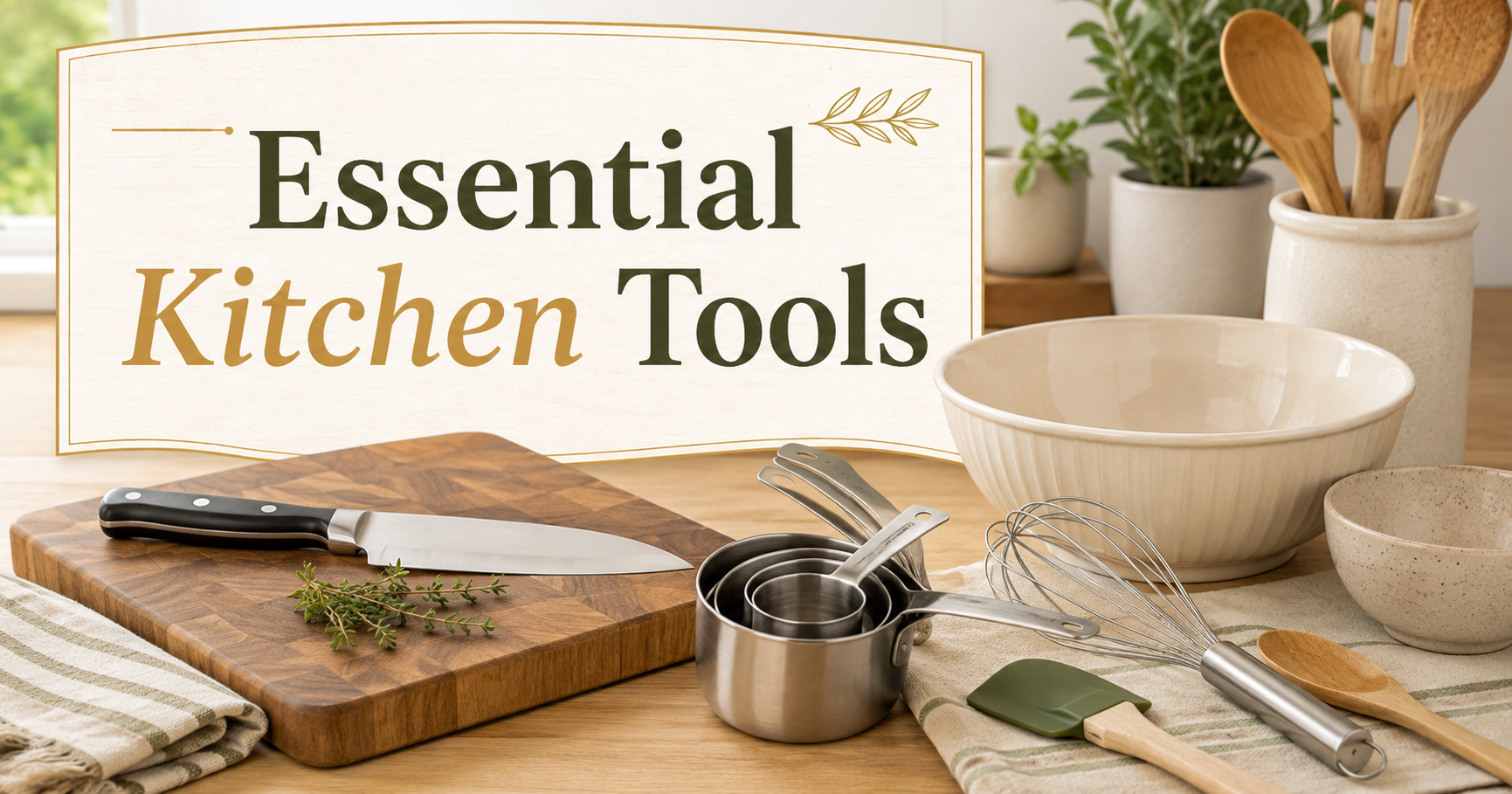
Essential Kitchen Tools for Beginner Cooks
Start with practical everyday tools instead of filling your kitchen with gadgets you may rarely use.

Best Affordable Meat Thermometers
Check chicken, burgers, roasts, and other foods without guessing whether the center is fully cooked.
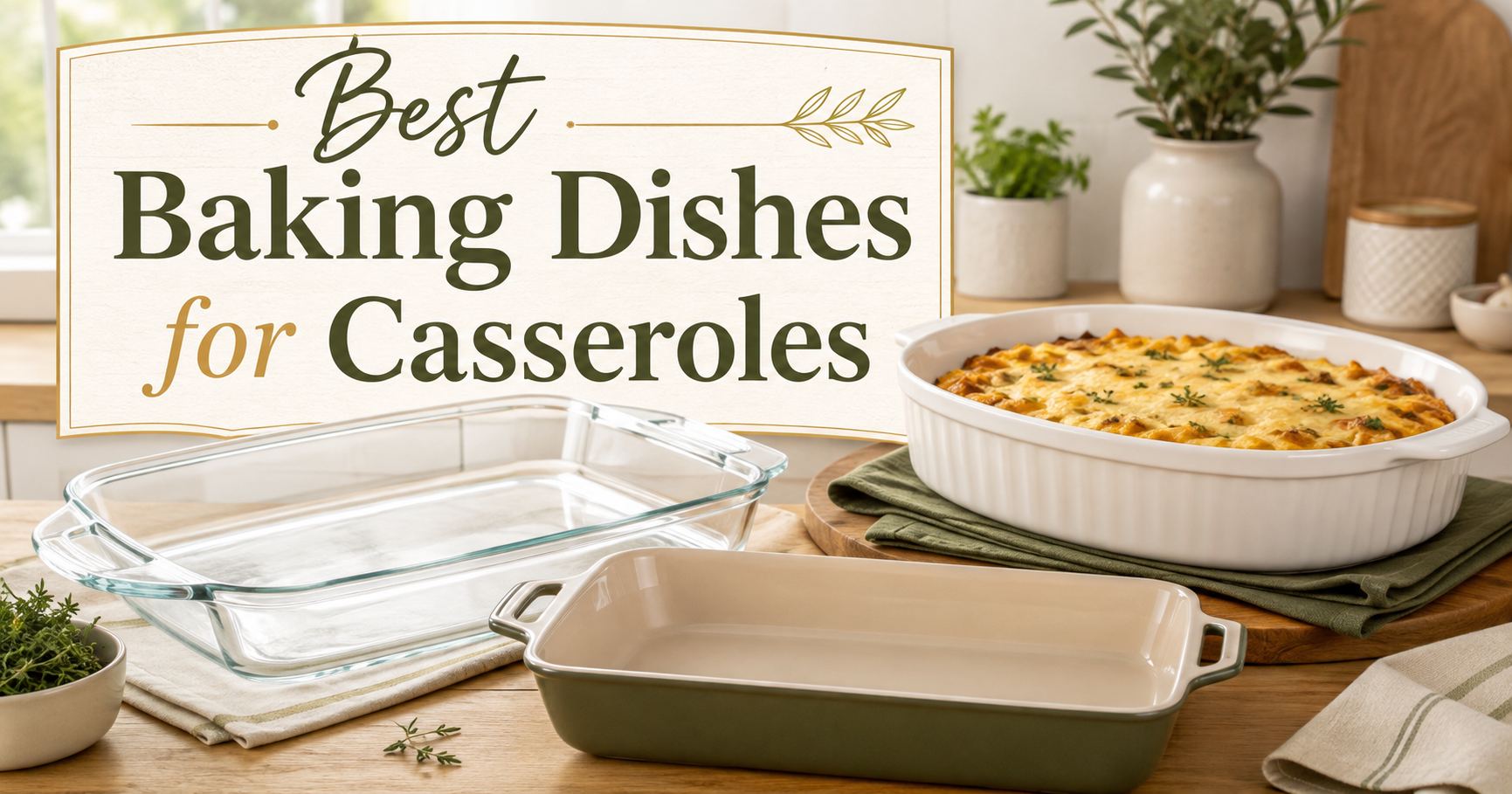
Best Baking Dishes for Casseroles
Compare dependable baking dishes for casseroles, rice bakes, biscuit bakes, desserts, and family meals.

Best Air Fryers for Beginner Cooks
Find a beginner-friendly air fryer for crispy foods, quick dinners, reheating leftovers, and smaller meals.
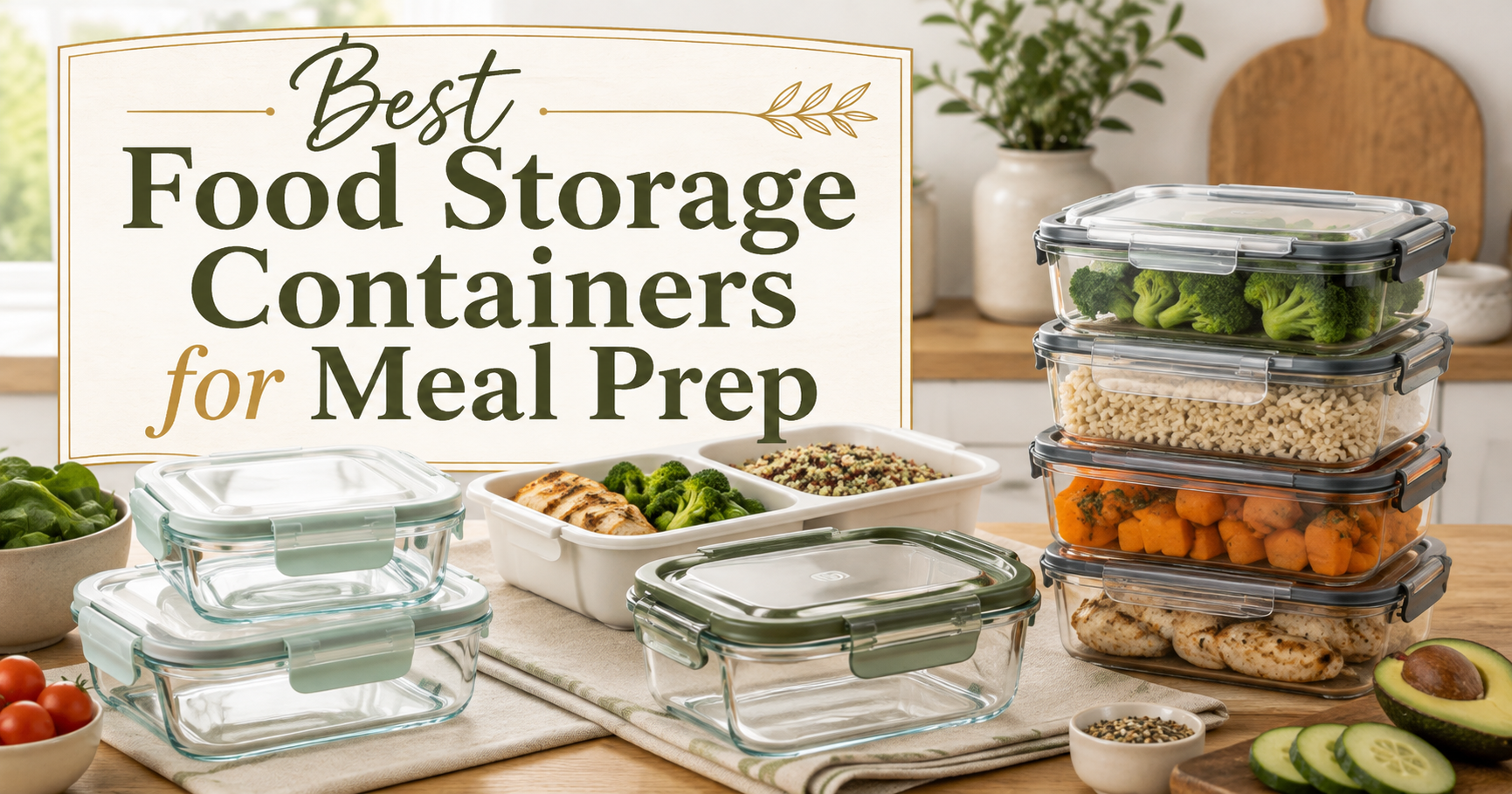
Best Food Storage Containers for Meal Prep
Store leftovers, lunches, freezer meals, and weekly meal-prep portions more neatly.

Featured Kitchen Pick
Explore another practical kitchen pick that can make everyday cooking and food preparation easier.
Storage and Reheating
Let leftover rice pudding cool slightly, then transfer it to an airtight container and refrigerate it promptly. It will continue to thicken as it chills.
For the best texture and quality, enjoy refrigerated rice pudding within 3 to 4 days.
To reheat, warm it gently on the stovetop or in the microwave, stirring occasionally. If it seems too thick after chilling, add a small splash of milk to loosen it to your preferred consistency.
Rice pudding can be eaten cold, but many people prefer it lightly warmed so the texture becomes softer and creamier again.
Food Safety Note
Because rice pudding contains cooked rice, milk, and egg yolks, leftovers should not sit out at room temperature for extended periods. Refrigerate within 2 hours and keep your refrigerator at 40°F or below.
When reheating leftovers, heat them thoroughly to 165°F. This is especially important for dishes made with cooked rice and dairy ingredients.
Common Rice Pudding Mistakes
Using heat that is too high
Rice pudding needs a gentle simmer. Cooking too quickly can scorch the milk and create a grainy or uneven texture.
Not stirring enough
The milk and rice can stick as the pudding thickens. Stirring often helps keep everything creamy and prevents burnt spots on the bottom of the pan.
Adding egg yolks without tempering
If egg yolks are added directly to the hot pot, they can scramble. Tempering them with a little of the hot pudding first helps them blend in smoothly.
Overcooking the pudding
Rice pudding thickens further as it cools. If it is cooked until extremely thick on the stove, it may become too firm after chilling.
Skipping the seasoning
Even a sweet pudding benefits from a little salt and good vanilla. Those small additions help the flavor taste fuller and more balanced.
Creamy Rice Pudding FAQ
What kind of rice is best for rice pudding?
Short-grain white rice or arborio rice is usually best because it becomes tender and releases enough starch to help make the pudding creamy.
Can I make rice pudding ahead of time?
Yes. Rice pudding is a good make-ahead dessert because it stores well in the refrigerator. Keep in mind that it will thicken as it chills, so you may want to stir in a little milk before serving or reheating.
Is rice pudding served warm or cold?
It can be served either way. Warm rice pudding feels especially cozy, while chilled rice pudding has a thicker, more traditional make-ahead dessert texture.
Why is my rice pudding too thick?
It may have cooked too long, or it may simply have thickened as it cooled. Stir in a small amount of milk until it reaches the consistency you like.
Can I make creamy rice pudding without eggs?
Yes. Egg yolks add richness, but you can omit them and continue simmering the pudding until it thickens from the starch in the rice and the reduction of the milk.
Can I freeze rice pudding?
You can, but the texture may change after thawing. Rice pudding is usually at its best when made fresh or stored in the refrigerator for a few days.
Final Notes
This creamy rice pudding recipe is simple, cozy, and dependable. With gentle heat, a little stirring, and a short list of pantry staples, you get a dessert that feels both old-fashioned and comforting.
Serve it plain, dust it with cinnamon, or dress it up with fruit or nuts. However you finish it, a bowl of homemade rice pudding always feels like the kind of dessert worth slowing down for.
Trusted Resources
- FoodSafety.gov – guidance for safe storage and reheating of leftovers.
- USDA Food Safety and Inspection Service – safe reheating practices and handling guidelines for cooked foods.
Helpful Recipe Resources
Trusted Food, Cooking, and Recipe References
Mistakenly Delicious uses AI-assisted workflows, but useful recipes still need common sense, food safety checks, and reliable cooking references. These resources can help with ingredients, nutrition, safe temperatures, and the AI workflow behind this site.
Ingredient Data
USDA FoodData Central
A useful reference for checking ingredient and nutrition data when reviewing recipes.
Visit Resource →Cooking Help
Nutrition.gov Cooking Tips
Beginner-friendly guidance for meal prep, cooking basics, shopping, and planning.
Visit Resource →Food Safety
Safe Cooking Temperatures
A helpful food safety chart for checking safe internal temperatures for chicken, meat, seafood, and leftovers.
Visit Resource →Creator Workflow
TechnofluxAI
The AI workflow and creator systems site behind Mistakenly Delicious.
Visit TechnofluxAI →