Beginner-Friendly Recipe
Homemade Chicken Noodle Soup
A practical, beginner-friendly homemade chicken noodle soup recipe with clear steps, useful substitutions, and dependable storage tips.

Quick Answer
Homemade chicken noodle soup is a comforting one-pot meal made with tender chicken, carrots, celery, onion, herbs, chicken broth, and egg noodles. The vegetables are softened first, the chicken gently simmers in the seasoned broth, and the noodles cook near the end so they stay tender instead of becoming overly soft.
Ingredients Overview
This easy chicken noodle soup uses familiar ingredients that work together to create a classic homemade flavor. Onion, carrots, and celery make the savory vegetable base, while garlic, thyme, bay leaf, and black pepper season the broth. Chicken cooks directly in the soup before being shredded, and egg noodles turn the broth into a filling meal.
Chicken Noodle Soup Shopping List
- Boneless skinless chicken breasts or thighs
- Chicken broth
- Wide egg noodles
- Yellow onion
- Carrots
- Celery
- Garlic
- Olive oil
- Dried thyme
- Bay leaves
- Fresh parsley
- Lemon, optional
- Salt and black pepper
View the homemade chicken noodle soup shopping list.
Why This Homemade Chicken Noodle Soup Works
The Chicken Cooks Right in the Broth
There is no need to cook the chicken separately. Gently simmering it in the broth keeps the method simple while helping the soup develop more flavor.
Classic Vegetables Build the Base
Onion, carrots, and celery create the familiar savory flavor associated with classic chicken noodle soup. Cooking them briefly before adding the broth helps soften the vegetables and develop their flavor.
The Noodles Go in Near the End
Egg noodles cook quickly, so adding them after the chicken is cooked helps prevent them from becoming too soft while the rest of the soup finishes cooking.
It Is Easy to Adjust
You can make the soup more brothy by adding extra chicken broth, increase the vegetables, substitute another short pasta, or add herbs depending on what you have available.

Tips for the Best Chicken Noodle Soup
Cut the Vegetables Evenly
Keep the carrots and celery relatively similar in size so they become tender at about the same time. Thin slices also make the soup easier to eat by the spoonful.
Keep the Chicken at a Gentle Simmer
A hard boil can make lean chicken tougher. Once the broth comes to a boil, reduce the heat and let the chicken cook at a steady gentle simmer.
Do Not Overcook the Noodles
Add the egg noodles toward the end of cooking and check them early. They will continue absorbing liquid while they sit in the hot soup.
Taste Before Adding More Salt
Chicken broth can vary considerably in saltiness. Season lightly at first and adjust the final soup after the chicken and noodles have cooked.
Add Fresh Flavor at the End
Fresh parsley brightens the finished soup. A small squeeze of lemon is also an easy way to balance a rich broth without making the soup taste strongly of citrus.
Easy Meal Ideas and Swaps
- Chicken thigh soup: Use boneless skinless chicken thighs for a slightly richer flavor.
- Rotisserie chicken shortcut: Stir shredded cooked chicken into the soup shortly before adding the noodles.
- Extra vegetable soup: Add peas, green beans, spinach, or corn near the end of cooking.
- Different pasta: Small shells, ditalini, rotini, or another short pasta can replace egg noodles.
- Herb variation: Rosemary, dill, or additional fresh thyme can add a different flavor.
- Serve it with: Crusty bread, dinner rolls, crackers, or a simple green salad.
Can I Use Cooked Chicken?
Yes. Leftover chicken or rotisserie chicken makes an easy shortcut. Because the chicken is already cooked, add it later in the process and heat it only until warmed through.
Can I Use Chicken Thighs Instead of Breasts?
Yes. Boneless skinless chicken thighs work very well in chicken noodle soup and stay especially tender during simmering.
How This Homemade Chicken Noodle Soup Comes Together
1. Soften the Vegetables
Start by cooking the onion, carrots, and celery in olive oil. This creates the savory foundation for the broth before the remaining ingredients are added.
2. Add Garlic and Seasonings
Garlic and dried herbs only need a short time in the pot before the broth is added. Cooking them briefly helps release their aroma without allowing the garlic to burn.
3. Simmer the Chicken
Add the broth and chicken and bring everything to a gentle simmer. Cook until the chicken is fully cooked and tender enough to shred easily.
4. Shred the Chicken
Transfer the cooked chicken to a cutting board or plate. Shred or chop it into bite-size pieces before returning it to the soup.
5. Cook the Egg Noodles
Bring the soup back to a gentle boil and add the noodles. Cook them until just tender according to their texture rather than relying only on the package time.
6. Finish and Taste
Return the shredded chicken to the pot and taste the broth. Adjust the salt and pepper, stir in fresh parsley, and add a little lemon juice if you want extra brightness.

Homemade Chicken Noodle Soup
Method
- Cook the vegetables. Heat the olive oil in a large Dutch oven or soup pot over medium heat. Add the onion, carrots, and celery. Cook for about 5 to 7 minutes, stirring occasionally, until the onion begins to soften.
- Add the garlic. Stir in the minced garlic and cook for about 30 seconds, just until fragrant.
- Add broth and seasonings. Pour in the chicken broth. Add the thyme, bay leaves, salt, and black pepper.
- Add the chicken. Place the chicken breasts or thighs into the broth. Increase the heat and bring the soup just to a boil.
- Simmer. Reduce the heat to medium-low. Cover partially and simmer gently for about 15 to 20 minutes, or until the chicken reaches an internal temperature of 165°F.
- Shred the chicken. Transfer the cooked chicken to a cutting board or plate. Let it rest briefly, then shred it with two forks or cut it into bite-size pieces.
- Cook the noodles. Bring the broth back to a gentle boil. Add the egg noodles and cook according to the package directions, usually about 6 to 8 minutes, until just tender.
- Return the chicken. Add the shredded chicken back to the pot and stir until heated through.
- Finish the soup. Remove and discard the bay leaves. Stir in the fresh parsley and optional lemon juice.
- Season and serve. Taste and add additional salt and black pepper as needed. Ladle the soup into bowls and serve hot.
Notes
For a shortcut, use about 3 cups of shredded cooked or rotisserie chicken. Add it near the end instead of simmering raw chicken.
Avoid aggressively boiling the chicken. A gentle simmer helps it stay tender.
Egg noodles absorb broth as they sit. Add extra chicken broth when reheating if needed.
For meal prep, cook the noodles separately and store them apart from the soup.
If freezing, freeze the chicken, vegetables, and broth without the noodles for the best texture.
Fresh dill, rosemary, or additional thyme can be added for a different herb flavor.
Chicken should reach 165°F before shredding and serving.
Tried this recipe?
Let us know how it was!Nutrition Information Disclaimer
Nutrition information is provided as an estimate only and may vary based on the ingredients, brands, portion sizes, substitutions, and preparation methods used. Optional toppings and serving suggestions may not be included in the calculation. For the most accurate information, calculate nutrition using the specific ingredients and amounts you use.
Allergy notice: Always check ingredient labels and avoid substitutions that may introduce allergens. This recipe has not been verified as allergen-free.
Mistakenly Delicious Kitchen Picks
Helpful Kitchen Tools for Easier Cooking
These beginner-friendly guides and kitchen picks can make cooking, baking, food-safety checks, and meal prep easier.
Affiliate disclosure: This section contains Amazon affiliate links. As an Amazon Associate, I earn from qualifying purchases at no additional cost to you.
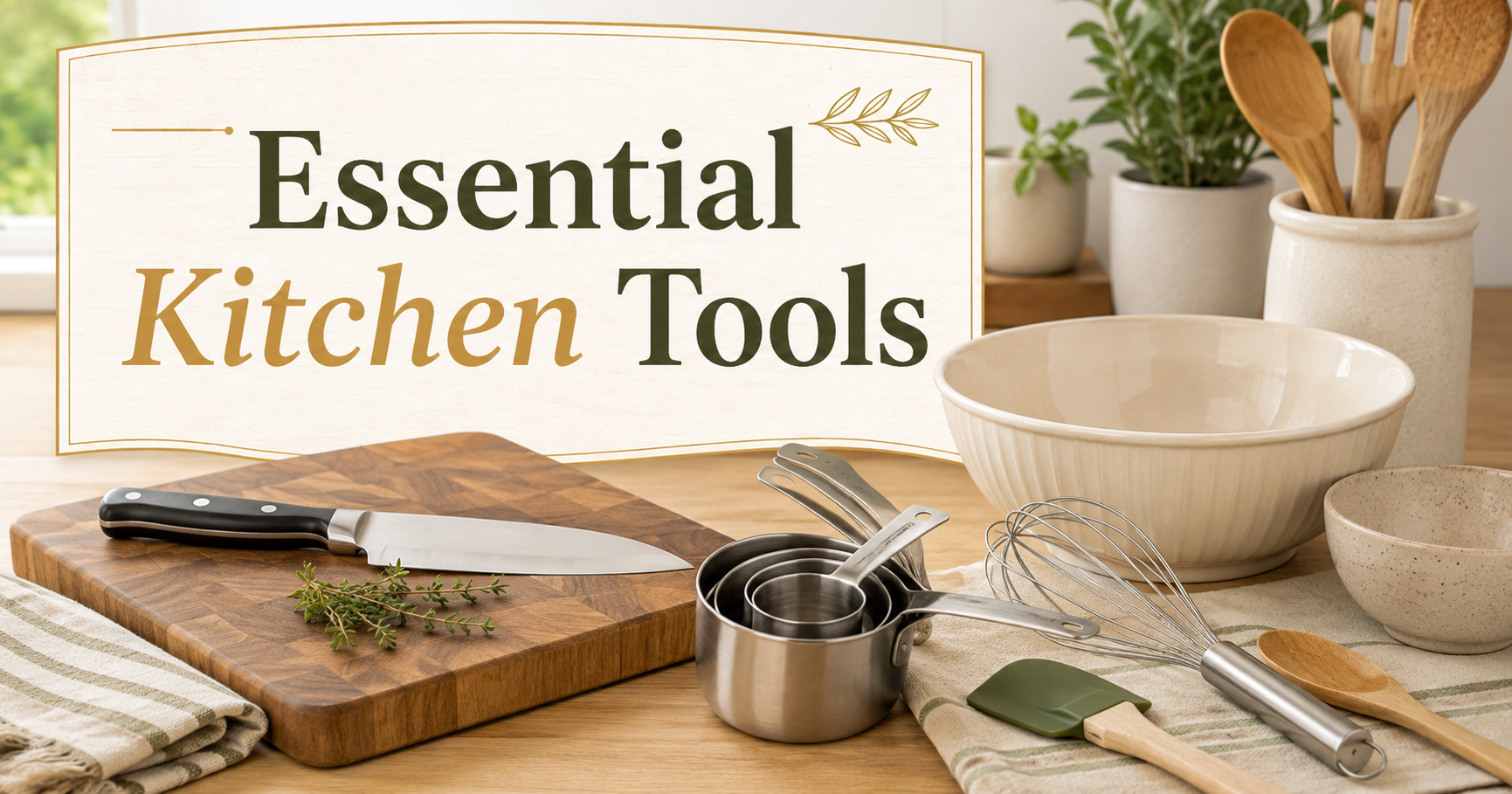
Essential Kitchen Tools for Beginner Cooks
Start with practical everyday tools instead of filling your kitchen with gadgets you may rarely use.

Best Affordable Meat Thermometers
Check chicken, burgers, roasts, and other foods without guessing whether the center is fully cooked.
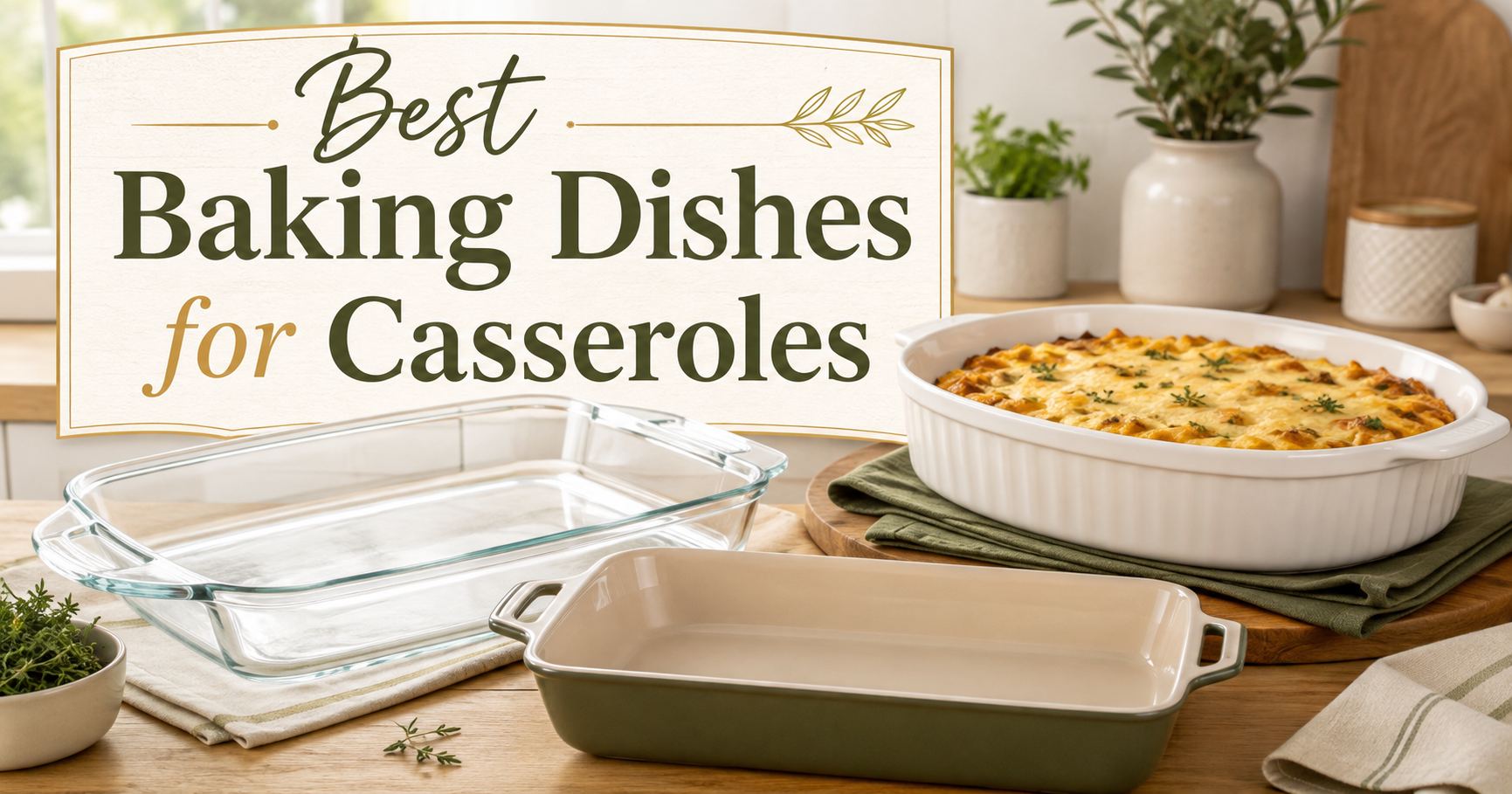
Best Baking Dishes for Casseroles
Compare dependable baking dishes for casseroles, rice bakes, biscuit bakes, desserts, and family meals.
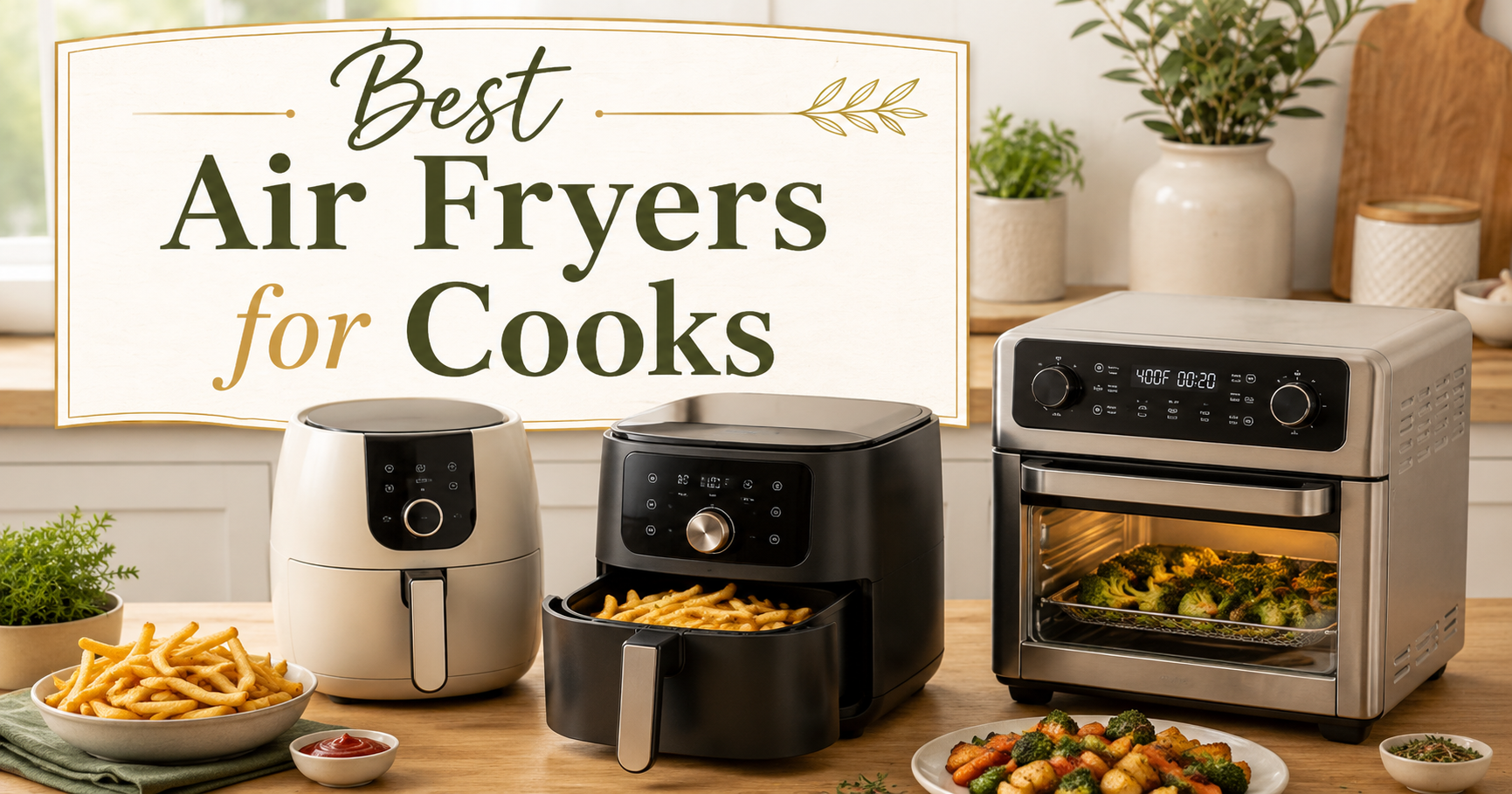
Best Air Fryers for Beginner Cooks
Find a beginner-friendly air fryer for crispy foods, quick dinners, reheating leftovers, and smaller meals.
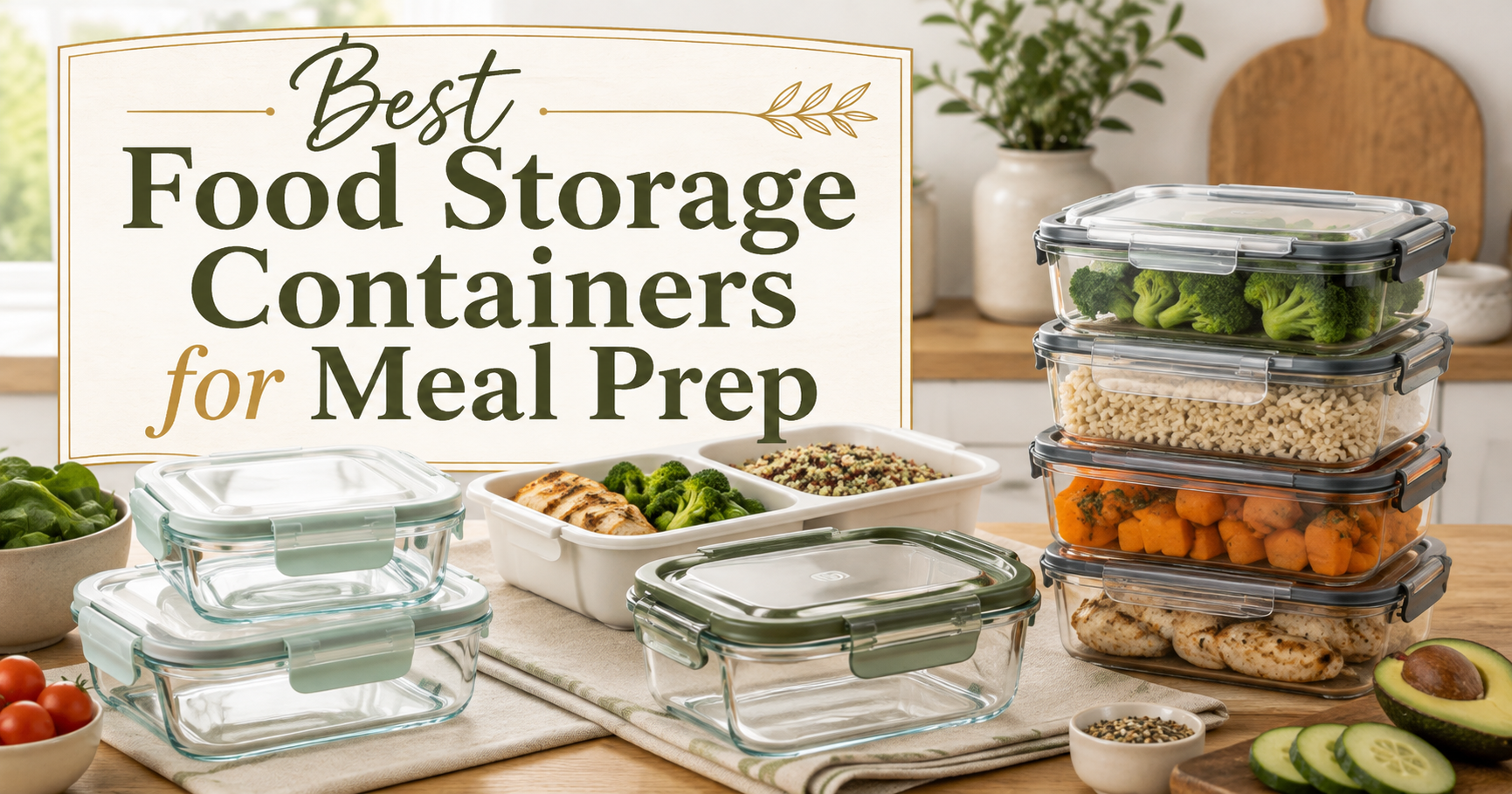
Best Food Storage Containers for Meal Prep
Store leftovers, lunches, freezer meals, and weekly meal-prep portions more neatly.

Featured Kitchen Pick
Explore another practical kitchen pick that can make everyday cooking and food preparation easier.
Storage and Reheating
Refrigerating Chicken Noodle Soup
Cool leftover soup and transfer it to covered containers before refrigerating. For the best noodle texture, especially when preparing the soup ahead, consider storing cooked noodles separately from the broth and chicken.
Reheating
Warm leftover chicken noodle soup gently on the stovetop over medium-low heat, stirring occasionally, until steaming hot throughout. Individual portions can also be reheated in the microwave.
Freezing Chicken Noodle Soup
Chicken noodle soup freezes best without the noodles because pasta can become very soft after freezing and thawing. Freeze the chicken, vegetables, and broth together, then cook fresh noodles when reheating the soup.
Food Safety Note
Cook raw chicken to a safe internal temperature of 165°F in the thickest portion. Refrigerate cooked chicken noodle soup promptly and use refrigerated leftovers within about 3 to 4 days. When reheating, heat the soup thoroughly before serving.
Common Chicken Noodle Soup Mistakes
Boiling the Chicken Too Aggressively
A gentle simmer helps chicken stay tender. Rapid boiling can make lean chicken firmer and may also make the broth cloudier.
Adding the Noodles Too Early
If noodles cook for the entire time the chicken is simmering, they can become overly soft and absorb too much broth. Save them for the final stage of cooking.
Over-Salting at the Beginning
Broth becomes more concentrated as soup cooks, and some packaged broths already contain plenty of salt. Wait until the end for the final seasoning adjustment.
Leaving the Chicken in Large Pieces
Shredding or cutting the chicken into bite-size pieces makes the finished soup easier to eat and distributes chicken evenly throughout each serving.
Making Leftovers With Noodles in the Broth
The noodles will continue to absorb liquid while refrigerated. If you know you are preparing the soup for several meals, cooking and storing the noodles separately can help maintain their texture.
Homemade Chicken Noodle Soup FAQ
What noodles are best for chicken noodle soup?
Wide egg noodles are a classic choice because they cook quickly and have a tender texture that works well with chicken and broth. Other short pasta shapes can also be used.
Can I make chicken noodle soup with rotisserie chicken?
Yes. Remove the meat from the chicken and add it after the vegetables and broth have simmered. Since rotisserie chicken is already cooked, it only needs enough time to become hot.
How do I keep noodles from getting mushy?
Avoid overcooking them and add them near the end of the recipe. For meal prep or leftovers, store cooked noodles separately and combine them with hot soup as needed.
Why is my chicken noodle soup bland?
Start by checking the salt level. You can also add black pepper, fresh herbs, or a small splash of lemon juice. These finishing touches can make the existing flavors taste brighter without requiring a large amount of additional seasoning.
Can I freeze homemade chicken noodle soup?
Yes, but the best texture comes from freezing the soup without noodles. Add freshly cooked noodles after the soup has been thawed and reheated.
How can I make chicken noodle soup more brothy?
Simply add additional chicken broth. This is especially helpful when reheating leftovers because the noodles may absorb some of the original liquid.
Final Notes
A good homemade chicken noodle soup does not require complicated ingredients. A flavorful broth, tender chicken, classic vegetables, and properly cooked noodles are enough to create a comforting meal that works for weeknight dinners, meal prep, or a cozy bowl on a cold day.
Once you are comfortable with the basic method, it is easy to adjust the vegetables, herbs, chicken, and noodles to fit what your family likes or what you already have in the kitchen.
Trusted Resources
- USDA Food Safety and Inspection Service for poultry cooking and food-safety guidance.
- FoodSafety.gov for safe food storage and reheating information.
Helpful Recipe Resources
Trusted Food, Cooking, and Recipe References
Mistakenly Delicious uses AI-assisted workflows, but useful recipes still need common sense, food safety checks, and reliable cooking references. These resources can help with ingredients, nutrition, safe temperatures, and the AI workflow behind this site.
Ingredient Data
USDA FoodData Central
A useful reference for checking ingredient and nutrition data when reviewing recipes.
Visit Resource →Cooking Help
Nutrition.gov Cooking Tips
Beginner-friendly guidance for meal prep, cooking basics, shopping, and planning.
Visit Resource →Food Safety
Safe Cooking Temperatures
A helpful food safety chart for checking safe internal temperatures for chicken, meat, seafood, and leftovers.
Visit Resource →Creator Workflow
TechnofluxAI
The AI workflow and creator systems site behind Mistakenly Delicious.
Visit TechnofluxAI →