Beginner-Friendly Recipe
Classic Meatloaf
A practical, beginner-friendly classic meatloaf recipe with clear steps, useful substitutions, and dependable storage tips.

Classic meatloaf is one of those dependable comfort-food dinners that turns simple ingredients into something warm, satisfying, and family-friendly. This version has a tender, juicy center, plenty of savory flavor, and the familiar sweet and tangy glaze that caramelizes over the top as it bakes.
The secret to great meatloaf is not adding complicated ingredients. It is getting the moisture, binding ingredients, seasoning, and mixing technique right so the loaf holds together without becoming dense or dry.
Mistakenly Smart Note: Mix the meatloaf only until the ingredients are evenly combined. Compressing or kneading ground beef too aggressively can create a firmer, denser texture instead of the tender slices you want.
Quick Answer
Classic meatloaf is made by gently combining ground beef with breadcrumbs, milk, eggs, onion, seasonings, and savory flavorings. The mixture is shaped into a loaf, covered with a ketchup-based glaze, and baked until the center reaches a safe internal temperature of 160°F.
Allowing the meatloaf to rest briefly after baking helps the juices redistribute and gives the loaf enough structure to slice more neatly.
Print the shopping list from the recipe card.
Ingredients Overview
This recipe uses familiar ingredients you may already have in the refrigerator and pantry. Ground beef forms the base, while breadcrumbs, milk, and eggs help create a moist loaf that holds together when sliced.
Finely chopped onion adds sweetness and savory flavor. Worcestershire sauce, garlic, salt, pepper, and dried seasonings give the meat mixture more depth without making the recipe complicated.
A simple ketchup glaze finishes the top with the slightly sweet, tangy flavor associated with traditional homemade meatloaf.
Ground Beef
Ground beef with some fat produces a more flavorful and tender meatloaf than extremely lean beef. A blend around 80 to 85 percent lean works especially well because there is enough fat for moisture without making the finished loaf excessively greasy.
Breadcrumbs and Milk
Breadcrumbs do more than help hold the loaf together. When combined with milk, they retain moisture inside the meatloaf and help create a softer texture.
Eggs
Eggs provide structure so the meatloaf slices without crumbling apart. They work together with the breadcrumbs rather than acting as the only binder.
The Glaze
The ketchup-based topping adds sweetness, acidity, and color. Brown sugar and a little mustard give the glaze extra depth and help it develop a glossy finish in the oven.
Why This Recipe Works
- A breadcrumb-and-milk mixture adds moisture. This helps keep the interior tender instead of dry or crumbly.
- The seasonings are distributed throughout. Every slice gets savory onion, garlic, Worcestershire sauce, and herbs.
- The mixture is handled gently. Minimal mixing helps prevent a tough, compact loaf.
- The glaze is added before baking. It thickens and caramelizes as the meatloaf cooks.
- Temperature determines doneness. A food thermometer is more reliable than judging ground beef by color alone.
Tips for the Best Classic Meatloaf
Do not use extremely lean ground beef
Very lean beef can make meatloaf noticeably drier. Ground beef containing a moderate amount of fat provides better flavor and tenderness.
Chop the onion finely
Large pieces of onion can make slices more likely to break apart. Finely chopping the onion helps it soften while allowing the loaf to stay cohesive.
Moisten the breadcrumbs first
Giving the breadcrumbs a moment to absorb the milk creates a moist mixture that disperses more evenly through the ground beef.
Mix gently
Your goal is to distribute the ingredients, not knead the meat. Stop mixing as soon as everything appears evenly incorporated.
Use a thermometer
Ground beef mixtures such as meatloaf should reach 160°F in the center. Insert an instant-read thermometer into the thickest portion rather than relying on color to determine safety.

What to Serve With Meatloaf
Classic meatloaf works especially well with simple comfort-food side dishes. Mashed potatoes are the traditional choice because they pair naturally with the savory beef and tangy glaze.
For vegetables, try green beans, roasted carrots, peas, broccoli, corn, or Brussels sprouts. A simple green salad can lighten the meal when you want something fresher alongside the meatloaf.
For an extra-cozy dinner, serve slices with mashed potatoes and gravy, buttered vegetables, and warm dinner rolls.
Easy Meatloaf Swaps
Different breadcrumbs
Plain dry breadcrumbs work well, but panko can also be used. Avoid strongly seasoned breadcrumbs unless you want those flavors to become part of the finished meatloaf.
Ground beef blends
You can replace part of the beef with ground pork for an especially rich meatloaf. When changing the type of ground meat, always follow the safe internal temperature appropriate for the meat mixture you use.
Fresh herbs
Fresh parsley can add color and freshness. Thyme also pairs nicely with beef, onion, and Worcestershire sauce.
Extra glaze
If your family loves the tangy topping, make a little extra glaze and reserve some before it touches the raw meat. Warm the reserved portion separately for serving.
How This Classic Meatloaf Comes Together
The first step is creating the moisture base. Breadcrumbs and milk are combined so the crumbs can soften before they are mixed with the beef. This small step makes a noticeable difference in the texture of the finished loaf.
Eggs, finely chopped onion, Worcestershire sauce, garlic, and seasonings are then combined with the breadcrumb mixture. Adding the beef last makes it easier to distribute the seasonings without overworking the meat.
The mixture is shaped into a loaf with gentle pressure. It should hold together, but it does not need to be tightly packed. Leaving a little space around the meatloaf also exposes more surface area to the oven heat.
A sweet and tangy glaze is spread over the surface before baking. As the meatloaf cooks, the glaze thickens and develops a deeper flavor.
Check the thickest part of the meatloaf with a food thermometer. Once the center reaches the appropriate safe temperature, remove it from the oven and let it rest before slicing.
Storage and Reheating
Cool leftover meatloaf promptly and transfer it to a covered container in the refrigerator. Properly refrigerated cooked beef leftovers are best used within 3 to 4 days.
For individual servings, slices can be reheated gently in the microwave. Covering the meatloaf while reheating helps retain moisture.
You can also warm several slices in a covered baking dish in the oven. A spoonful of reserved glaze, broth, or water in the dish can help prevent the meat from drying out during reheating.
Can You Freeze Meatloaf?
Yes. Cooked meatloaf freezes well. Let it cool, portion it into slices, and store the portions in airtight freezer-safe packaging. Individual slices are especially convenient because you can thaw only what you need.
Thaw frozen cooked meatloaf safely in the refrigerator before reheating.
Food Safety Note
Do not judge ground beef by color alone. A meatloaf can sometimes remain pink even after it has reached a safe temperature, and color can also disappear before a ground beef mixture is safely cooked.
Use a food thermometer in the thickest part of the loaf. For a meatloaf made with ground beef, the center should reach at least 160°F.
Refrigerate cooked meatloaf promptly rather than leaving it at room temperature for an extended period.
Common Meatloaf Mistakes
Overmixing the meat
Working the ground beef aggressively can make the loaf firm and dense. Use your hands or a fork to combine the mixture gently and stop as soon as the ingredients are evenly distributed.
Skipping the moisture
Breadcrumbs added without enough liquid can pull moisture away from the meat. Hydrating them first helps create a softer interior.
Packing the loaf too tightly
The meatloaf needs enough structure to stay together, but pressing it into a dense block can affect its texture. Shape it gently instead.
Guessing when it is done
Appearance is not a dependable food-safety test for ground beef. Check the center with a food thermometer and cook to the recommended internal temperature.
Slicing immediately
Cutting the meatloaf the moment it leaves the oven can release more juices and produce messier slices. A short rest makes serving easier.

Classic Meatloaf
Method
- Preheat the oven to 350°F. Line a rimmed baking sheet with parchment paper or foil for easier cleanup.
- Add the breadcrumbs and milk to a large mixing bowl. Stir and let the mixture stand for about 5 minutes so the breadcrumbs can absorb the milk.
- Add the eggs, finely chopped onion, garlic, Worcestershire sauce, ketchup, salt, Italian seasoning, black pepper, and parsley. Stir until evenly combined.
- Add the ground beef. Using clean hands or a fork, gently mix everything together just until evenly distributed. Do not knead or tightly compress the meat.
- Transfer the mixture to the prepared baking sheet and gently shape it into a loaf approximately 9 inches long and 5 inches wide.
- In a small bowl, stir together the ketchup, brown sugar, mustard, and Worcestershire sauce for the glaze.
- Spread the glaze evenly over the top and sides of the meatloaf.
- Bake for approximately 55 to 65 minutes, or until an instant-read thermometer inserted into the thickest center portion registers at least 160°F.
- Remove the meatloaf from the oven and allow it to rest for 10 minutes before slicing.
- Cut into slices and serve warm with your favorite side dishes.
Notes
For a juicy texture, ground beef containing around 15 to 20 percent fat works well.
Finely chop the onion so it softens evenly and does not interfere with slicing.
Always determine doneness using a food thermometer rather than meat color.
Ground beef meatloaf should reach at least 160°F in the center.
Refrigerate leftovers promptly in a covered container.
Use refrigerated cooked meatloaf within 3 to 4 days.
Individual slices can be frozen for convenient future meals.
Tried this recipe?
Let us know how it was!Nutrition Information Disclaimer
Nutrition information is provided as an estimate only and may vary based on the ingredients, brands, portion sizes, substitutions, and preparation methods used. Optional toppings and serving suggestions may not be included in the calculation. For the most accurate information, calculate nutrition using the specific ingredients and amounts you use.
Allergy notice: Always check ingredient labels and avoid substitutions that may introduce allergens. This recipe has not been verified as allergen-free.
Mistakenly Delicious Kitchen Picks
Helpful Kitchen Tools for Easier Cooking
These beginner-friendly guides and kitchen picks can make cooking, baking, food-safety checks, and meal prep easier.
Affiliate disclosure: This section contains Amazon affiliate links. As an Amazon Associate, I earn from qualifying purchases at no additional cost to you.
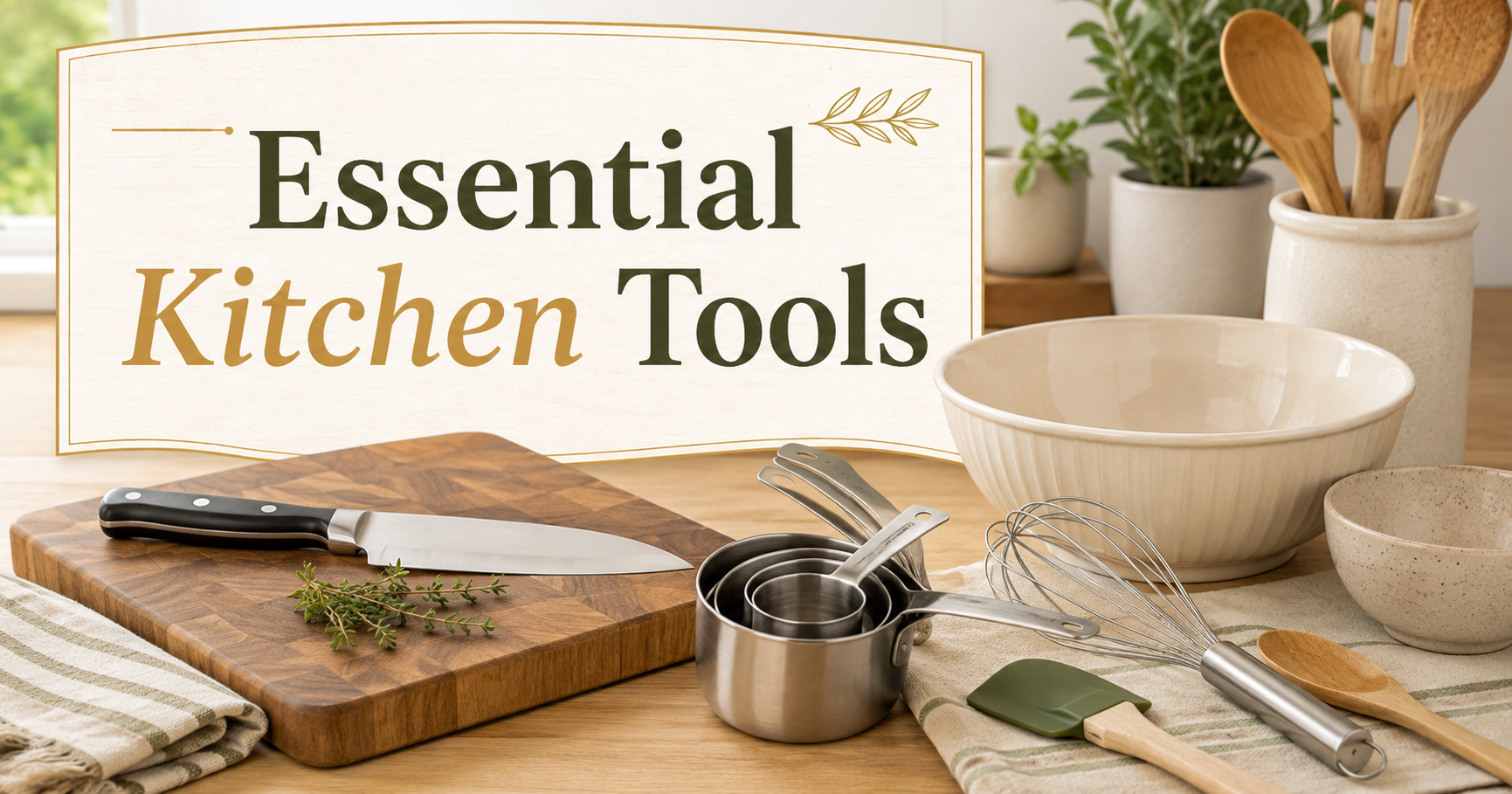
Essential Kitchen Tools for Beginner Cooks
Start with practical everyday tools instead of filling your kitchen with gadgets you may rarely use.

Best Affordable Meat Thermometers
Check chicken, burgers, roasts, and other foods without guessing whether the center is fully cooked.
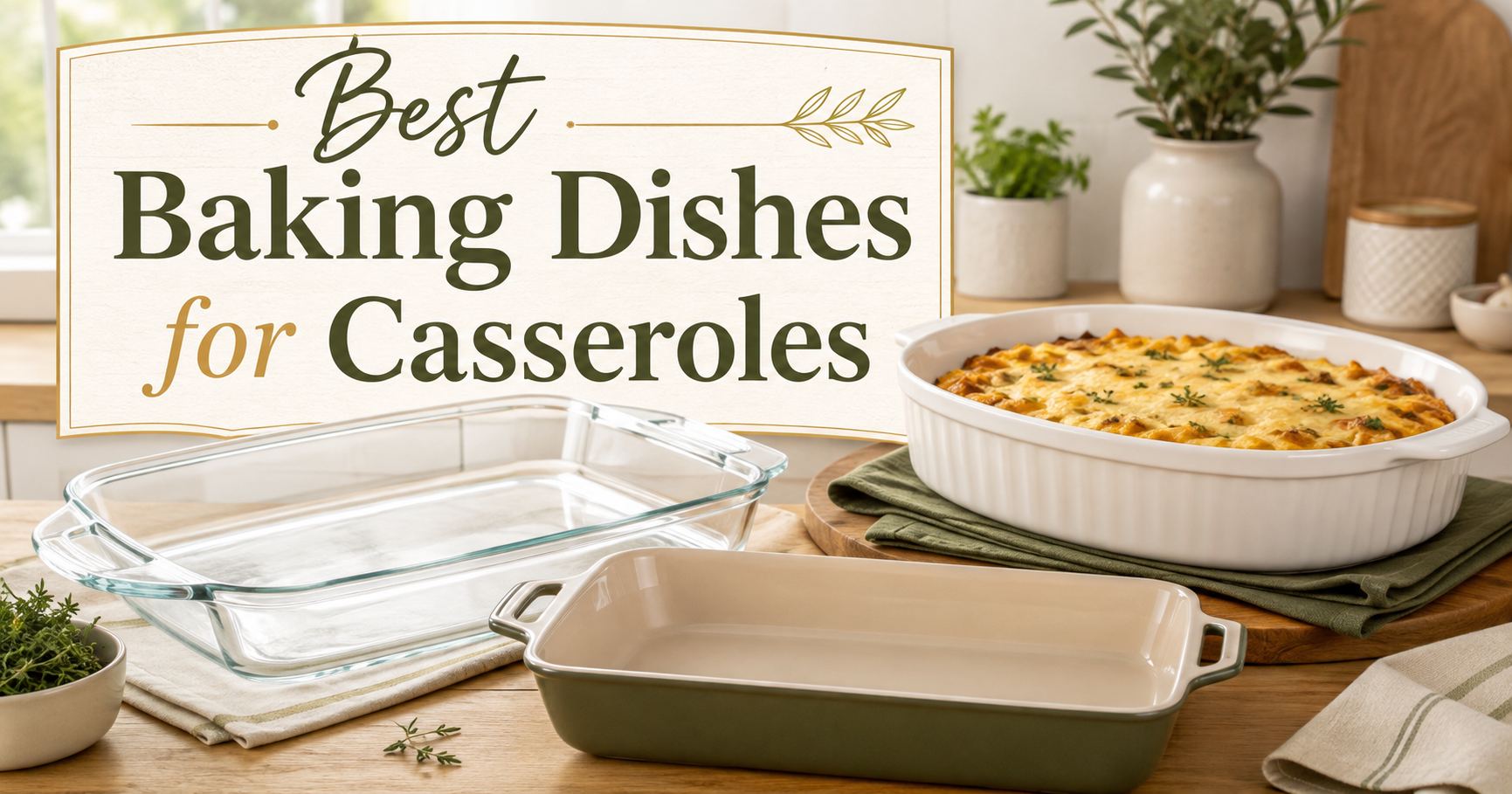
Best Baking Dishes for Casseroles
Compare dependable baking dishes for casseroles, rice bakes, biscuit bakes, desserts, and family meals.

Best Air Fryers for Beginner Cooks
Find a beginner-friendly air fryer for crispy foods, quick dinners, reheating leftovers, and smaller meals.

Best Food Storage Containers for Meal Prep
Store leftovers, lunches, freezer meals, and weekly meal-prep portions more neatly.

Featured Kitchen Pick
Explore another practical kitchen pick that can make everyday cooking and food preparation easier.
Classic Meatloaf FAQ
What is the secret to moist meatloaf?
Use ground beef with enough fat, hydrate the breadcrumbs with milk, and avoid overmixing or overcooking the meatloaf. These details work together to create a moist, tender texture.
What temperature should meatloaf be cooked to?
A meatloaf made with ground beef should reach a minimum internal temperature of 160°F in the thickest part. Use a food thermometer rather than relying on the color of the meat.
Why does my meatloaf fall apart?
A meatloaf can crumble if it does not contain enough binding ingredients, if the vegetables are chopped too coarsely, or if it is sliced before it has rested. Eggs and moistened breadcrumbs help provide structure.
Why is my meatloaf tough?
Overmixing is a common reason. Compacting ground beef develops a denser texture, so handle the mixture as little as possible once the meat is added.
Should I cover meatloaf while baking?
This version can bake uncovered so the glaze has a chance to thicken and caramelize. If the top begins browning more than you prefer before the center is done, loosely tent the loaf with foil.
Can meatloaf still be pink when it is done?
Yes. Ground beef can sometimes remain pink even after reaching a safe internal temperature. This is why checking the center with a food thermometer is more reliable than checking color.
Can I make meatloaf ahead of time?
Yes. You can prepare the mixture and refrigerate it before baking, keeping the raw meat properly chilled. For the easiest make-ahead option, you can also bake the meatloaf completely, refrigerate it, and reheat slices for serving.
How long does leftover meatloaf last?
Store cooked meatloaf in a refrigerator maintained at 40°F or below and use it within 3 to 4 days.
Can I freeze leftover meatloaf?
Yes. Slice cooled meatloaf into individual portions, wrap or package them tightly, and freeze. Thaw portions in the refrigerator before reheating for an easy future meal.
Final Notes
A good classic meatloaf does not need complicated ingredients. The combination of properly seasoned beef, moistened breadcrumbs, eggs, onion, Worcestershire sauce, and a tangy glaze delivers the familiar comfort-food flavor people expect.
For the best results, focus on technique: keep the mixture moist, handle the beef gently, shape rather than compress the loaf, check doneness with a thermometer, and give it a few minutes to rest before slicing.
Serve it with mashed potatoes and vegetables for a traditional dinner, then save any extra slices for easy lunches or next-day meatloaf sandwiches.
Trusted Resources
- USDA Food Safety and Inspection Service: Safe minimum internal temperatures for ground beef and meatloaf.
- USDA Food Safety and Inspection Service: Refrigeration and storage guidance for cooked beef and leftovers.
Helpful Recipe Resources
Trusted Food, Cooking, and Recipe References
Mistakenly Delicious uses AI-assisted workflows, but useful recipes still need common sense, food safety checks, and reliable cooking references. These resources can help with ingredients, nutrition, safe temperatures, and the AI workflow behind this site.
Ingredient Data
USDA FoodData Central
A useful reference for checking ingredient and nutrition data when reviewing recipes.
Visit Resource →Cooking Help
Nutrition.gov Cooking Tips
Beginner-friendly guidance for meal prep, cooking basics, shopping, and planning.
Visit Resource →Food Safety
Safe Cooking Temperatures
A helpful food safety chart for checking safe internal temperatures for chicken, meat, seafood, and leftovers.
Visit Resource →Creator Workflow
TechnofluxAI
The AI workflow and creator systems site behind Mistakenly Delicious.
Visit TechnofluxAI →